copilot
(12)
Applicable does the Microsoft work nobody puts in the launch video
Splitting a 60,000-person company’s Microsoft environment takes more than moving mailboxes. Applicable has built its business around the migrations, permissions and midnight support that keep corporate life running.

The Microsoft Cloud Has a Fine-Print Problem - Interlink Built a Business Translating It
The Mason, Ohio consultancy found its lane between Microsoft's sprawling catalog and the people expected to make it all work. Its pitch is less cloud cheerleading than practical translation: buy less, secure it properly, and get employees to use it.
Pragmatic Works Sold the Software, Sold the Consulting - and Kept the Classroom
Brian Knight built three businesses under one roof, sold two of them, and discovered the least glamorous piece was the one he wanted to keep. Today Pragmatic Works turns Microsoft's endless release cycle into a training flywheel anyone can borrow.
Tailwind Bet the Company on Pinterest. A Million Small Businesses Bet Back.
The Oklahoma City company started life as a wedding-planning site, pivoted to the one social network everyone underestimated, and quietly built a marketing suite that now runs on autopilot for more than a million merchants.
Height
Height was a New York-based software company that built an AI-native project management and collaboration tool for product teams. Founded in 2018 by ex-Stripe designer-engineer Michael Villar, Height combined tasks, chat, and adaptive workflows in one keyboard-first app, then pivoted to an 'autonomous' model in which an AI agent called Copilot handled the routine legwork of building software - triaging bugs, updating specs, pruning backlogs, and drafting standups. Backed by roughly $18.3M in venture funding, Height competed with Linear, Asana, and Jira before winding the product down in 2025.

Microsoft Won by Learning to Stop Being Windows
For years, Microsoft treated Windows as the answer. Its second act began when it made Windows merely one answer - and turned the rest of the company into a machine for selling picks and shovels to everyone.
Liner
Liner is an AI search engine built for students, researchers, and knowledge workers who need answers they can trust. Founded in 2012 as a web highlighter and rebuilt around large language models after GPT-3, the company now serves roughly 12 million monthly users across more than 200 countries, pairing conversational answers with transparent citations from academic papers and vetted sources. Headquartered in San Francisco with roots in Seoul, Liner positions itself as a source-grounded alternative to general chatbots and to Google's search box.
Assembly
Assembly (formerly Copilot) is an AI-powered client portal platform for professional and creative service firms. It gives agencies, accountants, consultants, law firms and freelancers a single branded space where clients can message, sign contracts, pay invoices, share files and buy productized service packages, backed by a lightweight CRM and an AI assistant. Founded in 2020 by Marlon Misra and Neil Raina and based in New York, the Y Combinator-backed company serves more than a thousand service businesses across the US, Canada, the UK, Europe and Australia.
Atlas
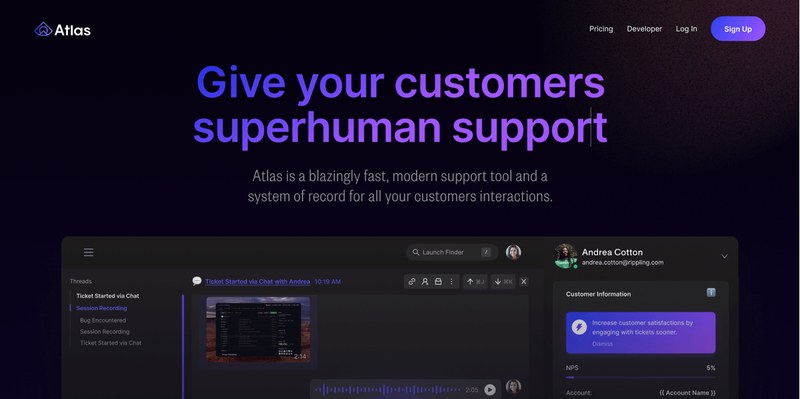
Atlas is an AI-first customer support platform that pitches itself as a modern replacement for Intercom and Zendesk. It combines ticketing, an omnichannel inbox (chat, email, WhatsApp, SMS, Slack Connect, Discord), session recording, customer timelines, a help center and AI agents (Autopilot and Copilot) so support teams can resolve issues faster by understanding customers more completely. Founded in 2021 by Jon O'Bryan and Rahul Asati and backed by Y Combinator (W22), Atlas is built around the idea that great support drives growth rather than being a cost center.
Kalepa
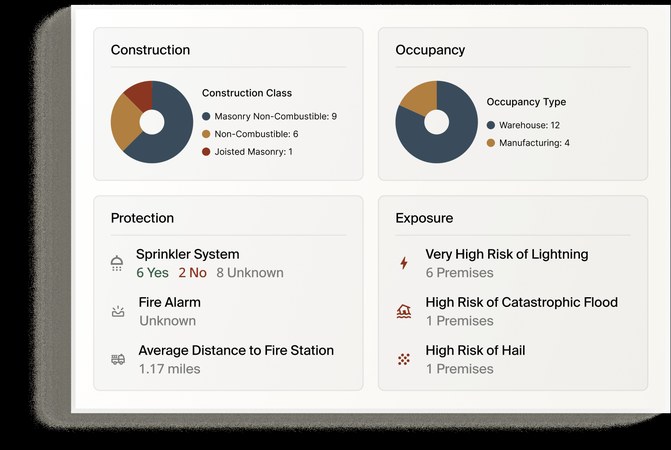
Kalepa is a New York-based insurtech building AI software for commercial insurance underwriters. Its flagship platform, Copilot, ingests submissions, extracts and structures messy documents, surfaces hidden risk exposures from billions of data points, and helps underwriters triage, price, and bind business faster and more profitably. Founded in 2018 by Paul Monasterio and Daniel Hillman, the company is backed by Inspired Capital and IA Ventures and works with carriers including Munich Re Specialty, Bowhead Specialty, SECURA, and Canopius.
Flux
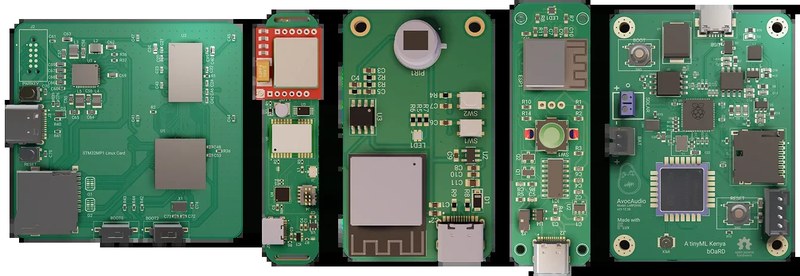
Flux is a browser-based, AI-native hardware design platform that turns text prompts into manufacturable printed circuit boards. The San Francisco company calls its product an 'AI Hardware Engineer' and is rewriting how electronics get designed by combining an electronic CAD environment with an agentic copilot that researches parts, draws schematics, lays out boards, and prepares files for fabrication.

Zuni (ZuniRemoteAI)
Zuni (by Old House Labs Inc.) is a Chrome sidebar AI copilot built for knowledge workers who refuse to leave their existing tools. Rather than forcing users into yet another chat interface, Zuni sits quietly in the browser sidebar, reads the open tab, understands the Gmail inbox, and surfaces actionable intelligence in real time. Founded in 2024 by Cambridge alumni George Seabridge and Will Taylor (a 2x YC founder), Zuni is backed by Y Combinator (S24) and offers access to the world's leading AI models — GPT-4o, Claude 3.7 Sonnet, Gemini 2.0 Flash, DeepSeek R1, and more — all in one place, without switching apps.