connected-hardware
(7)
When the Picture Frame Became a Service
Nixplay sold families a way to keep photographs moving across the miles. Then the cost of keeping those memories in the cloud forced a harder question: who pays after the frame is unwrapped?
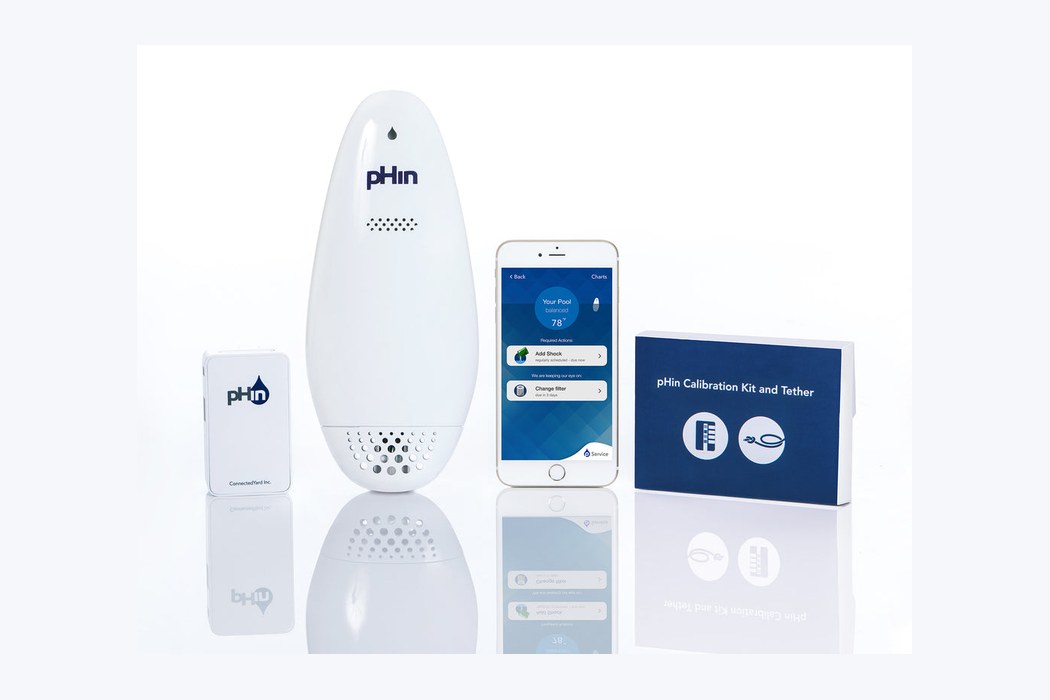
The Pool Boy That Lived in the Cloud
pHin made pool chemistry feel like checking the weather. Then the forecast disappeared - and a useful little machine became a lesson in where connected products really live.
Newmark Security’s next act starts at the timeclock
The AIM-listed group is betting on the software behind clocking in. A £1 agreement to sell its physical security arm shows how much it is willing to change.
Spiffy Spent a Decade Washing Cars. The Real Product Was Hiding in the Van.
The North Carolina company started with blue vans and an app. After four million services, it is selling dealers the software, hardware and hard-won operating manual behind the fleet.
Relay Tried to Replace the Kids’ Phone. Frontline Workers Found the Bigger Job.
A $99 screen-free gadget for children found its real market in hotel corridors, stadium kitchens and factory floors. Relay’s second act is a useful lesson in letting an unexpected customer rewrite the pitch.
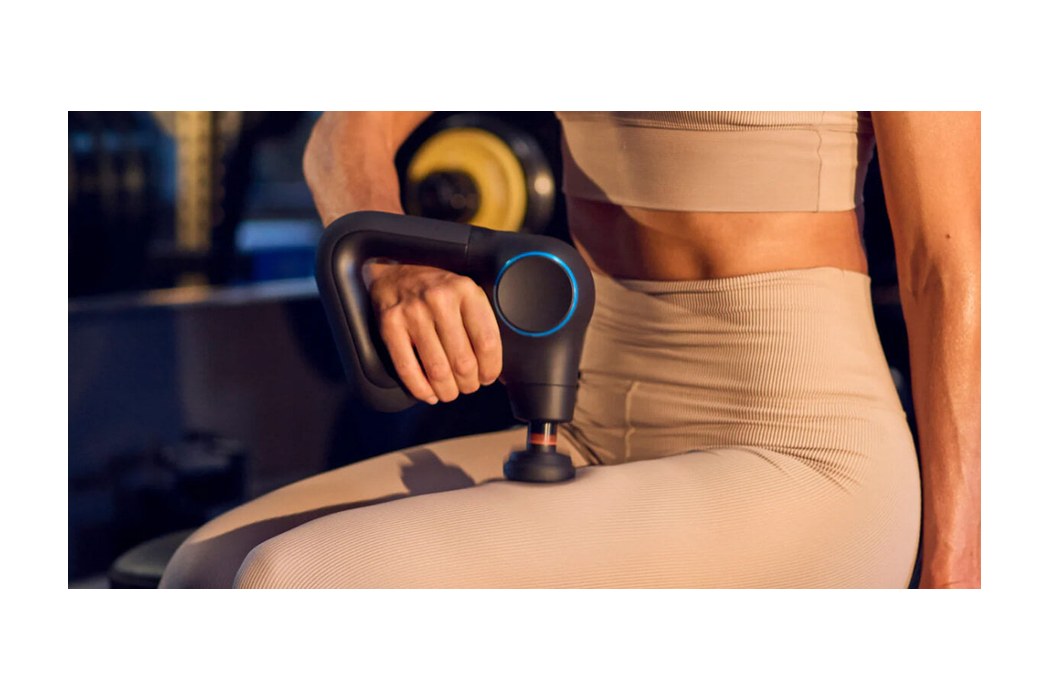
Therabody Turned an $84 Crisis Into 6.5 Million Massage Guns - Here’s the Eight-Year Grind You Can Copy
A chiropractor spent eight years turning a jigsaw wrapped in a dish towel into a premium wellness platform. The useful lesson is not the hardware - it is how Therabody earned trust one treatment room at a time, then stretched a product into a habit.

Juicero
Juicero was a San Francisco hardware startup that built a Wi-Fi-connected, $699 cold-press juicer paired with proprietary single-serving produce packs sold by subscription. Backed by roughly $118.5 million from Kleiner Perkins, Google Ventures, and Campbell Soup's venture arm, it became a Silicon Valley cautionary tale in 2017 after Bloomberg showed the packs could be squeezed by hand just as effectively as the machine. The company suspended sales in September 2017. The juicero.com domain now hosts an unrelated sparkling-water brand revived in 2025.