collectibles
(9)
Nicolas le Jeune and the card that never leaves the vault
He left Google and YouTube to build Courtyard with Paulin Andurand. His wager: a collectible could change hands around the world while staying exactly where it was.
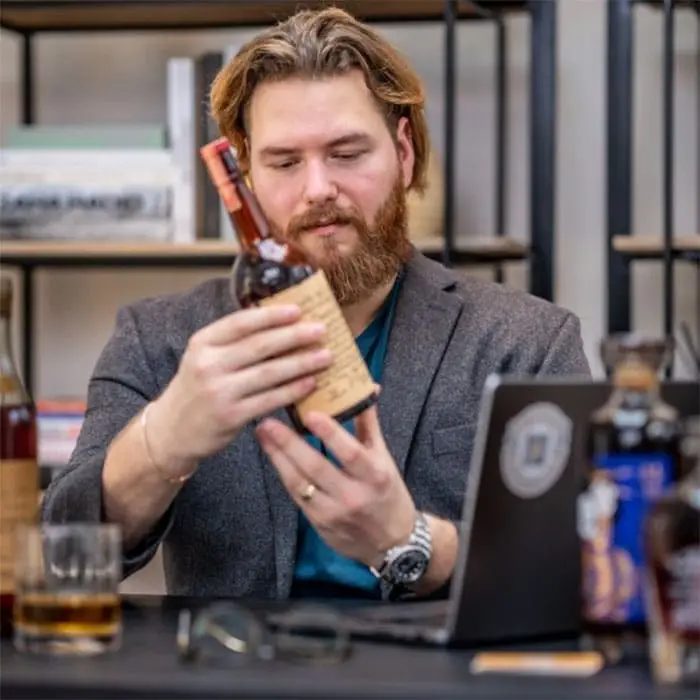
Tzvi Wiesel and the bottle that kept coming back
Before co-founding BAXUS, Tzvi (Todd) Wiesel shipped rare bottles to clients who sometimes sent them straight back to be sold. His answer began with a whiskey fund, a Columbia database class, and a question about what ownership should actually require.

Leore Avidar and the things software cannot touch
He co-founded Lob to make physical mail programmable. With Alt, Leore Avidar is asking a related question: what happens when the things people treasure acquire the machinery of a market?
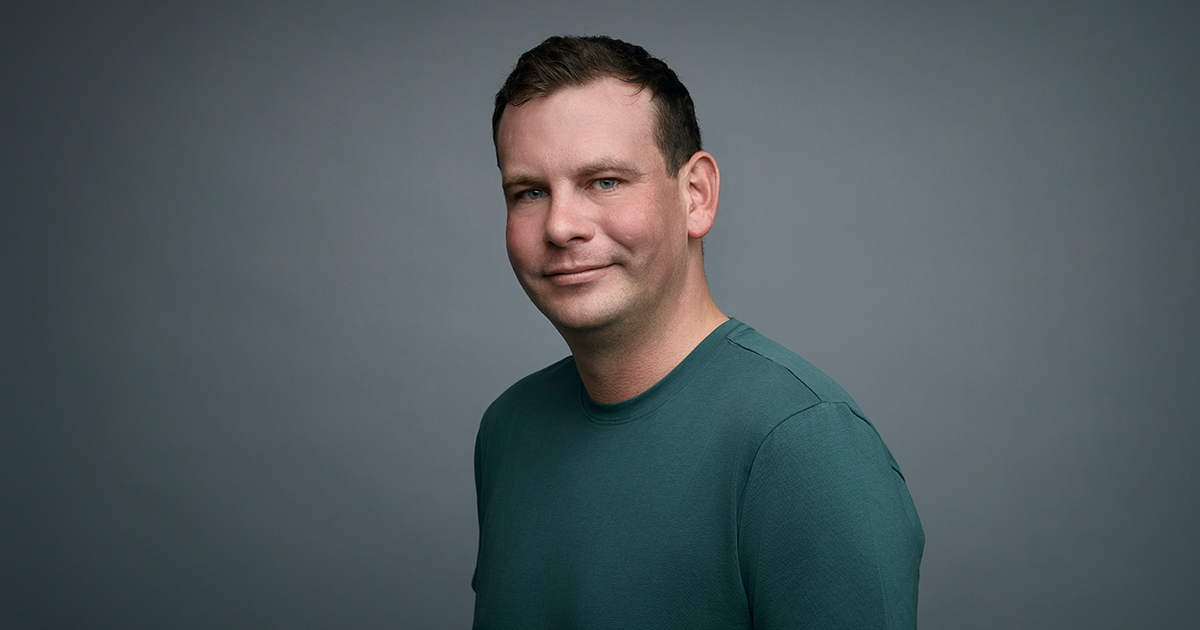
Logan Head Built the Door After Collectors Found the Window
The Whatnot co-founder did not begin with a grand theory of live commerce. He watched collectors bend the internet to their needs, built what they were already asking for, and kept the useful rough edges.
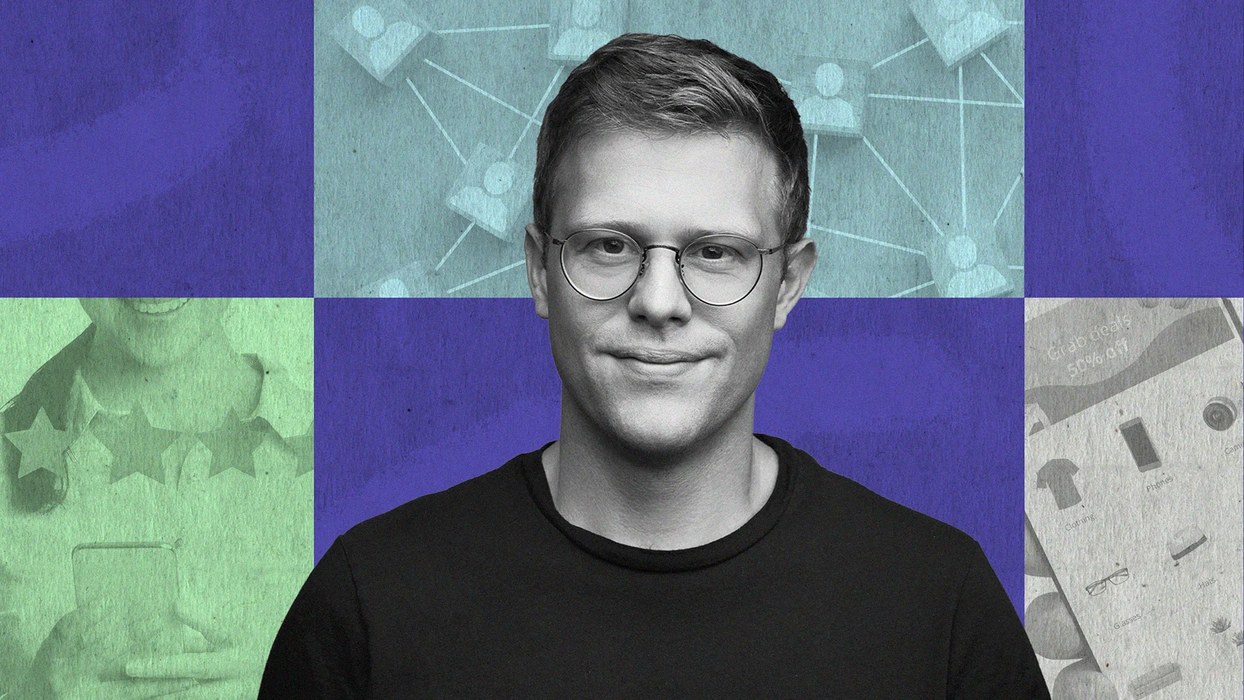
Grant LaFontaine Put the Card Shop Inside a Phone
He sold Pokémon cards as a kid, endured a hundred investor rejections, and found Whatnot’s future by going live with a roomful of Funko Pops. The bet was never merely on auctions. It was on making online shopping feel inhabited again.
Gene Miguel Put the Comic Shop in Your Pocket
He spent weekends behind convention tables, watched collectors wrestle with dated tools, and turned the nuisance into Shortboxed. Gene Miguel’s useful trick was treating fandom as product research.
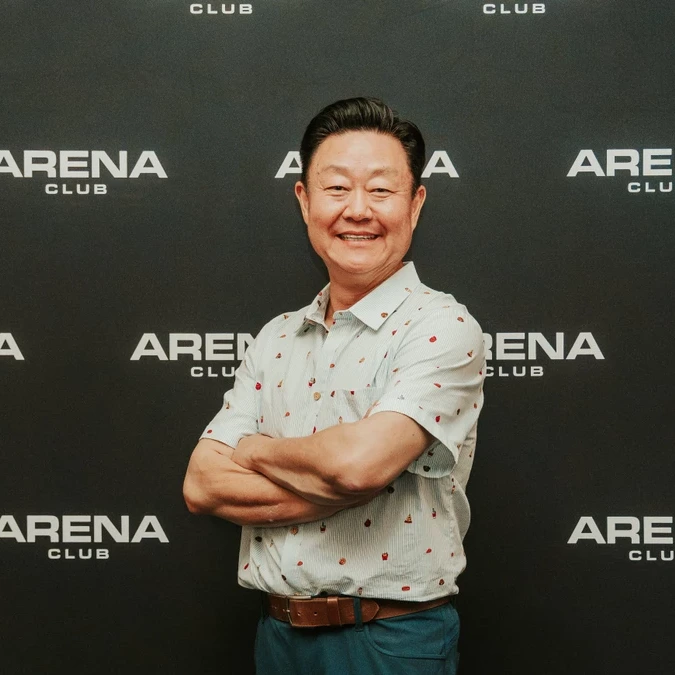
Brian Lee’s Real Product Is Trust
From legal forms to shoes, diapers and sports cards, the categories keep changing. Brian Lee’s durable obsession is making unfamiliar transactions feel safe enough to try.
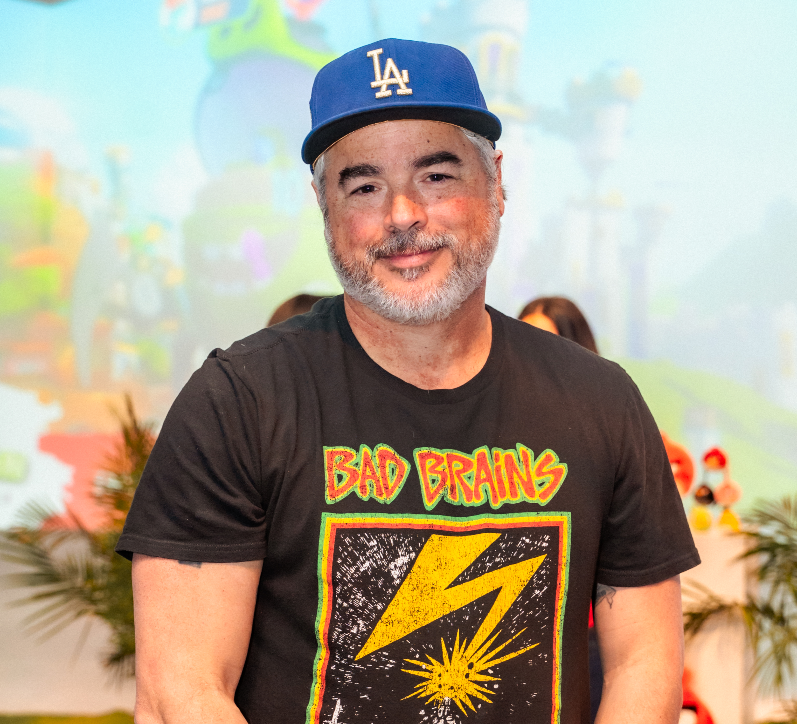
Jonathan Cathey Built a Toy Company Like a Punk Band
He started The Loyal Subjects with $500, a living room and a drummer's appetite for improvisation. Seventeen years later, Jonathan Cathey is still turning pop culture into objects people can play with - while making room for a second act on canvas.

Adam Fields
He left an art marketplace because nobody could figure out how to ship a painting. A decade later his software quietly runs the last mile for fine art, watches, and collectibles across 45 countries.