collaborative-robots
(6)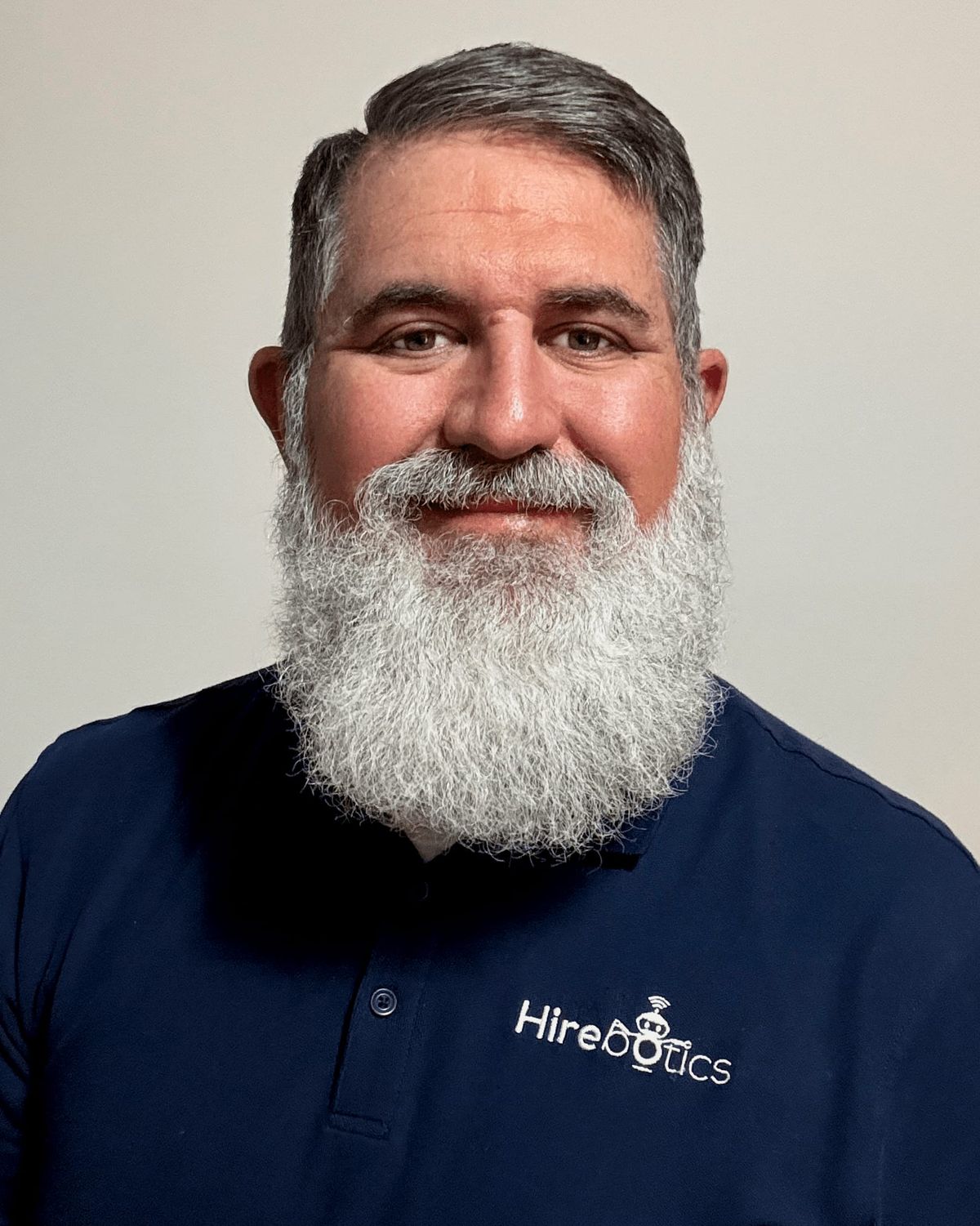
Matthew Bush Put the Robot in the Welder's Hands
A factory operator turned founder spent a decade removing code, complexity and ceremony from collaborative robots. Now, as Hirebotics' CEO, Matthew Bush is betting that the future of automation belongs to the people who already know the work.
Hirebotics Hid the Robot Code - and Put a $105,000 Welder on Wheels
The Nashville robotics company started by renting general-purpose cobots by the hour. A welding distributor, a stubborn programming bottleneck and one unusually useful app turned that experiment into a hardware-plus-software business for fabrication shops.
The 10-Minute Robot Changeover: Southie Autonomy Wants the Line Lead to Run the Machines
Factories do not only need smarter robots. They need robots that can survive Tuesday afternoon - when the SKU changes, the labor roster thins, and nobody has time to call an integrator.
Teradyne
Most people never see a Teradyne machine, yet its testers stand between ambitious chip designs and the devices we trust. Now the 66-year-old Massachusetts company is applying the same factory-floor discipline to AI hardware, advanced packaging and robots that work beside people.
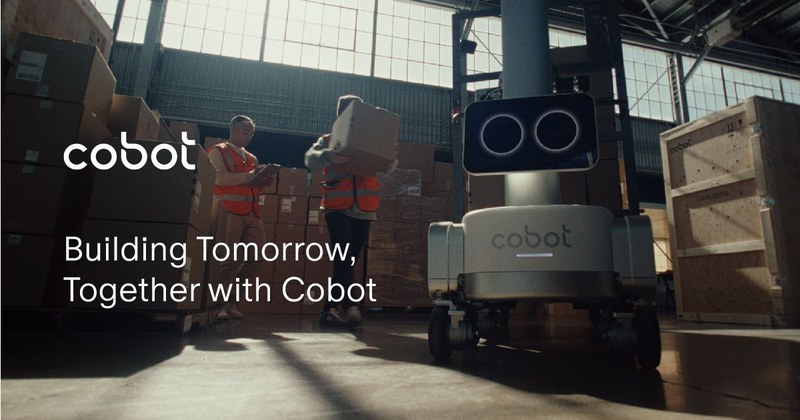
Cobot (Collaborative Robotics)
Cobot (legally Collaborative Robotics) is a Santa Clara-based robotics company founded in 2022 by former Amazon Robotics VP Brad Porter. The company builds practical, non-humanoid collaborative robots - led by its first product, Proxie - that work alongside humans in warehouses, hospitals, and factories. Backed by over $140M from Sequoia, General Catalyst, Khosla, Lux, and Mayo Clinic, Cobot's bet is that the future of work is human-robot teams, not humanoids.
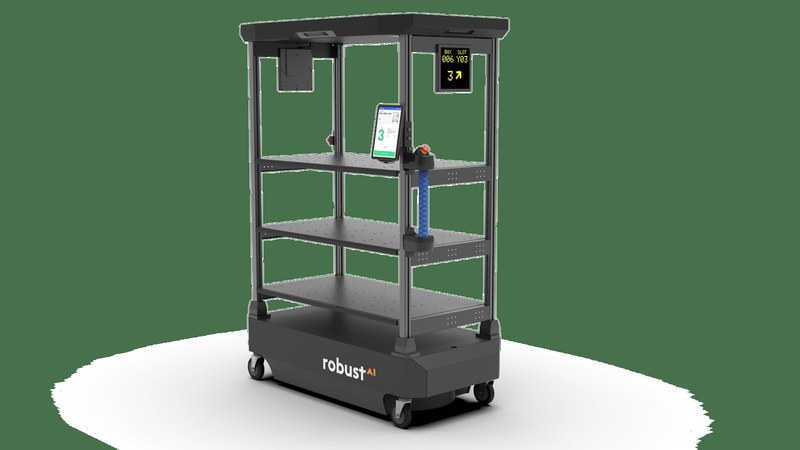
Robust.AI
Robust.AI builds collaborative mobile robots for warehouses and factories. Its flagship Carter robot pairs an AI-driven 'cognitive engine' with a force-sensitive handlebar so workers can grab it, push it, redirect it, and let it run autonomously the rest of the time. Founded in 2019 by a who's-who of robotics and AI - Rodney Brooks (iRobot, Rethink), Gary Marcus, Anthony Jules, Henrik Christensen, and Mohamed Amer - the company has raised about $42.5M and is rolling Carter into DHL Supply Chain sites across the Americas.