coda
(7)
Thibault Duchemin and the prize-winning idea he had to abandon
A glove won him a Berkeley startup competition. Listening to the people it was meant to help led him to Ava - and a career spent making room for more voices.

Jeremy Roche and the other half of the sale
Jeremy Roche built FinancialForce around a neglected part of the customer relationship: what happens after the deal is signed. His career connects British accounting software, a Salesforce bet, and the art of handing over a company you still care about.
Coda Started as a Doc. Then It Quietly Became Software.
The productivity tool once pitched as “a doc that could grow up” has grown into a workspace, an app builder and, now, Superhuman Docs. Its power is real. So is the homework.
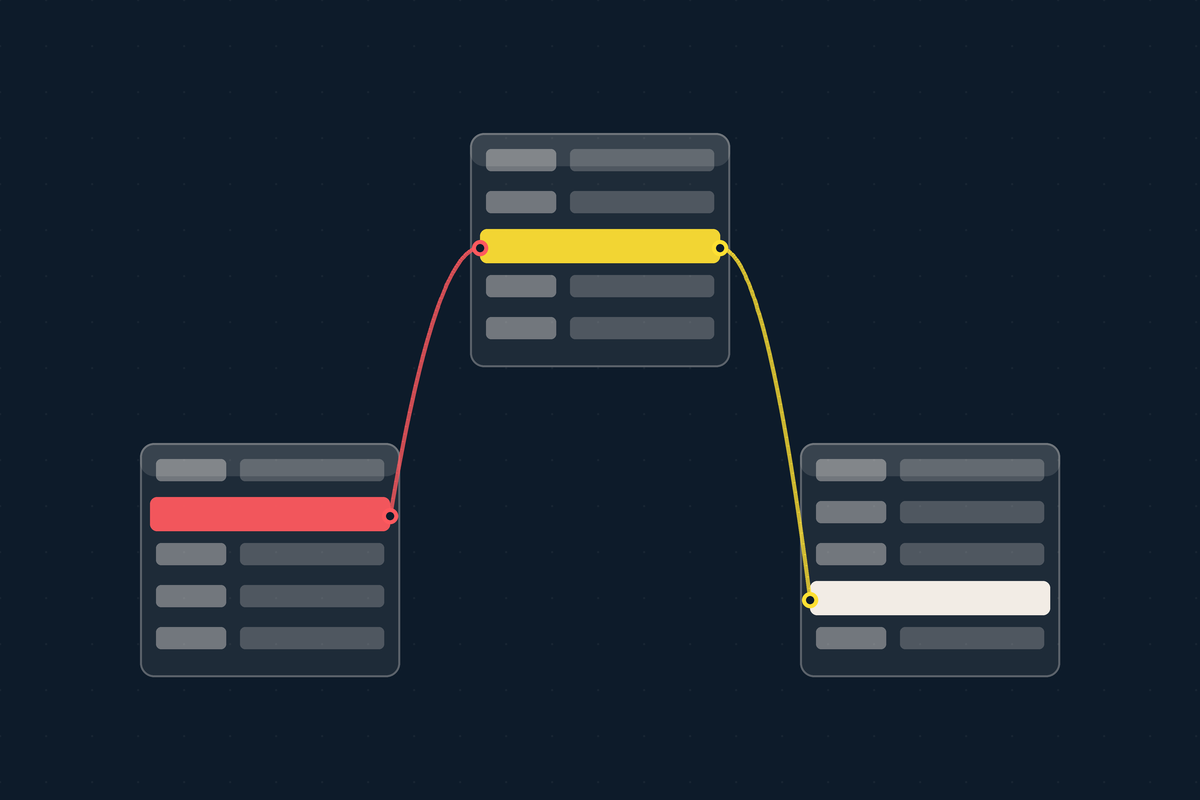
Your Spreadsheet Is Lying About Being A Database
Airtable, Coda and Smartsheet all look like grids. Only one of them actually links records the way a database does - and that difference decides what you can build.
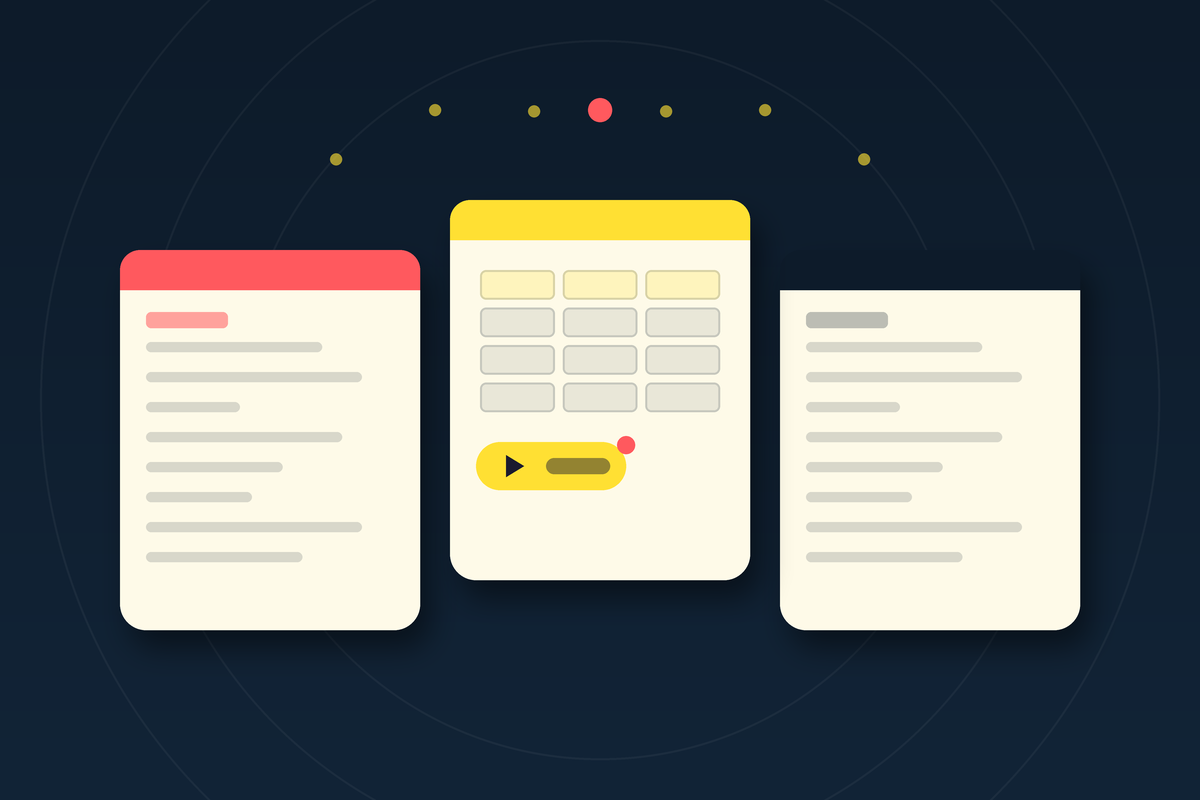
The Quiet War To Turn Your Documents Into Software
Coda, Notion, and Airtable all sell the same dream - one place to write, plan, and run your team. Look closer and they are three very different bets on what a document is even supposed to be.
Superhuman
Superhuman is a workplace AI company built from three well-known productivity brands. It began in 2014 as a fast, keyboard-driven email client founded by Rahul Vohra. In 2025 the app was acquired by Grammarly, and that October the combined company - which also owns the writing assistant Grammarly and the workspace tool Coda - renamed itself Superhuman and launched an AI assistant called Superhuman Go. The company, led by CEO Shishir Mehrotra, now positions Superhuman as a suite of AI agents that work across email, documents and writing to amplify how people get work done.

Shishir Mehrotra
Shishir Mehrotra is the CEO of Grammarly and co-founder of Coda, the all-in-one work OS that reinvented the document. A veteran of YouTube (as VP of Product, Engineering & UX), Microsoft, and MIT, he spent a decade rebuilding how teams work before Grammarly acquired Coda in December 2024, handing him the keys to a platform with 40 million daily active users. His intellectual fingerprints are all over Silicon Valley's obsession with meeting design, team rituals, and AI-native productivity.