cancer-care
(12)
The $90 Million Shortcut That Couldn’t Find a Payer
Driver built the whole road from a tumor sample to a treatment appointment. The missing piece was the one part no laboratory could manufacture: someone willing to pay.
Inside the Atlanta Startup Rewiring How Cancer Gets Decided
OncoLens turned the tumor board - medicine's oldest committee - into AI-backed software now running inside 225-plus cancer centers. It started with a daughter watching her father get conflicting advice.
Evolent
The company betting that the most expensive corner of American medicine - cancer, cardiology, and back surgery - can be run better when the people paying for care and the doctors delivering it are finally pulling in the same direction.
Siemens Healthineers
Its scanners see disease, its lab systems measure it, and its therapy platforms help treat it. Siemens Healthineers has quietly assembled one of healthcare's broadest portfolios - and a business model designed to remain in the hospital long after the machine arrives.
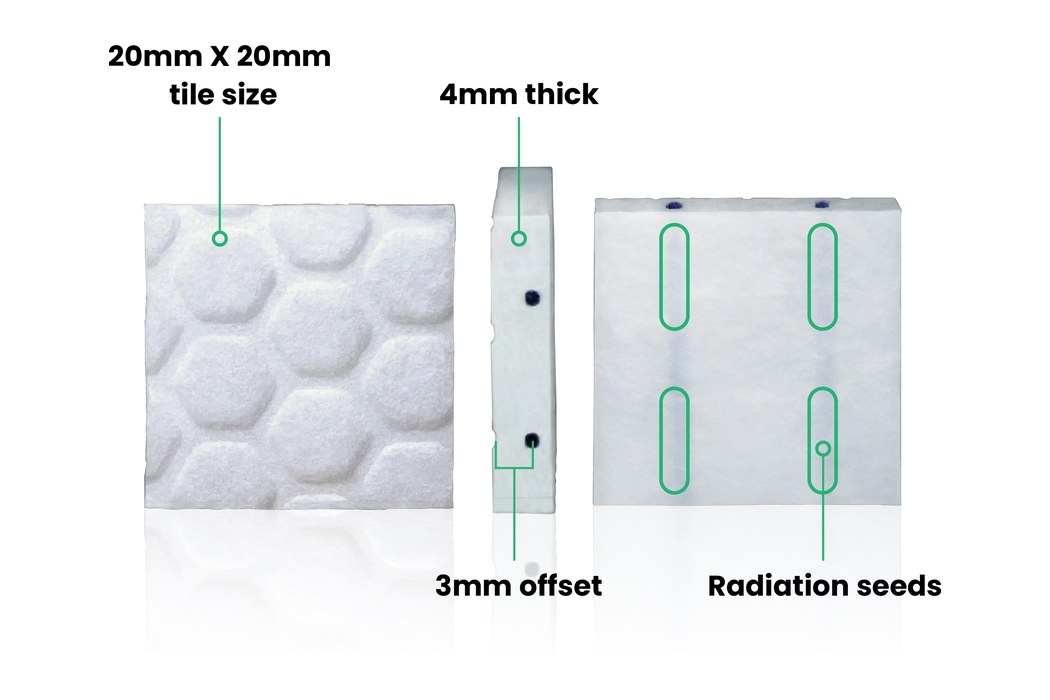
GT Medical Technologies, Inc.
GT Medical Technologies is a Tempe, Arizona medical device company that developed GammaTile, an FDA-cleared bioresorbable radiation therapy implant for operable brain tumors. Founded by brain tumor specialists from the Barrow Neurological Institute, the company places collagen tiles embedded with Cesium-131 seeds directly into the tumor cavity at the time of surgery, delivering immediate, targeted radiation while sparing healthy tissue. Backed by a $100M Series E led by Viking Global Investors, GT Medical has treated more than 2,000 patients and is pursuing randomized trials to establish GammaTile as a standard of care.
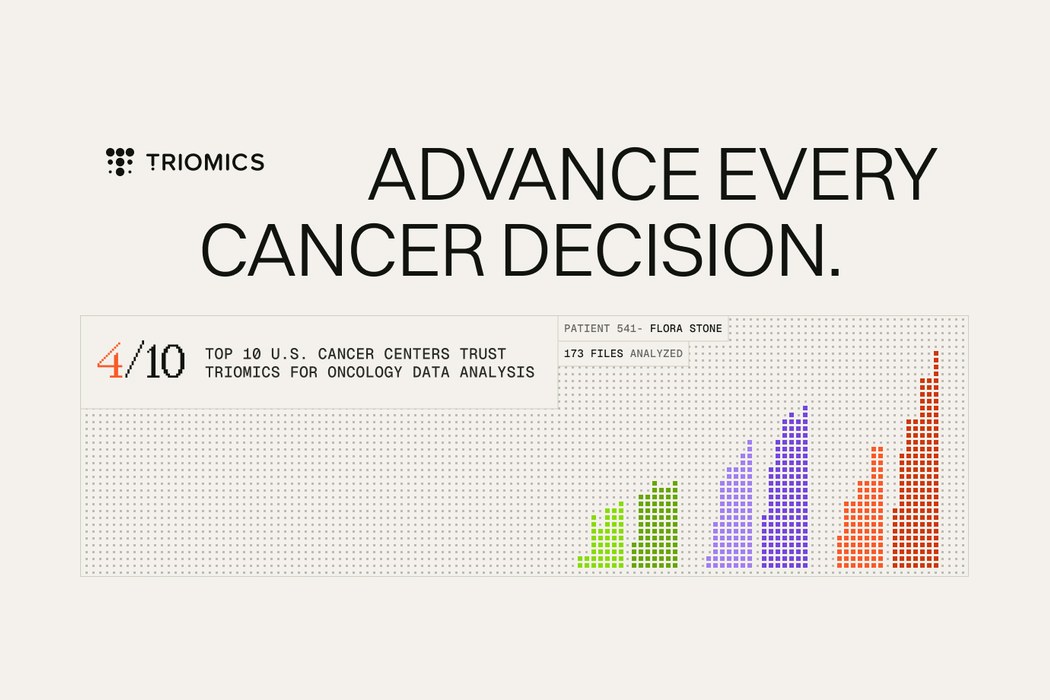
Triomics
Triomics builds oncology-specific AI infrastructure that turns messy, unstructured cancer patient records into structured, cited, actionable data. Its OncoLLM engine and workflow agents automate clinical trial matching, visit preparation, and cancer registry reporting for leading cancer centers, cutting manual chart review time while increasing trial enrollment. Founded in 2021 and headquartered in New York, the company is used by 4 of the top 10 U.S. cancer hospitals and raised a $22M Series B led by Battery Ventures in May 2026.

RISA Labs
RISA Labs is a Palo Alto healthtech company building an AI operating system for oncology. Its platform, BOSS (Business Operating System as a Service), decomposes the paperwork-heavy work of cancer care - prior authorization, benefits verification, eligibility checks, denial management - into micro-tasks handled by a network of AI agents, digital twins, and reinforcement learners that plug into EHRs and payer portals. Founded in 2024 by IIT Kanpur alumni Kshitij Jaggi and Kumar Shivang, RISA aims to cut the days-long administrative delays that keep cancer patients waiting for treatment.
Fidari
Fidari is a healthtech company building digital infrastructure for oncology navigation. Its software plugs into existing EHR systems via FHIR/HL7 to automate patient-navigation workflows, capture navigation billing revenue, and connect cancer patients to supportive and ancillary services through an integrated marketplace. Founded in 2023 and led by second-time healthcare founder Othman Ouenes, Fidari pairs AI-driven triage with human navigators to support patients from diagnosis through survivorship, while generating research-ready real-world data for life-sciences partners.

AccessHope
AccessHope is a Duarte, California-based health benefits company, founded as a wholly owned subsidiary of City of Hope, that remotely delivers leading cancer expertise from National Cancer Institute (NCI)-designated Comprehensive Cancer Centers to employers and their covered employees. Rather than asking patients to switch doctors or travel, AccessHope connects local treating oncologists with subspecialists from elite centers, providing peer-to-peer case reviews and evidence-based treatment recommendations so patients can get the best cancer knowledge anywhere - without leaving home.
Daymark Health
Daymark Health is a Philadelphia-based, tech-enabled cancer care company that delivers in-home and virtual supportive care to patients during the long stretches between oncology appointments. Working alongside patients' existing oncologists and partnering with health plans under value-based arrangements, Daymark combines a multidisciplinary care team - nurse practitioners, nurses, licensed clinical social workers, and health navigators - with a technology platform to provide 24/7 support, symptom and side-effect management, mental health care, care navigation, and help with practical barriers like transportation and finances.
El Camino Health
El Camino Health is a not-for-profit healthcare system that has served Silicon Valley and the South Bay for more than 60 years. Born from a 1950s community vote and a tax that residents levied on themselves, it runs two acute care hospitals in Mountain View and Los Gatos plus roughly two dozen care locations across Santa Clara County. With 471 beds, about 4,480 employees and 1,585 physicians, it blends a community-rooted mission with the technology-forward instincts of the valley it sits in.
Carrum Health
Carrum Health is a value-based healthcare marketplace that connects self-insured employers directly to top regional providers through bundled, upfront payments for surgery, cancer care, and other planned procedures. Founded in 2014, it pairs Centers of Excellence with a guided patient app to deliver transparent pricing and better outcomes.