boston-founder
(16)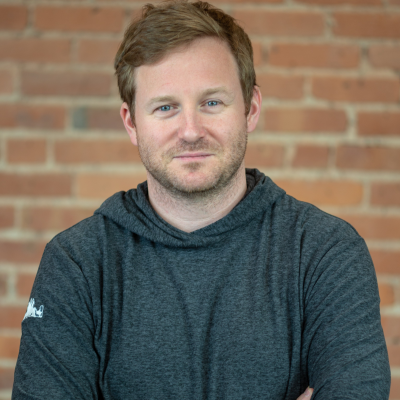
Patrick Petitti Put the Consulting Pyramid on Trial
A $50 class-project job, one cold email to Mark Cuban, and a stubborn objection to windowless conference rooms became Catalant. Now its Boston-born CEO is betting that seasoned operators, paired with AI engineers, can rewrite consulting again.
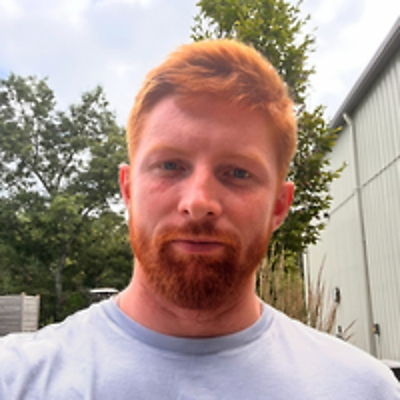
Dan Barrett Is Teaching AI Agents to Read the Brief
The OpenProse founder thinks the next useful leap in AI is less about another chat window and more about a durable job description. His wager: write down what should remain true, then let the machine mind the gap.

Guillaume Luccisano Has Built Three YC Startups. The Third Began by Accident.
From Justin.tv to Socialcam, Triplebyte and now Yuma AI, Guillaume Luccisano has spent two decades following one instinct: build the working thing early, then let real demand make the argument.
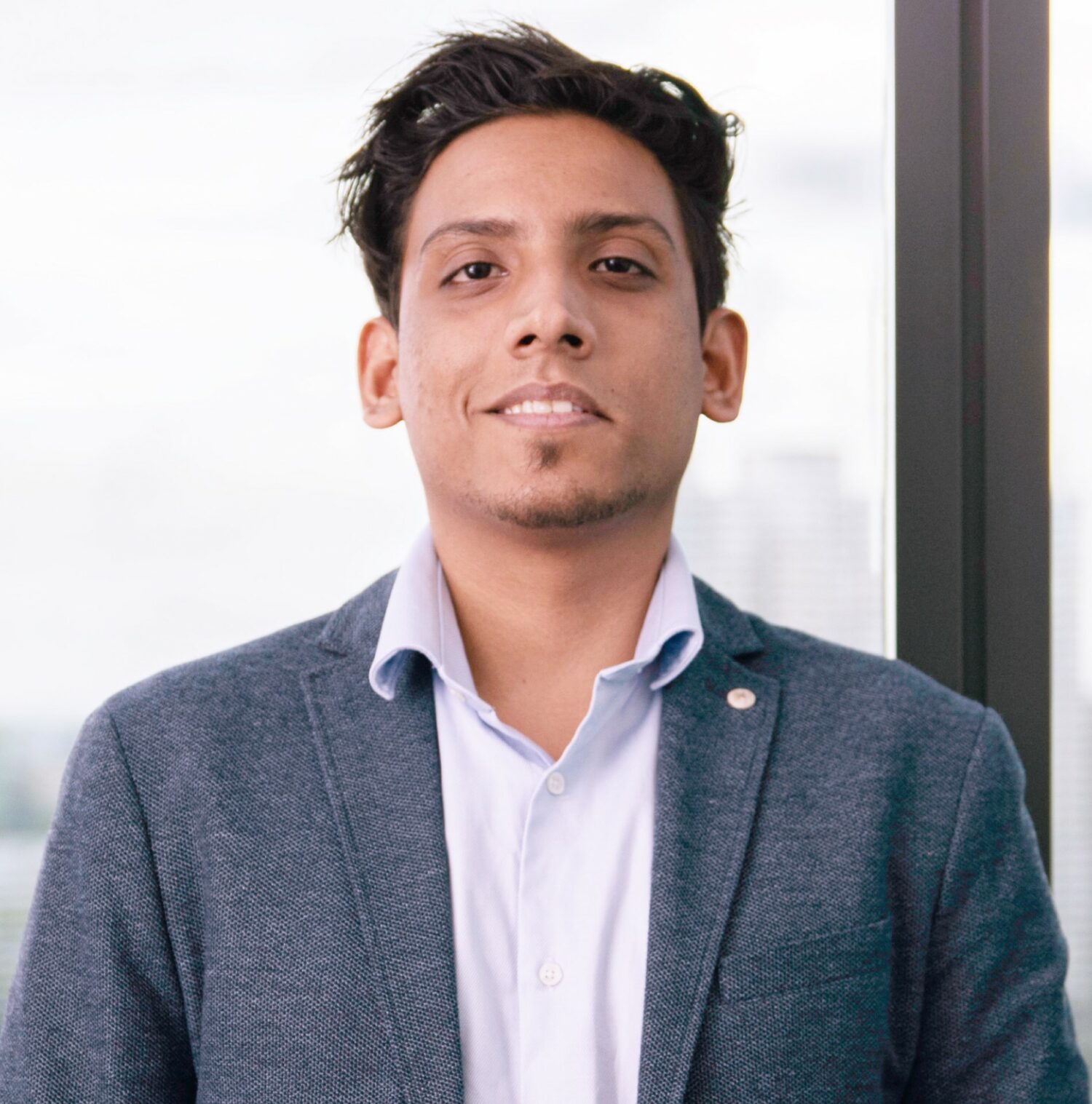
Aniket Rajput Is Building for the Months Between Appointments
A robotics researcher left the lab to redesign the quiet stretch between clinic visits. His operating idea is simple: care should continue after everyone goes home.
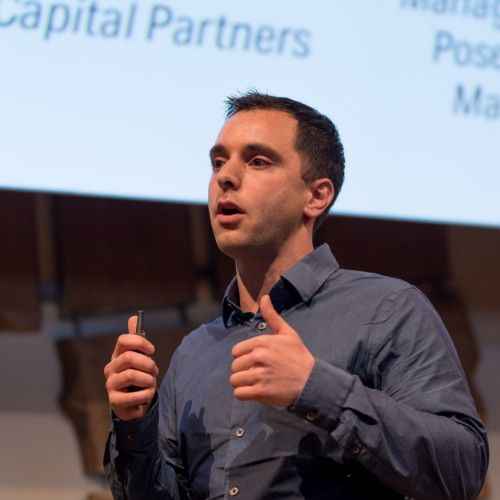
Blaine Hatab Built the Ledger Behind Legal Cannabis
He started with a $30,000 check and a narrow sales tool. Then customers pulled Distru into the far messier business of making cannabis inventory, orders, and compliance agree.
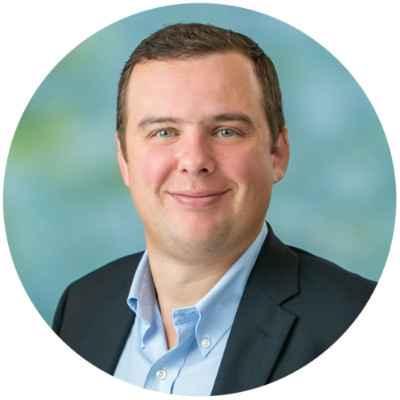
Bill Ward Spent a Decade Making Private Capital Less Allergic to Good Software
He saw venture firms backing the future while reporting to investors with PDFs and email. Ark was his practical answer - software built around the people who actually run the funds.
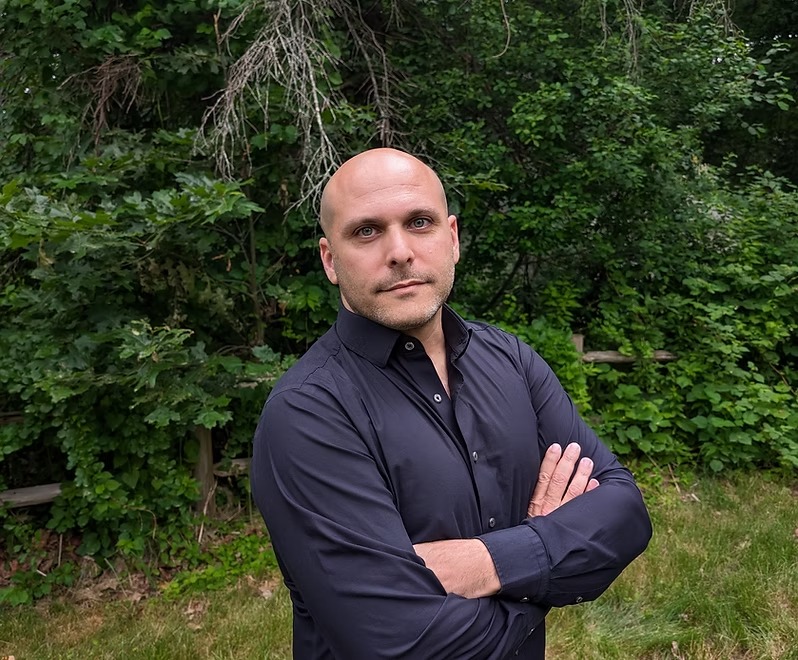
Roi Carmel Wants the CRM to Stop Asking Salespeople for Homework
The Spotlight.ai founder is turning two decades of enterprise software experience into a quieter kind of sales automation - one that listens for evidence, exposes risk and gives the human back the room.
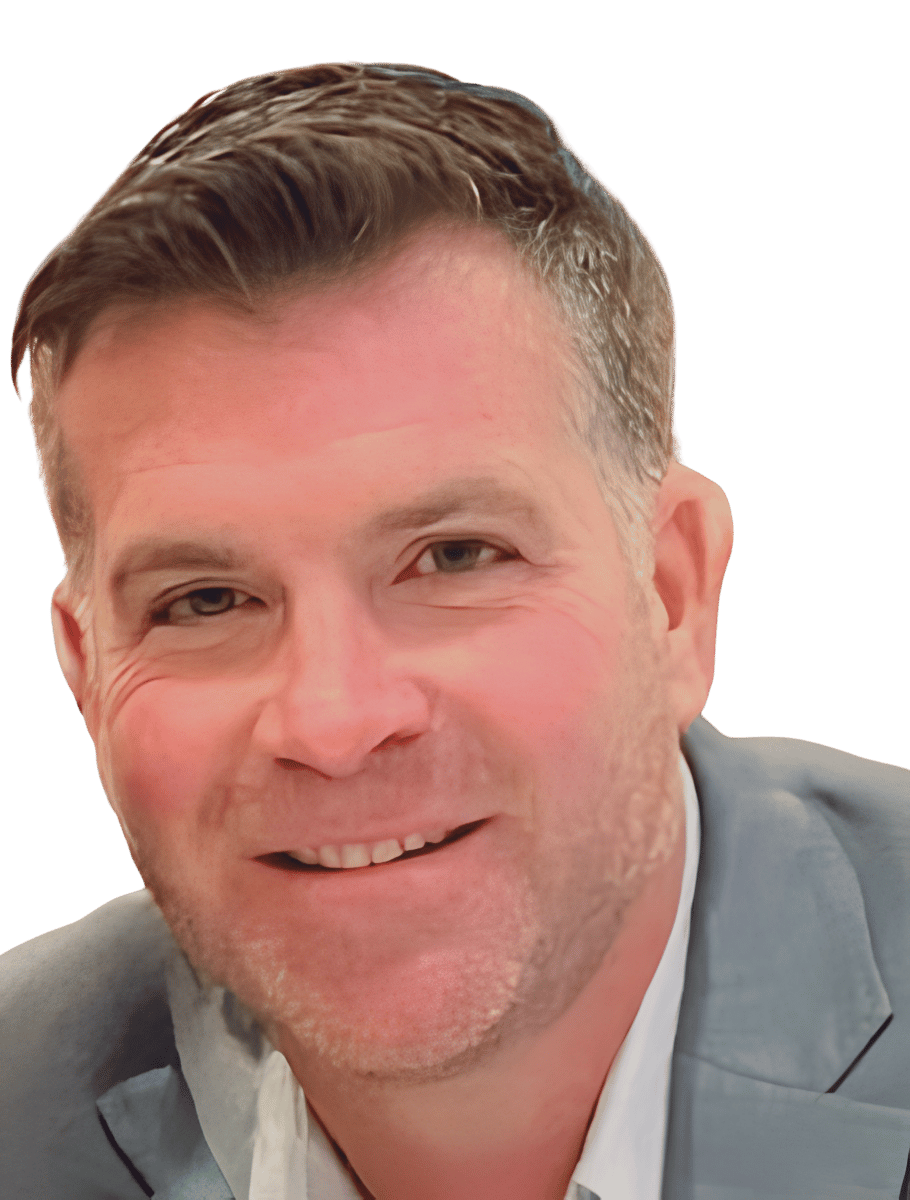
Marc Laplante Keeps Rebuilding the Map of Buyer Intent
After 13 years in technology media, a predictive-analytics exit, and a return to the CEO seat, Marc Laplante is still chasing the same useful question: what are business buyers trying to do next?
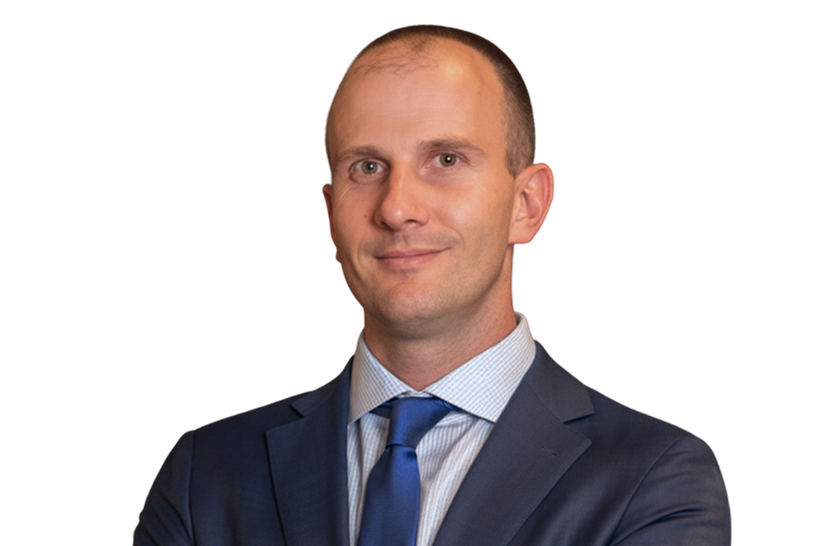
Nicholas Myers Put $7,000 Into a Backyard Experiment. Now He Is Building America’s Rare-Earth Middle.
A physics graduate with no mining résumé helped turn a backyard reactor into a rare-earth business. His wager is that America’s missing industrial link can be rebuilt with cleaner chemistry, patient capital, and a team willing to learn in public.
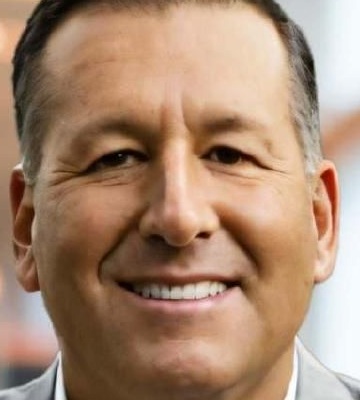
Guy Daniello Built a Consulting Firm Like a Cycling Team
His firm sells cloud systems, but his real product is momentum: small tests, shared responsibility and a team designed to move farther together.
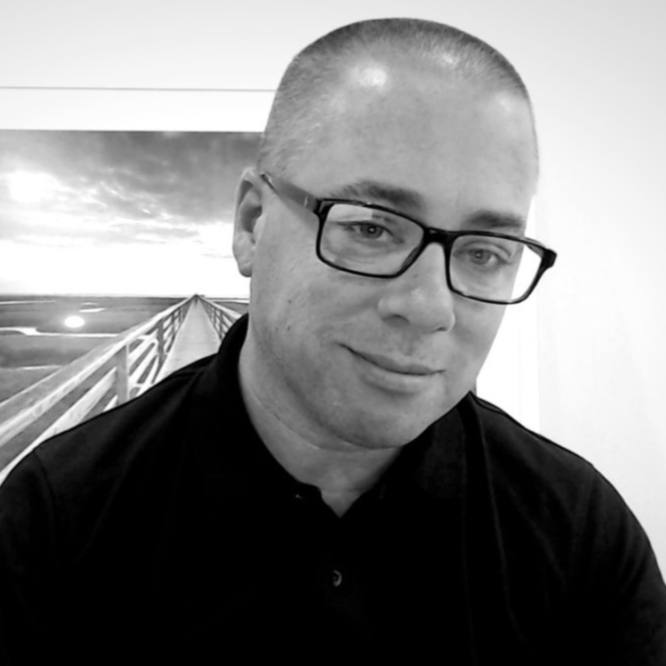
Joe Gaska Keeps Building Companies Around the Past
The Cape Cod native sold one software company, built another, and made a career from a stubborn idea: the future is easier to read when you keep the past.

Rich Enos Built StudyPoint From Two Blue Ticks to 50,000 Families
He once needed help with eighth-grade algebra. Then he tutored StudyPoint’s first student, turned a whiteboard tally into a national operation, and spent 27 years testing what personal education looks like at scale.
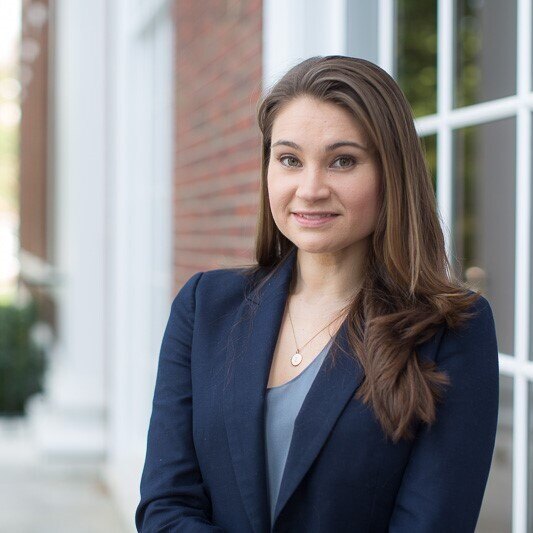
Alex Zimmerman Is Making Brain Chemistry Legible
An engineer met a spectroscopy scientist in a hospital brainstorm. A decade later, their software is turning unruly signals into something clinicians and researchers can read.
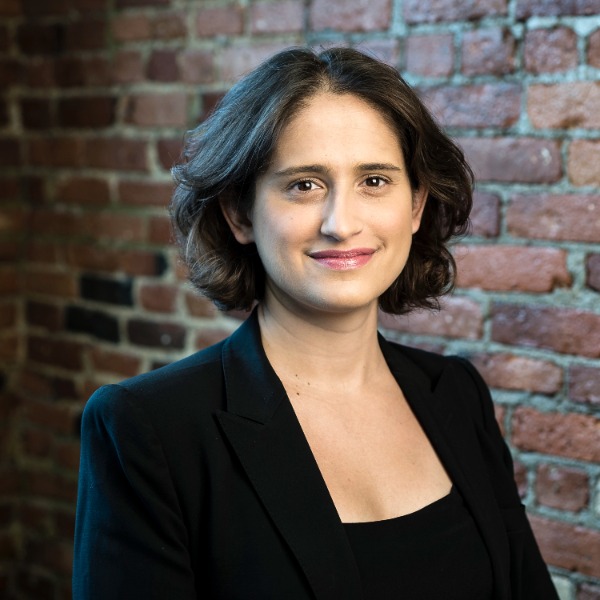
Robin Liss Spent Her First Act Judging Gadgets. Then She Built One.
She taught herself HTML in middle school, sold a product-testing network to USA Today, and came back for a harder assignment: putting dinner on autopilot without taking the pleasure out of eating.
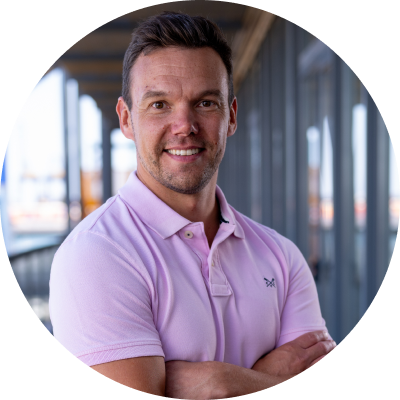
Matt Wilson Put Clinical Research on Autopilot
A 14-hour emergency shift and a six-week military camp exposed the same problem: clinicians had no spare time for research. Matt Wilson built uMed to make the machinery run in the background.
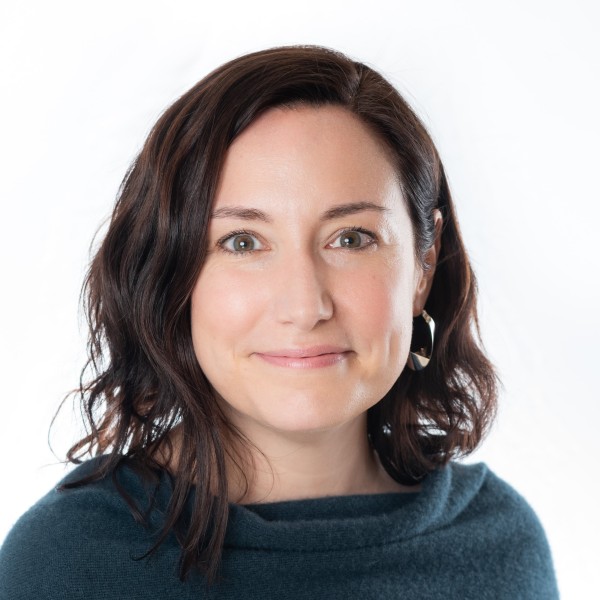
Amy Spurling
After three tours as a CFO, Amy Spurling stopped treating employee perks as a shopping list. Compt is her attempt to turn a stubborn budget line into a system built on choice, evidence, and trust.