bootstrapped-founder
(8)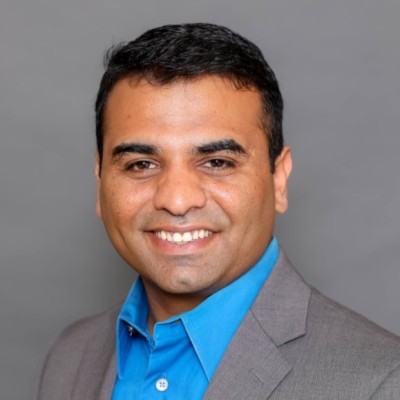
Ankit Kumar Shah and the Business That Outlived Its First Plan
A year after founding InterSources, Ankit Kumar Shah lost his largest client. His path from warehouse analytics to cybersecurity has kept returning to the same question: what makes a business dependable when conditions change?

Christopher Padfield and the price of getting back to the product
Deskpro began in an Oxford university room. More than two decades later, Christopher Padfield brought in $25 million and handed over the CEO role to make more room for the work that started it all.

Landon Taylor and the Expensive Art of Saying No
He built three companies by following the flaw each business revealed in the last. The harder trick was deciding what could never be for sale.

Karan Yaramada Chose the Long Game - Then Built for Every Next Wave
He left consulting in 2003, worked without a paycheck, and built Jade Global past $100 million without outside funding. His real product was never a technology stack. It was staying useful while the stack kept changing.

Benny Czarny Built a Cybersecurity Company Around One Annoying Question
He began by translating the unruly dialects of antivirus software. Twenty-four years later, Benny Czarny is still asking an unfashionable question: why let a suspicious file in at all?

Mae Karwowski Built the Machine Behind the Feed
Before creator marketing had a playbook, Mae Karwowski built one from relationships, software and a stubborn belief that small voices could add up to real scale. A decade later, the company she started in an apartment sits inside WPP - and she is still asking what the industry has missed.
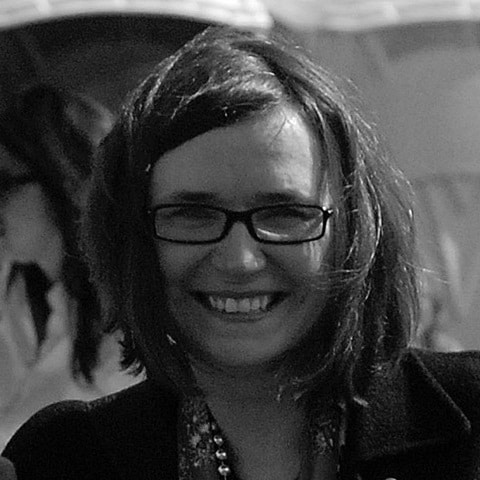
The Lawyer Who Built a 10,000-Person Company Inside a Virtual Bar
Amy Pritchard traded courtrooms for comment sections and built ModSquad - a 10,000-Mod, 90-country moderation network - without raising a cent. She has been running a fully remote company since 2007, a decade before the rest of us learned the word.

Thomas Isakovich
Thomas Isakovich is the founder and CEO of Nimbus Data, the flash-storage company behind the ExaDrive DC100 - the 100-terabyte solid state drive that, years after its 2018 debut, still has no equal in capacity. He built and sold his first storage system as a teenager, launched TrueSAN Networks from his Stanford dorm room, watched it collapse in the dot-com bust at age 26, then started over with Nimbus Data and self-funded more than 90% of its growth into a profitable global business spanning 200 customers in 12 countries. He is a rare bird in Silicon Valley: a hardware founder who turned down the venture-capital playbook, kept the company his own, and went back to finish his Stanford degree purely because he missed thinking.