applied-ai
(17)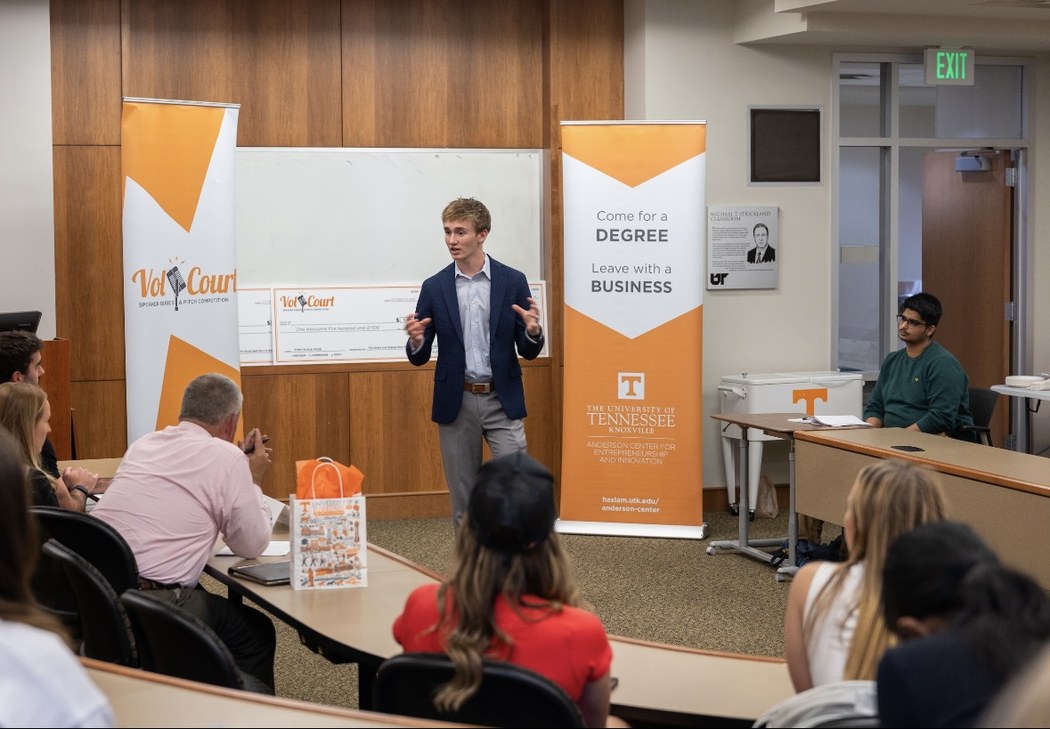
Max Gallinek Keeps Building Until the Alarm Rings
A college founder turned a fast-food shortcut into a product, and a lifelong fascination with water into his next experiment. The interesting part is not the variety of ideas. It is how readily he lets the weaker ones go.
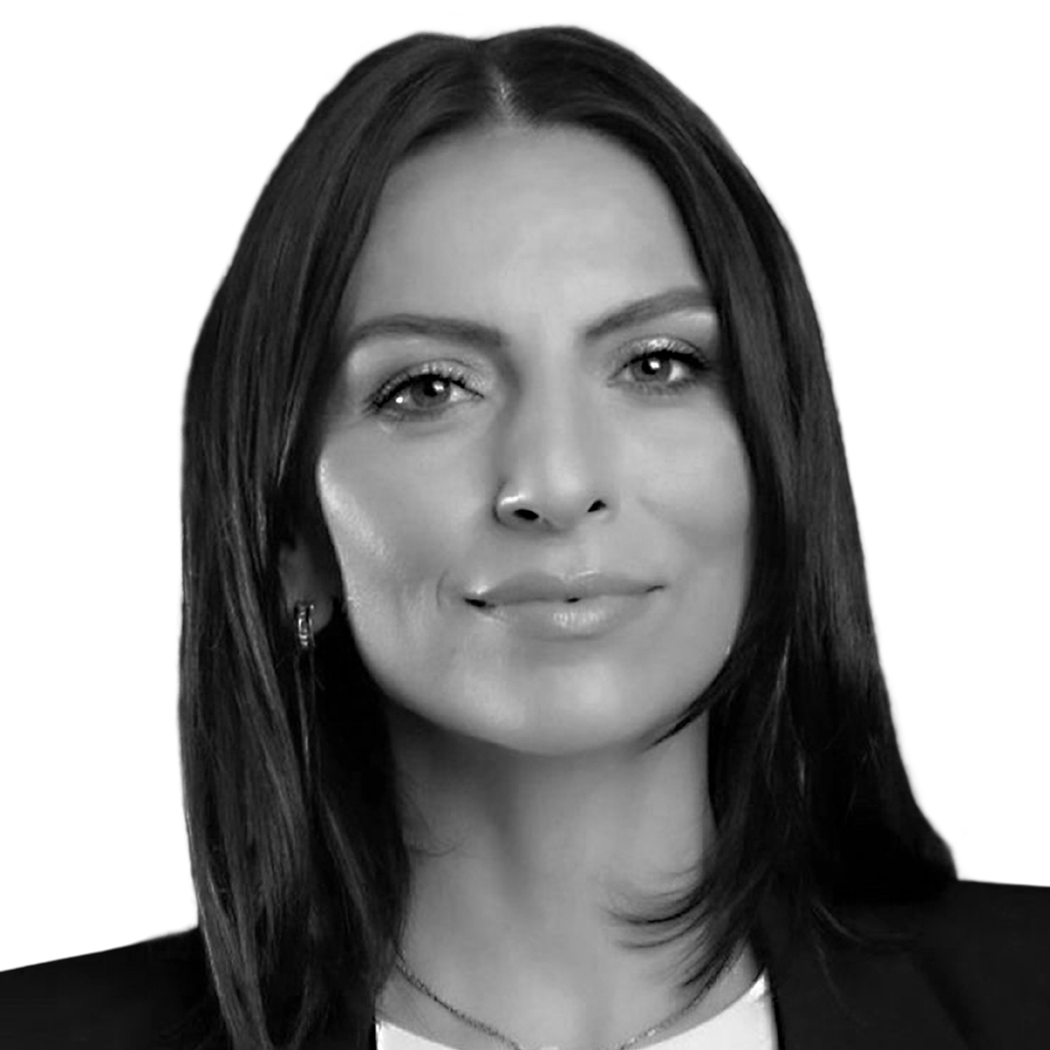
Bianca Anghelina and the Business of Seeing Sooner
She learned to read a company through its numbers, then built a company to make those numbers answer back. The Aily Labs founder is betting that the next executive advantage is not more data, but less delay.

Fred Havemeyer and the Long Walk Out of Finance
He spent a decade judging software from the analyst's chair. Then a cold message, a Midtown walk and a two-person demo persuaded him to cross the table - and learn to build again.

Douglas Gourlay and the Seventy-Percent Decision
The former infantry officer and networking inventor now runs a data company by one compact rule: prepare hard, decide before certainty arrives, and own what happens next.

Tibor Vass Wants AI to Do the Busywork - and Leave Judgment to People
The Eccentex CMO began with databases, networks and systems. Now he sells a more human idea of automation: let machines handle repetition, while people keep the decisions that matter.
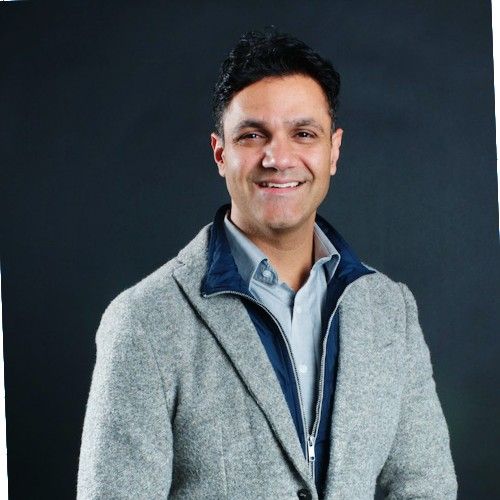
Ashish Kataria Wants You to Watch the Work Before You Buy the Software
At Epik Solutions, the founder and CEO starts transformation with a stubbornly analog move: watch how people actually work. His playbook favors workflow maps, measured adoption and patient growth over fashionable software decisions.

Akshay Budhkar Is Giving AI a Job, Not Another Prompt
The Spine AI co-founder spent years moving research into real companies. Now he is betting that useful AI needs plans, handoffs and review as much as it needs a clever model.

Anirudh Pupneja Is Teaching AI to Leave the Chat Window
The Redapto co-founder has followed one stubborn question from a Hindi-language research lab to Coinbase and Y Combinator: how do you make intelligent software useful when the consequences are real?
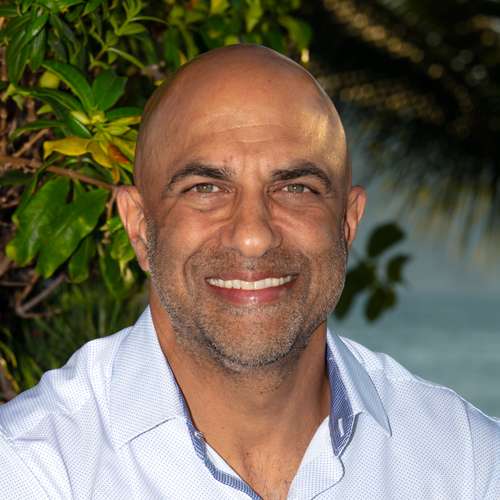
Kamal Shah Is Teaching Jobsite Photos to Speak Up Before the Truck Leaves
For three decades, the Oakland engineer has chased a stubborn problem: the gap between work completed in the field and proof that reaches the office. SiteCaptureAI is his latest attempt to close it while crews are still on site.

Mahe Bayireddi Built a Hiring Company Around a Promise His Father Repeated 6,000 Times
The Phenom co-founder turned a childhood refrain into an enterprise software company. His next test is making AI useful at work without letting it forget the people doing it.
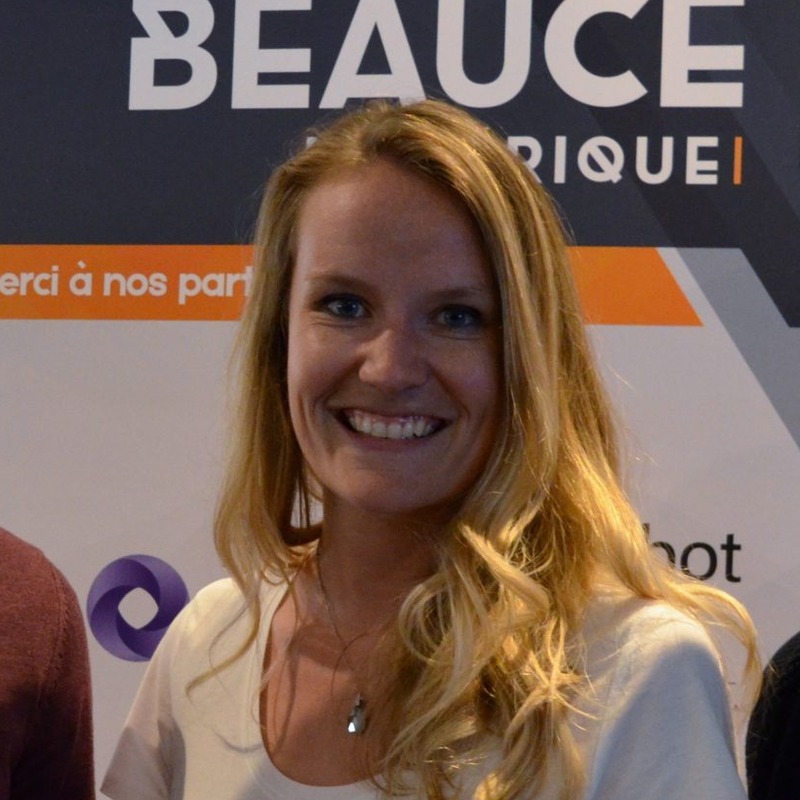
Annie O'Farrell Is Translating AI Into a Language Business Can Use
At Vooban, Annie O'Farrell has spent years turning a difficult technology story into a practical business conversation - one market, one room and one useful example at a time.
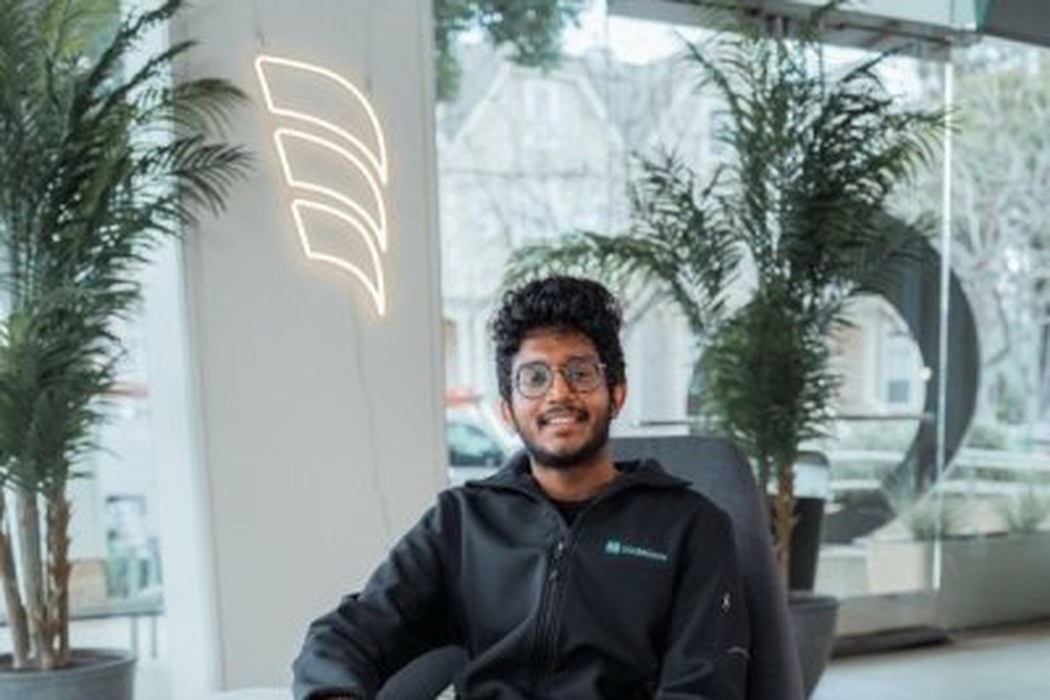
Aakash Mahalingam
Aakash Mahalingam is the cofounder and CEO of Canary (YC W26), a startup building an AI QA engineer that reads your source code to catch broken user flows before they hit production. Before Canary he built Windsurf's enterprise product and helped push its self-serve plan to roughly $20M ARR in six months. An ICPC APAC finalist with earlier stints at AWS and Morgan Stanley, he now works out of Mountain View on the problem of testing keeping pace with AI-accelerated coding.

Hirsh Jain
Hirsh Jain is the co-founder and CEO of Percepta, a General Catalyst Transformation Company that embeds AI engineers, researchers, and product managers directly inside large enterprises to move them past pilots and into AI-native operations. He spent seven years at Palantir Technologies as a senior vice president leading its healthcare and civilian-government business, and previously worked at Google, Jane Street, and the U.S. Department of Defense. A Harvard computer-science and mathematics graduate and published machine-learning author, he launched Percepta in 2025 with General Catalyst CEO Hemant Taneja and a founding team drawn from Palantir, MIT, Meta FAIR, Google, and Citadel. Shortly after launch, Palantir sued him and other former employees, putting the New York startup at the center of one of the year's most-watched AI talent fights.
David Cheng
David Cheng is a General Partner at Costanoa Ventures, an early-stage venture capital firm in Palo Alto focused on data, AI infrastructure, cybersecurity, and fintech. With over a decade of investing experience - including nine years at DCM Ventures, where he became the youngest VP in the firm's 30-year history - Cheng has backed breakout companies including EvenUp (now valued at $2B+) and Brigit (acquired for up to $460M). A Forbes 30 Under 30 honoree and Wharton graduate, he is also co-founder of Coreline Ventures and publishes the 'Earned Intuition' newsletter on Substack, sharing lessons from a decade of early-stage investing.

John Cowgill
John Cowgill is a General Partner at Costanoa Ventures, a Palo Alto-based early-stage venture firm with over $2 billion in assets under management. Promoted to GP in September 2024, he has spent nearly a decade building the firm's cybersecurity and space practices, backing category-defining companies like AppOmni, Cyberhaven, Muon Space, and Kepler Communications. A Northwestern University alumnus and former McKinsey consultant who describes himself as a 'wayward Kentuckian and theater school dropout,' Cowgill invests in Seed and Series A startups across applied AI, AI infrastructure, cybersecurity, space, and B2B fintech—leading with a founder-first philosophy anchored in conviction, humility, and grit.
Josh Coyne
Josh Coyne is a Partner at Kleiner Perkins, one of Silicon Valley's most storied venture capital firms, where he has backed category-defining companies including Figma, Rippling, Loom, UiPath, and Synthesia since joining in 2017. A summa cum laude Boston College graduate in Computer Science and Finance, Coyne cut his teeth at Qatalyst Partners advising on multi-billion dollar tech M&A before pivoting to backing founders himself. He focuses on enterprise software, applied AI, fintech, and data infrastructure - and co-hosts Kleiner Perkins' Grit podcast, where he probes founders on product-market fit and go-to-market strategy. Originally from Cleveland, fluent in French, and apparently devoted to Chick-fil-A.
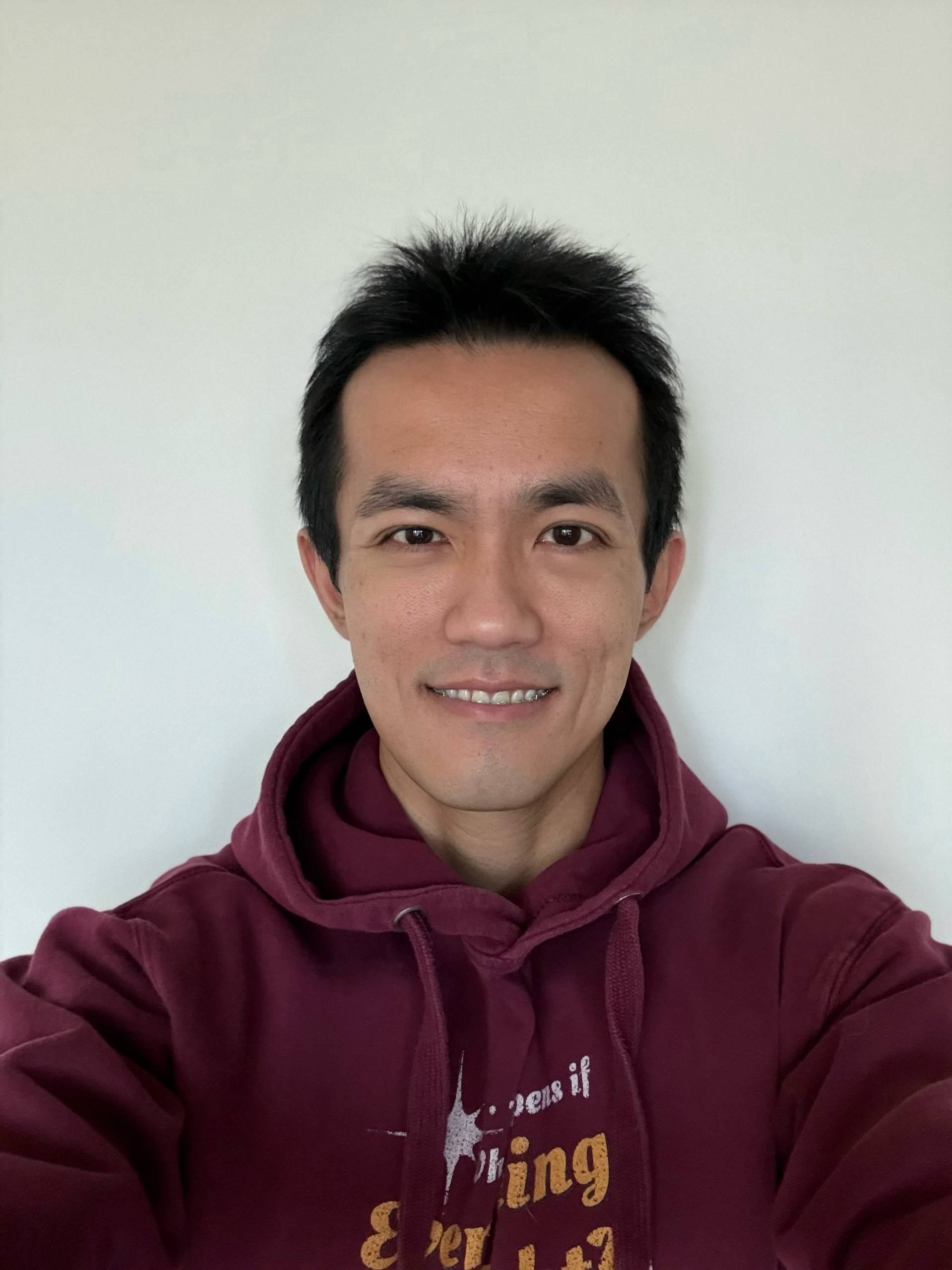
Eugene Yan
Eugene Yan is a Principal Applied Scientist turned Member of Technical Staff at Anthropic, where he bridges cutting-edge AI research with production-scale systems. Formerly at Amazon for five years building real-time recommendation and LLM-powered systems for Kindle and Search, Eugene is equally well-known for his prolific writing: 209 blog posts, 420,000+ words published, and a newsletter with over 11,800 subscribers. His open-source repository applied-ml on GitHub has become a canonical reference for teams shipping machine learning in production. He lives in Seattle, snowboards on weekends, and writes like someone who actually wants you to understand.