ai-workflows
(15)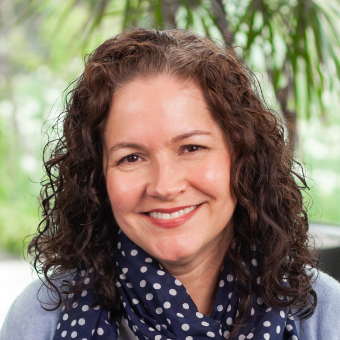
Christine Royston Is Rewiring Marketing, One Broken Workflow at a Time
She began by selling financial software to Wall Street. Two decades and two IPOs later, Wrike's CMO is making a quieter bet: fix the way people work before asking AI to make it faster.
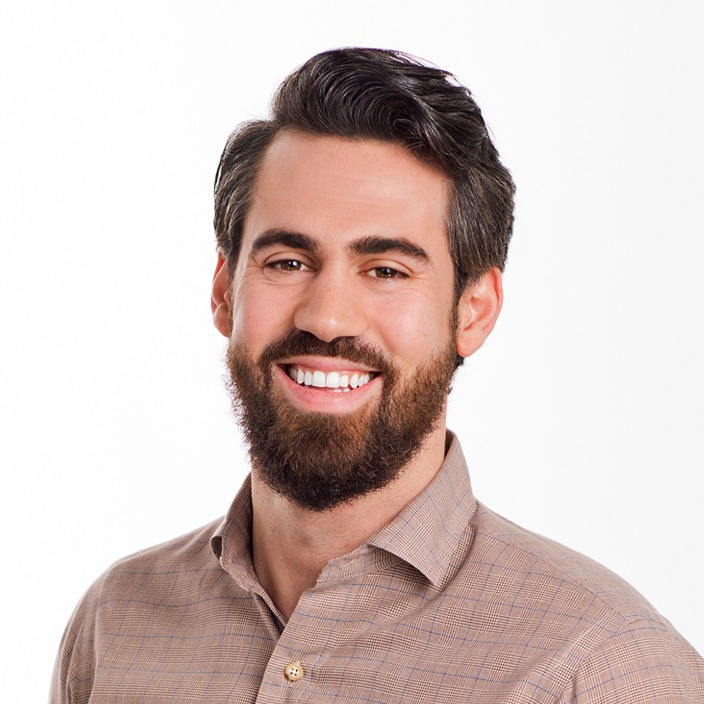
Jon Borgese Is Turning the Marketing Department Into a Product Lab
After climbing the conventional marketing ladder, CB Insights CMO Jon Borgese is asking a less conventional question: what if the marketing team built the system that sales actually needed?
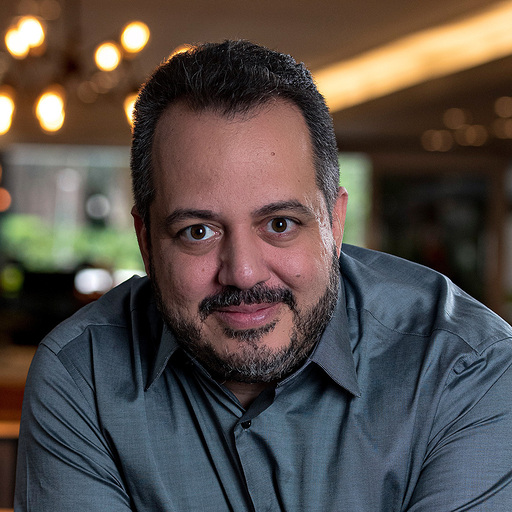
Luciano Kalil Still Opens the Dashboard Himself
Before AI agents became a boardroom obsession, Luciano Kalil had already spent decades turning messy human work into products. At Pipefy, the former programmer, repeat founder and community-marketing author has one governing habit: open the tool and look.
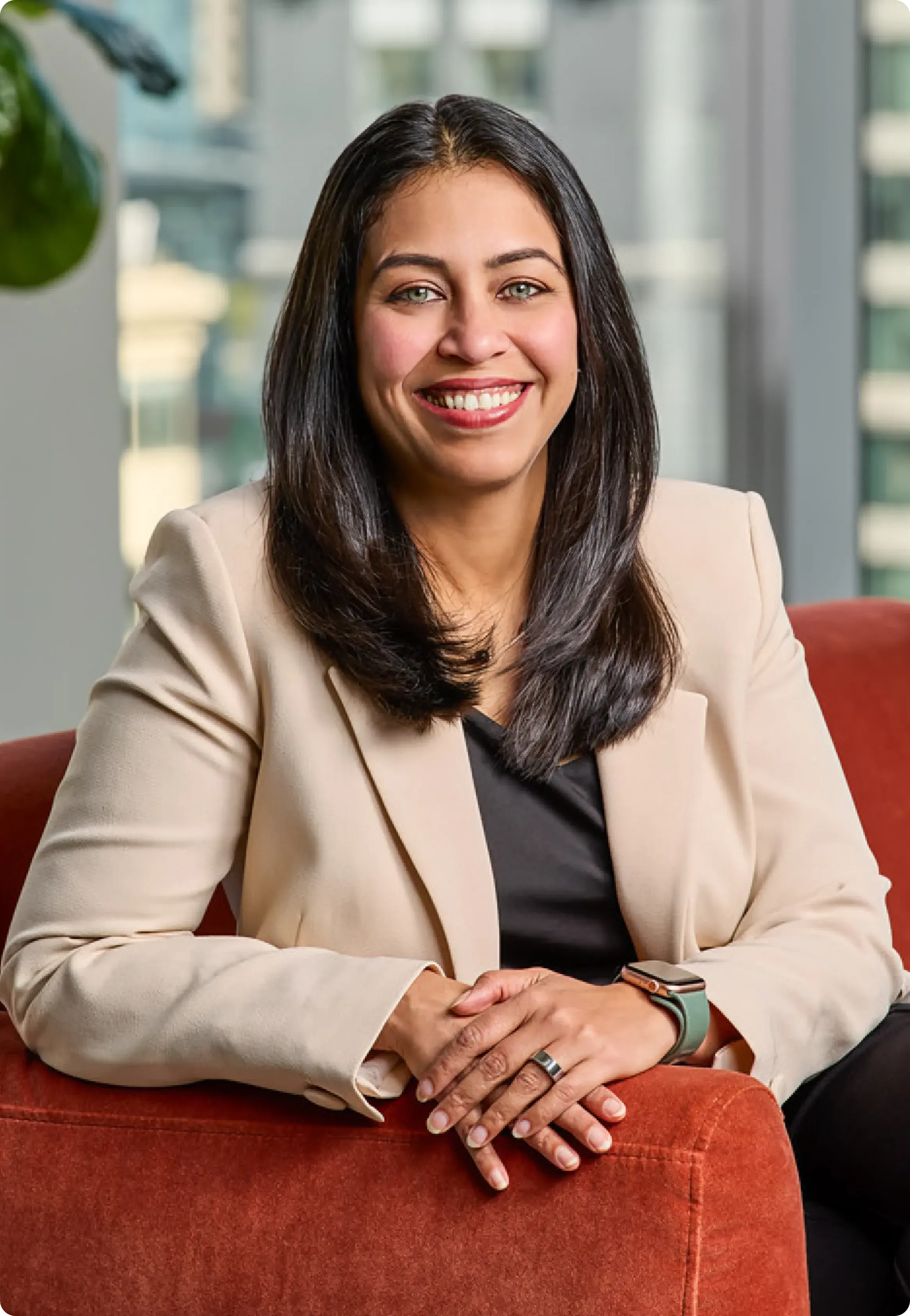
Prachi Gore Is Building the Marketing System Where Humans Still Matter
The engineer-turned-CMO has spent two decades learning how products, data, brands, and people move together. At Asana, her newest assignment is to make AI useful without sanding away the judgment, creativity, and trust that make work human.
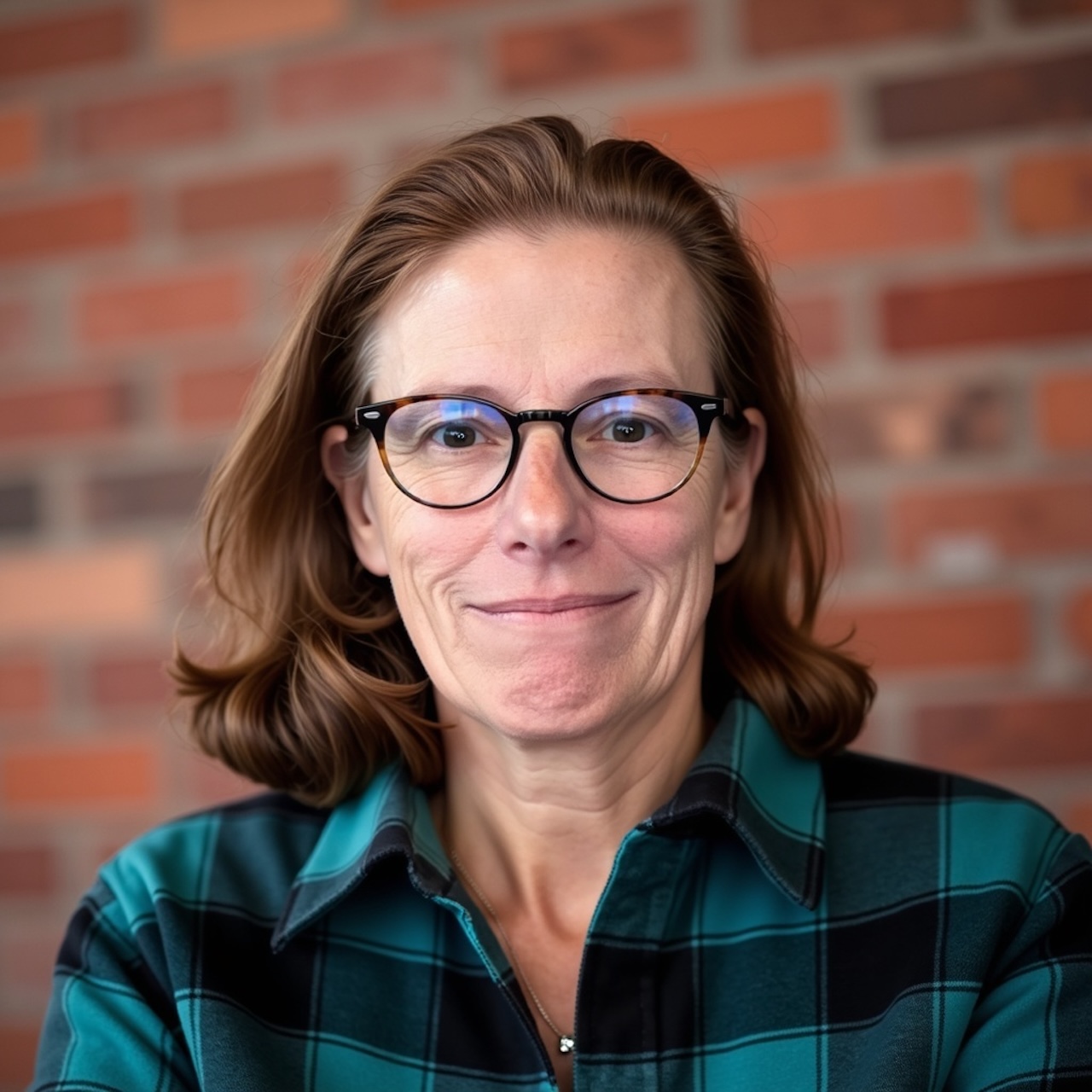
Jodi McPherson Is Turning the First Rung of the Career Ladder Into Paid Work
After three decades in education technology, the Work Simplr founder is rebuilding early-career experience around a practical idea: give students real projects, pay them, and make the work count.
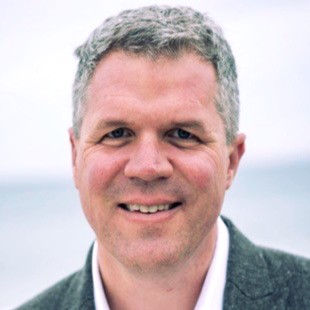
Russ Richmond Is Building Software for the People Stuck Between Strategy and the Shift
The Laudio co-founder has spent a quarter-century turning healthcare data into action. His product insight is disarmingly simple: software should give a manager time back, then get out of the way.
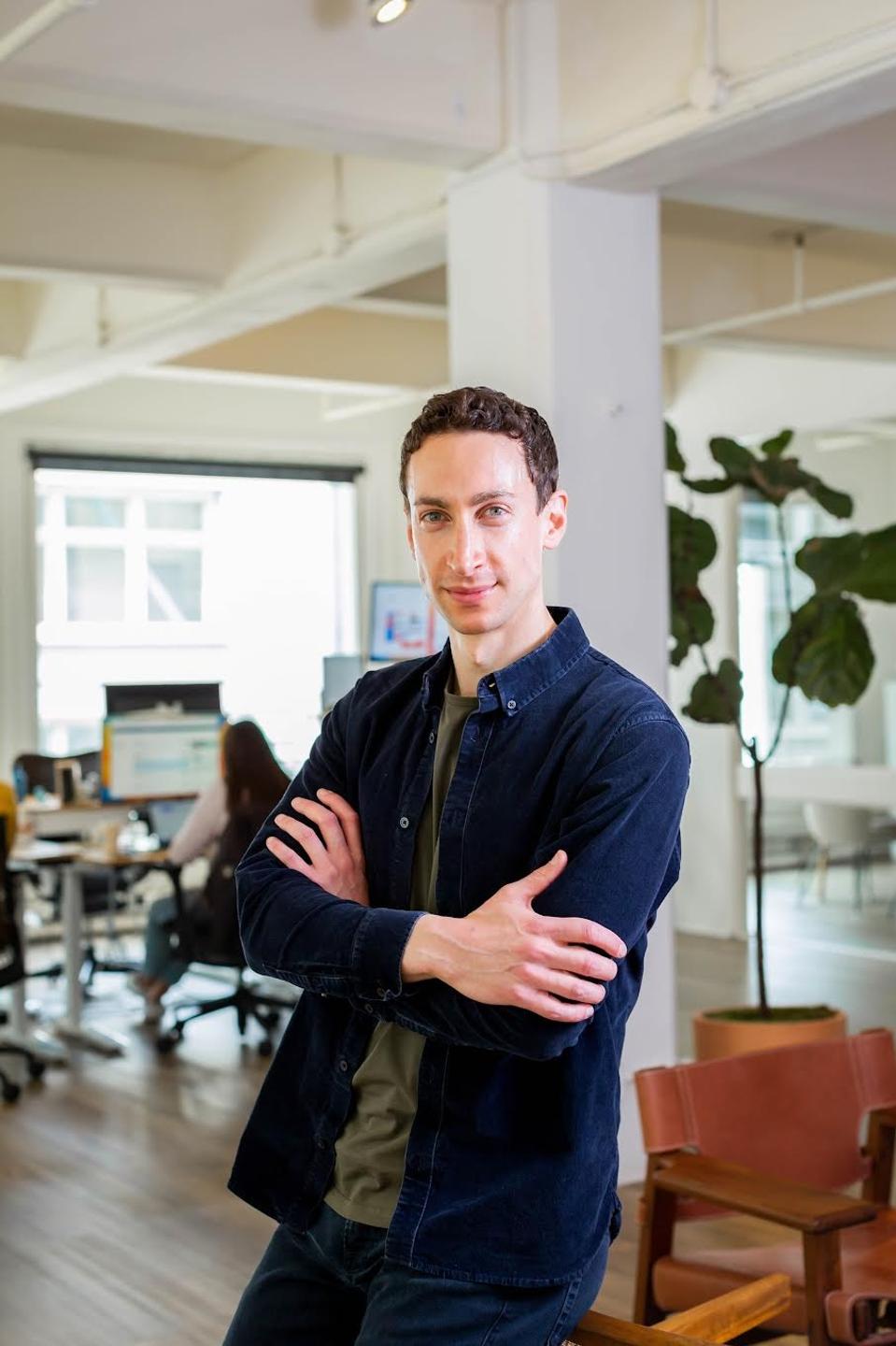
Alex Yaseen
Alex Yaseen spent years watching smart operators wrestle with spreadsheets. At Parabola, he is turning their hidden business logic into workflows they can build, inspect, and run themselves.
Tony Holdstock-Brown
Tony Holdstock-Brown is the co-founder and CEO of Inngest, a San Francisco developer platform that gives engineers a durable, observable execution layer for background jobs, workflows, and AI agents. A self-described tinkerer since age 10 and former Docker engineer, he started Inngest in 2021 with CTO Dan Farrelly after the two met in a New York co-working space. The company has raised roughly $31.6M, including a $21M Series A led by Altimeter in 2025, on the thesis that in an AI era the real moat is how fast a team can iterate.
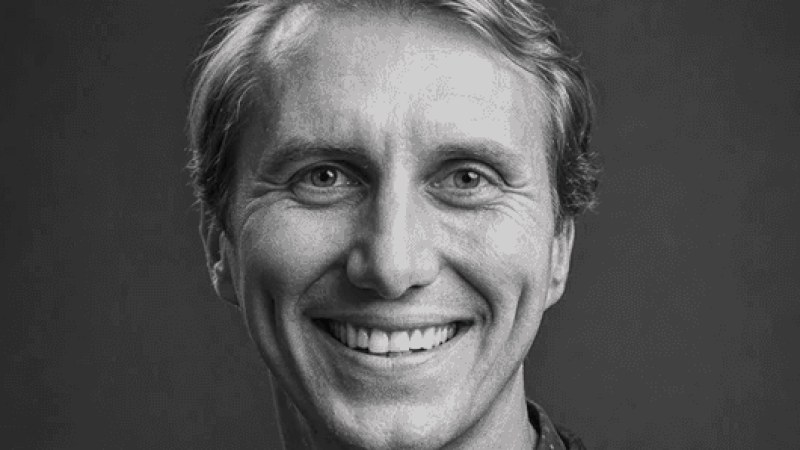
Nate Beyor
Nate Beyor is Chief Business Officer at Salt AI, the Los Angeles contextual-AI platform built for life sciences and healthcare. A bioengineer turned consultant turned operator, he holds a PhD in bioengineering from UC Berkeley, where he built microfluidic devices to detect pathogens. He spent his career at the seam between technology and biology - microfluidics, biologics manufacturing, stem cell therapy at Asterias Biotherapeutics, and digital health - before leading the Health Tech practice as a Managing Director and Partner at Boston Consulting Group. At Salt AI he runs corporate strategy, the solutions portfolio, and market expansion, helping translational scientists and drug developers move faster with AI they can actually trust in regulated settings.
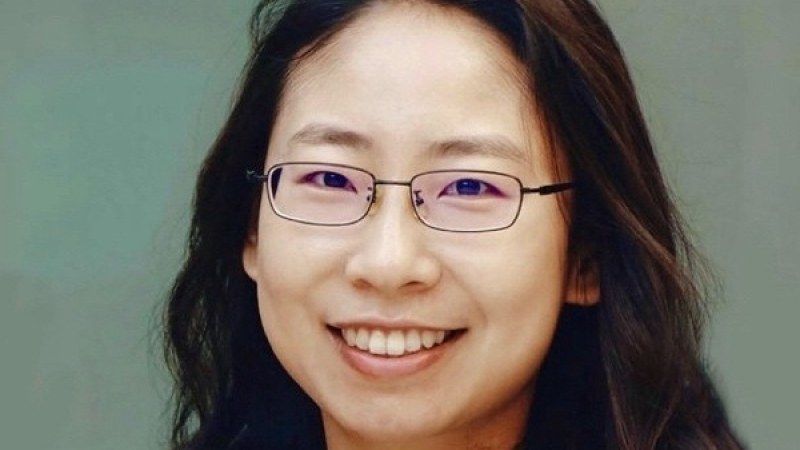
Qian Li
Qian Li is the co-founder and CEO of DBOS, Inc., a Cambridge- and San Francisco-based company turning a once-academic idea into infrastructure: store a program's execution state inside Postgres so crashed apps and AI agents resume exactly where they left off. A Stanford computer science PhD, she co-founded DBOS in 2023 out of a joint Stanford-MIT research project led by Postgres creator Mike Stonebraker and Spark co-creator Matei Zaharia. She was named to the Silicon Valley Business Journal's 40 Under 40 in 2025, won a USENIX ATC Best Paper award for INFaaS, and is a regular voice on systems podcasts and conference stages on durable, observable, scalable software.
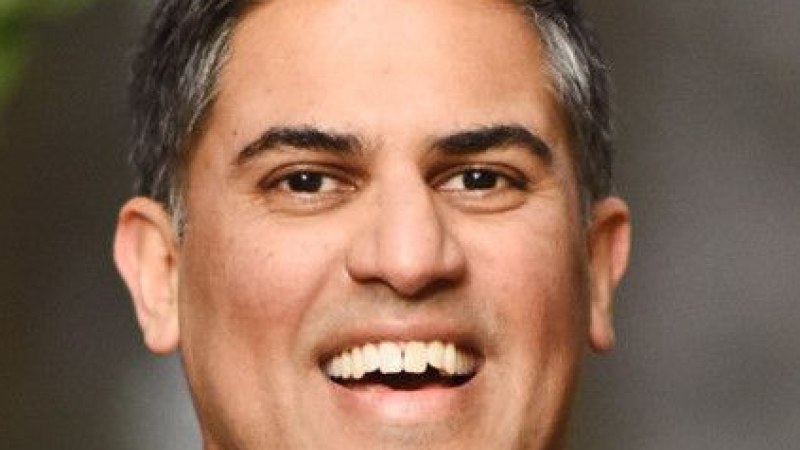
Ashish Desai
Ashish Desai is the CEO of Monograph, the San Francisco software company that helps architecture and engineering firms run the business side of the practice - budgets, staffing, forecasting and billing. An electrical engineer turned product leader, he scaled product at 99designs, Handshake and Shutterfly before joining Monograph as Chief Product Officer in July 2023 and stepping up to CEO in 2026, succeeding co-founder Robert Yuen. His pitch is simple: software that understands how architects actually work, so firms can spend more time on design and less time guessing at their numbers.

Peter Russo
Peter Russo is VP of Core Business Workflows, Product & Solution Marketing at ServiceNow, where he leads go-to-market strategy for the platform's finance, supply chain, and creator workflow product lines. A seasoned technology marketing executive with roots in SAP and Oracle, he has spent his career helping enterprise software companies articulate the value of complex platforms to buyers who care about outcomes, not features. Based in Austin, TX, he is known in the industry for championing the 'beyond ERP' narrative and for helping ServiceNow stake its claim in the mid-market with the 2025 Core Business Suite launch.
Rounak Adhikary
Rounak Adhikary is a 23-year-old founder and CEO of ProjectX (YC X26), a San Francisco-based startup building Infinity - the first cloud-native distributed OS that lets users run GPU-intensive apps like Blender, DaVinci Resolve, and Unreal Engine from any browser, on any device, with under 20ms latency and no setup required. Born in Kalyani, West Bengal, India, he started his first tech consulting company at 19, won the World Trade Center Innovation Award at IIT Bombay's Eureka! competition against 17,000+ startups, and went on to represent India at Princeton's Tiger Launch. Backed by Google Cloud and Y Combinator, ProjectX aims to make infinite compute accessible to anyone, anywhere.
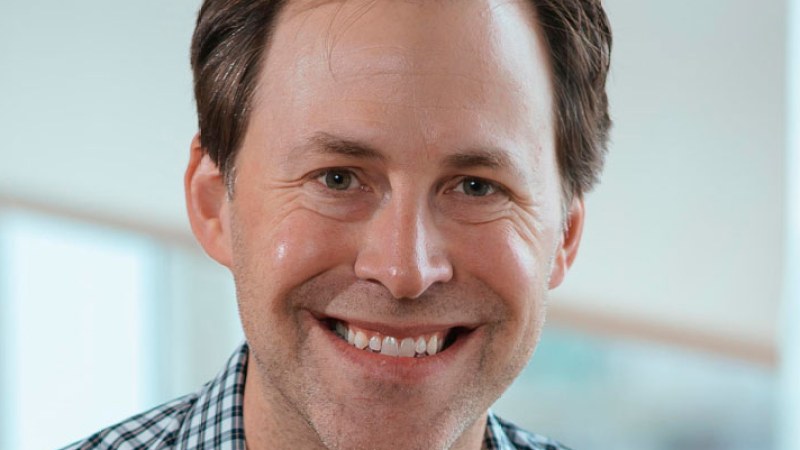
Federico Baradello
Federico Baradello is the Founder and CEO of Finalis, an AI-powered investment banking platform he built from his frustration with a 30-year-old technology stack while executing M&A deals at Kirkland & Ellis. An Argentine-American multilingual attorney with degrees from Princeton, Harvard, LSE, and UC Berkeley, Baradello launched Finalis in 2020 and has grown it into one of the fastest-growing investment banking platforms in history - now powering over 900 bankers across 24 countries with $22.5B+ in closed transactions.
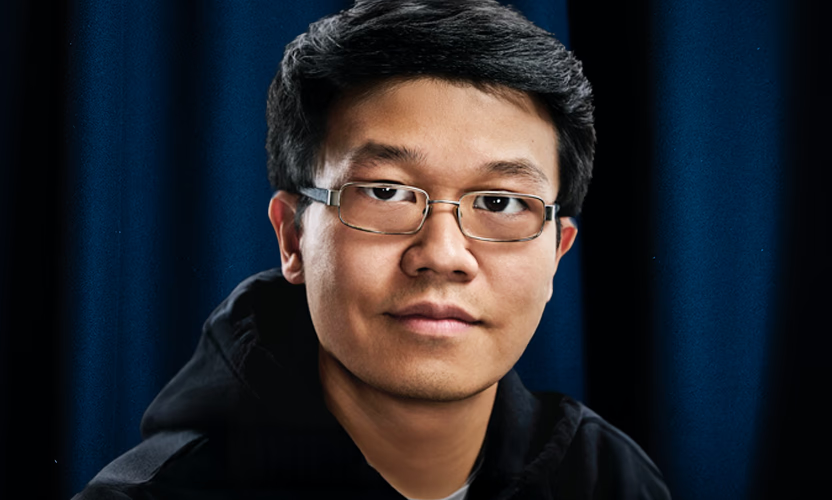
Scott Wu
Scott Wu is the co-founder and CEO of Cognition, the AI company behind Devin - widely recognized as the world's first autonomous AI software engineer. A three-time International Olympiad in Informatics gold medalist from Baton Rouge, Louisiana, Wu started coding at age 9, interned at a fintech startup as a high schooler alongside future Scale AI founder Alexandr Wang, briefly attended Harvard, then spent five years building Lunchclub as CTO before co-founding Cognition in 2023 with fellow competitive programming champions. Under his leadership, Cognition grew from a 10-person apartment startup to a $10.2 billion company with over 200 employees, acquired Windsurf in July 2025, and raised $675 million in total funding - with Devin's annualized revenue surging from $1 million to $73 million in under a year.