The whiskey was there. The tasting wasn’t. At a holiday promotion in Sam’s Club stores, Sunflower Group’s demonstrators couldn’t offer shoppers a sip of Jim Beam because they lacked the license. Instead, they offered a name. Buy a bottle, and a demonstrator would print a personalized label for it. The equipment was ordinary: laptops, printers, labels. The result was a bottle that could leave the store as somebody’s present.
- Sunflower connects consumer brands with people through sampling, staffed experiences and social communities.
- Its specialty combines the invitation with the machinery needed to deliver it.
- The useful lesson: decide what someone can participate in before deciding what to say.
A three-dollar reason to stop
The 2007 account describes a 1.75-liter bottle normally priced at $32 selling for $35 during the promotion. Personalization was included with purchase. That is an intriguing detail: the invitation came with a higher shelf price. The product had acquired another use, as a gift bearing a recipient’s name.
Read this as a case about a constraint. A tasting wasn’t available, so the encounter needed another attraction. The lesson for a marketer is practical: consider what else the customer values about the occasion.
The warehouse behind the handshake
Dennis Garberg founded Sunflower in 1978. Its history runs through the Kansas City area, including Lenexa, although the company’s LinkedIn profile lists New York as headquarters. The agency describes work stretching from samples and assisted sales to street teams, mobile tours and social communities. These services share a problem: somebody has to make the encounter happen.
Sunflower’s published agency description includes warehousing, fulfillment, research, creative design, materials sourcing and a call center. That list explains its place in the market. A brand can commission a campaign idea elsewhere. Sunflower’s proposition also includes getting the materials and people into position to execute it.
In 2000, it acquired News America Marketing’s sampling division. Contemporary reporting identified a network of recruitment and training specialists as part of the attraction; Sunflower had previously outsourced that work. The acquisition therefore offers an unusually concrete explanation of agency expansion: bringing more of the delivery system within reach.
“Gone are the days of handing out a chip and napkin.”Christine Bridgman · Sunflower Group · 2007
The demonstrator is part of the demonstration
Consider a mattress. A food sample can deliver an immediate sensory answer. A mattress demonstration has more explaining to do. In a published Serta testimonial, account manager Alberto Perez described Sunflower’s online training and certification for eligible demonstrators. He credited their product knowledge and shopper engagement. Preparation was part of the service being sold.
The customers are businesses: consumer brands and retailers commissioning programs. The audience is the person shopping, attending or scrolling. Sunflower sits between those two groups, translating a commercial objective into an interaction. Its business is commissioned marketing services, with creative, staffing and operational work in the mix. A buyer’s brief should specify the action sought and the resources needed to support it.
- 01Give someone
a reason to stop. - 02Make the action
easy to take. - 03Check what
happened next.
The sample table moves into the feed
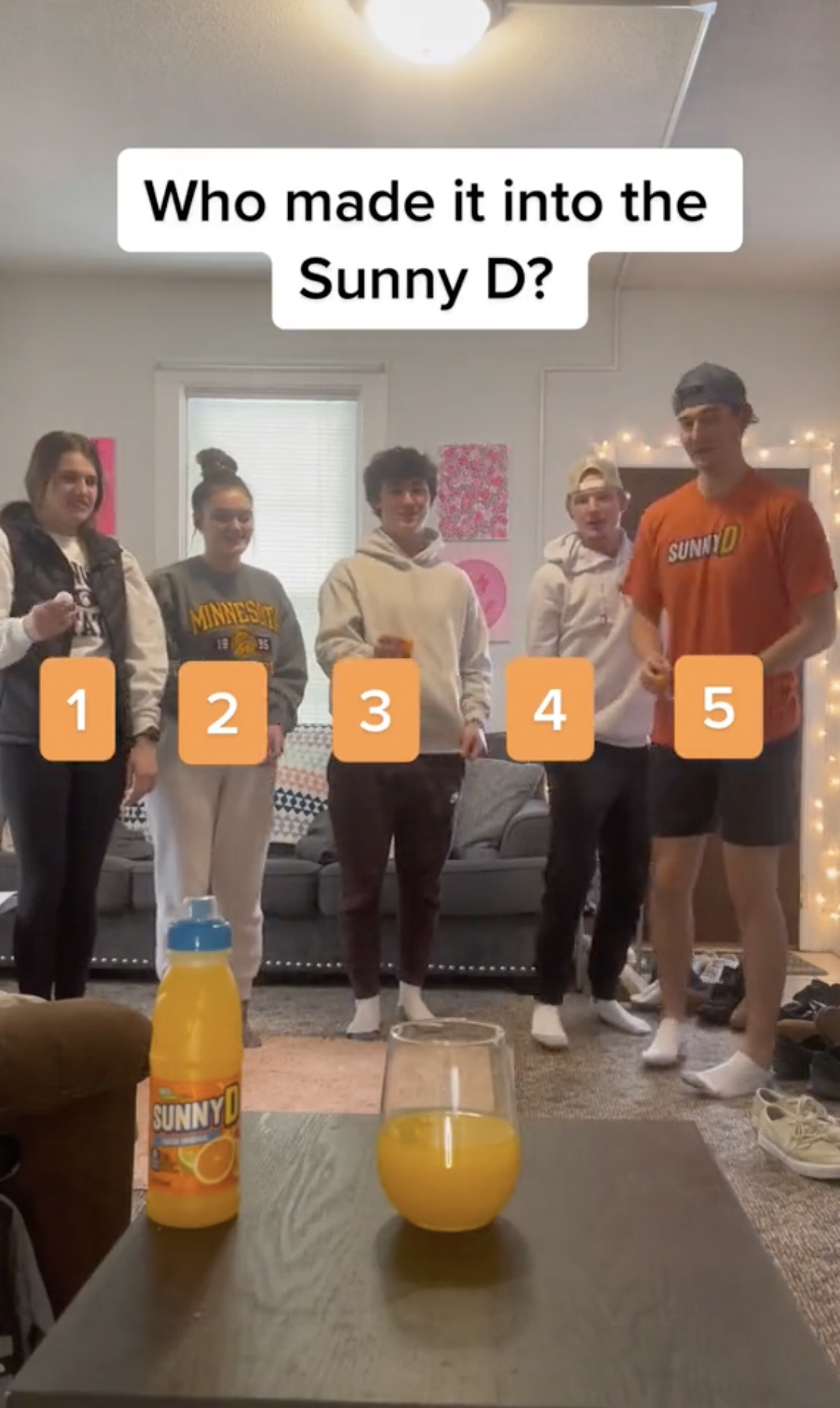
SUNNYD supplies a useful second chapter. Its community-management award entry, credited jointly to the brand and Sunflower, describes a familiar marketing puzzle: a drink remembered by millennials wanted a relationship with Gen Z. Nostalgia could introduce it, but the younger audience needed its own reason to care.
The team answered messages, recognized fans, shared their work and rewarded standout contributions with branded merchandise. This was ongoing conversational work. The entry reported the combined social community growing from about 442,000 to 486,000 during 2021, and received an Audience Honor at the Shorty Awards. The significance lies in the attention paid to individual exchanges.
Permission to move at TikTok speed
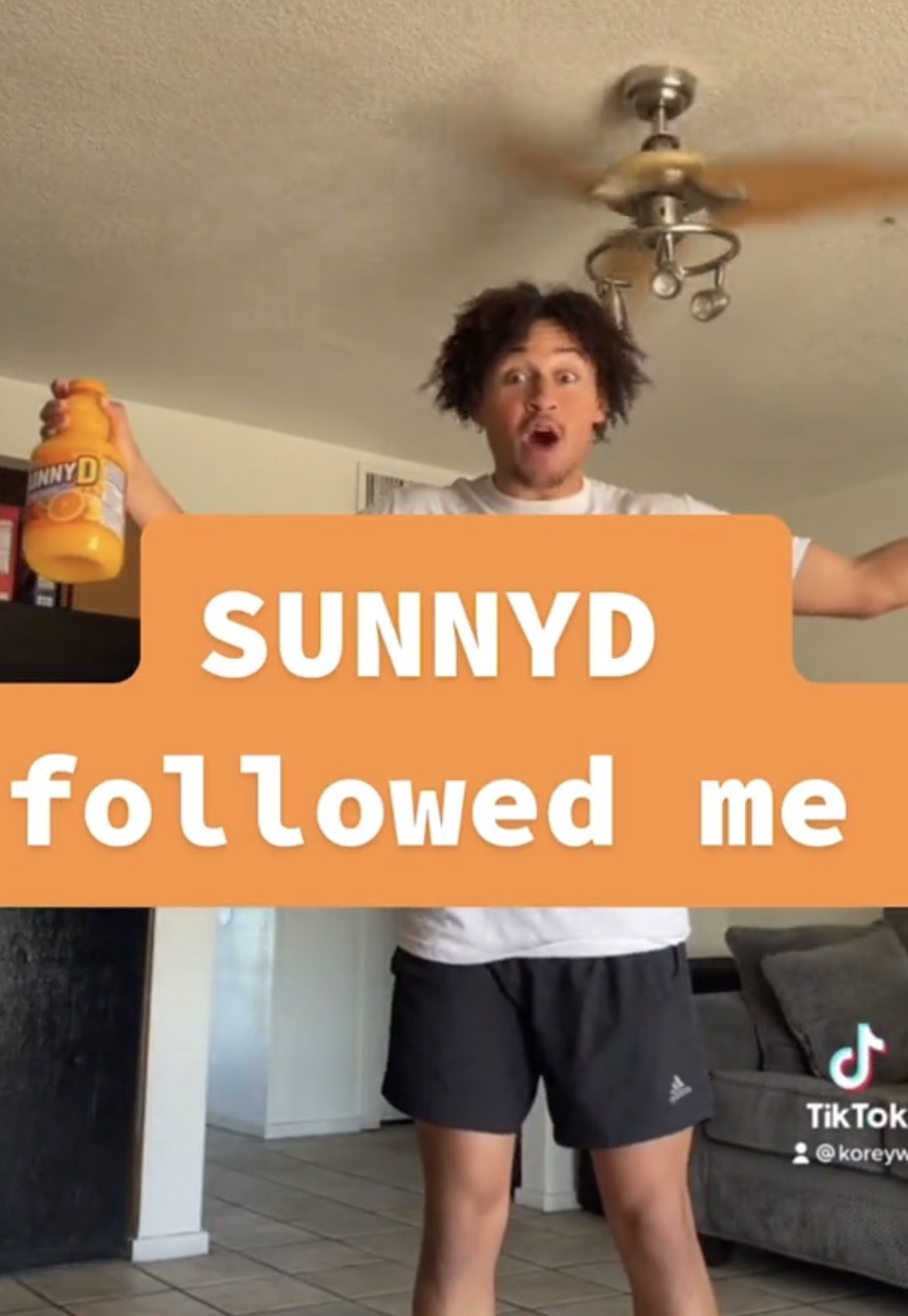
For TikTok, the later joint entry describes memes for particular fan communities, conversations in direct messages and creators who liked the brand. It also identifies an organizational change: a shared understanding of brand boundaries helped build trust with the client and bypass some traditional approval steps. That made responding to trending sounds and formats easier.
The entrant-reported 2023 results included more than 97 million video views, up 104% from 2022. The account ended the year with 136,202 followers. Those are measures of attention and audience growth. They do not, by themselves, establish incremental purchases. For a prospective client, that distinction belongs in the brief before the creative work begins.
Scale brings its own questions
Advantage acquired Sunflower in August 2014. S&P Capital IQ reporting put total consideration at $60.3 million, including cash, contingent consideration and holdbacks. That describes the acquisition price, not what a brand pays for a campaign. A 2015 report put its annual sampling activity at roughly 300,000 events, naming Target, Publix and Stop & Shop as venues. That historical figure helps explain what a national activation network can offer: repeated delivery across locations.
Physical experiences also depend on access to those locations. Adweek’s 2023 ranking described down years during Covid-19 followed by recovery through deeper client relationships and experiential work. Sunflower placed 75th, with 106% growth shown in the listing. The pandemic exposed a condition on which the model depended: people being able to gather.
Start with the invitation
The transferable idea is modest. Give the customer a worthwhile action, then organize the people and permissions around it. A personalized label needs working equipment. A useful demonstration needs a prepared person. A timely social reply needs agreed boundaries. Without those conditions, an attractive campaign can lose its purpose at the point of contact.
Sunflower’s website now redirects to AMP. Its documented work remains useful because the central question travels well: what would make this encounter worth the customer’s time? Sometimes the answer is a taste. Sometimes it is seeing your own name on the bottle.