Before there was a review, there was a reason to invite someone over. A military spouse writing at Mil Mom Adventures described using a Boboli pizza grilling party to bring other spouses together during deployments. House Party supplied coupons and branded items. The host supplied something rather harder to ship: people who already had a reason to trust one another.
That small domestic arrangement contains the logic of Ripple Street, the company formerly called House Party. A brand wants attention. A consumer wants an experience worth having. Friends want something more interesting than another advertisement. Put a product between them, with instructions and an occasion, and each party has a reason to participate.
- Brands buy campaigns that connect product trials, shopping trips, reviews and social sharing.
- Consumers apply to participate; a large following is not the central premise.
- The useful lesson: plan what happens after the sample, and measure each step separately.
The invitation came before the impression
Founded in 2005, the business counted Gene DeRose and Parker Reilly among its founders. In January 2012 it announced a $5.3 million Series C led by Acadia Woods Partners. Its original proposition made immediate sense: let people experience a sponsored product at home, among friends, then carry the conversation elsewhere.
By May 2018, the name House Party had become a tight fit. The rebrand announcement described an offering that had expanded into digital sharing, Chatterbox sampling, review syndication and shopper marketing. Ripple Street was a name for the distance a recommendation could travel. The party remained one vehicle; it no longer described the entire business.
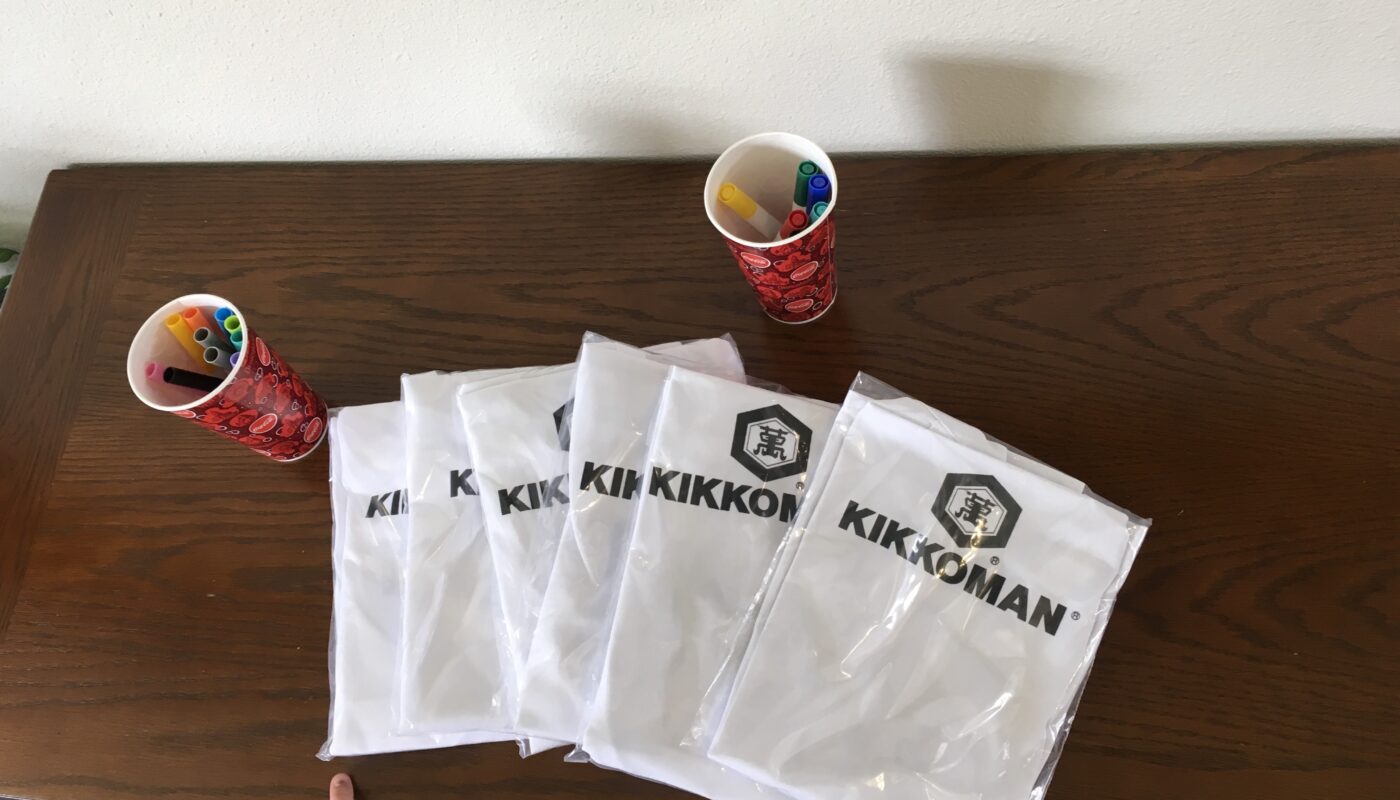
A free sample with an itinerary
Consider SmartyPants vitamins. The campaign’s objective included trial and purchase at Walmart, alongside awareness and reviews. Ripple Street designed an eight-week program. Participants took photographs with the product at Walmart to improve their selection chances. Chosen consumers received five samples, $2 coupons, an information flyer and activity instructions.
The sequence mattered. A packet arriving in the mail could have ended the encounter. Here, the packet pointed toward a shelf, a purchase, a post and a review. The company calls the retail photograph a “shelfie,” a small linguistic indignity with a perfectly intelligible commercial purpose: put the shopper in the place where the product is sold.
“Sampling is an integral part of our Shopper Marketing strategy”Amy Avellar, SmartyPants case study
The published case study reports 5,066 trials and 11,028 social engagements. Its before-and-after survey chart gives purchase intent as 38 percent before and 67 percent afterward. That is a 29 percentage-point change, or roughly 76 percent relative growth. The distinction deserves its own space on the page.
These are company-reported results from a recruited campaign audience. They show what respondents said and what participants did within the program. A marketer still needs purchase evidence, a comparison group and follow-up to establish how much additional business the activity created. A handsome percentage should earn its keep.
When game day moved indoors
The pandemic exposed a weakness in any campaign built around gathering: getting people together. For Cheez-It, Ripple Street developed a virtual college-football experience. Hosts received $10 gift cards to buy the snack, plus bingo and branded backgrounds. Watching the championship on ESPN supplied the occasion; the campaign supplied the shared activity.
The published results include 18,721 trials and 63,449 social engagements. The $10 is a documented participant incentive, not the price of the campaign. This adaptation is useful because it shows the company changing the mechanics around an existing habit. Fans were still watching football. The invitation had to fit where they were watching it.
- 01MatchRecruit relevant shoppers
- 02ExperienceGive trial an occasion
- 03ShareCollect posts and reviews
- 04LearnAsk what changed
Who pays for the conversation
Ripple Street sells to brand managers, shopper marketers and agencies. Its customer roster includes Mondelez, Anheuser-Busch and General Mills. That places it at the junction of consumer sampling, experiential marketing and commerce. The brand is buying a coordinated journey through those activities, with a community available to recruit from.
Public hiring material describes commercial work involving scope, pricing, procurement and several people on the selling team. The model is a marketing platform supported by campaign expertise and operations. For a buyer, the practical cost calculation includes the brief, product supply or purchase support, fulfillment, participant activities and measurement. Those components need to be settled together.
It has company. BzzAgent matches consumers with products and asks them to share experiences. Tryazon offers hosted parties and individual sample boxes. Ripple Street’s case for consideration lies in its documented combination of retail tasks, home experiences and content collection. The choice depends on which part of the shopper journey needs help.
There is also machinery behind the conviviality. In April 2021, Ripple Street announced a Bengaluru research and development center for its next generation of marketing technology. A redesigned consumer platform followed that June, improving visibility into House Party and Chatterbox programs. Matching people, guiding activities and collecting their responses requires more than a box of samples. The expertise is partly technical and partly logistical: the experience has to remain intelligible to the person receiving it.
The part worth stealing
In 2022, Ripple Street introduced a loyalty program that rewarded participation with status, digital rewards and swag. A review or store visit became part of an ongoing relationship. The commercial asset was the consumer’s willingness to come back and do something again.
A smaller company can copy the sequencing: recruit people for whom the product is relevant, give them a plausible occasion to use it, make the next action clear, then collect feedback. Keep store access and availability in view. Let disappointing feedback count. Separate someone trying a product from someone buying it again.
The kitchen table remains the revealing detail. A coupon can get a product there. A campaign can suggest what happens next. Whether the guest recommends it afterward depends on the experience. Even an elaborately organized conversation needs something worth saying.