The best new businesses sometimes announce themselves as a recurring nuisance. A customer asks for something slightly outside the contract. The team agrees. Another customer asks. Soon, the exception has a staff, a sales pitch and opinions about the budget. At Gallery Media Group, the nuisance was agency work. A publishing company known for PureWow and Coveteur found brands asking it to launch TikTok channels, manage influencers and take on larger marketing assignments. Gallery kept saying yes. The revenue was welcome. The answer to the question “What do you sell?” became less so.
Ryan Harwood, Gallery's CEO and the founder of PureWow, later called the result “a little bit of a Frankenstein.” One CMO might describe Gallery as a publisher. Another, receiving very different work from the same company, might describe it as an agency. Employees were confused too. This was the first thing to fail: not the work, but the label on the work.
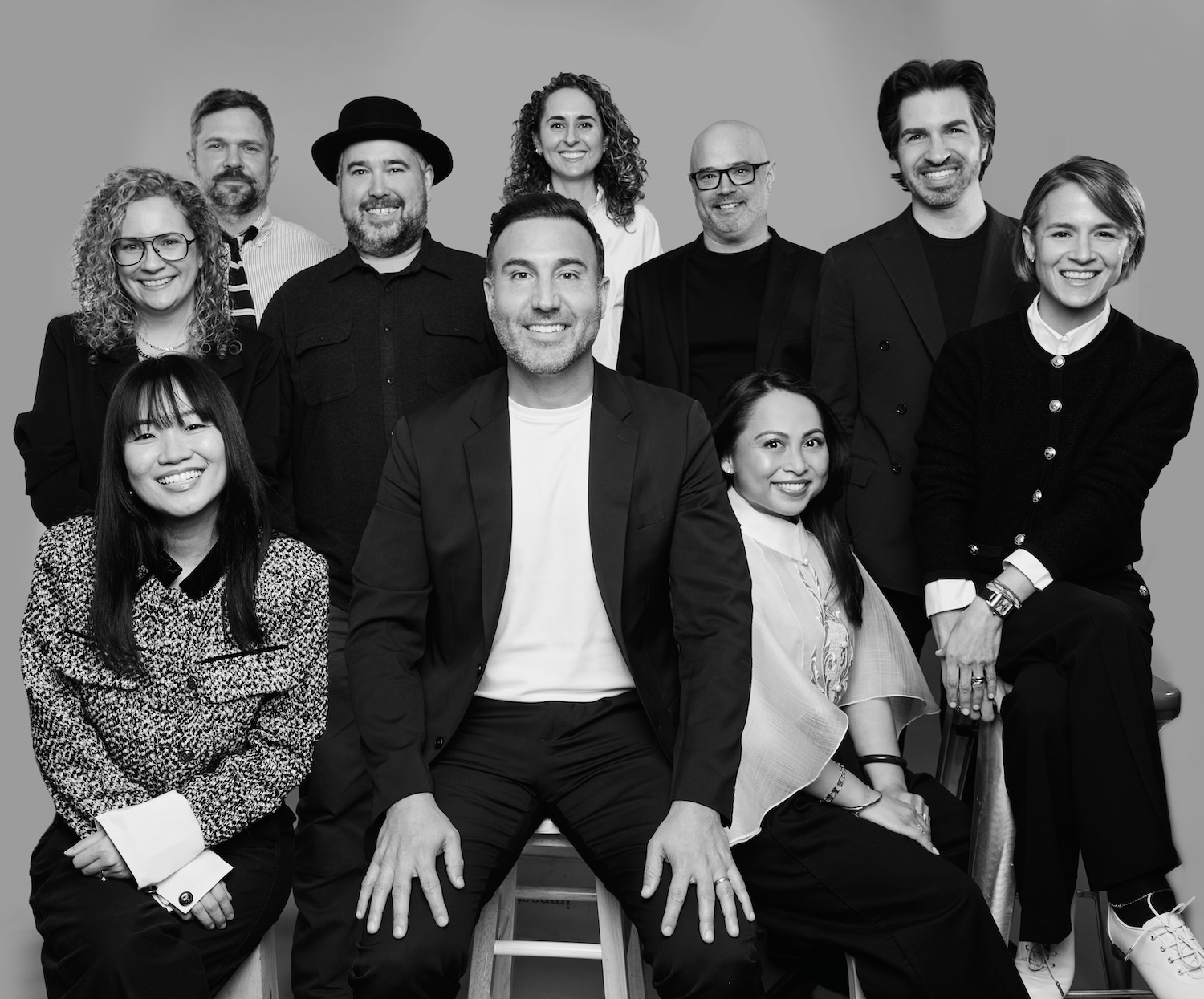
Tamara Group is what happened when VaynerX decided the side business deserved its own front door. Announced in April 2026 at the POSSIBLE conference in Miami, the agency launched with Ulta Beauty, Mrs. Meyer's Clean Day, method, PetSmart and Hisense on its client list. About half the opening roster was new business; the other half came from existing VaynerX relationships, sometimes with larger scopes. The agency drew people from Gallery, from elsewhere in VaynerX and from outside hires. Public launch reporting put the staff near 100.
The originThe market changed their minds
Harwood says the shift was not planned. During the pandemic-era rise of TikTok, clients needed someone to start and run channels without hiring a sprawling agency. Gallery had editorial instincts, social audiences and an influencer operation, so it filled the gap. Over four or five years, these favors became a meaningful business. By the time Ulta Beauty wanted a substantially larger remit, Gallery's structure had become a constraint. It could keep pretending to be one thing, or admit that two businesses were living in the building.
At roughly the same moment, Gary Vaynerchuk saw more demand entering the VaynerX pipeline and wanted another agency capable of taking it. Those pressures fit together neatly. Gallery returned to being a publisher. Tamara became a full-service agency. Harwood took the CEO job at Tamara while keeping the same title at Gallery, allowing the two companies to remain close without making customers decode a hybrid.
“We were a little bit of a Frankenstein.”Ryan Harwood, on Gallery before the split
No purchase price, build cost or independent funding round has been disclosed. The visible cost was organizational: move clients, rearrange teams, bring in outside capabilities and create a third full-service agency inside VaynerX beside VaynerMedia and ChukMedia. This was less a startup assembled from empty desks than an unbundling of work already being sold.
The operating betPut the makers in the majority
Tamara's difference is a ratio. Harwood describes a conventional agency as one where perhaps 80 percent of the effort sits in strategy and creative development and 20 percent in production. Tamara wants to flip the emphasis. It still sells creative strategy, media, influencer programs and experiential work, but the center of gravity is continuous making. Social is not the little adaptation cut down from the expensive television idea. Social is where the idea is expected to live, learn and multiply.
Illustrative, not a published staffing audit. The point is the reversal: Tamara says the majority should be making.
The customers are large consumer brands trying to stay legible in feeds governed by recommendation systems. Their problem is no longer simply buying reach. It is producing enough distinct, native work for different communities without making every post feel extruded from the same content machine. Tamara's answer combines the reflexes of a publisher, the relationships of an influencer shop, the coordination of an agency and the physical theater of an events company.
The flywheelAn event is a set with snacks
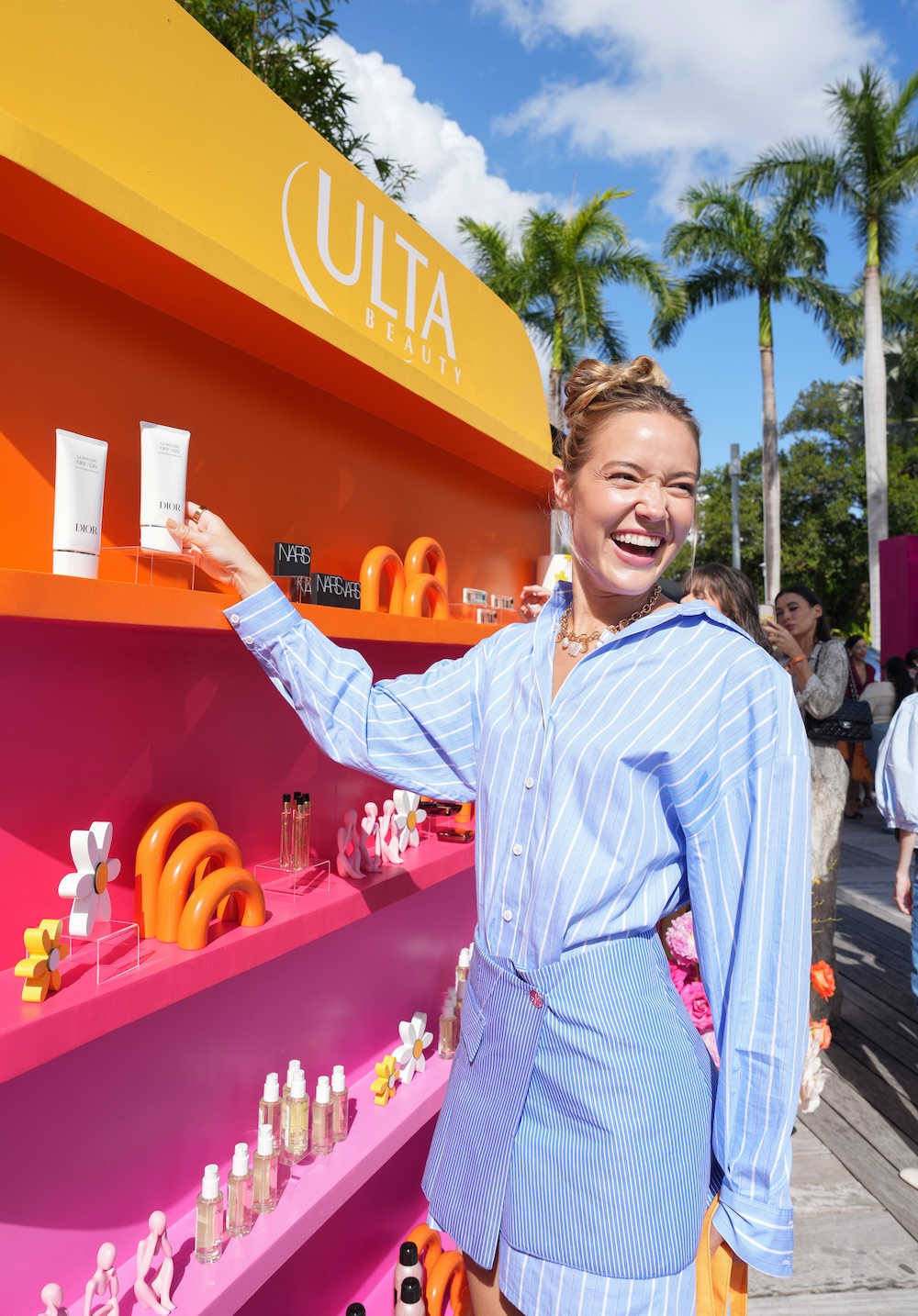
The most copyable part of the model is Tamara's view of events. A conventional activation is judged by the people who attend and what they do there. Tamara asks what the room can keep producing after the guests leave. Put creators, customers and a brand in a visually specific place and the event becomes a set. Harwood argues that one experience can yield more than 100 pieces of content. The party is not separate from the social plan; it is raw material for it.
Build the moment
Create a physical experience worth entering, filming and talking about.
Capture the room
Give creators and production teams scenes, products and real reactions to work with.
Feed the feeds
Cut the material by platform, audience and cultural opening long after doors close.
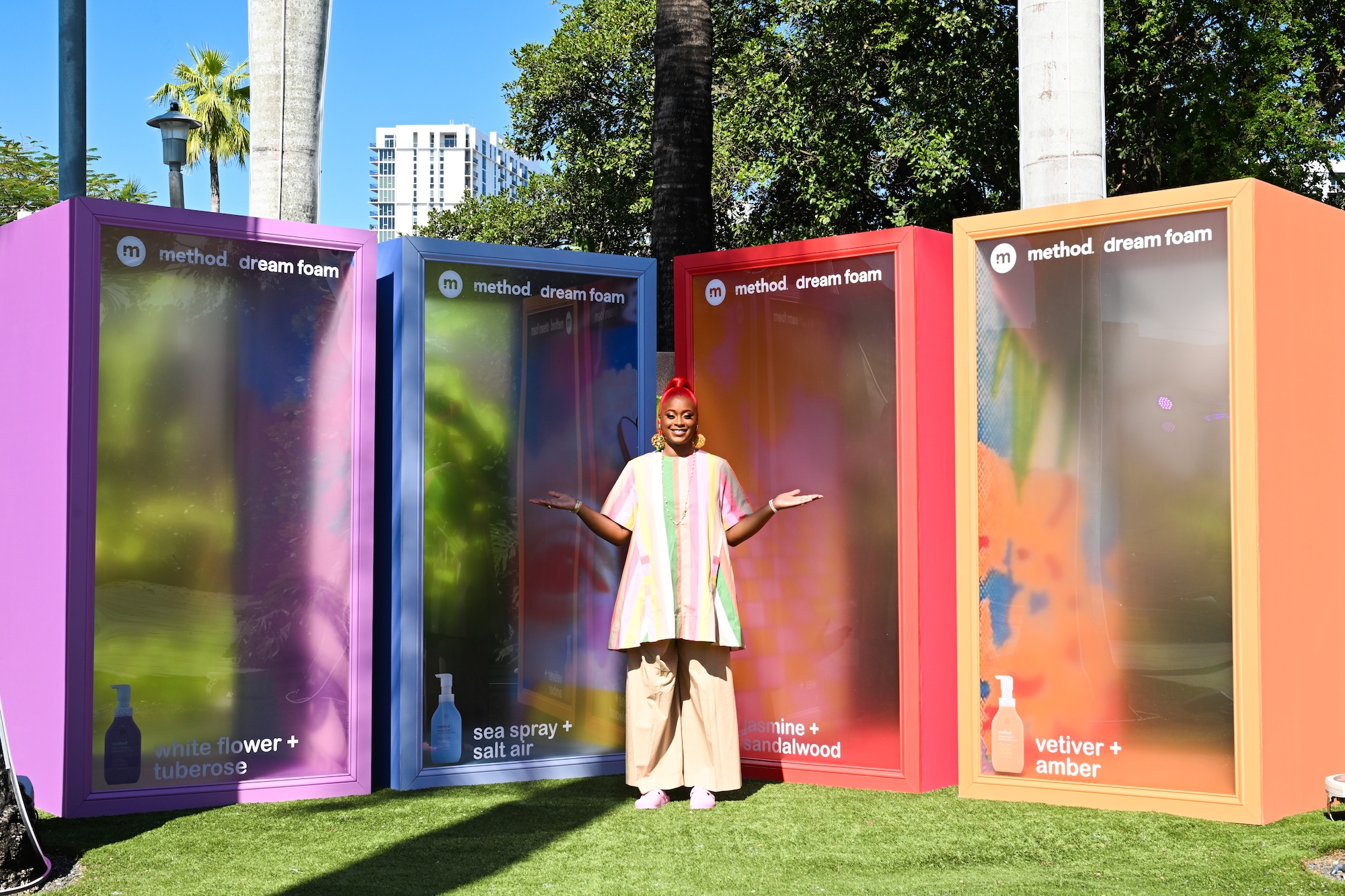
This explains why an agency obsessed with digital attention is also enthusiastic about analog experiences. AI can increase the supply of competent images and copy. It cannot make a real crowd smell the soap, touch the display or bump into a creator. Tamara's bet is that physical moments become more valuable as synthetic content becomes more plentiful, especially when each moment can be translated into a long digital afterlife.
Tamara reported this increase in organic impressions after strategically remixing a single asset for pladis Turtles. It is a company-reported campaign result, not an independently audited benchmark, but it captures the thesis: one piece of material can have many lives.
Where it fitsA crowded field, a precise claim
There is no shortage of social agencies, production networks, creator specialists or experiential shops. Large holding companies have been consolidating production capabilities too. Tamara does not own an empty category. Its claim is that VaynerX has longer practice reading social behavior, and that publisher DNA makes its teams more comfortable with daily output than campaign-era agencies built around a few annual reveals. Emerging offers in collectibles strategy and answer-engine visibility push the same idea into newer forms of attention.
The business model is familiar: brands buy retained or project-based services. Pricing and revenue targets are private. What changes is where Tamara says the client's money should land. “We want a majority making at all times,” Harwood has said. For a chief marketing officer, the pitch is fewer layers between an observation and a finished post, plus one partner across creative, social, influencer, media and experience.
The portable lessonListen for the work arriving sideways
The tempting lesson is “make more content.” That is the least interesting one. The better lesson is to audit the work customers repeatedly request outside your official description. Gallery's TikTok and influencer assignments were not distractions from its model; they were evidence of another model trying to get out. The second lesson is to notice when flexibility becomes ambiguity. Saying yes helped discover Tamara. Continuing to call everything Gallery would have hidden it.
A small company can copy the sequence without copying the agency: log exceptions, group recurring requests, measure whether customers will pay, and give a new offer clean ownership once it starts confusing the original one. This works when adjacent demand is persistent, capabilities transfer and the new service deserves its own economics. It does not work when every exception is unique, when the parent brand is the only reason customers buy, or when splitting the operation creates more overhead than clarity.
Tamara's name supplies the sentimental ending. It honors Gary Vaynerchuk's mother and expands into The Attention, Media And Relevance Agency. But the company's more instructive inheritance is less tidy. An agency was hiding inside a publisher, assembled one customer request at a time. The organization finally became clearer when its leaders admitted the mess was telling them something.