A payroll business is an excellent place to discover how much time software can waste. Stuart McLeod was running one when he and John Freeman began building Paycycle in 2009, in Freeman’s son’s bedroom. The problem was close enough to touch: McLeod had customers to pay and desktop tools that made the process frustrating. A new company began with a very old business requirement. Please make this less annoying.
By July 2011, Xero had agreed to buy Paycycle. The reported price was A$1.5 million, split between cash and shares. McLeod would join as general manager of payroll. A small Australian operation had found a home inside a growing New Zealand software company, and its founders had found their next assignment.
There is a tempting place to end a founder’s story: the acquisition. McLeod’s becomes more revealing afterward. At Xero he met Ian Vacin, a future co-founder of Karbon. He helped build software, then another company, then made a decision that deserves as much attention as a funding announcement. He chose to let somebody else run it.
A payroll problem, with an exit in mind
The appetite for computers came earlier. McLeod grew up with an Apple II at home, studied information technology at Swinburne University of Technology and began his working life at Oracle. Support work led to technical consulting. Along the way, he tried his hand at property, with early gains followed by unsuccessful deals. He describes that detour as a lesson in how much he liked working for himself.
At AusAID, he met Freeman, whose technical ability he credits generously. His own early coding receives rather less flattering treatment in his recollections. That willingness to give the other person credit is part of the origin story. Paycycle would require a partnership, and the partnership would survive the sale.
Paycycle’s sale was hardly a surprise ambush by a passing buyer. McLeod and Freeman had cultivated the relationship with Xero early. They understood that payroll filled a gap in its Australian offering. In contemporary accounts of the deal, McLeod described a business designed with Xero in mind. They had considered the eventual customer and the possible acquirer together.
That makes the bedroom origin more interesting. Modest premises did not mean modest attention to strategy. Paycycle was built to work alongside something accountants already used. Its usefulness depended partly on the relationship between products, a theme that would keep returning in McLeod’s career.
The technology had its period details. Paycycle ran on Microsoft Silverlight, and McLeod later recalled support calls about getting the plug-in working. The cloud future still required someone to explain why the browser was sulking. He also remembered an early Xero roadshow in Adelaide where nine people from Xero and its partners faced three customers. The room had more supply than demand.
“It was all credit cards and cash flow from my payroll bureau company.”
Stuart McLeod, recalling Paycycle’s beginnings
The deal gave Paycycle a distribution home and gave Xero payroll expertise. Xero announced the acquisition agreement at its July 2011 annual meeting; by its following financial-year update, it reported Paycycle had been integrated into the business. The product had crossed from a separate startup into the machinery of a larger organization.
The work around the ledger
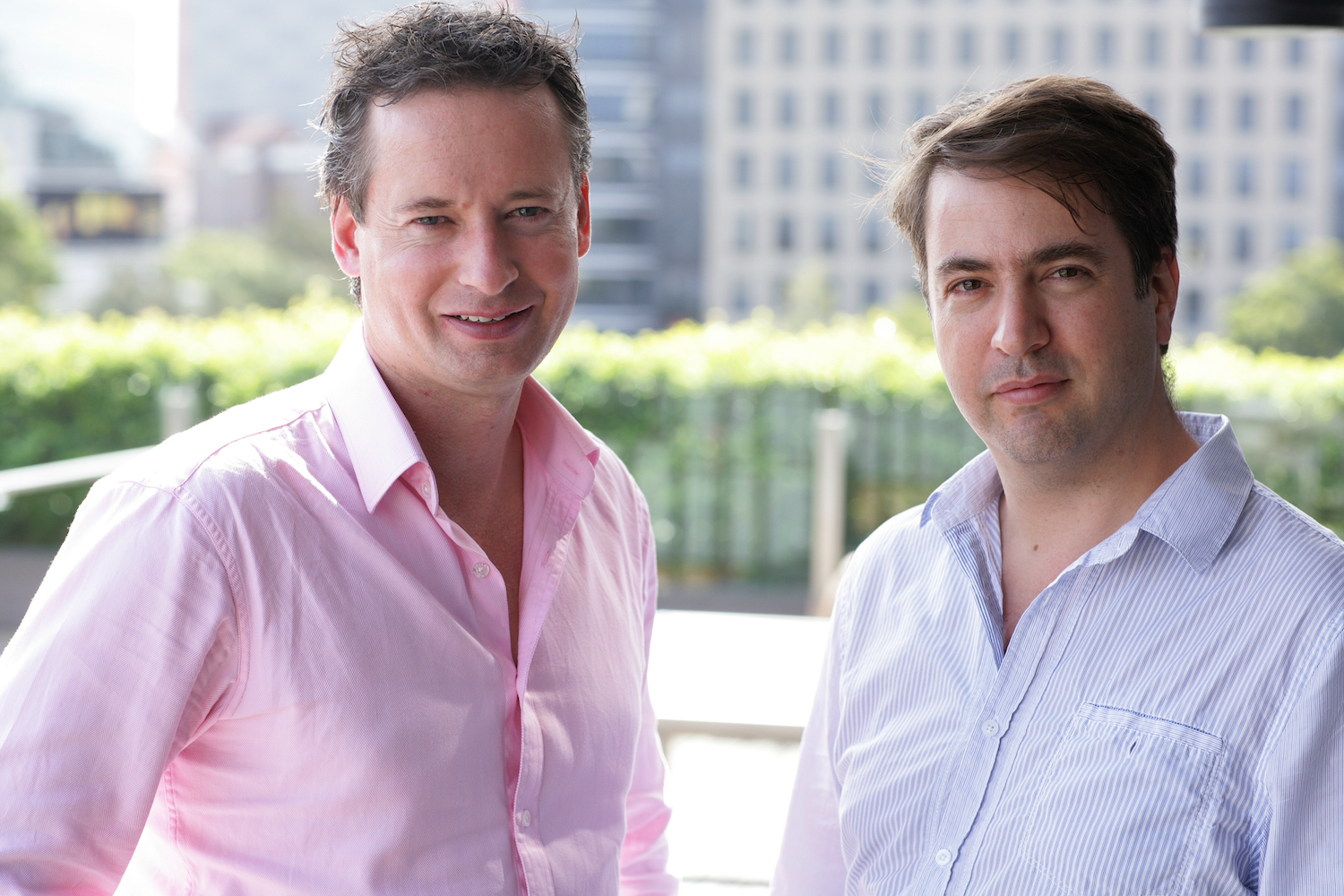
Karbon’s founding work began in 2014. McLeod, Freeman and Vacin knew the accounting market from inside the software business. They could see that the ledger was only part of an accountant’s day. Somebody still had to organize the firm doing the accounting.
That distinction sounds small until a job requires three people, four unanswered emails and a document that the client believes they sent last Thursday. Accounting firms needed to coordinate colleagues, communicate with clients and see where work stood. Software could produce an orderly set of books while leaving the surrounding working day in considerable disorder.
Karbon went after that surrounding work. It brought email, tasks and workflows into the practice-management conversation. The founders were addressing the firm as a working organization, with people and handoffs as well as financial records. The premise gave the product a specific audience and a specific inconvenience to solve.
- PAYCYCLEPay the peopleCloud payroll
- KARBONCoordinate the firmPractice management
- ARCHIEExecute the workAI for accounting
By November 2022, Karbon reported 2,500 customers across more than 30 countries. It had also brought Clio founder Jack Newton onto its board. The connection was practical: Clio had built practice-management software for lawyers, another profession whose expertise must travel through an office full of schedules, documents and clients.
Earlier that year, Karbon raised a US$66 million Series B led by Tidemark. The company now had capital for a wider ambition. McLeod’s original irritation had become an organization with investors, an expanding team and customers spread across borders. The founder’s own working day was changing too.
The chair he chose to leave
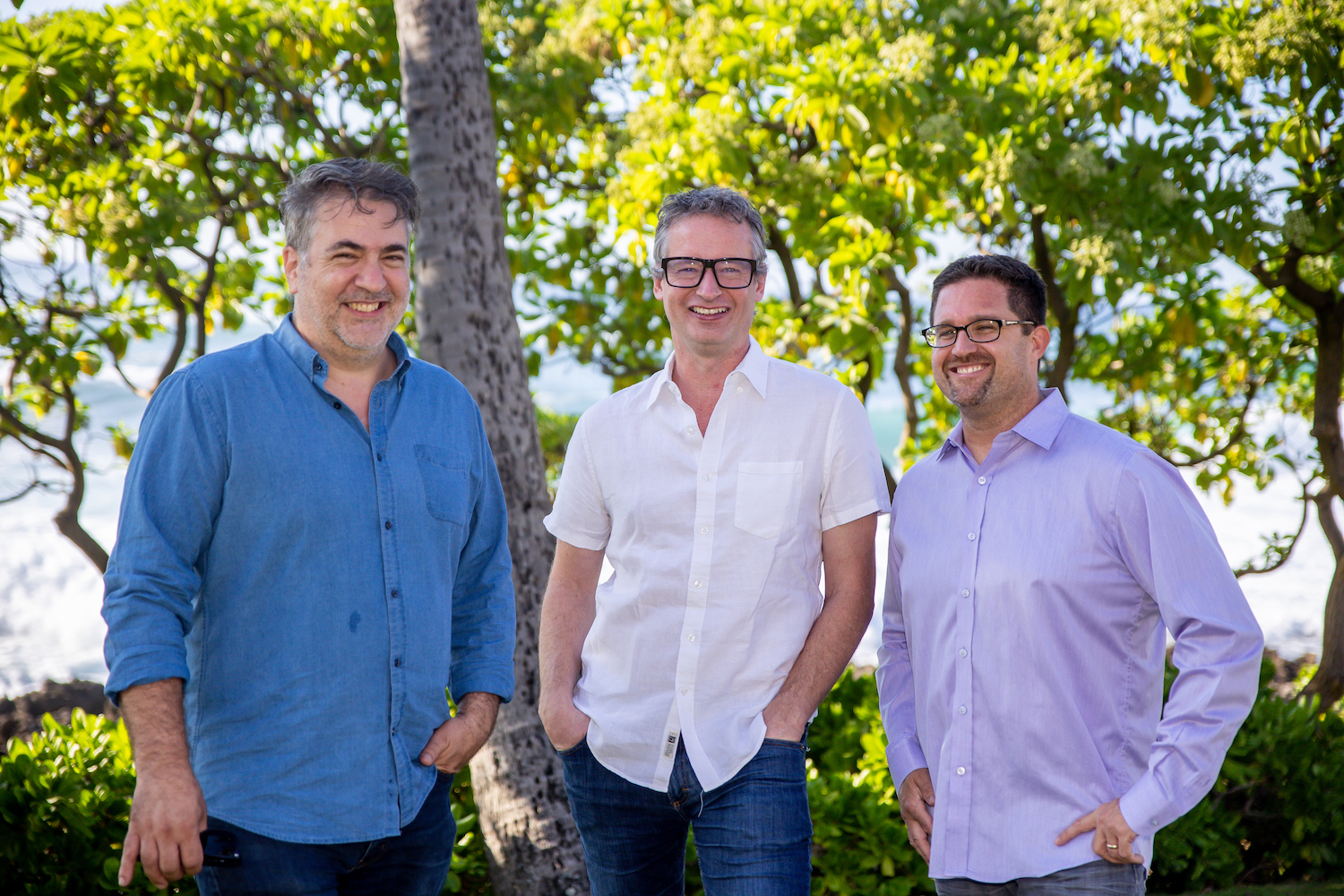
Growth creates a peculiar problem for someone who likes building things. Success delivers more of the job that accompanies the thing: leadership, communication and the repeated effort of getting people to understand the same plan. A product can become clearer while its organization becomes harder to explain.
When Karbon colleagues Jess Marcello and George Connor interviewed him for the Accounting Leaders Podcast’s 50th episode, the usual host became the subject. They asked about alignment, culture, purpose and the difficulty of running a growing firm. It was a useful change of seating arrangement. The person asking other leaders how they worked now had to answer.
His stated hiring preference was for colleagues he enjoyed working with, could trust and who would challenge him. That last condition matters. A founder can enjoy being in charge while still needing people prepared to disagree. Karbon’s growth had made the everyday practice of leadership a subject in its own right.
Accounting-firm customers reported when Karbon announced its leadership transition. A historical milestone, not a current customer count.
In March 2023, McLeod announced he would step back as CEO. Mary Delaney would take over effective April 1. He explained that creation and invention were the parts of his role he enjoyed most, and said he would remain closely involved as a board director.
The decision offers a more useful portrait than a tidy list of job titles. He had helped make the company large enough to require a different working life, then acknowledged his preference within it. The announcement thanked colleagues and investors and expressed confidence in Delaney. A founder could hand over responsibility without treating the business as a finished chapter for everyone else.
Another company, the same unfinished day
McLeod’s next direction took shape through Waverley Studios, which he says he started in early 2023 with Agus Echagüe and Bruce Phillips. An experiment in making sense of complex data developed into Archie. By October 2024, he was describing a new accounting-focused AI business emerging from the studio.
The cast brought different experience to the problem. Echagüe’s background is in marketing and bringing businesses to market. Phillips is a CPA, former firm owner and finance leader. McLeod brought years of building accounting software. The company’s founding team could look at the working day through product, commercial and practitioner lenses.
There is continuity in the collaborators, but also in the choice of customer. Across successive ventures, McLeod has stayed close to a profession whose software requirements are bound up with responsibilities to somebody else. Accountants are buying tools to help them deliver work for clients. That extra relationship makes a missed handoff more consequential than a mildly untidy inbox.
Archie’s intended territory is the manual activity connecting systems: reading client documents, structuring information and moving work through accounting processes. These are the fiddly passages where a person becomes the integration. The company describes an ambition to have AI carry out that work. The distinction between an ambition and a dependable result remains an important one.
In February 2026, McLeod published The Last Intern, an essay about what AI could mean for professional work and training. The question follows naturally from his product direction. If software takes over more preparatory tasks, accounting firms will have to consider how the next generation gains experience. Making work faster also changes how people learn it.
In March, The Compounding Unlock brought the argument closer to his own desk. He described building an AI development system called Martha, named after his middle child, and using it to help build Archie. His account followed unreliable early attempts toward more work completed without constant supervision. These were his observations from building, rather than independent measurements of a product’s performance.
Back in Britain, still asking about the firm
By August 2026, the geography had changed. Writing in The Repricing, McLeod said he had moved to the UK after thirteen years in the United States. His public professional profile lists Oakham in England. His attention remained on accounting firms, now including their ownership and economics.
The essay argues that AI may change how firms are valued and how independent practices compete. McLeod also expresses an interest in helping start an AI-only accounting firm if the right partner appears. It is a stated aspiration, with the conditional still attached. He is considering what happens when the software business begins to resemble the work it was built to support.
His off-duty preferences offer a lighter clue to the same appetite for activity. He has talked about hydrofoiling, windsurfing, surfing and sailing. Asked whether he gets bored, he answered, “Yes, I bore easily.” A beach, apparently, is improved by equipment that lets you leave it.
Paycycle, Karbon and Archie form a career with a recognizable customer and an evolving question. First came paying people. Then came organizing the firm. Now comes the work moving between its systems. McLeod keeps returning to an accountant’s day and finding a part of it that still requires somebody to do something awkward by hand. There is usually enough there to keep him occupied.
Keep following the work
Read, listen and watch.
- Archie - current company
- Stuart McLeod on LinkedIn · Twitter / X
- McLeod’s Karbon origin story
- His letter on handing over the CEO role
- Listen: the podcast host in the hot seat
- Watch: McLeod’s Karbon X 2022 keynote · Karbon on YouTube
- The Last Intern · The Compounding Unlock · The Repricing
- News: Karbon’s 2022 funding round · The Karbon company profile