A client pays a lawyer. It sounds like the end of a transaction. For a law firm, it can be the beginning of an accounting problem. Money held for a client and money earned by the firm belong in different places. A payment tool that ignores that distinction leaves the lawyer with another job to do.
That small complication helps explain 8am, the Austin company previously called AffiniPay. Founder Amy Porter started the business in 2005. Its opening was a profession with payment needs that ordinary checkout tools did not adequately address. Two decades later, the company is trying to connect much more of the working day.
- The opening: payments built around professional rules.
- The expansion: case management, documents, billing and expenses.
- The test: fewer handoffs between doing the work and collecting the money.
The payment that needed two destinations
LawPay, which the company’s historical timeline dates to 2007, was built for legal payments, including trust-account requirements. Its appeal begins with an unglamorous detail: protecting client funds while letting a firm accept modern payment methods. Specialization gives a buyer a reason to choose it beyond the convenience of paying online.
Accountants got a related proposition through CPACharge in 2016. ClientPay, acquired in 2021, extended the company’s reach into fields including architecture and engineering. The pattern is recognizable: find a professional routine, learn its awkward exceptions, and build around them. The exceptions are where a general-purpose tool can become somebody’s afternoon of manual work.
Buying the hours before the bill
The decisive expansion arrived in June 2022, when AffiniPay announced its acquisition of MyCase from Apax funds. The deal joined legal practice software to payments. The announcement put the combined business above $200 million in annual run-rate revenue. That is a historical snapshot, but it shows how substantial the business already was before its new name.
MyCase organizes matters, client communication, documents, intake and billing. CasePeer concentrates on personal injury practices. DocketWise serves immigration lawyers. Those are meaningful distinctions. An immigration forms workflow and a personal injury case do not become identical because their software shares an owner.
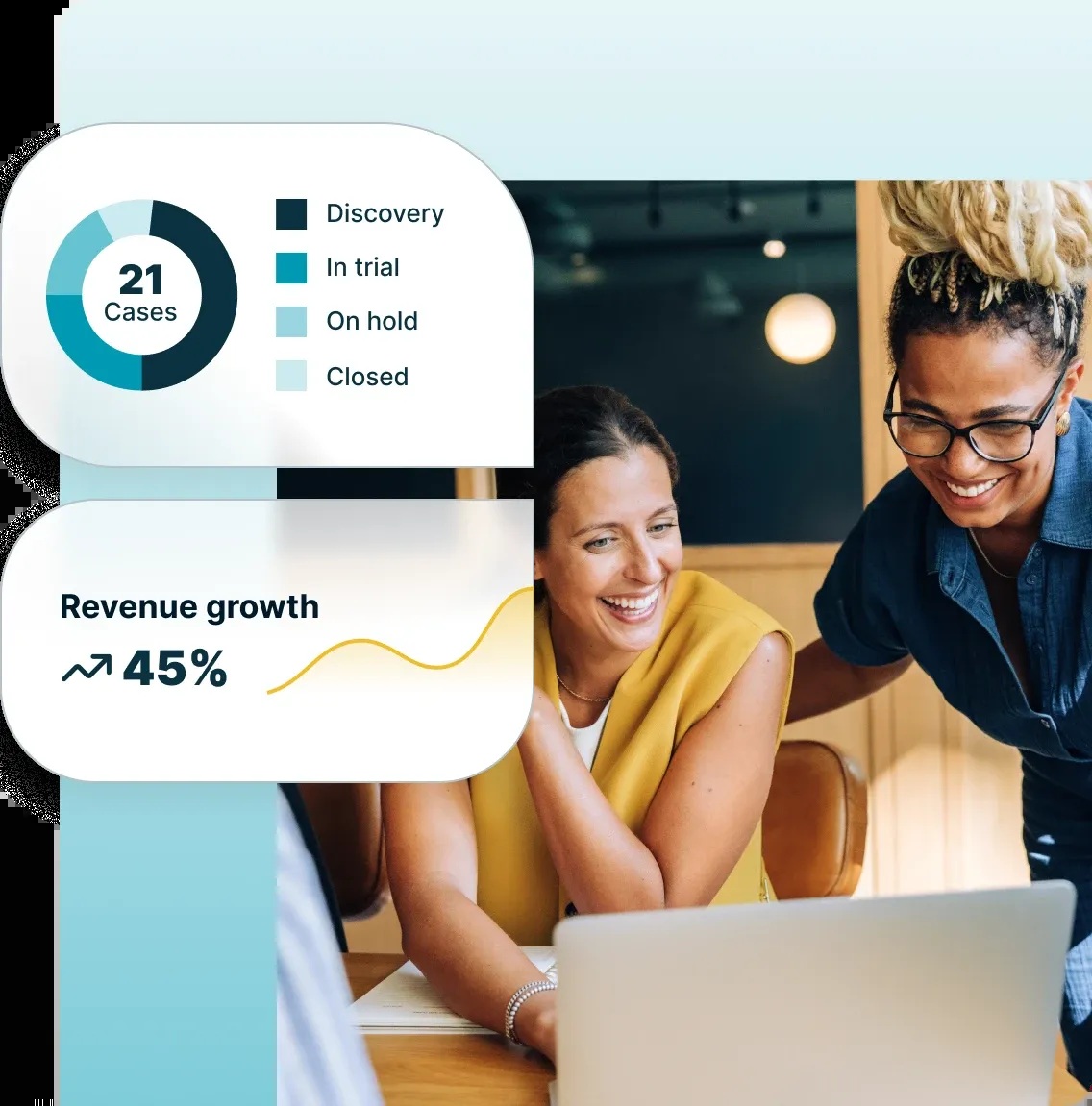
The portfolio lets 8am sell several ways into a firm. Someone may need payment processing without replacing practice software. Someone else may want case management with payments attached. A September 2025 NetDocuments integration adds another option: access existing document workspaces from MyCase, with edits syncing back. Connection can be more useful than asking everyone to move.
“We would have to adopt four or five other platforms to replace 8am.”Benson Varghese, managing partner, Varghese Summersett - customer testimonial
The price of the handoff
8am sits between vertical software and financial technology. Clio competes across legal practice management and payments; specialist alternatives vary with the firm. The useful comparison is the actual work involved: which system holds the matter, where the invoice begins, and who reconciles the payment afterward.
The business model combines software subscriptions with payment fees. LawPay’s public pricing lists $19 per month, plus processing. Visa, Mastercard and Discover transactions are listed at 2.99% plus 30 cents. A $1,000 payment therefore incurs $30.20 at that published rate, before any applicable additional fees. Card-brand pass-through charges may apply. The monthly price alone does not describe the bill.
Published Visa / Mastercard / Discover rate. Excludes subscription and applicable additional fees.
Capital has also supported the expansion. TA Associates invested in 2020 and supplied additional capital for the MyCase acquisition. In July 2024, Genstar announced a significant investment, with TA retaining a meaningful stake and Apax set to exit. The announcement did not disclose the investment amount. The visible result is a company assembling both software and financial capabilities.
A name catches up. Then the tools do.
AffiniPay became 8am in August 2025. The company’s explanation was unusually plain: its brand needed to catch up with what it had become. Payments no longer covered the whole proposition. The morning name puts the emphasis on a professional’s day, giving several established products a common identity without erasing their specialties.
- 2007Legal payments
- 2022Practice software
- 2026AI + firm finance
The leadership changed, too. Jeff Hughes succeeded Dru Armstrong as CEO in May 2026. By August, 8am reported more than 270,000 professionals using its solutions. Its customers include law firms, accountants and associations, with its core market in the United States and Canada.
September’s Showcase launch made the broader ambition concrete. MyCase MCP connects practice information to Claude through 73 supported actions, respecting existing MyCase permissions. IQ Firm Agent addresses questions across firm information. Smart Spend Intelligence suggests cases for expenses. And 8am Capital brings funding from third-party provider Fundbox into LawPay.

Start with the missing expense
The practical lesson is to inspect a handoff. Pick one matter. Follow its documents, time entries, invoice and reimbursable expenses. Count the places someone copies information or remembers to send a reminder. That exercise gives a firm something concrete to test in a demo. It also gives another software builder a useful starting point: solve a narrow, expensive nuisance before expanding into adjacent work.
The conditions matter. These tools depend on usable records, appropriate permissions and workflows that fit the practice. A connected system has less to offer when its information is incomplete. Payment fees still need comparing against collection patterns; AI-generated work still needs professional review. The promise becomes valuable when a firm can point to work it actually stopped repeating.
8am’s bet is that the payment was never an isolated event. It was attached to a case, a document, an expense and a person waiting to get home. Connect those pieces well, and the company has a reason to be there long before the invoice arrives.