At Hershey, the path from a product idea to a decision had acquired an impressive collection of furniture: eight different phase-gate meetings and 30 project types. In Wellspring’s published case study, the chocolate company reduced those numbers to three and eight. Picture the calendar invitations that disappeared. The intriguing question is what became easier to decide once there were fewer places to decide it.
- The deal: Wellspring acquired Sopheon in February 2024, adding corporate innovation management to technology transfer.
- The work: organize inventions, compare investments, find technologies and manage IP obligations.
- The lesson: simplify the process people must follow, then give them shared information.
Eight meetings walk into a chocolate company
Hershey’s problem, as the case study describes it, was fragmented portfolio information and disconnected systems. Teams lacked a coherent way to share priorities and make decisions across functions. A company can possess an enterprise resource planning system and still struggle to answer a basic question: which proposed product deserves the next slice of attention?
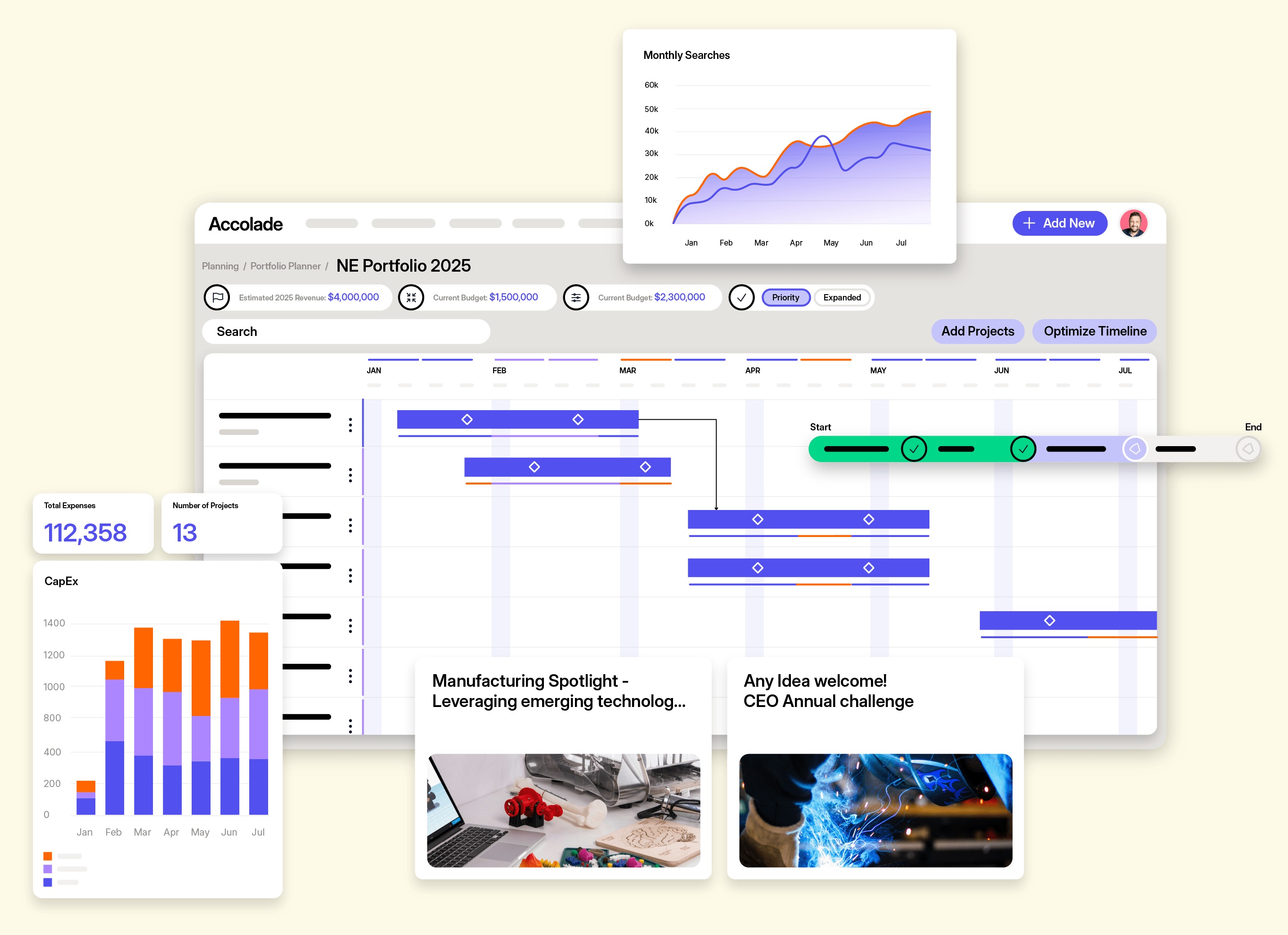
Accolade, the innovation software inherited from Sopheon, helped bring prioritization, workflows and resources into a common environment. Hershey also standardized its profit-and-loss process so different projects could be compared. That detail matters. A roomful of accurate numbers is not especially useful if every team has arranged them differently. The organizational change gave the software something consistent to work with.
A £115 million connection
Wellspring began in 2003 as a Carnegie Mellon University spin-off. Robert and Sandi Lowe founded a business serving the technology-transfer world: universities and hospitals trying to manage research and its commercial possibilities. An invention has owners, records, agreements and deadlines. Keeping those obligations straight is part of getting research into use, even when nobody puts it on the inspirational poster.
Sopheon brought a complementary clientele: corporations organizing innovation investments and new product development. Wellspring completed the acquisition on February 20, 2024. The recommended offer valued Sopheon’s issued and to-be-issued share capital at approximately £115 million, with £10 in cash for each share. That was the purchase valuation of Sopheon, not a funding round for the combined company.
The strategic logic was unusually legible. One business understood how research institutions manage inventions; the other understood how companies select and execute product programs. CEO Sean Downs described their strengths as complementary. Joining them expanded Wellspring’s coverage across the journey from discovery to commercialization. The acquisition announcement put Wellspring’s reach at more than 500 organizations and Sopheon’s deployments in over 50 countries.
- 01DiscoverResearch & scouting
- 02ProtectDisclosures & IP
- 03ChoosePortfolios & resources
- 04CommercializeLicensing & launch
The money behind that expansion also has a history. In its explanation of a 2022 capital raise, Wellspring pointed to demand for better data, partnerships and routes to commercialization. Resurgens Technology Partners became its private equity backer. The company said the capital would support products, services, AI-assisted collaboration and wider geographic reach. Sopheon subsequently gave that expansion a substantial corporate software component.
Four jobs, one growing toolbox
The product names describe distinct jobs. Accolade supports innovation portfolios, roadmaps, resources and development workflows. Accolade Core supplies the shared foundation connecting its modules. A product leader can examine competing initiatives alongside the people and money available to deliver them. The point is to make investment choices visible across teams, rather than leave each project inside its own presentation.
Evolve carries forward Sophia’s technology-transfer role, covering invention disclosures, docketing, agreements and financial workflows. Its partner portal lets licensees manage reporting and other obligations. Scout searches the wider technology landscape, with Wellspring advertising more than 400 million records. Astria, launched in July 2024, addresses IP renewals: instructions, data checks and invoices. These are different buyers’ daily chores, gathered under one company.
Wellspring sells B2B software alongside implementation and expert services. Its product pages invite a conversation and demonstration. The buying decision therefore includes configuration, integration and changes to working habits. Its public values include diligence and simplicity, a revealing pair for a business whose products must handle complicated records without making the people responsible for them miserable.
For a buyer, the cost question should extend beyond the software agreement. Who will reconcile old records? Which system holds the authoritative budget? Who checks an extracted contract term? Those questions follow from the work these products handle. They are useful requirements for a demonstration: bring a real workflow, a difficult exception and the people who must live with the result.
The meeting before the meeting
Mondelēz supplies a useful second example. Its Accolade case study reports an initial implementation built in nine weeks, followed by four weeks of testing and validation. It also reports a 50 percent reduction in time preparing for gate meetings. That is preparation time, not a promise that every development project takes half as long. Precision makes the result more interesting.
Less time preparing for gate meetings, reported in the Mondelēz Accolade case study.
Preparation is where fragmented information quietly sends its bill. Someone must assemble the figures before anyone can debate them. Read together, the Hershey and Mondelēz examples suggest an editorial lesson: shared records become more valuable when teams also agree how to evaluate projects. A dashboard can display disagreement beautifully; it cannot settle the underlying rules on its own.
What you can steal before buying anything
Start with Hershey’s simplest move. Count the meeting formats and project categories your organization maintains. Ask which distinctions change a funding decision. Establish comparable financial assumptions and give each decision an owner. These are practical lessons drawn from the cases, not guaranteed results. They also help a buyer specify what an innovation system actually needs to do.
Fit depends on the work. Planisware overlaps with corporate portfolio management; Inteum serves technology-transfer offices. A small team with few projects may have little need for Wellspring’s breadth. An organization unwilling to maintain shared records or revisit weak projects will get less from portfolio visibility. More information only helps when someone has permission to act on it.
“We are focusing on building AI technology that delivers real, measurable value.”Sean Downs · Wellspring CEO · February 2025
Wellspring’s unified-brand announcement in February 2025 emphasized targeted AI. Evolve now describes agreement-term extraction among its capabilities. That is a concrete task against which a customer can assess usefulness. The broader proposition remains grounded in ordinary decisions: keep a patent current, identify a partner, compare two projects, fund the next stage. An idea needs people willing to make those calls.
Explore the machinery
Wellspring · Accolade · Evolve · News · Blog
LinkedIn · Sopheon on X · Facebook
▶ Watch: Evolve product overview ↗