An airline seat is easy to sell. It has a number, a fare and a passenger who will complain if it disappears. The space beneath that seat is a more interesting commercial problem. A flight may have room for cargo, but an online retailer needs something rather more elaborate than permission to put a box on a plane. Someone must collect it, price it, clear it, track it and find the right doorstep. The aircraft has a timetable. The parcel needs a promise.
- SmartKargo supplies cloud software for airline cargo operations.
- Its e-commerce products connect flights with pickup, customs and final delivery.
- Azul, Delta and Emirates show how that software supports airline parcel businesses.
- The transferable lesson: examine the handoffs before buying more capacity.
That is the business SmartKargo has chosen. Its core cargo management platform handles the familiar airline tasks: reservations, booking, capacity, operations and revenue accounting. Its domestic and cross-border e-commerce offerings extend the itinerary from airport-to-airport freight into parcel delivery. The company says more than 25 airlines use its technology. For a passenger, much of this is invisible. For an airline, it is a chance to sell another service using a network already on the schedule.
The box had to outgrow the tag
SmartKargo began in 2006 as an MIT class project, with RFID technology at its centre. The ambition was to build FedEx-like technology for logistics providers. The project reached the finals of MIT’s $100K Entrepreneurship Competition. Milind Tavshikar became the company’s founder and chief executive; co-founder Prasanna Gogwekar helped direct its transition toward cloud software for air cargo.
The change makes commercial sense. Identifying an object answers one question: which object is this? Running a cargo business raises dozens more. Is there room on the flight? What should the shipment cost? Has it arrived? Who owes whom money? Moving from identification technology to a system that manages those decisions gave SmartKargo a much larger job to do.


A good business-school story still needs money. OPIC’s 2015 annual report describes a company that had won competition awards and raised angel funding, yet struggled to finance its introduction into India. Tavshikar attended an OPIC small-business workshop and obtained a $3 million loan for expansion. Additional financing for the Philippines followed in 2015. In March 2021, SmartKargo announced a strategic growth investment from M33 Growth. Geography, it turns out, remains expensive even for software.
Brazil supplied the missing streets
Azul’s example explains why an airline needs more than spare space. In SmartKargo’s detailed case study, Azul partnered on an e-commerce solution in January 2020 and deployed it in under a year. The airline had a domestic network suited to Brazil’s distances. What completed the offer was a web of independent franchisees handling collection, delivery and retail stores.
The software connected retailer orders with pricing, passenger-system capacity information, tracking and financial systems. Driver and warehouse applications supported the ground work. This is the crucial detail: the airline did not have to own every activity, but the activities had to share information. An aircraft arriving punctually is of limited comfort to a customer whose package has vanished between two subcontractors.
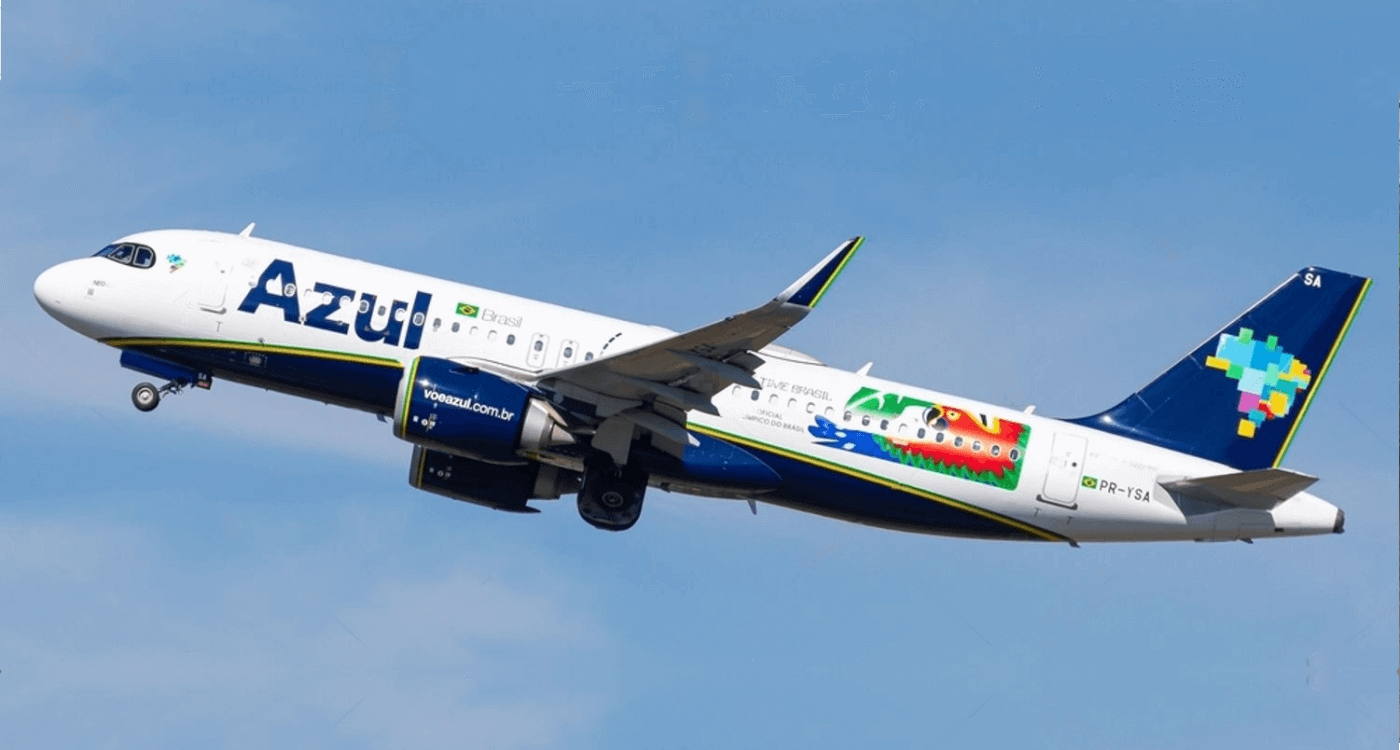
Those figures come from SmartKargo’s Azul case study and describe the customer’s network, not SmartKargo’s own revenue or a controlled test of the software. Even with that distinction, the model is useful to study. Azul combined scheduled aircraft, local operators and a common digital system. The expansion depended on making a dispersed network behave like a service a shipper could understand.
A pallet is not a thousand little parcels
Delta Cargo’s problem was different. SmartKargo’s case study describes cargo infrastructure designed for bulk shipments that did not readily support a small-package business. A pallet and a thousand individually addressed parcels can occupy similar space while creating very different operational demands. The parcels bring labels, customer notifications, individual delivery exceptions and a thousand opportunities for someone to ask where their order is.
Delta launched DeliverDirect with SmartKargo on January 31, 2024. Its announcement described a U.S. door-to-door service running from warehouse pickup to the customer’s home. Options included personalized pickup times, geofenced notifications, multiple delivery attempts, signatures and photographic proof of delivery. These are wonderfully unromantic features. They are also the features a retailer can put into a customer promise.
- 01RetailerOrder + label
- 02GroundPickup + sort
- 03AirlineCapacity + flight
- 04GroundFinal delivery
A September 2023 collaboration with Walmart GoLocal offers another view of the same logic: SmartKargo’s SaaS connected with a local delivery service to support next- and two-day offerings. For the retailer, the attraction is an additional shipping option. For the airline, it is access to demand beyond conventional freight. Neither benefit removes the need to organize the ground legs.
At the border, the paperwork joins the passengers
Emirates Courier Express brought the model into international express delivery in 2025, with SmartKargo providing supporting technology. IAG Cargo’s deliver-e likewise combines its airline network with a service designed around cross-border small parcels. Customs, pricing and visibility become part of the product rather than chores quietly left for the shipper to unravel.
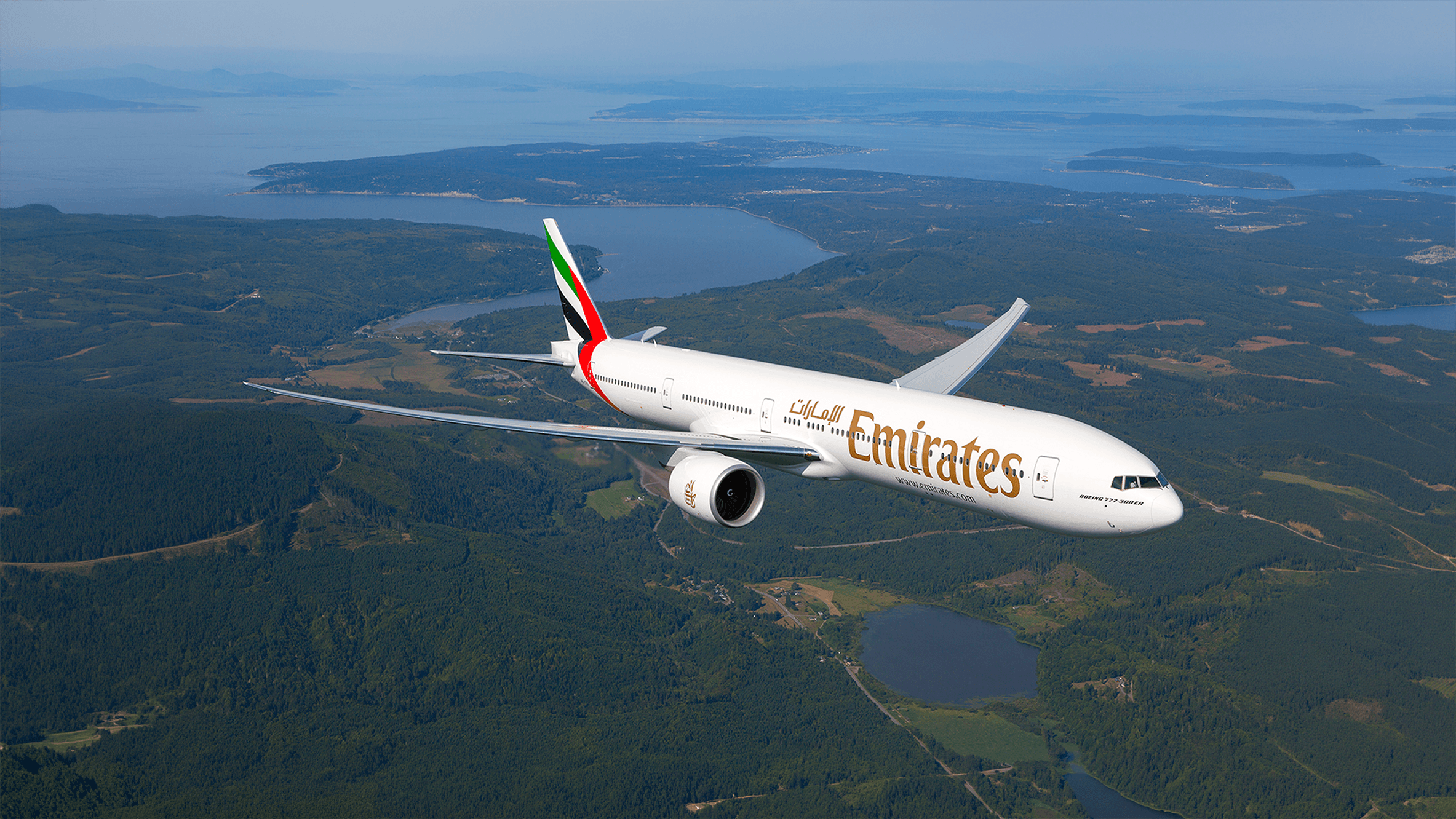
One published deliver-e customer story makes this unusually tangible. Heartbox Scotland ships gift boxes containing sweets subject to U.S. FDA requirements. The service’s account says it automated FDA pre-notification and reduced a previous 10-14-plus-day delivery experience to a 3-6-day window. These are results reported in a service-provider case study, specific to that customer. The instructive part is the bottleneck: a gift can cross an ocean swiftly and still wait for its paperwork.
“Commerce at the speed of flight”
SmartKargo’s tagline
The tagline is cheerful. The operational demand beneath it is stern. Someone has to prepare the data before the shipment reaches the next handoff. Faster transport makes late information more conspicuous.
The cloud is now the entry ticket
SmartKargo runs on Microsoft Azure and is sold as enterprise SaaS. Its Microsoft Marketplace listing describes integrations using EDI, XML and web services, alongside booking, capacity management and accounting. Airlines can replace a cargo platform or add e-commerce capabilities around existing systems, depending on the deployment. The expertise lies in joining commercial decisions to operational events and money owed.
Cloud delivery alone offers little distinction in this market. IBS Software’s iCargo is also a cloud-based SaaS platform with modules spanning sales, operations, warehouse functions and accounting. CHAMP’s Cargospot portfolio covers commercial, operational and revenue processes. A buyer has alternatives. SmartKargo’s more distinctive evidence is the set of airline parcel services it has helped put into operation.
Its AIRCAM product adds AI-powered revenue and capacity management. VietJet’s adoption was announced in September 2025: the stated functions include demand prediction, capacity forecasting and dynamic pricing. The practical question is which shipment to accept, at what rate, given the space likely to be available. A busy cargo hold is not automatically a profitable one.
The bill extends beyond the software
SmartKargo advertises a flexible pay-per-use model. An airline evaluating it should separate the software agreement from the cost of actually moving parcels: collection, sorting, security, airport handling, flight capacity, customs and final delivery. Reusing an existing flight may improve the economics. It does not make every other task complimentary.
The model fits routes where available capacity and suitable parcel demand meet dependable ground partners. For short distances, inexpensive goods or awkwardly shaped shipments, the total delivery cost may favour another method. Cross-border services also depend on shipment eligibility and prepared customs information. These are operating conditions to examine, not defects that a dashboard can wish away.
The latest deployments show attention to access as well as aircraft. In July 2026, SmartKargo announced Akasa Air Cargo’s Android app for registered agents and approved shippers, with flight search, booking and shipment tracking. That month brought a Sun Phu Quoc Airways agreement and a mas renewal. Amerijet had already signed a five-year extension in December 2025. Repeat commitments deserve attention in software that becomes part of an airline’s daily work.
What can another business copy? Begin with an asset already paid for, identify who would buy a new use of it, and work through every handoff required to fulfil that purchase. SmartKargo’s story makes those steps visible. The empty space beneath a passenger seat becomes commercially interesting when a retailer can buy a delivery, rather than negotiate the journey piece by piece.