In February 2025, an audio company near Chicago turned 100 years old without ever having sold a share to the public. That fact alone would be a footnote, except the company is Shure - and if you have watched a president speak, seen footage of Martin Luther King Jr. in 1963, been to a stadium show, or sat in a corporate video call, you have almost certainly heard a Shure microphone doing its job without asking for credit.
The origin is smaller than the legend. In 1925, Sidney N. Shure rented a one-room office at 19 S. Wells Street in Chicago for $5 a month and started selling mail-order radio-parts kits. There was no microphone. His brother Samuel joined in 1928, and the firm became Shure Brothers. It was only around 1931-1932, as the radio-kit market cratered, that Shure began building its own microphones - the pivot that defined everything after.
What Shure actually doesThe company that sells trust, measured in microphones
Shure designs and manufactures audio gear across four worlds that rarely share a shelf: live sound and touring, broadcast and recording, corporate conferencing, and consumer earphones. The product catalog runs from a $100 vocal mic to a networked ceiling array wired into a Fortune 500 boardroom. What connects them is not a price point or a customer - it is a reputation for equipment that keeps working when it matters.
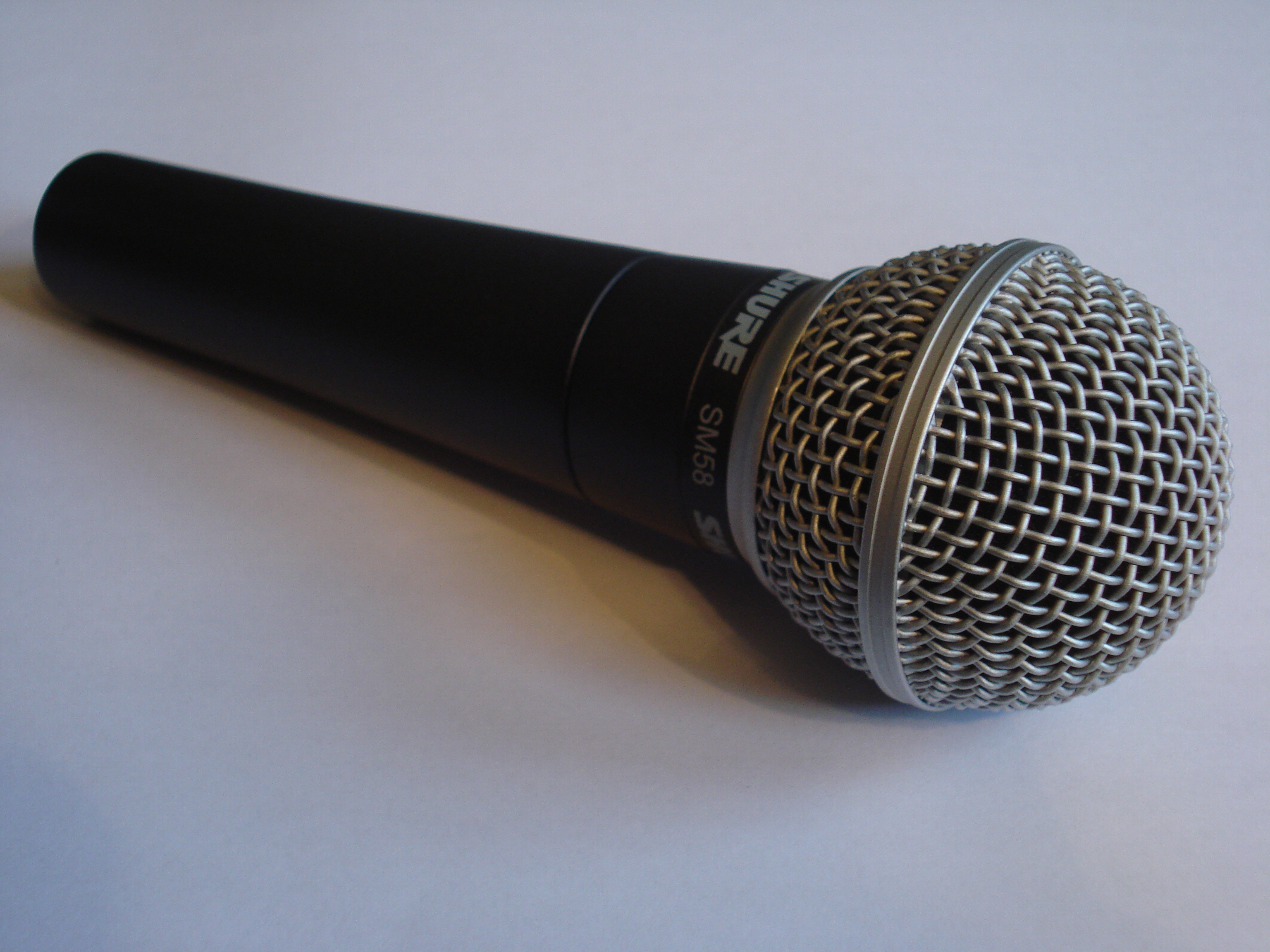
The clearest example is the SM58, introduced in 1966 and still a best-seller. Touring crews trade stories about ones that survived drops, spilled drinks, and the occasional drumstick. That folklore is the product. In live sound, a microphone that fails mid-show is a catastrophe, so engineers reach for the boring, indestructible default. Shure has spent 60 years being that default.
Every US president since Lyndon Johnson has spoken into a Shure SM57.
Who buys itFrom arena stages to the ceiling above your meeting
Shure's customers split into groups that would never sit at the same table. Front-of-house engineers and touring artists want wireless that survives a crowded RF environment. Broadcasters and studios want a known quantity. Houses of worship want reliability on a budget. Podcasters and streamers, a newer audience, adopted the SM7B almost by accident and turned a 1970s studio mic into a cultural object.
Then there is the quietest and fastest-growing group: the corporate AV and IT teams standardizing meeting rooms. Shure's Microflex Advance array microphones hang in the ceiling, aim steerable pickup lobes at whoever is talking, and run audio through IntelliMix DSP software. Most people in those rooms never see the hardware. That invisibility is the point.
The problems it solvesReliability, crowded airwaves, and rooms that hear you
Strip away the categories and Shure solves a short list of hard problems. First, durability - gear that works after abuse. Second, wireless spectrum - as airwaves get crowded and regulators reclaim bandwidth, systems like Axient Digital fight to keep dozens of channels clean, encrypted, and interference-free at a live event where a dropout is unacceptable. Third, the meeting room - capturing intelligible speech from people scattered around a table, then cleaning it up so a remote colleague can actually follow.
- Durability that survives touring, worship, and rental-house abuse
- RF spectrum management for high-density wireless environments
- Speech clarity and noise reduction for hybrid conferencing
- Networked audio over IP (Dante, AES67) for scalable installs
- Certified integration with Microsoft Teams and Zoom Rooms
How it's differentNot the loudest brand - the least-questioned one
Shure competes against Sennheiser, Audio-Technica, AKG, Bose, Yamaha, RODE, and DPA, plus Poly and Jabra in conferencing and Sony and Beats in consumer audio. It rarely wins by having the flashiest spec sheet. It wins because a buyer under pressure - the engineer, the integrator, the church volunteer - defaults to the brand least likely to embarrass them. In categories where failure is public and expensive, "nobody gets fired for buying Shure" is a real moat.
Shure has developed more than 50,000 different products in its first 100 years.
Products & servicesTwo 1960s mics, and everything built around them
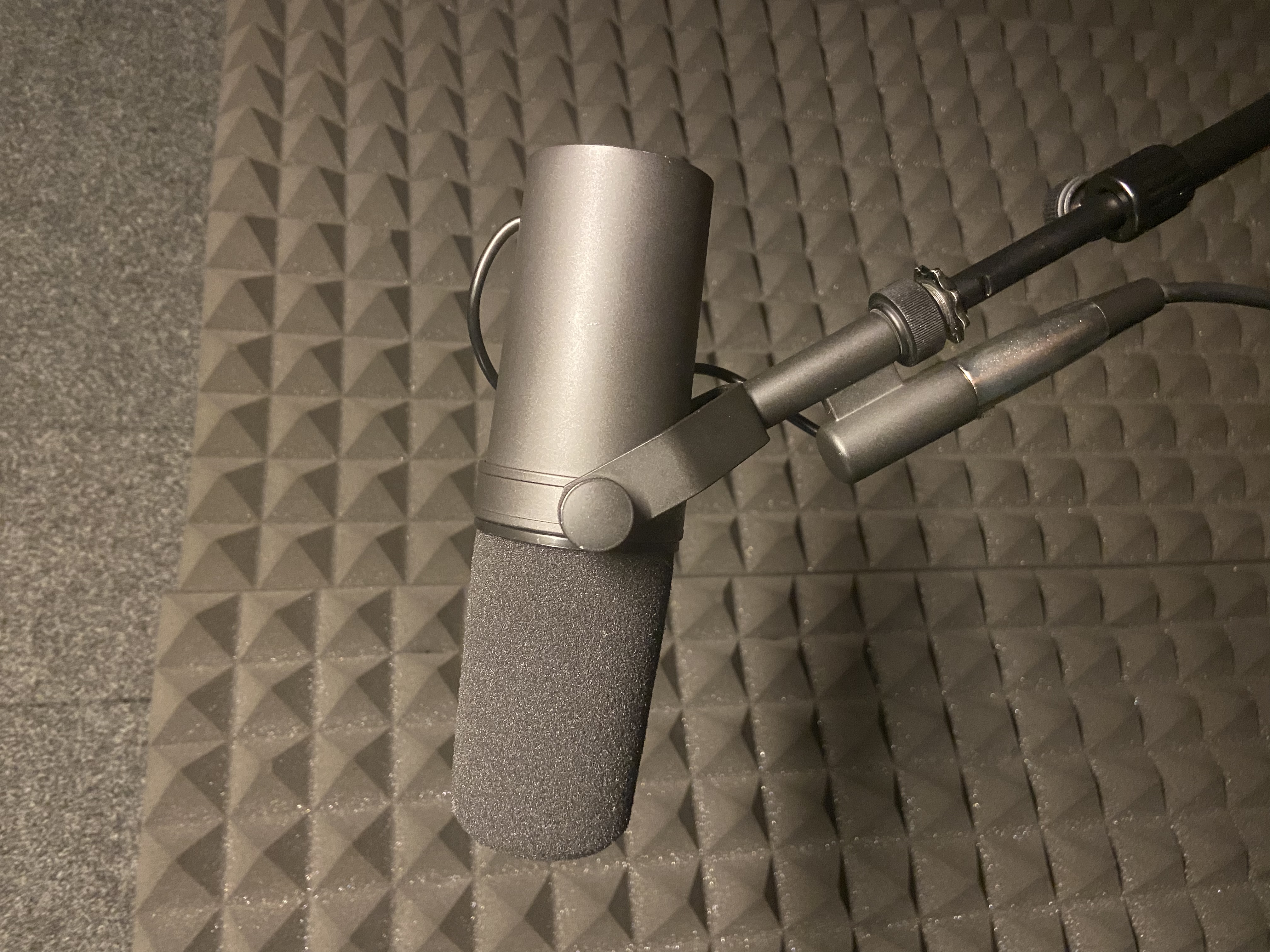
The catalog is deep. The dynamic mics - SM57, SM58, SM7B, the 1939 Model 55 "Elvis mic," and the newer Nexadyne line with its patented dual-transducer design - remain the signature. Above them sit wireless systems (Axient Digital, ULX-D, SLX-D), PSM in-ear monitors for performers, and the Microflex conferencing arrays paired with IntelliMix DSP. On the consumer side, the Aonic headphones and earphones, unveiled at CES 2020, and the MOTIV creator mics (MV7, MV88) chase podcasters and streamers.

The business modelHardware first, software creeping in
Shure sells through professional-audio dealers and distributors, AV and IT system integrators, retail and e-commerce, and unified-communications channel partners. The classic model is a hardware unit sale. The interesting shift is the software and systems layer: IntelliMix Room DSP was the first software DSP certified for Microsoft Teams, and it turns a mic sale into an integrated-room sale. That move - from selling microphones to selling meeting-room audio systems - is the quiet growth story inside a legacy brand.
The century, brieflyRadio kits to networked ceilings
Expertise & independenceThe case for never going public
Shure's deepest expertise is transducer design - the physics of turning sound into a clean electrical signal, then defending that signal across wireless, DSP, and networked audio. But its most unusual asset is its ownership. Founder Sidney Shure ran the company for roughly 70 years; after his death in 1995, his widow Rose L. Shure chaired the board into her 90s and reaffirmed that the company would stay private. In an industry that consolidated hard, that independence let Shure optimize for the long product life its buyers reward, rather than for quarterly numbers.
Where it fits in the market is best described by a single image: the same company makes the mic on the arena stage and the mic in the boardroom ceiling. Few competitors span both ends with equal credibility. Shure got there by being unglamorous on purpose - picking a handful of things that are genuinely hard to do well, and then doing them for a very long time.