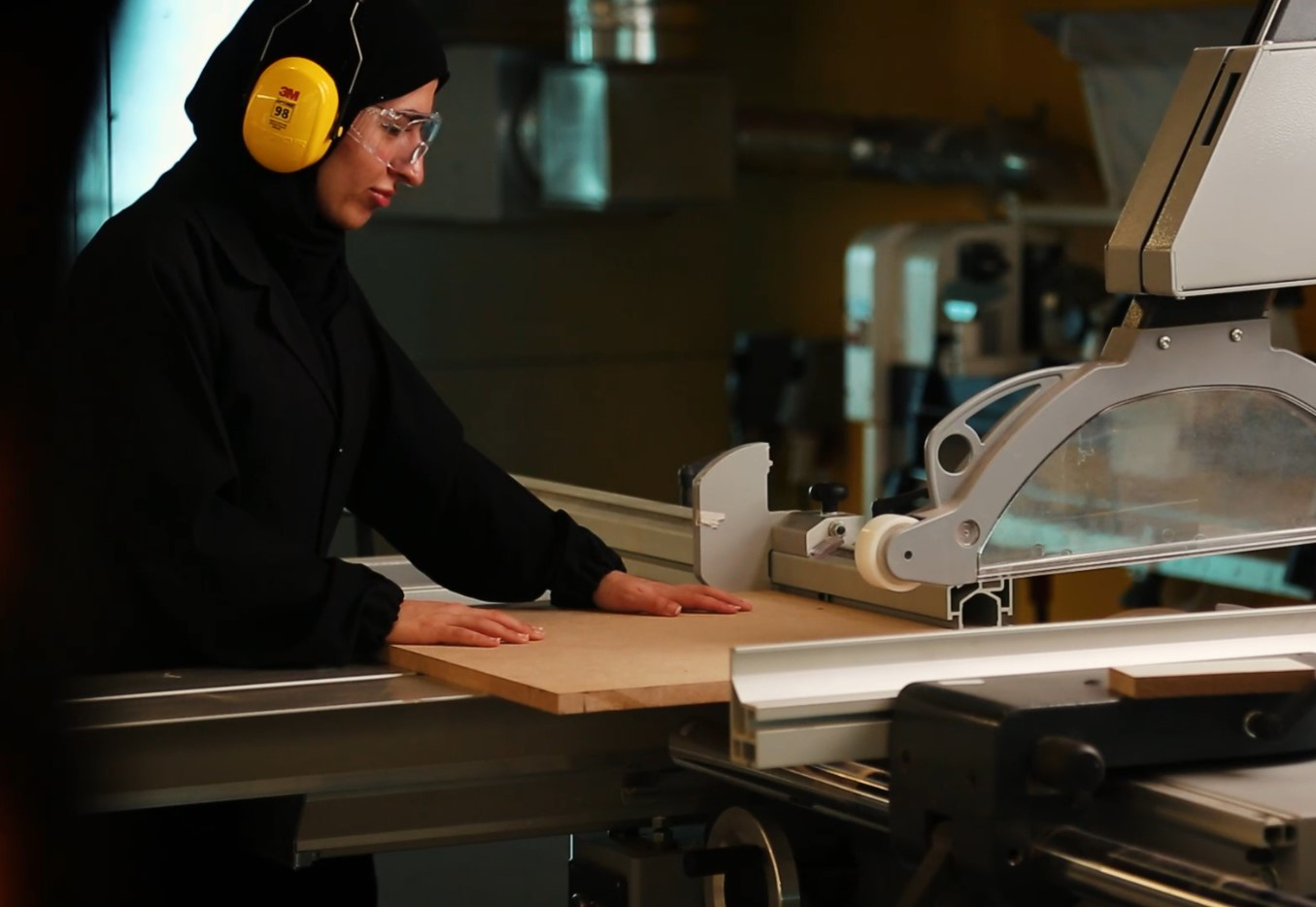
A wood shop is an unexpectedly good place to begin a story about innovation. Wood has no patience for a pitch deck. A joint fits or it does not. At SoiLab, the prototyping centre inside Sharjah Research, Technology and Innovation Park, entrepreneurs can work with CNC routers, lathes and cutting tools. Elsewhere in the same facility are electronics benches and 3D printers. The proposition is refreshingly physical: before explaining how your product will change the world, try making one.
- SPARK combines free-zone business setup with research and prototyping support.
- SoiLab offers shared workshops, onboarding and technical guidance.
- Universities and industrial partners help connect experiments to commercial problems.
That is the useful way into SPARK. A UAE company can need permission to trade, somewhere to work, people who understand its technology and a route to customers. Those needs usually arrive together. SPARK places administrative services beside facilities and partnerships intended to move an idea towards a product. The interesting question is how much friction that arrangement can remove.
The university is part of the machinery
Established by decree in 2016 by Sharjah’s ruler, Sheikh Dr. Sultan bin Muhammad Al Qasimi, the park sits beside University City. Its strategy followed work by Fraunhofer IPK, commissioned by the American University of Sharjah’s trustees to match existing capabilities with regional opportunities. This was an attempt to build around available knowledge, rather than simply put a research label on real estate.
The university connection runs deeper than geography. A 2020 decree amendment specified that the free-zone authority was wholly owned by the American University of Sharjah. The park’s organising idea brings government, universities and industry into the same conversation. Officials call it the triple helix. In less ceremonial language, the researcher needs a problem, the manufacturer needs an answer, and someone must arrange the introduction.
One concrete arrangement appeared in September 2025: a three-year master research agreement involving SPARK, the American University of Sharjah, the University of Sharjah and National Paints. A paint manufacturer gives that partnership something especially valuable: an industrial setting in which research can have a purpose. The arrangement illustrates SPARK’s role as a broker between institutions with different incentives.
Connect → Prototype → Test → Commercialise
A licence is the beginning of the bill
SPARK also sells an ordinary, necessary service: company formation. Its official landing page advertises a zero-visa Starter package at AED 3,999, including a licence and lease agreement, co-working access, up to three activities and one shareholder. Tax consultation and bank-account opening assistance appear among the listed benefits. Corporate tax registration and bookkeeping are excluded from that entry package.
That price is an entry offer for specified administrative services. It is not a budget for building a medical device or running a manufacturing pilot. For a founder, the sensible calculation separates registration, visas, workspace, equipment access and development work. A small headline price can make the first step approachable while leaving the expensive technical questions exactly where they belong: in the project plan.
The commercial model combines paid licensing and setup services with workspace and venue rental. The intended customers span founders, SMEs, researchers and international businesses entering the UAE. For a business choosing among free zones, SPARK’s distinctive case rests on access to research and making facilities. A founder who only needs an administrative base may place a different value on those extras.
The prototype gets a workbench
SoiLab makes the offer tangible. Its wood, metal, laser, 3D and electronics spaces let members work across several kinds of fabrication. The benefit is straightforward: a young company can investigate a product without first assembling an entire workshop. Shared tools also make it possible to change the approach when the first version proves awkward.
Access has conditions. The current SoiLab page specifies registered membership or partnership, onboarding and equipment booking. It also offers safety training and technical support. External companies can collaborate through official partnerships or innovation programmes. For anyone planning to use it, the practical first move is to identify the process and equipment required, then establish access before promising a delivery date.
Before explaining how your product will change the world, try making one.THE WORKSHOP TEST
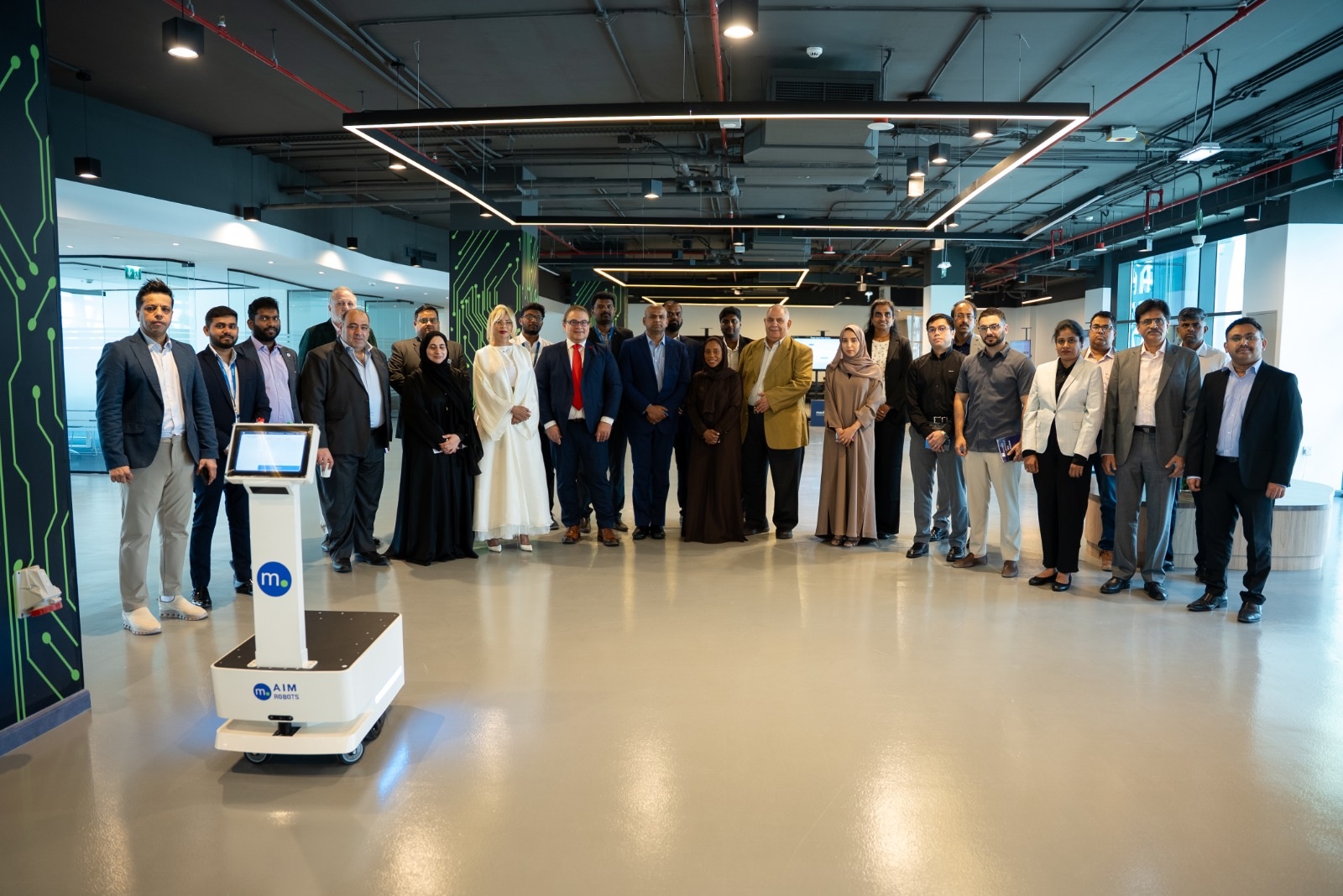
Industrial expertise comes through partners, too. Maxbyte launched its Industry X.0 Innovation Hub at the park in July 2025. Its programme included industrial transformation, education and career development; a separate manufacturing session covered AI applications, predictive analytics and digital twins. These activities supply a more inspectable account of collaboration than a list of impressive logos.
Even an innovation park can trip over its name
The park’s own communication needed some engineering. In October 2025 it adopted SPARK as its unified brand, replacing SRTIP and SRTI Park. The explanation included a wonderfully mundane problem: the previous abbreviation was “often mispronounced or confused.” An institution devoted to making ideas usable had discovered that its name was getting in the way.
That is a lesson other organisations can copy without buying a laser cutter. Listen to where people stumble. Here, a review of local and international communication led to one short name across the park’s activities. The change did not prove anything about research outcomes. It did make the institution easier to recognise, discuss and introduce.
Count the transaction, then test the technology
SPARK reported more than 1,200 licensing transactions across January and February 2026, including formations and renewals. That distinction matters: transactions measure administrative activity, not 1,200 new inventions. A research park’s deeper test is whether businesses can progress from registration to useful work, and from useful work to customers.
The next agricultural project follows that sequence explicitly. In September 2026, SPARK announced a planned innovation centre with Tathmeer Agri Tech. It is intended to demonstrate, test and validate technologies before commercial deployment, combining controlled-environment agriculture, hydroponics, automation and digital monitoring. As of October 8, it remains an announced development. Sharjah Next’s sustainability forum is also ahead, scheduled for October 28-29.
For founders, the transferable idea is to organise support around the next obstacle. Need a prototype? Find the tools and guidance. Need an industrial question? Find a partner with one. This arrangement depends on suitable equipment, accessible expertise and willing collaborators; registration alone cannot supply them. SPARK’s appeal is that these conversations can start in the same place. The workbench gives the invitation some weight.
Official website · SoiLab · Setup packages · Park news · LinkedIn · X · Facebook · Instagram · Introduction film and resources