A player taps a button, and the stakes double. Nothing has happened to the cards. Nobody has drawn a sword. Yet the opponent suddenly has a different problem: is this confidence, or a bluff? That small disturbance is the center of Marvel Snap, the debut game from Second Dinner. The superheroes get people through the door. The uncertainty gives them something to do once they arrive.
- The product: competitive Marvel card battles designed to take about three minutes.
- The wager: fewer cards and shorter matches can still reward serious thought.
- The catch: a quick game requires a continuing business, with all the expense and friction that implies.
Second Dinner competes for a peculiar piece of the day: enough time to want entertainment, too little to settle in. A commuter, a card-game veteran, and someone who simply likes Spider-Man can enter the same small contest. Its practical offer is understandable without a presentation: build a team, make a few consequential decisions, and finish before your coffee has gone cold.
The idea came from the table
Ben Brode and Hamilton Chu had helped make Hearthstone at Blizzard. In 2018, they started Second Dinner; fellow Blizzard veterans Jomaro Kindred, Yong Woo, and Michael Schweitzer completed the founding group. Their expertise covered design, production, art, and engineering. Expertise, however, did not arrive with a finished concept attached.
“We didn’t have any ideas,” Brode told Apple. The founders played board games. Chu suggested borrowing backgammon’s doubling cube, a device that lets a player raise the stakes. They tried it. Early rounds used the backs of business cards, with character names and powers written by hand. The foundations emerged in two days; refinement occupied the next four years.
That gap deserves attention. A prototype can establish that a decision is interesting. Turning it into something strangers understand, enjoy, and return to is another task. In Snap, retreat even gets its own encouraging verdict: “Escaped!” Leaving can protect your ranking cubes. The interface gives a sensible withdrawal a little dignity.
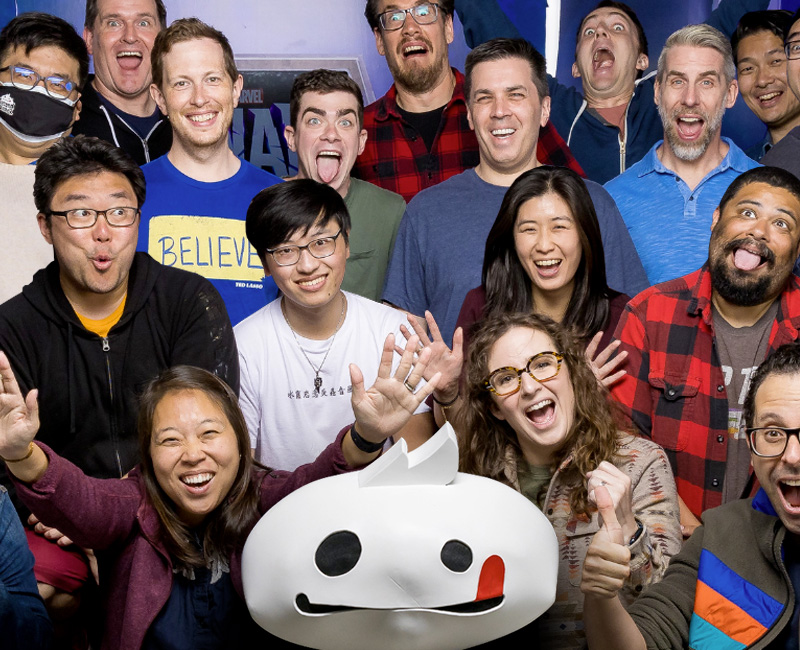
Twelve cards. Plenty of trouble.
The standard contest uses a 12-card deck, three locations, and six turns. Players commit cards during the same turn, then watch their choices resolve. Winning two locations matters more than piling everything into one. Locations bring their own conditions, so a familiar deck meets a changing board. The arithmetic is compact; predicting another person is less obliging.
Hearthstone, Magic: The Gathering Arena, and Yu-Gi-Oh! Master Duel offer other routes into digital card competition. Snap makes its case through compression and location control. The snap button adds another judgment: how much confidence should you express, and when? A weak position can still contain an opportunity to persuade someone else to leave.
Kindred’s art direction supplies another reason to care. Marvel’s characters become collectible objects, with alternate illustrations and animated effects. The licensed universe reduces the work of introducing an unfamiliar cast, while the card combinations create fresh relationships between familiar faces. It places Second Dinner between mass-market superhero entertainment and the more specialized pleasures of competitive deck building.
The shop was an early wrong turn
One conspicuous failure arrived during the 2022 beta. Nexus Events offered randomized rewards through purchases with Gold. Players objected. On July 29, the studio announced that future Nexus Events were being removed. An August patch returned the Gold players had spent and granted the Jane Foster base card to existing accounts.
“These changes are just a first step that we could implement quickly.”Marvel Snap developer note, July 29, 2022
The response matters because it changed a running product. Feedback reached the roadmap through a canceled feature and compensation. The lesson a reader can copy is concrete: test the commercial experience with the same seriousness as the game, and make a reversal visible when the experiment disappoints customers.
Marvel Snap launched globally on October 18, 2022. It is free to play, with paid passes, currencies, bundles, and cosmetic variants. Purchases also intersect with card acquisition and progression. That creates an enduring tension: the studio needs revenue, while players need to feel that competition and collecting remain worth their time.
Small matches, substantial backing
Second Dinner had announced $30 million from NetEase in January 2019, alongside its Marvel partnership. A $100 million Series B led by Griffin Gaming Partners followed in January 2024. At that point, the company reported more than 22 million downloads and $200 million in cumulative Snap revenue. Those are historical totals; downloads do not count the people still playing.
Financing received, not a disclosed game-development budget.
The funding bought room for continued development and further titles. The company also advertises remote or flexible work, retirement contributions, and paid parental leave. Those are choices about sustaining the people doing the work. They carry obligations beyond shipping the next card.
Then the business needed rebuilding
In January 2025, Snap’s US service was interrupted amid the TikTok shutdown because its publisher, Nuverse, belonged to ByteDance. Second Dinner subsequently announced Skystone Games as a publishing partner while bringing responsibilities in-house. By June 10, it was shipping a patch on a platform it owned and operated, alongside a new web shop.
Control required more work. The transition included mandatory client updates and the end of Samsung Store availability. In May 2026, Second Dinner confirmed 16 layoffs to Mobilegamer.biz, which reported that another game remained in development. Earlier funding and awards had not removed the need for hard operating decisions.
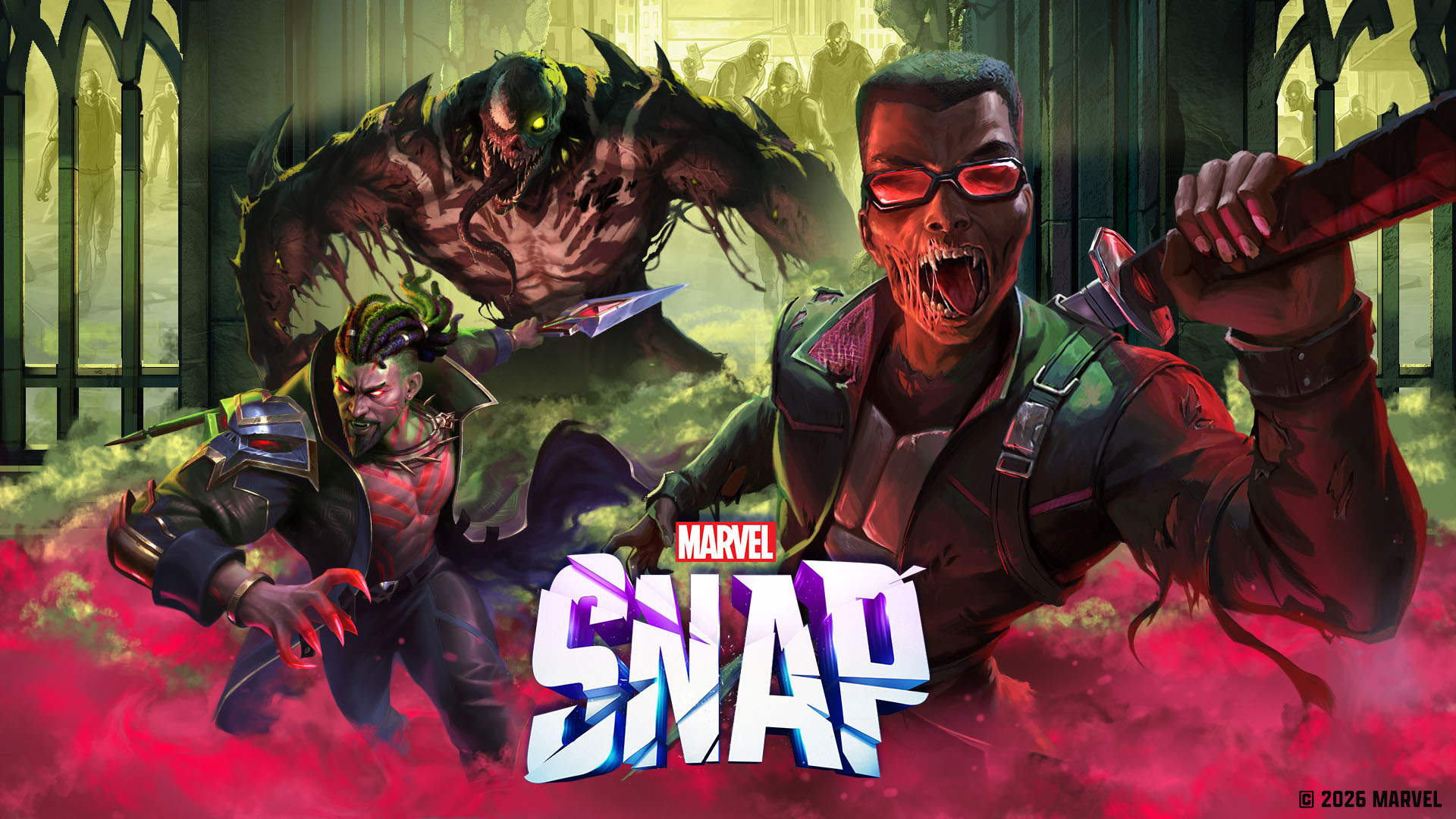
Snap continued with its Vampires vs. Zombies season in October 2026 and a balance update on October 15. That continuing maintenance is part of the product customers receive. A studio copying the short-match idea still needs distribution, reliable service, desirable art, and a workable economy. Without those, shaving minutes off a match solves only one problem. Second Dinner’s achievement is making those minutes inviting. Its ongoing assignment is earning the next three.