Consider the cauliflower wing. It has a difficult assignment: impersonate a food people already love, survive a journey in a container, and persuade someone to buy it twice. Salted says it spent more than two years perfecting its low-carb version. Two years is a rather long meeting with a vegetable. It is also a useful introduction to a company whose business depends on what happens after dinner leaves the kitchen.
- Salted owns and operates restaurant brands built around delivery and pickup.
- Several menus can share kitchen infrastructure, while keeping distinct identities.
- Its wager: dependable food and digital hospitality can bring customers back.
Calling Salted a ghost-kitchen company captures the missing dining room and misses much of the work. A kitchen provides somewhere to cook. A restaurant brand provides a reason to eat. Salted wants to build the second using the first, with enough operational control to make a customer’s favorite lunch recognizable in another city.
Dinner had too much homework
Salted began in 2014 with founder Jeff Appelbaum’s online cooking school. The early proposition was about access: respected chefs could teach through video, reaching people who would never enroll in culinary school. In a contemporary interview, Appelbaum described a familiar frustration with online recipes: deciding whom to trust.
By 2016, SaltedEats was delivering ingredients alongside chef instruction in Los Angeles. Customers could buy dishes individually rather than commit to a subscription. The offering included food associated with restaurants such as Bestia and Petty Cash Taqueria. A screen could teach you what to do; a delivery could spare you the shopping expedition.
The progression is revealing. Lessons supplied knowledge. Kits supplied materials. Restaurant operations eventually supplied the finished meal. Each version moved another piece of dinner onto Salted’s side of the transaction. These were substantial changes in the business, rather than a new coat of paint on the website.
The earlier models were superseded. That does not establish that nobody wanted them, or that one dramatic revelation caused the switch. What the sequence does show is a company changing how much effort it asked of the eater. By 2018, delivery-first restaurant brands had become its focus.
Several menus, one operating system
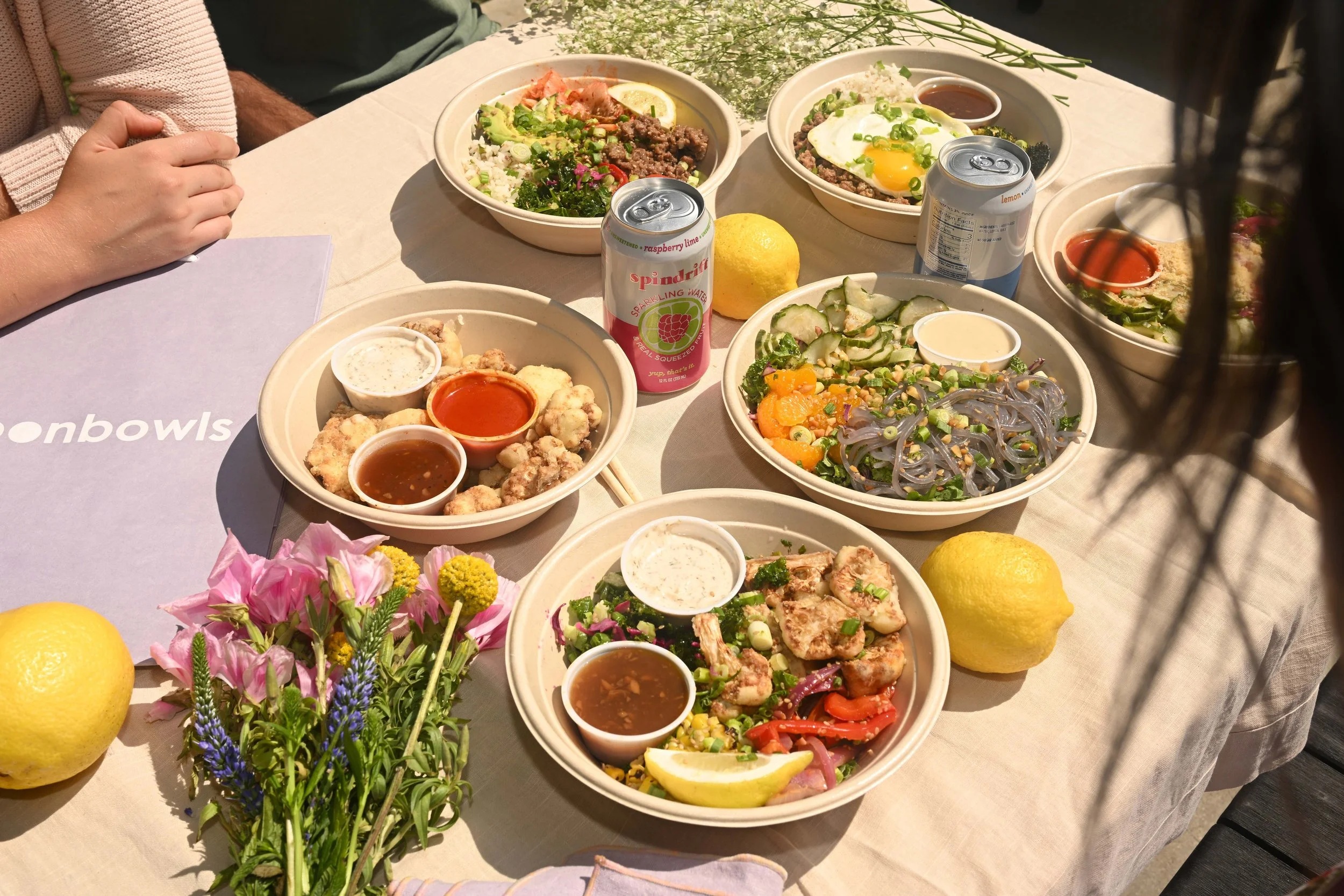
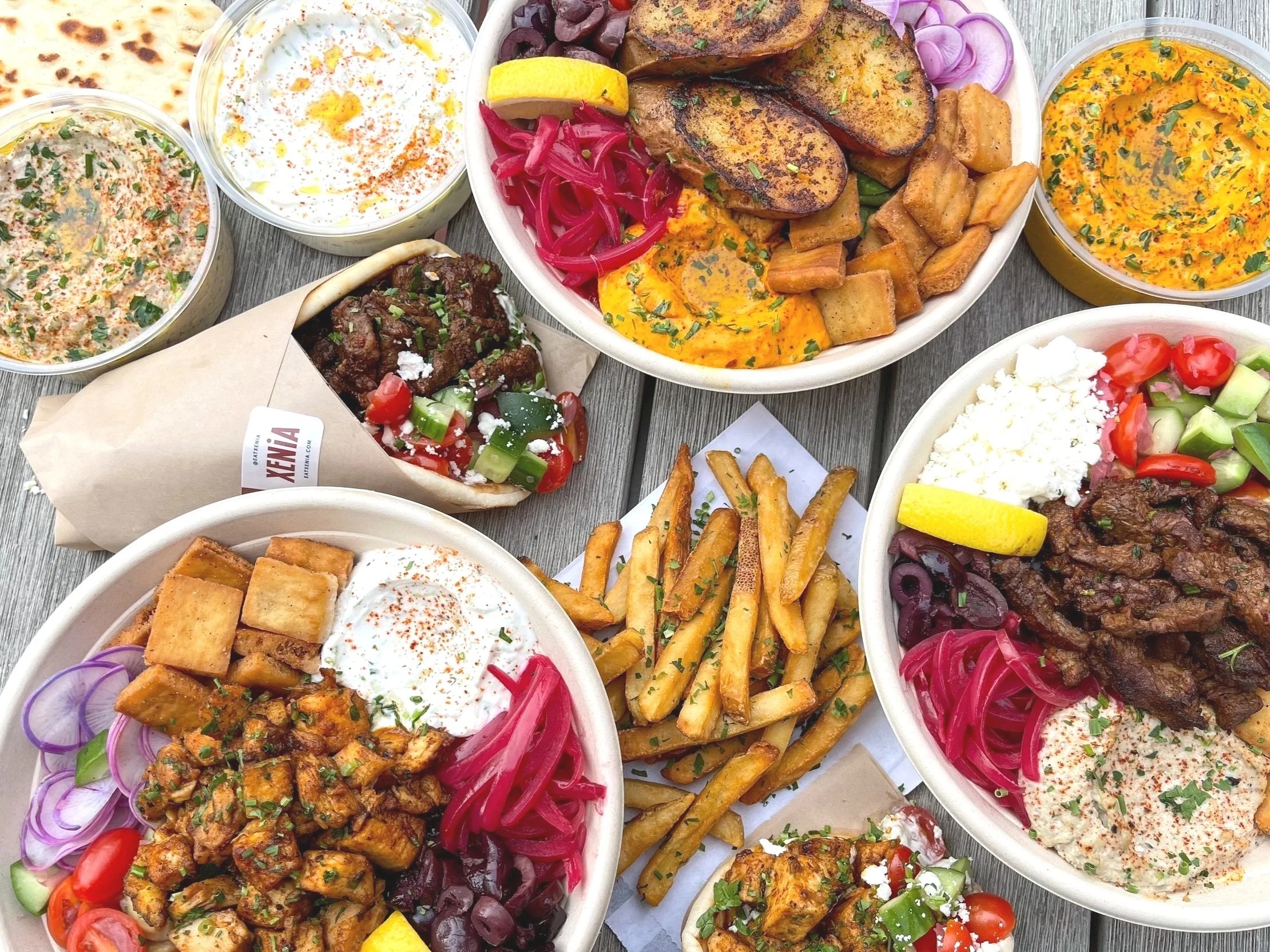
Today’s portfolio gives that effort several personalities. Moonbowls offers Korean-inspired bowls and salads. Xenia serves Mediterranean bowls, pita sandwiches, and plates. Zuzubowls draws on Caribbean flavors. Thrive Protein Bowls addresses people tracking macros, while Hungry Hibachi and Big Daddy’s Hawaiian answer different cravings.
The customer is usually buying a meal from one of those names, rather than shopping for Salted itself. Someone needs a convenient lunch, someone wants a vegetable-forward dinner, someone else is organizing food for a meeting. Moonbowls and Xenia offer catering as well as individual orders. Availability depends on the customer’s address.
Behind those choices sits a shared operating structure. Salted develops or acquires concepts, runs kitchens, and uses its proprietary saltedOS software. Its current company description puts operations in 10 states. The platform language refers to infrastructure supporting its restaurants; the consumer proposition remains something you can eat.
Salted competes for many of the same meal occasions as Cava, Sweetgreen, Chipotle, and neighborhood takeout. Its distinction is the combination of several owned brands with operations planned around pickup and delivery. For the eater comparing bowls on a phone, however, corporate structure is background information. Taste, convenience, price, and the memory of the previous order do the selling.
Hospitality needs a feedback loop
In a dining room, a disappointed customer can wave. On a delivery order, the equivalent signal may arrive after the meal, through a rating or complaint. Distance changes what a restaurant can notice and how quickly it can respond.
Salted’s response includes photographs. In 2023, Appelbaum described a system that records food on production lines, tags images for quality, and returns feedback to kitchens. Staff can spot a vegetable that has not been properly charred before it reaches the customer. Software becomes a way of making a dispersed operation more observable.
“Our core product is not actually food”Salted’s published values, which identify trust as the product.
There is an ordinary restaurant idea underneath this: somebody has to check the plate. Salted is attempting to make that checking work across a network. Owning and operating the brands gives it responsibility for the result. That differs from renting kitchen space to unrelated operators, where the landlord and the person cooking dinner have different jobs.
The money behind the meal
Physical food businesses still require physical money. Salted raised a $16 million Series A in 2021, led by Creadev, with Proof Ventures and B. Riley Financial participating. A $14 million Series B followed in 2023. Those are financing amounts, rather than a price tag for opening a kitchen or evidence of company-wide profit.
Capital raised in these rounds. Not revenue or operating expenditure.
In 2023, Salted also acquired Xenia, its first external brand purchase. The move expanded the possibilities of its infrastructure: a concept developed elsewhere could enter the network. Acquiring a menu does not eliminate the work of producing it consistently, but it changes where the next restaurant idea can originate.
Revenue comes from meals. Delivery marketplaces help customers find them, while direct websites and apps offer another route. Moonbowls explicitly encourages direct ordering because lower third-party costs let it reinvest in kitchens and customer experience. Its economic interests are visible right beside the order button.
Build for the last mile of dinner
For operators, the useful lesson is to design around where the product will be consumed. A dish headed across town needs recipes, packaging, and checks suited to that trip. Test the experience there. Then shorten the distance between a customer’s complaint and a change in the kitchen.
There are limits. Shared infrastructure needs sufficient demand to justify its costs. A restaurant whose appeal depends on a room, a performance, or food eaten immediately may lose too much in transit. Multiple brands also add complexity; software cannot compensate for a team that cannot execute the menu.
For eaters, the practical test is easier. Check a brand’s local menu, choose a meal that fits the occasion, and see whether the next order earns the same confidence. Salted can organize the kitchens, finance the expansion, and photograph the vegetables. Dinner still gets its review at the table.