A used oil filter is a rather terrible advertising prop. It is black, greasy and most memorable when it leaks into the trunk. Yet in Los Angeles County it became the center of a public-education assignment worth $340,000 a year. The task was not to make motor oil glamorous. It was to persuade people across a sprawling, multilingual county to carry the stuff to a collection center instead of sending it somewhere worse.
The agency hired for that work was SAESHE, a small Los Angeles communications firm established in 1993. In 2018, the county approved a contract with a maximum potential value of $1.683 million over 54 months. The work covered media relations, community events, logistics and program assessment. A decade earlier, the same agency had received an initial two-year award capped at $1 million for the regional recycling program. This is the useful clue to SAESHE. Its real product is not a press release or a banner ad. It is the last mile between an institutional intention and something a person might actually do.
The audience was never “everyone”
The neatest description of SAESHE appears in a Los Angeles County account of VaccinateLA. The document says the agency represented almost every Asian American subgroup and used first-hand cultural experience to notice nuances that conventional outreach missed. SAESHE's role was to develop customized messages and materials for Asian American communities. The wider campaign appeared in community newspapers, radio, television, social media and at events ranging from a Philippine Independence Day celebration to a Dodgers game.
That distinction matters. Translation changes words. Cultural strategy changes the premise, the messenger, the setting and sometimes the channel. A perfectly translated immunization message can still feel like it arrived from nowhere. SAESHE's advantage is its habit of beginning with a particular audience and working outward. The agency's portfolio shows the same instinct in commercial form: it adapted Pala Casino material into four languages and built a plan aimed specifically at Asian American players in Southern California.
The last mile between “we should tell people” and “people did something” is where SAESHE earns its fee.YesPress
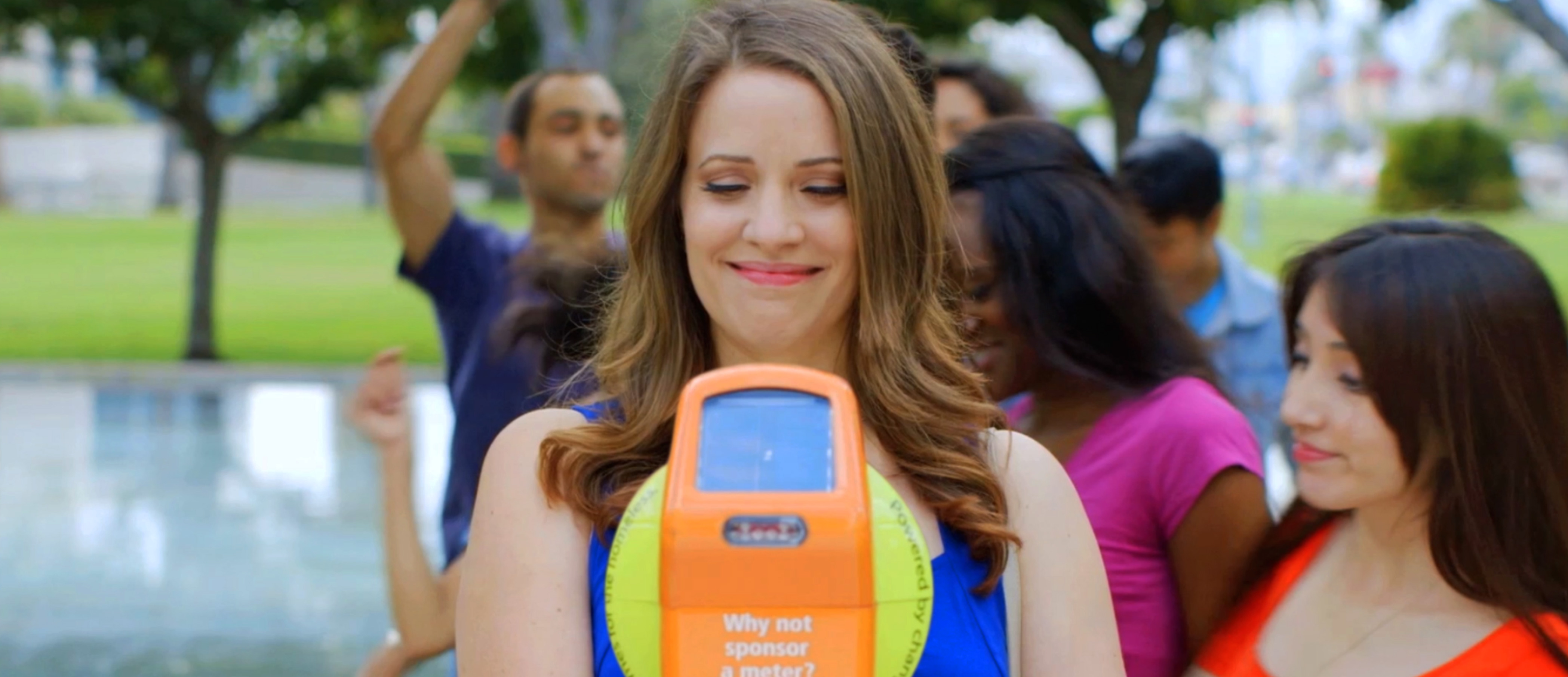
A parking meter gets a second job
For the Real Change Movement, SAESHE worked with the City of Pasadena and ArtCenter College of Design on a program about homelessness. The physical idea was disarmingly simple: repurpose parking meters as donation meters. The agency developed the identity, website, advertising and social media, then staged a press conference with community stakeholders to unveil them.
The meter did several jobs at once. It accepted money, made the issue visible in the street and gave local media an object to photograph. This is integrated marketing in its least bureaucratic form. There was no need to explain how the channels connected because the object connected them. A passerby saw it, a reporter could point a camera at it, and the website provided the next layer of information.
One brief, four kinds of attention
Conceptual map based on the agency's published capabilities - not a performance score.
From a Thai jet to a Korean snack cake
SAESHE's travel work reveals how the same operating system stretches. For Thai Airways, the team moved from print, outdoor and television into digital advertising as media habits changed. It built a U.S. website with a booking engine connected to the airline's global ticketing system, ran an email newsletter and the U.S. Facebook page, hosted media familiarization trips, opened a New York gateway, arranged a Mercedes partnership and even organized a Rose Parade float.
For Tourism Malaysia, the agency worked with the U.S. and Canadian offices to increase destination awareness and tourist arrivals. Journalists, bloggers and influencers were taken on curated trips so they could experience the place before writing about it. Advertising used direct calls to action, industry co-ops, email and digital media. Trade-show booths and cocktail events completed the circuit. The attractive lesson is that a familiarization trip is simply a product demo where the product happens to be a country.
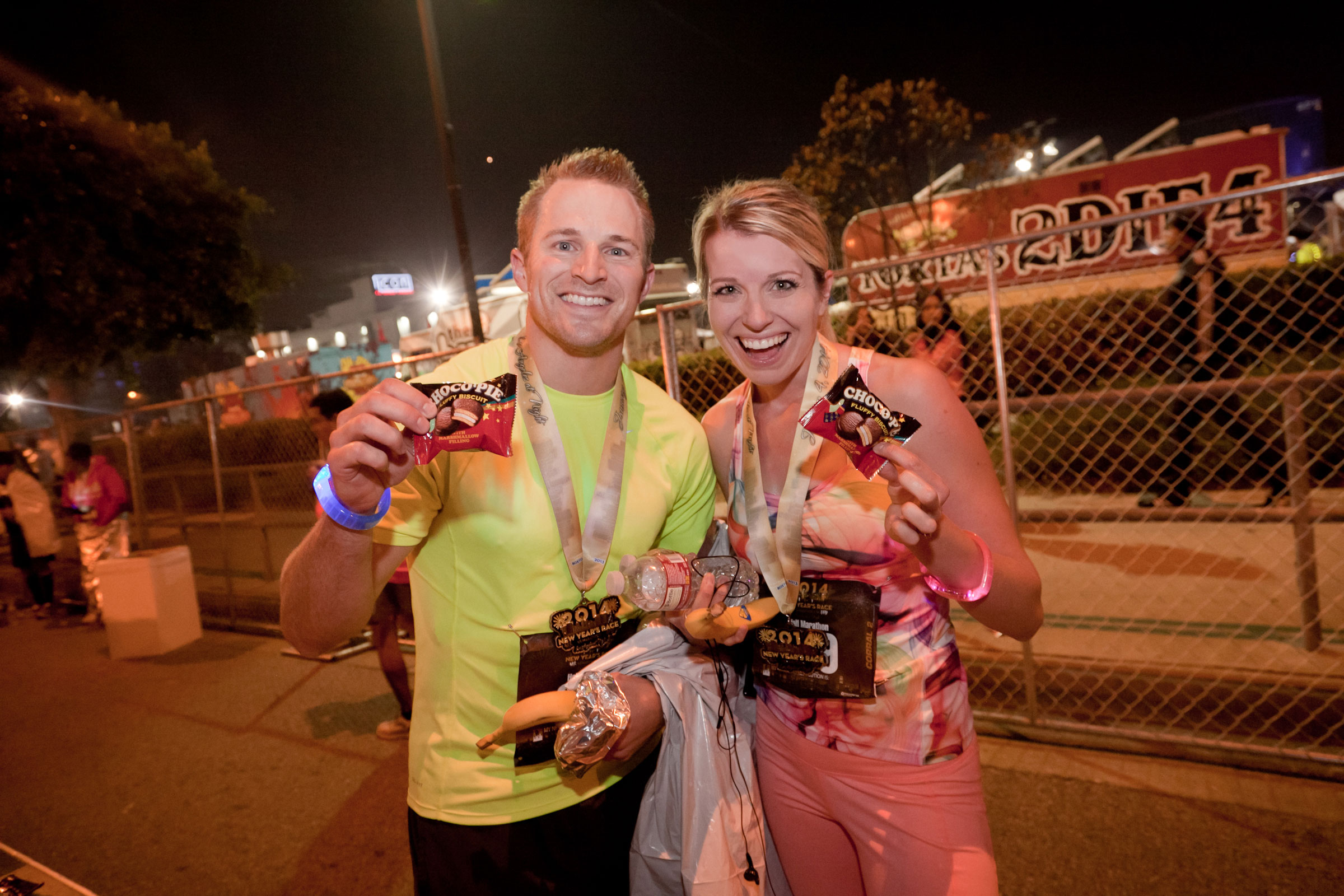
Orion posed the inverse problem: bring a Korean snack brand into the United States. SAESHE mixed community events, social media, an interactive store map and a Dodgers sponsorship. Ads in the stadium were reinforced by a partnership with first baseman Adrian Gonzalez. The product was a Choco Pie; the strategy made it part of a recognizable Los Angeles occasion.
The first casualty was the single-channel plan
SAESHE does not describe a grand conversion from old media to new. Its case studies suggest something more practical. As the advertising landscape changed, the Thai Airways mix acquired digital media. The public-relations practice expanded beyond pitching editors to include bloggers, vloggers, social stories and search effects. Traditional media survived because billboards, radio, print and television can still produce recall. What disappeared was the assumption that one channel could carry the entire job.
The agency sells brand audits, positioning, creative development, public relations, events, paid search, programmatic buying, social media, website development and media buying. Clutch lists a $10,000 minimum project and an hourly range of $100 to $149. A former creative director says the agency won an $8 million Pala Casino account; the rebrand spread from print and digital advertising to property signage, key cards and guest-room doors. In other words, the deliverable could be a media plan or nearly the entire visible world around a customer.
They tried being the client
The oddest case study may be the most revealing. Dirty30 was an in-house fashion label created so the team could test emerging retail technology and new ideas. Staff wrote the business plan, chose products, ran photo shoots, built the website and marketed affordable dresses through digital ads and fashion bloggers. The stated benefit was perspective: everyone on the team learned what it felt like to run the business.
That experiment puts a small barb into ordinary agency advice. A click is not merely engagement when you own the inventory. A pretty campaign cannot console you when the cart is empty. Dirty30 gave SAESHE a short route from marketing theory to commercial consequence - an experience worth remembering when a client asks where the budget went.
“We clearly outline goals, and take transparency seriously.”SAESHE on digital marketing
The copyable part is a calendar
SAESHE's most portable idea is almost comically unglamorous. The agency sets benchmarks for 30, 60 and 180 days, then uses the intervals to see what is working, recalibrate and concentrate on what resonates. The method shrinks an abstract annual ambition into three moments when somebody must look at the evidence.
A reader can borrow four things from the larger playbook. Define the audience more narrowly than feels comfortable. Put the message where that audience already gathers. Let people experience the product when experience is the proof. And give the campaign dates on which it must explain itself.
The approach has conditions. Cultural specificity requires people with actual context, not demographic labels pasted onto generic creative. Integrated work requires enough budget and authority to connect media, events, digital and measurement. Familiarization trips only help when the experience stands up to scrutiny. Short benchmark cycles become destructive when the goal is slow trust rather than immediate response. SAESHE's own philosophy leaves room for that distinction: digital can deliver a quick return, while traditional media can build the brand over a longer horizon.
This is where SAESHE fits in the market. It is smaller than a holding-company network and broader than a specialist PR boutique. Its public record is strongest where the audience is culturally specific, the client is institutionally complex and the message must move through several forms before it becomes action. A vaccine, a donation meter, a plane ticket, a casino visit, a recycled oil filter - strange neighbors, until you notice that each asks a person to change course.