The dangerous moment in a software project can arrive while everything appears to be going well. The client wants more. The project grows. Everyone keeps building. In Rootstrap’s earlier incarnation, Neon Roots, an unexpectedly expanding project nearly bankrupted the agency. Growth, that reassuring word, had become the problem.
What followed was a reconsideration of the bargain between a developer and a client. Why accept an order for an application as evidence that the application should exist? Why discover whether people want it after spending the money? Rootstrap’s answer was a workshop that moved those questions ahead of development. The agency had found a reason to slow the conversation down.
- Rootstrap sells product strategy, design and engineering to startups and enterprises.
- Clients can buy discovery, a complete build, or engineers embedded in their own teams.
- Its current AI method puts shared business rules and human approval around automated work.
A workshop became the company
In a 2016 interview, cofounder Ben Lee described the original Rootstrap workshop: test the proposition with users, make a clickable prototype, and map development before writing code. He also supplied unusually concrete prices: workshops started at $20,000; subsequent Neon Roots development engagements typically started at $250,000, with the workshop fee credited against the build. Those are historical prices, but they reveal the stakes.
The concern was incentives. An agency billing for hours could earn more by building a larger application, even when the customer needed a smaller one. Rootstrap made examining the idea a distinct purchase. Its later roadmapping account describes founders spending heavily before learning there was no market. Discovery gave them an earlier decision point.
CEO David Jarrett dates the business’s beginnings to 2011 and its present form to a 2017 merger between a Los Angeles digital agency and a Uruguayan development firm. Both predecessors were bootstrapped. The combination joined product work with engineering capacity across borders, after the two businesses had already collaborated.
The useful kind of invisible
Consider MasterClass. A streaming service needs programmers as well as recognizable instructors. Its difficulty finding React developers became Rootstrap’s opening. Embedded engineers initially worked on the web product; the relationship expanded into payments, mobile, television and other initiatives. During the pandemic surge, Rootstrap says it doubled its already substantial team there in under two months.
“They’re part of our big team.”
Mandar Bapaye, VP of Engineering, MasterClass
That is a revealing compliment for a services company: the distinction between supplier and colleague becomes less noticeable. A client gets people who can join existing practices, learn the product and stay. The nearshore arrangement adds overlapping US working hours. Its practical appeal is a conversation that can happen today, while the person who needs the answer is still online.

At Emeritus, the weak point was an enrollment system prone to crashes. Rootstrap describes replacing a Salesforce-based setup with Rails and React applications, adding single sign-on and university-specific subdomains. Its case study reports 50% more enrollments and 20% more revenue within six months of launch. These are company-reported outcomes; the account does not isolate the software’s contribution from other changes.
Emeritus results reported by Rootstrap after the Enrollment Engine launch.
A receipt is a rather good AI test
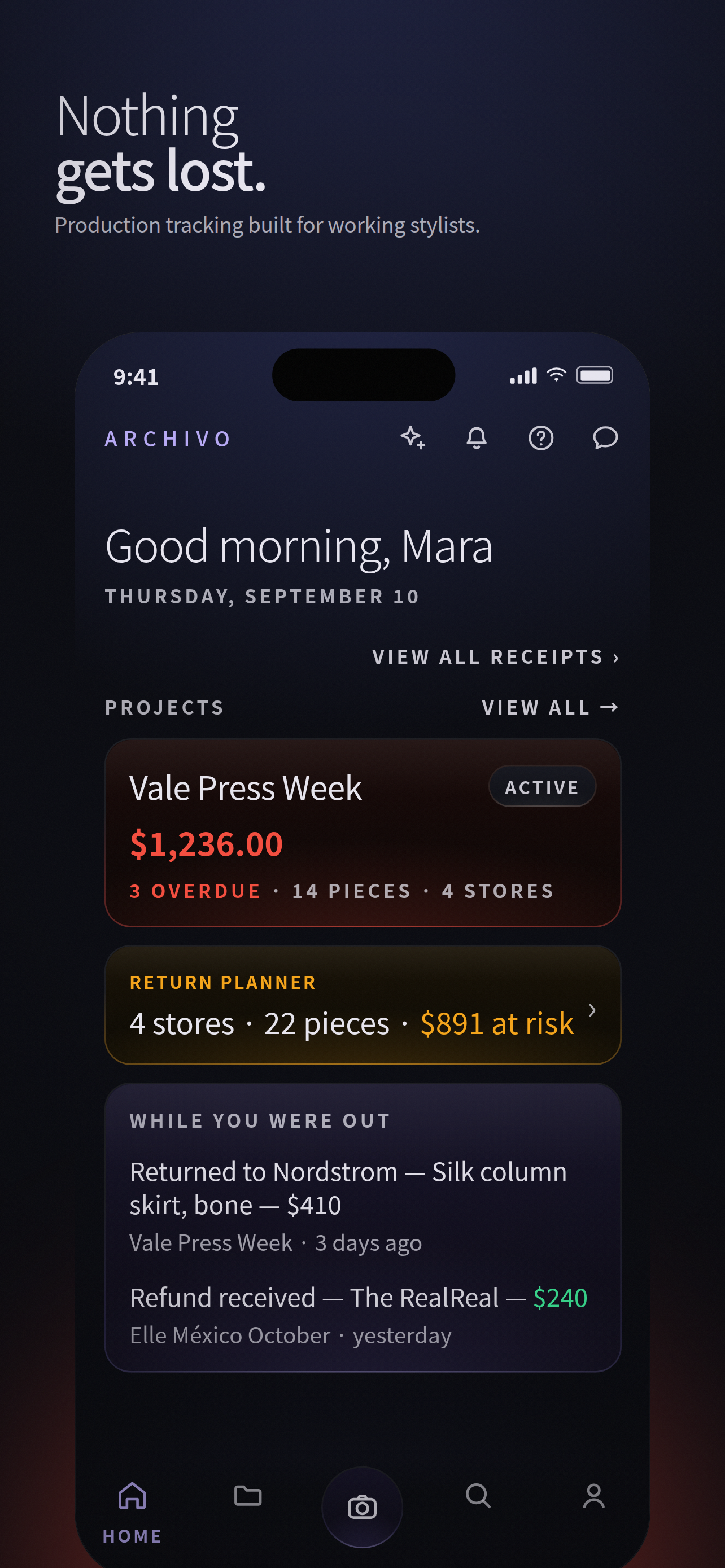
For Archivo, a stylist’s business application, the problem was more intimate: keeping track of money advanced for productions. Founder David Gangel had made a working demo with AI tools. Rootstrap’s audit found disabled type-checking, effectively no automated tests and manual deployment without staging. The rebuild began with that foundation.
Claude models now extract receipt information and power an assistant. Reconciliation follows confidence thresholds: strong matches proceed, uncertain ones require confirmation, weak ones remain untouched. Failed extraction must never quietly become a zero. Rootstrap reports wrap reports shrinking from one or two days to minutes. The interesting achievement is how carefully the system limits its own freedom.
That discipline also governs how Rootstrap builds. Its Rootshift delivery system connects business knowledge, agent execution, verification and telemetry. People retain responsibility for ambiguity, architecture, risk and release approval. Separate agents can draft, implement and check work. The structure makes the handoffs explicit.
- 01Business
intent - 02Shared
Ground Truth - 03Build +
verify - 04Human
approval
Anthony Figueroa, Rootstrap’s CTO and cofounder, calls the shared business model Ground Truth. His account includes a founder who reversed an earlier request about a receipt preview. Both instructions remained in the documents. An agent could follow the obsolete instruction, pass its tests and still be wrong. Someone had to establish which decision now counted.
Buy the question you actually have
Rootstrap’s three engagement models suit different gaps. Discovery takes two to six weeks to audit, scope and prototype. Full product delivery supplies a cross-functional build team. Staff augmentation adds experienced people to a roadmap the customer already owns. The commercial model is paid professional services; the customer owns the code and data.
Its data practice builds pipelines and warehouses; its cloud practice handles infrastructure and deployment. These surrounding jobs matter when an AI feature has to operate inside an existing business. Rootstrap competes in the territory between hiring an internal team, retaining individual contractors and commissioning a broader engineering consultancy.
The constraint is decision-making. In a September 2026 engineering account, Matias Mansilla describes an agent loop repeatedly revising a specification when the missing ingredient was a question for the client. More iterations could not supply the answer. His prescription includes escalation limits and simpler workflows when a loop adds needless machinery.
That gives a buyer something practical to copy: record decisions, resolve contradictions and define an observable finish before automating. It requires someone willing to answer awkward questions. A team seeking inexpensive execution against unquestioned instructions may find the process cumbersome. Rootstrap’s argument has remained remarkably consistent across workshops and agents: a working application begins with a decision worth implementing.