Consider the storage compartment. In Rivian’s R1T pickup, a passage runs across the vehicle between the rear seats and the bed. Open either end and you have somewhere to put equipment without surrendering the cabin to it. The Gear Tunnel is an unusually specific answer to an ordinary problem: where does the messy stuff go?
That little tunnel helps explain Rivian. Electric propulsion supplies the engineering premise; the promise to customers is a more enjoyable life outside. The truck gives you something to picture doing on Saturday. For an expensive, unfamiliar brand, that picture does useful work.
- Electric pickups and SUVs built around family life and outdoor utility.
- Delivery vans put the same engineering to work for fleets, led by Amazon.
- R2 and Volkswagen’s software partnership test whether the economics can catch up.
First, throw away the sports car
RJ Scaringe founded the company in 2009 after completing his doctorate at MIT. Its early project was a sports car. In 2011, he reconsidered the premise. The question was whether this particular car would produce the change he wanted. Trucks and SUVs offered a different route: electrify vehicles people already associated with family trips, equipment, and exploration.
“It became increasingly clear that we weren’t answering a question that the world needs an answer to.”RJ Scaringe, speaking to MIT, 2019
Rivian then spent years developing quietly before unveiling the R1T and R1S at the 2018 Los Angeles Auto Show. The long preparation matters. This was a company learning to build a vehicle, a technology platform, and a recognizable point of view together.
Its mission, “Keep the world adventurous forever,” ties the environmental argument to something people want to preserve. Even the compass logo makes the invitation explicit. The company’s public culture emphasizes exploration and inclusion; the products turn those ideas into storage, usable space, and an excuse to go somewhere.

A weekend truck. A weekday van.
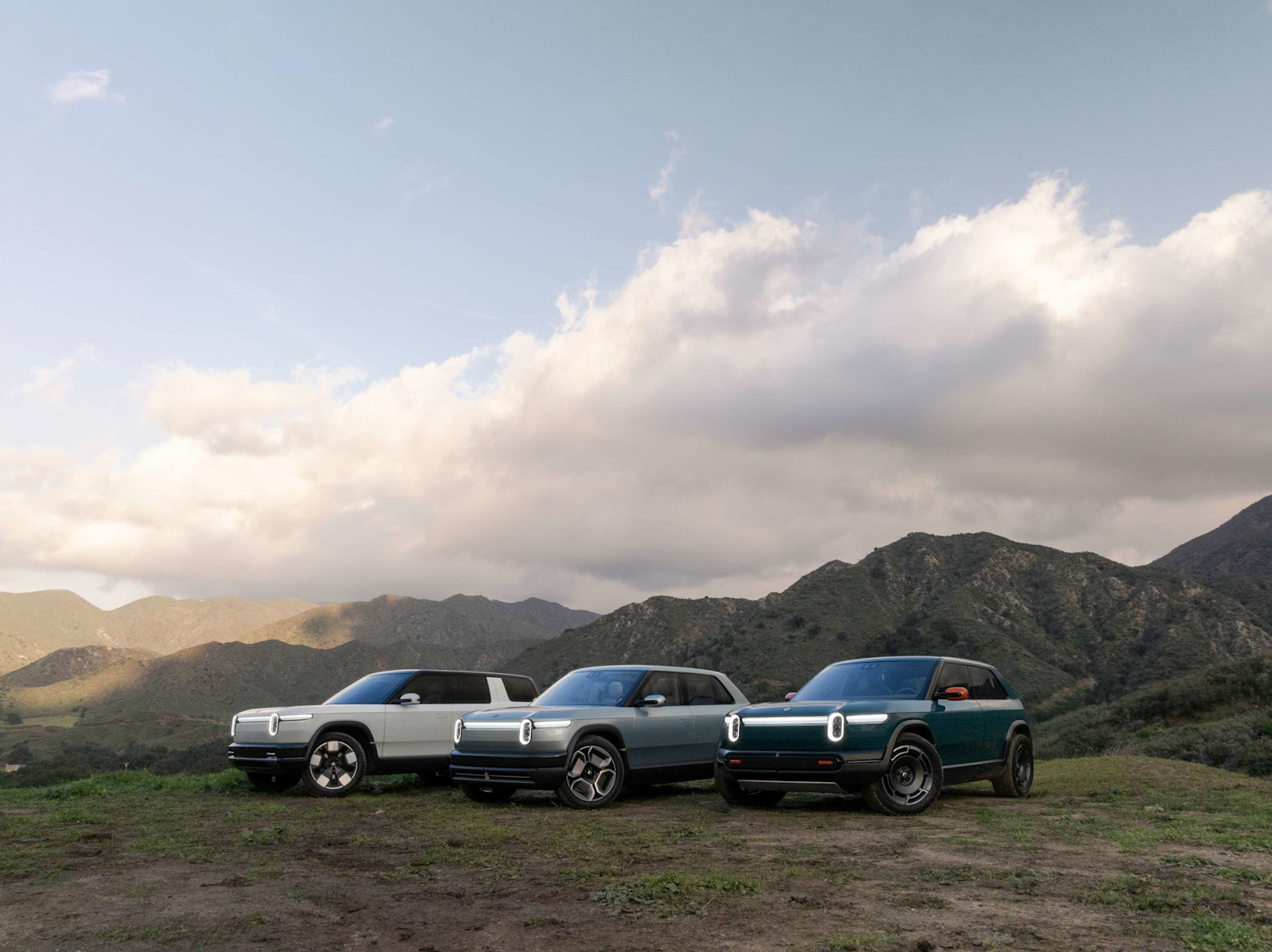
The consumer lineup has distinct jobs. The five-seat R1T carries people and gear in a pickup. The seven-seat R1S offers three rows for families. The smaller, five-seat R2 brings the same visual vocabulary to a less expensive SUV. Rivian sells directly, with digital ordering, demo drives, service operations, and software updates extending the relationship beyond delivery.
Against Tesla, Rivian makes outdoor utility central to its identity. Against established truck and SUV brands, it offers a vehicle whose electronics and software were developed together. The R1T’s 2022 MotorTrend Truck of the Year award supplied early outside validation. A buyer still has to choose the right tool: seating, towing needs, charging access, and price matter more than the appeal of a camping photograph.
For a prospective owner, a demo drive is a useful first step. Try the seats with your passengers, load the equipment you actually carry, and work through a charging plan for your usual journeys. The product earns its place when those ordinary routines become easier.
Then there are the vans. Rivian’s commercial business serves delivery fleets, with Amazon as its defining customer. Features include an automatic bulkhead door and easy curbside access. Each stop is a small exercise in ergonomics, repeated all day. Amazon had more than 40,000 Rivian vans operating in North America by Rivian’s July 2026 update. Other businesses can buy commercial vans too; Amazon exclusivity ended in 2023.
The breakthrough you cannot photograph
A memorable vehicle can be a miserable business if it costs too much to assemble. Rivian’s second-generation R1 redesign addressed the less photogenic machinery underneath: its electronic control units fell from 17 to seven, and 1.6 miles of wiring disappeared. Grouping electronics by location reduced the connections needed to make everything cooperate.
The company’s expertise spans batteries, drive units, embedded electronics, vehicle software, and manufacturing. Owning that much creates expense, but it also creates something a partner can buy. In November 2024, Volkswagen and Rivian launched a joint venture built around electrical architecture and software. The announced investment package totaled up to $5.8 billion across Rivian and the venture, subject to milestones and conditions.
This gives Rivian a second customer for its engineering. Volkswagen can use the technology in its vehicles; Rivian can share development costs and earn revenue beyond its own deliveries. The arrangement also exposes a useful distinction: a component that customers never name may be the thing another company values most.
An adventure needs a budget
Rivian has already learned what happens when the budget collides with the promise. In March 2022, it raised prices on vehicles people had already preordered. Customer anger prompted a reversal for existing reservation holders. Scaringe acknowledged the mistake. A configuration that the company could change had become, in customers’ minds, a commitment.
A larger correction followed in 2024. Rivian shifted the initial R2 launch from its planned Georgia factory to the existing Normal, Illinois, site. It estimated more than $2.25 billion in savings against the earlier launch plan. Reusing a factory gave the less expensive vehicle a less expensive path to production.
The accounting shows why these decisions matter. In 2025, Rivian reported $5.387 billion in revenue and $144 million in consolidated gross profit. Automotive operations still recorded a $432 million gross loss; software and services contributed $576 million in gross profit. That positive combined figure came before the company’s operating expenses. It did not mean Rivian had become profitable overall.
The smaller car carries the bigger question
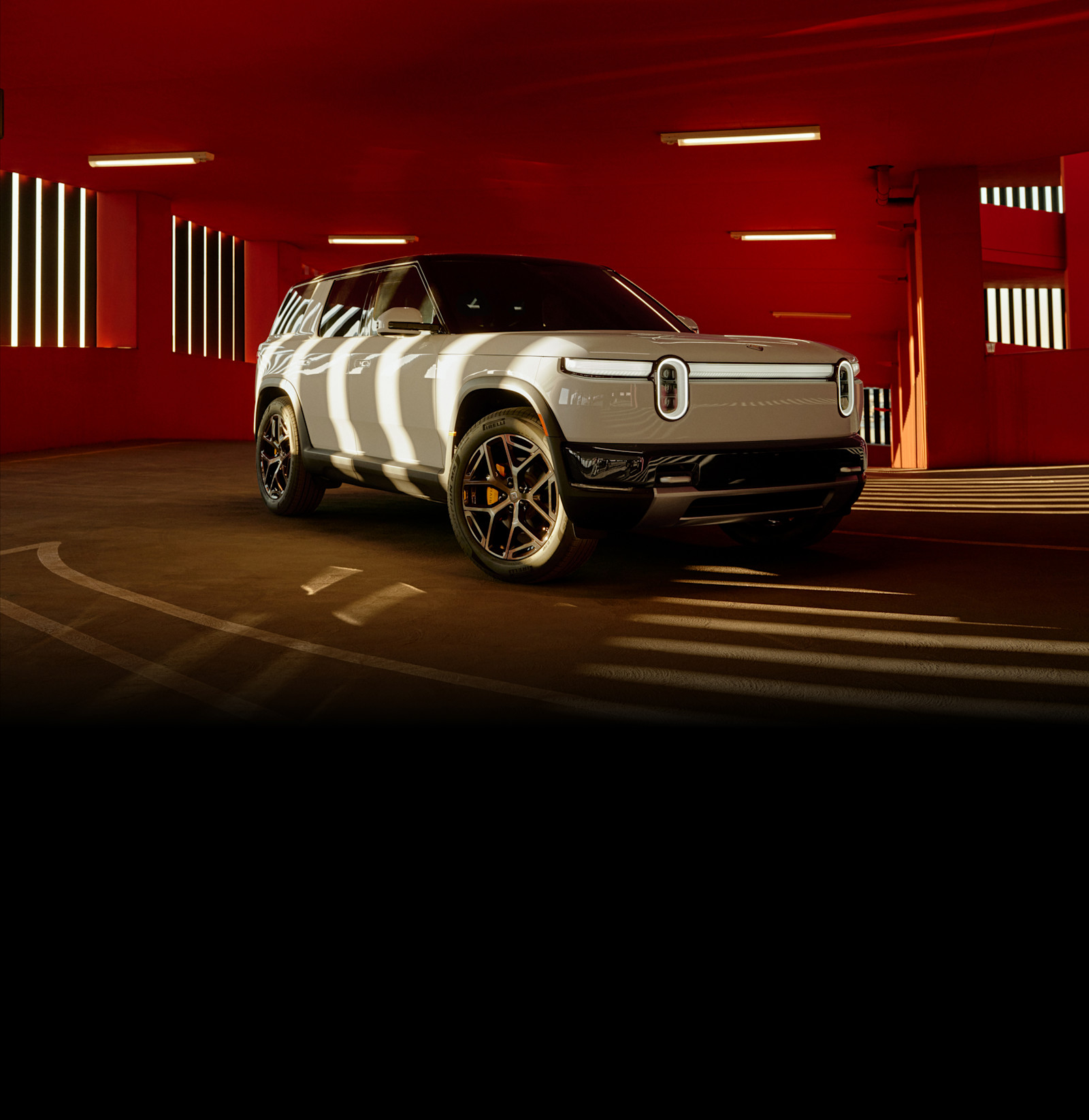
External R2 deliveries began June 9, 2026. As of October, Rivian lists the Performance version from $57,990, while the $44,990 Standard is scheduled for 2027. Those are different propositions for a household budget, and advertised starting prices exclude additional costs. The affordable end of the promise still has a timetable.
Production is moving. Rivian reported 19,751 vehicles built and 19,248 delivered in the third quarter of 2026. Those totals cover the company’s vehicles, rather than R2 alone. The next question is how efficiently it can repeat the performance while supporting a growing fleet.
For another business, the useful move to copy is precise: preserve the detail customers care about, simplify the machinery they do not, and look for a second buyer for expensive expertise. This approach needs capital, manufacturing discipline, and enough demand to keep the factory busy. It becomes harder when charging is inconvenient, service is distant, or the price excludes the people the product hopes to reach. Rivian’s tunnel made room for equipment. Its redesigns are trying to make room for a business.