The pain was in her hip. That seemed to settle the question. In a patient account published by RightMove Health, a 39-year-old woman had been diagnosed with hip bursitis and recommended injections and imaging. Then came another evaluation. RightMove’s team identified a spine condition and reports that a short course of virtual physical therapy brought lasting relief. The location of the complaint had been a misleading clue.
- Specialist assessment comes first; the treatment route follows.
- HSS-developed protocols underpin virtual and local care.
- Health plans and employers buy the service; eligible members receive evaluation and navigation at no cost.
There is an entire business proposition tucked inside that small story. Getting someone into treatment quickly is useful. Getting them into the appropriate treatment is more useful still. RightMove has placed its wager on the moment between “something hurts” and “here is what we should do.”
The hospital that wanted an earlier conversation
In October 2022, Hospital for Special Surgery and Flare Capital Partners announced a $21 million Series A to launch RightMove as an independent, for-profit company. The money was earmarked for a technology platform and a national network of specially trained physical therapists. The plan was to start treating patients in late spring 2023.
HSS supplied an unusual starting advantage: orthopedic expertise assembled inside a hospital, made available before a patient reached the hospital. Frist Cressey Ventures and Greycroft joined the financing in February 2023, when former Walmart Health executive Marcus Osborne was named CEO. Co-founder David King remains President; Joe Leinbach became CEO in November 2025.
The interesting tension is clinical. A surgical institution helped create a service that includes preventing unnecessary surgery. An operation may be precisely what a patient needs. But the company’s premise is that the route to that conclusion deserves the same care as the operation itself.

FirstMove, then the next move
FirstMove is RightMove’s named diagnostic triage offering. The current service brings together physical therapists with advanced HSS training, physicians and advanced practice providers. Its pathways cover more than 90 musculoskeletal conditions. Members can seek help for backs, necks, knees, shoulders and the other body parts that rarely respect a convenient calendar.
The evaluation leads to a plan. That might mean self-care, virtual PT, an in-person therapist, imaging or a specialist. A Care Advocate helps arrange what comes next. This is where a digital encounter becomes a decidedly physical service: somebody must book the appointment, share the findings and keep the existing doctor informed.
For orthopedic practices, the proposed benefit is more appropriate referrals. RightMove says it can route lower-acuity patients toward conservative care, reserving specialist appointments for people who need them. It can also work with a practice’s existing therapy services or embed a team member locally. That matters because the service is selling cooperation to several parties at once. The patient wants relief, the clinician wants a useful referral, and the payer wants fewer avoidable costs. Each handoff has to satisfy more than a software checklist.
RightMove tells referring primary care practices it sends the care plan within 48 hours. It also describes sharing information through existing records and authorization workflows. The promise addresses an ordinary irritation: the patient who becomes the courier between professionals who are supposed to be working together.
That gives RightMove a place in a digital MSK market that includes Hinge Health and Sword. Both also serve organizational buyers; Hinge advertises virtual and in-person orthopedic care. The HSS relationship gives RightMove a specific clinical identity. Its emphasis is specialist judgment and navigation, alongside exercise and rehabilitation. For a member, the useful question is whether the service can both identify the next step and help complete it. A recommendation left stranded in a portal has limited practical charm.
Free to the member, accountable to the plan
The buyers are health plans and employers. Patients gain access through participating arrangements. RightMove’s public Anthem program, for example, specifies qualifying plans in Maine and Connecticut. Membership in an insurance brand alone does not establish eligibility; the particular plan matters.
Evaluation and navigation carry no patient charge for eligible members. RightMove also advertises no-cost virtual PT on its member page. Imaging, surgery and other services it arranges are covered according to the patient’s insurance benefits. “No cost” belongs to a defined service, not every possible bill that follows.
For commercial and Medicare Advantage plans, RightMove describes taking responsibility for population MSK spending, with shared upside and downside risk and guaranteed savings. This makes the total care journey economically relevant. If a member receives another unnecessary intervention elsewhere, a pleasant video appointment has not solved the buyer’s problem.
“Movement is the key to staying mentally and physically well, especially as we age.”Joe Leinbach, CEO · November 2025
The numbers need their nouns
In its November 2025 announcement, RightMove described a forthcoming study with a national health system: more than 70% of targeted patients engaged, average pain reduction was 85%, and 96% reached functional goals. Those are company-reported results. They describe different things and should not be blended into a single success rate.
Average reduction in pain
Reached functional goals
The same announcement cited earlier HSS research associating completed evaluations with less advanced imaging and surgery. Association leaves room for questions about which patients completed care and how comparison groups were selected. The defensible takeaway is narrower: RightMove measures function and downstream utilization as well as whether patients liked the encounter.
A trial run inside the company
There is a useful operational detail behind the clinical pitch. In a December 2025 interview, COO Meghan Oliver described starting at RightMove in a fractional product role before moving into full-time operations leadership. Working together helped clarify the scope. Product and operations ended up within her remit.
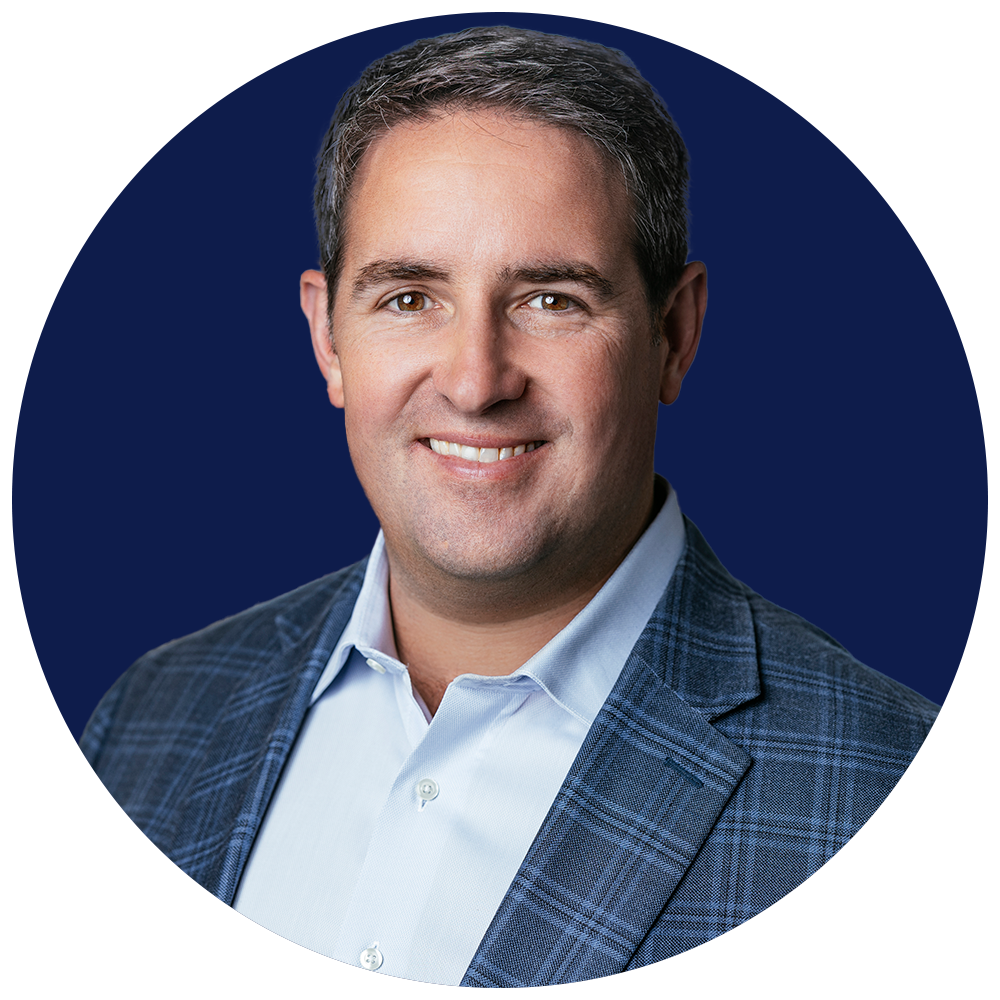

Readers building a service can copy that modest practice: test the working relationship before fixing the job around an impressive résumé. RightMove’s careers page also stresses direct communication, team responsibility and individual agency. In a business full of handoffs, those preferences have practical consequences.
The clinical model has boundaries too. Its Anthem FAQ says virtual evaluation is inappropriate for people at risk of falling or with high disability or pain. Some patients need hands-on care, and the hybrid route depends on local providers completing their part. The lesson worth borrowing is to put expertise near the beginning, give somebody responsibility for what follows, and keep checking whether the original decision still fits.
Website · Member services · Anthem program · LinkedIn · Company blog
Leadership announcement · Watch Meghan Oliver on Executives Unplugged