The odd thing about a money-transfer app is how little of its work happens on the phone. The screen asks for an amount, a name, a destination. Somewhere else, a bank must recognize the recipient, a wallet must accept the payment, or a cash counter must have money ready. The sender sees a button. The business is everything behind it.
Remitly built itself around that gap. Its customers have often been immigrants supporting families abroad, people for whom an international transfer belongs beside rent and groceries. The job is recurring and personal. A cheaper transaction helps; knowing whether the money arrived helps, too.
- Digital at the start, local at the finish. Bank accounts, wallets, and cash pickup connect the app to daily life.
- Expansion has required subtraction. Remitly closed Passbook to refocus on remittance customers.
- The next test is the same network, more uses. Cards, business payments, and marketplace payouts broaden the assignment.
01 / THE OTHER ENDA phone in Seattle. A cash counter elsewhere.
The origin was an observation made far from Seattle. While working for Barclays in Kenya, Matt Oppenheimer saw how awkward sending money internationally could be. In 2011, he joined Josh Hug and Shivaas Gulati to start Remitly. Hug had been the company’s lead mentor at Techstars Seattle. The adviser became a co-founder.
Their approach put the sending experience online while retaining familiar ways to receive. A recipient need not download the app. Depending on the destination, money can reach a bank account, a mobile wallet, or a cash-pickup location. That last option matters: a digital sender and a cash-preferring recipient can belong to the same family.
- 01FundSender pays using an available digital method.
- 02ProcessIdentity checks, currency conversion, routing.
- 03DeliverLocal bank, wallet, or cash-pickup partner.
The expertise lives in the connections: payment processing, fraud detection, compliance, and localization. A five-year Visa collaboration announced in 2023 extended access to eligible cards and bank accounts through Visa Direct. Remitly can simplify what customers see because other institutions help do the complicated work underneath.
02 / THE PRICE OF A TAPA small slice of a large flow
In 2025, customers sent $74.9 billion through Remitly. The company’s revenue was approximately $1.635 billion. Those are very different quantities: most of the money moving through the system belongs to customers. Remitly earns primarily from transaction charges and the spread on currency conversion.
A useful, rough calculation divides revenue by volume: about 2.18% in 2025. That is a company-wide ratio, not a quoted transfer price or a profit margin. An individual customer’s bill depends on the route, amount, funding method, and payout choice. The number worth comparing is what the recipient actually gets after the sender’s total payment.
There is also a bill behind the app. Transaction expenses reached $549.5 million in 2025, including processing, disbursement, and transaction-loss costs. After all expenses, Remitly reported $67.9 million in net income, its first full year of GAAP profitability. Moving more money had finally translated into a profitable year.
03 / THE USEFUL RETREATThe account that did not belong
Success made a broader financial relationship tempting. In 2020, Remitly launched Passbook, a banking service with a partner bank. A company already trusted with money sent home might reasonably expect to handle more of a customer’s financial life.
By 2023, management had changed its assessment. Passbook was growing, Oppenheimer said, but sat outside the core customer segment. Resources could earn better returns serving remittance needs. The service’s final operating day was May 1, 2023. Growth, it turned out, was an insufficient reason to keep going.
“ultimately outside our core customer segment”
Matt Oppenheimer on Passbook · February 2023
Other expansion stayed closer to the transfer itself. Remitly announced an approximately $80 million cash-and-stock deal for Rewire in 2022 and completed it in January 2023. Rewire brought an account-based remittance product and complementary geography. The contrast is instructive: both ideas involved accounts, but only one fitted management’s revised focus.
04 / THE NEXT RELATIONSHIPPayday meets the border
The Global Card, launched in July 2026, returns to everyday money with sending built into the proposition. The U.S. offering combines a debit card and financial account with international transfers. Remitly is a technology company; partner institutions provide the card, account infrastructure, and lending.
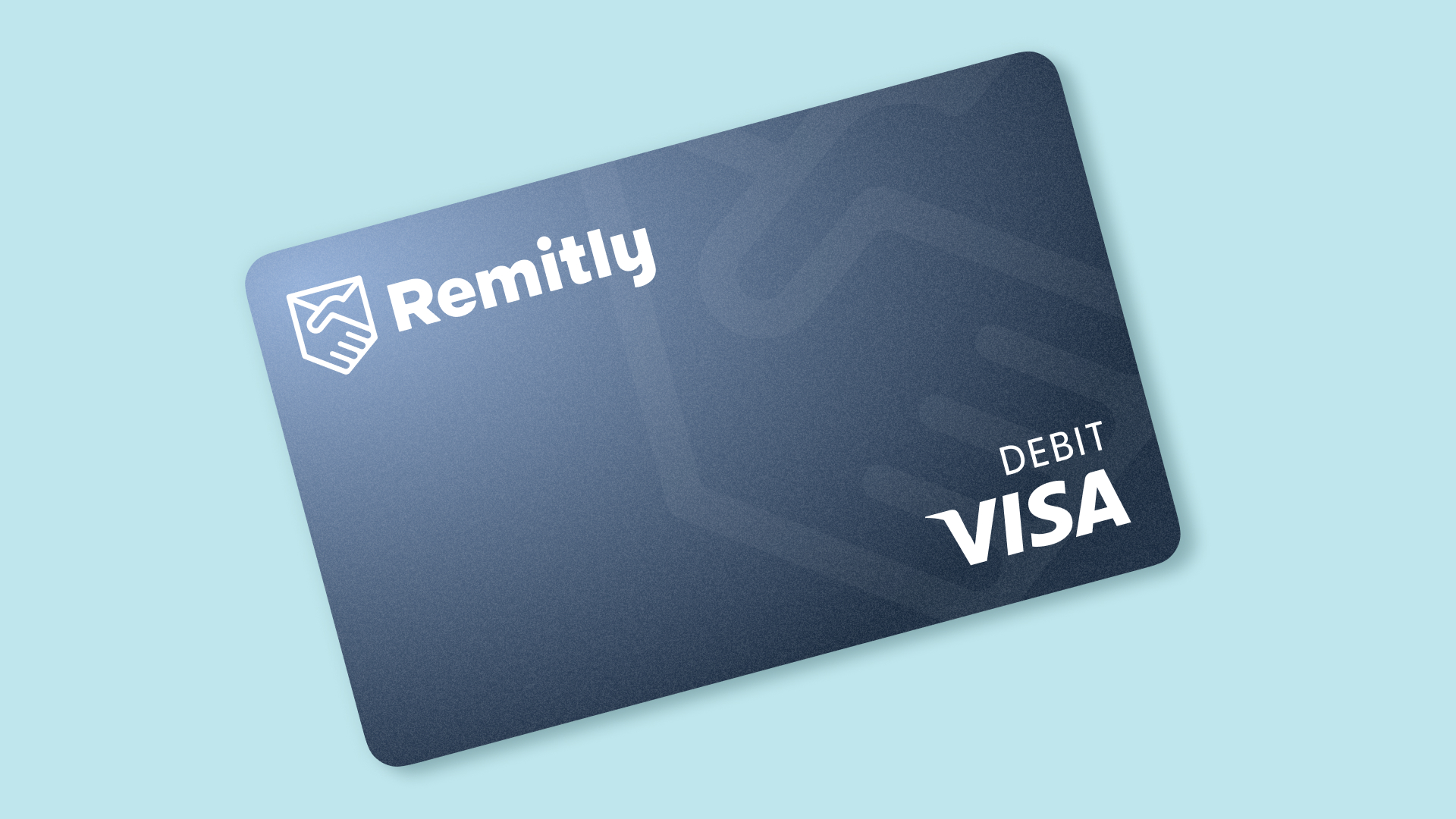
The base card has no monthly fee. An optional, invitation-only U.S. membership was advertised at $9.99 monthly in September 2026, with benefits including eligible Pay Later access. Zero-interest borrowing still comes with eligibility rules and membership economics. Customers should judge the whole package against how often they send.
The network has business uses, too. Remitly Business serves cross-border commercial payments. In September 2026, Etsy named Remitly an additional payout option for new sellers in 15 countries. Sellers can hold earnings in dollars and convert for local delivery. Infrastructure assembled for family support can also carry a merchant’s income.
05 / LOCAL IS THE PRODUCTBrazil already had its habits
Brazil’s August 2026 sending launch makes the method concrete. Remitly built around Pix funding, WhatsApp, and Portuguese-language human support. It entered a country with established payment habits and worked with them. The transferable lesson is straightforward: learn how customers already pay before asking them to learn your interface.
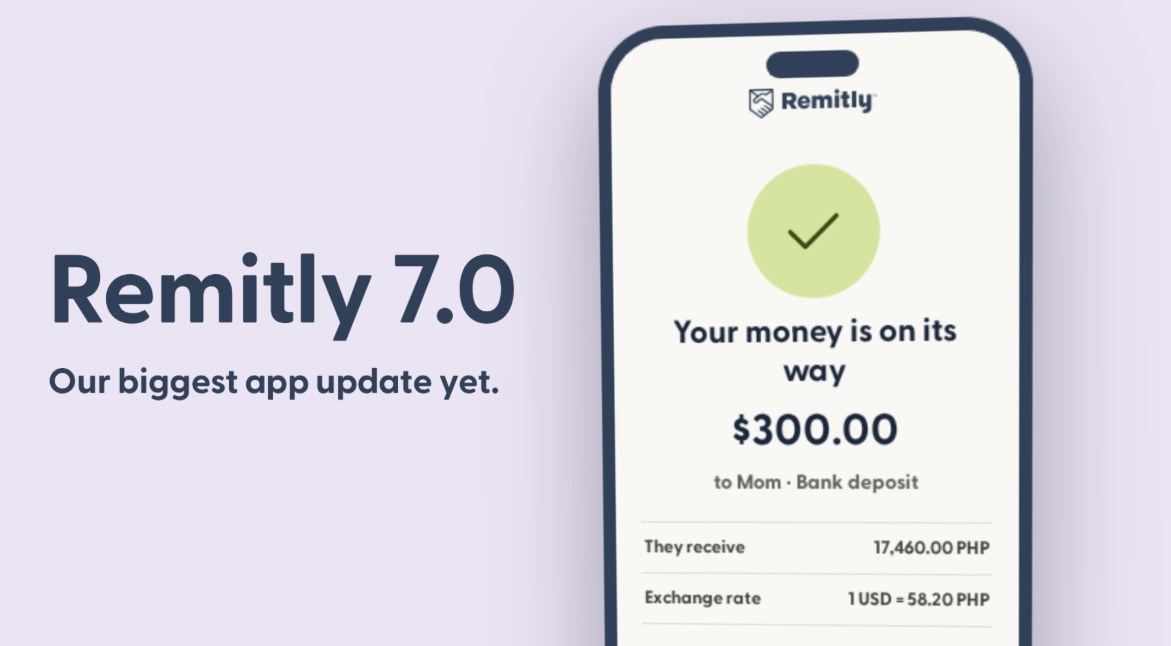
October brought PayTag, a shareable payment identity, and app version 7.0, including Quick Send and selected-market recipient validation. Features roll out unevenly. A broad network still has edges: unsupported routes, verification requirements, and payout partners determine whether a particular transfer can happen.
Western Union, MoneyGram, Wise, banks, and local services remain alternatives. Remitly’s appeal depends on the delivered amount, timing, and recipient’s preferred destination. A customer who needs to hand over physical cash to send may need a different provider. Convenience has a context.
By Q2 2026, Remitly counted 10.2 million quarterly active customers. Sebastian Gunningham had succeeded Oppenheimer as CEO that February, with the co-founder remaining chairman. The next chapter asks how many more financial jobs those relationships can support. Passbook supplies a useful question to keep asking: does this serve the customer who already trusts us?