The most revealing object in Registrar’s story is a folder on somebody else’s hard drive. At Lipari Foods, a Michigan distributor and manufacturer, supplier compliance documents lived in folders, while Microsoft OneNote helped track follow-ups. The company sourced from more than forty global suppliers. Its problem was familiar: the information existed, but keeping it current required people to remember what to check next.
- Registrar combines regulatory specialists, software and training.
- Its customers make, import or distribute regulated products.
- The useful promise: less manual checking between a supplier and a shipment.
Then there was the identification problem. According to Registrar’s Lipari case study, former importers were still using Lipari’s DUNS number, exposing it to regulatory risk. A number intended to identify a business had become something the business needed help policing. This is the sort of unglamorous complication on which Registrar has built a company.
A free form with plenty of homework
David Lennarz and Thomas, better known as Tommy, Fass co-founded Registrar in 2003. Today it helps food, cosmetics, pharmaceutical and medical device businesses handle regulatory requirements. The work includes facility registration, product listings, label reviews, U.S. Agent representation, inspection preparation and assistance with import problems. Its employees include scientists, industry specialists and former FDA officials.
There is a useful wrinkle in this business. FDA food facility registration is free. A facility does not have to hire a filing company to submit it. Foreign facilities’ U.S. agents, however, can charge for their services. Registrar is a private business, independent of the FDA. What a customer buys is assistance, representation and the work surrounding the form.
That distinction makes the business easier to understand. Knowing where to type a facility’s address is one task. Keeping supplier evidence organized, interpreting a label requirement and responding when a shipment encounters trouble are different tasks. A registration number does not perform them. Registrar sells help across that larger workload.
The folder gets a dashboard
ComplyHub, Registrar’s supplier platform, brings monitoring, document management and supplier discovery together. Its product page describes more than 100 million U.S. shipment records, compliance-history scoring and automated document recommendations. Importers can track suppliers, receive reminders and look for alternatives. The commercial logic is straightforward: checking a growing supplier list by hand creates repeated work.
Lipari used the software and Registrar’s assistance to clean up its supplier list, organize required documents and identify backup sources. Registrar’s case study reports two to three days saved monthly and $50,000 in avoided costs per shipment from choosing compliant vendors. Those are customer-case claims, not a forecast for the next importer. The more transferable result is the change in routine.
Lipari Foods, as reported in Registrar’s customer case study. Results describe this customer’s experience.
“It’s great having somebody that specializes in importation helping me not have to keep looking on the FDA website for import alerts.”Justin Naramore · Lipari Foods
- 01MonitorSupplier records change
- 02ReviewPeople assess the evidence
- 03DecideBuy, investigate or replace
A practical reading of the customer workflow. The decision still needs an owner.
At New York produce wholesaler Nathel & Nathel, a supplier import alert exposed a similar weakness. Its team managed more than a hundred suppliers manually. After adopting ComplyHub, it checked the monitoring tool daily. In one instance described by Registrar, an import-refusal alert prompted the team to call a supplier and refuse the order. The alert mattered because someone changed a purchase.
One customer, several kinds of expertise
Food importers are only part of the audience. A cosmetics manufacturer may need formulation records and good manufacturing practice workflows; Registrar offers Cosmetri for that. A food business calculating nutrition values, recipe costs or allergens can use A la Calc. Online courses cover subjects including HACCP, preventive controls and quality standards. Consulting sits beside the software when a question needs interpretation.
This combination is Registrar’s clearest distinction. A filing service handles a defined submission. A monitoring tool watches records. Registrar sells both, alongside training and specialist advice. The business model follows: paid services, recurring representation and support, software subscriptions and courses. Buyers should compare the actual service scope, supplier coverage and human support in a quote, rather than treat every registration or monitoring offer as equivalent.
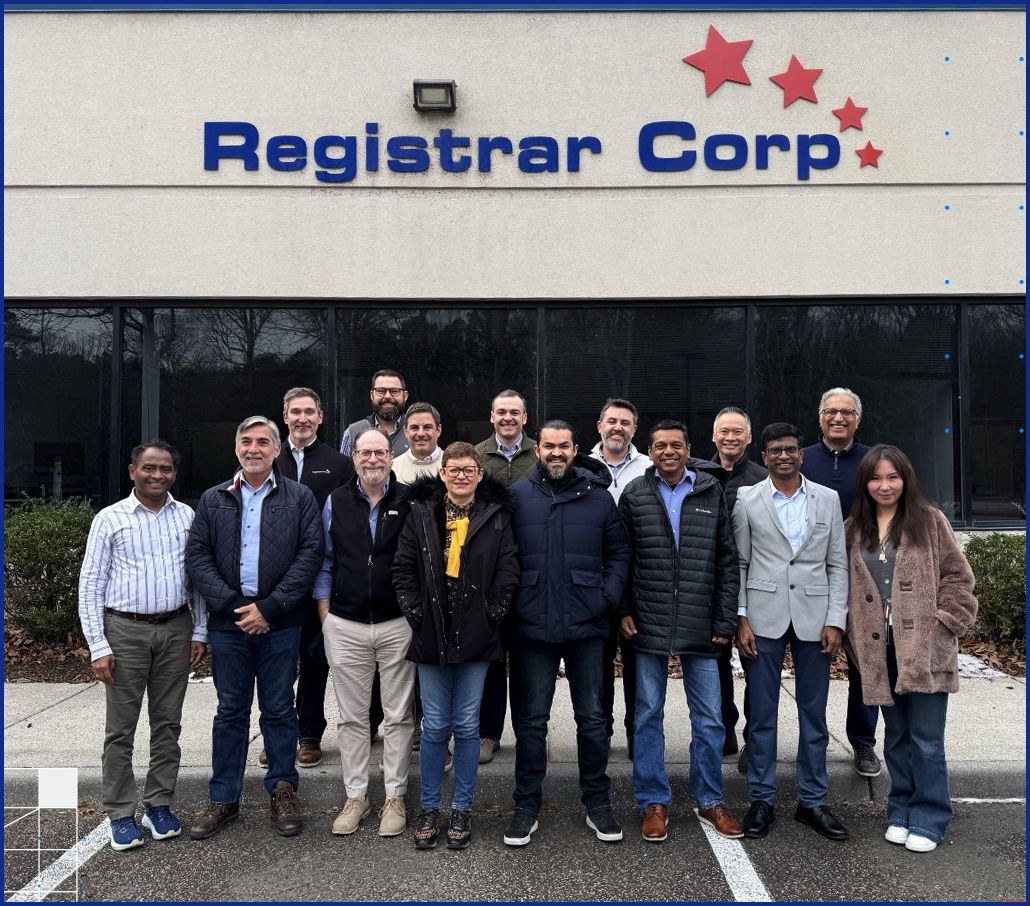
Buying the next piece of the problem
Paine Schwartz Partners announced its investment in Registrar in August 2021, with financial terms undisclosed. The stated growth plan included software, training and acquisitions. Raj Shah became CEO in 2023, while the founders stayed on the executive team. The subsequent deals show how broadly the company now interprets its customers’ needs.
Foodsteps joined in July 2024, adding environmental-impact measurement for food businesses. TechniCAL followed in 2026, bringing thermal-process expertise for low-acid and acidified foods while retaining its name and independent Process Authority role. April’s Dell Tech acquisition added Canadian regulatory expertise. These purchases expand the work Registrar can sell around a product’s route to market.
The adviser needed an adviser
There is an instructive echo inside Registrar itself. In a Vanta customer account, CTO Philip Edge’s four-person engineering team lacked the time and specialist experience to manage a growing security compliance program. Registrar adopted Vanta and worked with security adviser Rhymetec. Vanta reports 160 hours of weekly manual work eliminated and nearly $500,000 in avoided headcount costs. These are vendor-reported outcomes.
The pattern is the same as in the supplier stories: a small team, an expanding obligation, outside expertise and software that removes repeated checking. For another business, the lesson is practical. Put evidence together. Give alerts an owner. Decide what happens when a record changes. That approach depends on reliable inputs and follow-through; a dashboard cannot inspect a factory or make a product safe.
Registrar’s value therefore depends on how much of that surrounding work a customer needs. A capable internal team handling a simple filing may need little help. An importer juggling suppliers, documents and unfamiliar markets has a different calculation. The folder is still cheap. Keeping everything inside it useful is the expensive part.