Imagine a traveler who has already made the hard decisions. The island is right. The dates work. The hotel looks inviting. Then comes the last instruction: send an email to ask for a room. A sale that seemed seconds away becomes a conversation someone must finish later. That little pause is a useful place to begin the story of ReGIS.
- The job: turn a hotel’s website into a direct reservation channel.
- The tools: booking, inventory, promotions and packages in a browser.
- The historical offer: $10 per room per month in 2009.
ReGIS presented itself as an online guest reservation and information system for accommodation businesses, from hotels and resorts to villas and guest houses. Its proposition was easy to grasp: give the operator control over what could be booked, and let the guest act on it. The interesting question is why those two jobs belonged together.
A website with a job to finish
A hotel website can perform two quite different kinds of work. It can persuade someone that a place deserves a visit. It can also turn that intention into a reservation. A gallery does the first job beautifully. It cannot, by itself, answer whether the right room is available on the right night.
ReGIS’s documented product design brought inventory, promotions and packages into one web-based platform. Pre8Us described a configuration wizard, optional package and negotiated-rate modules, and staff training that typically took less than an hour. Those were the vendor’s descriptions. Their appeal is understandable: the person running a small property has other things to learn besides software.
Consider a package. For the traveler, it is an offer with a price and a promise. For the hotel, it must correspond to rooms, dates and terms that staff can actually honor. Putting the offer near the inventory makes practical sense. Otherwise, the attractive thing advertised and the thing available to buy can drift apart.
- 01Find the hotelMarketing earns the visit.
- 02Check the stayRooms, dates and rates.
- 03Confirm the bookingIntent becomes a reservation.
Born into a marketing conversation
ReGIS came from POWERi Technologies, an interactive marketing business. Later, Pre8Us marketed it alongside revenue management, digital marketing, public relations and consulting. That setting helps explain the product. A marketer can bring a potential guest to the website, then discover that the hotel has no convenient way to complete the sale.
POWERi was already taking that wider conversation to Caribbean hoteliers in 2008. It announced seminars with hotel and tourism associations in Antigua and the Turks and Caicos Islands. The subjects included search, email marketing, revenue management and online reservations. A June announcement described a Dominican Republic office and included ReGIS among its offerings.
By February 2009, the agency was pitching the booking engine against a tourism downturn. The emphasis was on making direct reservations possible within an existing website. POWERi CEO David Andrade put the change bluntly:
“The days of using e-mail as a means to book rooms are also gone.”
David Andrade · POWERi CEO · February 2009
The sentence sounds impatient. It also identifies the behavior the product wanted to replace. A hotel could move beyond collecting inquiries and offer a way to transact. The customer did not have to become more enthusiastic about the holiday. The hotel had to make the next step easier.
Ten dollars. Then do the arithmetic.
The 2009 offer was unusually concrete: $10 per room per month, aimed at hotels with at least 20 rooms. At that rate, a 20-room property would pay $200 monthly; a 50-room property, $500. These are calculations from a historical advertised rate, not present-day quotations.
Room count × $10. Historical subscription illustration; excludes any other charges.
That pricing makes a useful management exercise possible. Suppose the 50-room property retained an additional $100 of contribution from each booking gained or shifted to its own channel. Five such bookings would cover the illustrated subscription. The $100 is an assumption, not a ReGIS result, and contribution means what remains after relevant costs.
Change the assumption and the answer changes. If the retained contribution were $25, the same subscription would require 20 bookings. The lesson is to choose the denominator carefully. More website reservations sound encouraging. What matters economically is the value they add after the work and expense required to obtain them.
The beach is real. The booking still needs work.
POWERi’s 2009 announcement named The Shelborne Hotel in Miami Beach, Marco Polo Beach Resort in Sunny Isles and Grace Bay Suites in the Turks and Caicos Islands as users. The examples place ReGIS in a recognizable market: accommodation operators trying to turn interest in a destination into business for a particular property.
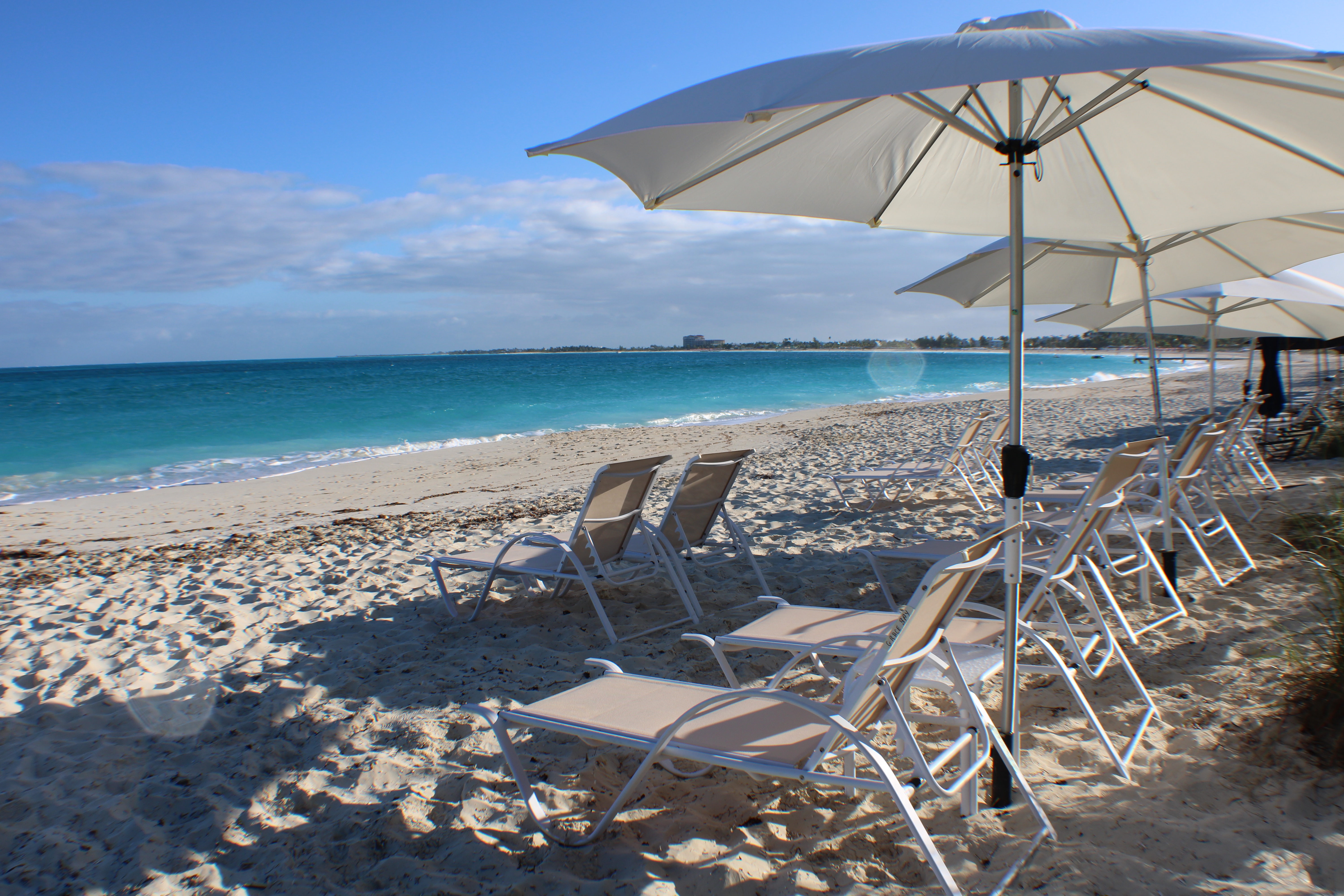
A booking engine addresses one part of that journey. Guests must still discover the property and trust the offer. Someone must maintain accurate availability and sensible rates. The agency services surrounding ReGIS recognized that wider commercial problem: software could sit beside the work of finding customers and deciding what to sell them.
This also explains where the approach has limits. A property with little website traffic cannot expect a reservation button to supply an audience. An operator selling rooms through several channels needs dependable coordination of availability. These are requirements to test in any buying decision; they are not documented failures at ReGIS.
Copy the question behind the product
For another business, the useful exercise starts after the customer has become interested. Walk through the purchase. Find every handoff, unanswered question and instruction to wait. Decide which steps require human judgment and which merely require information the business already has. Then make the latter easier to complete.
ReGIS’s place in hospitality software follows from that exercise. It connected the selling surface of a hotel website with the operational details behind a reservation. The idea travels well: look closely at the moment someone is ready to buy. A business may already have done the difficult work of winning their attention. It should give equal thought to what happens next.