The first thing to understand about Range Resources is that its celebrated discovery began with a disappointment. In Washington County, Pennsylvania, the Renz #1 well had pursued deeper formations without producing the hoped-for result. Above them sat the Marcellus Shale. The company had already drilled through the rock that would change its future.
- Range produces natural gas, liquids and condensate, mainly from Pennsylvania’s Marcellus.
- Its advantage combines accumulated drilling knowledge with routes to domestic and overseas buyers.
- The cautionary chapter: an expensive Louisiana expansion, followed by retreat.
A second look at the same rock
Geologist Bill Zagorski saw a resemblance between the Renz logs and Texas’s Barnett Shale. The comparison gave the team a reason to test a different hypothesis. “We need to do something with the Marcellus,” he said, according to Range’s anniversary account. In October 2004, the company applied a Barnett-style hydraulic fracture to the formation. A successful horizontal well, Gulla 9H, followed in 2007.
Notice what changed their minds: an observable analogy, then an experiment. The useful lesson for anyone managing a failed project is to revisit what the evidence says before discarding everything attached to it. Persistence earns its keep when the next test asks a better question.
The business beneath the breakthrough
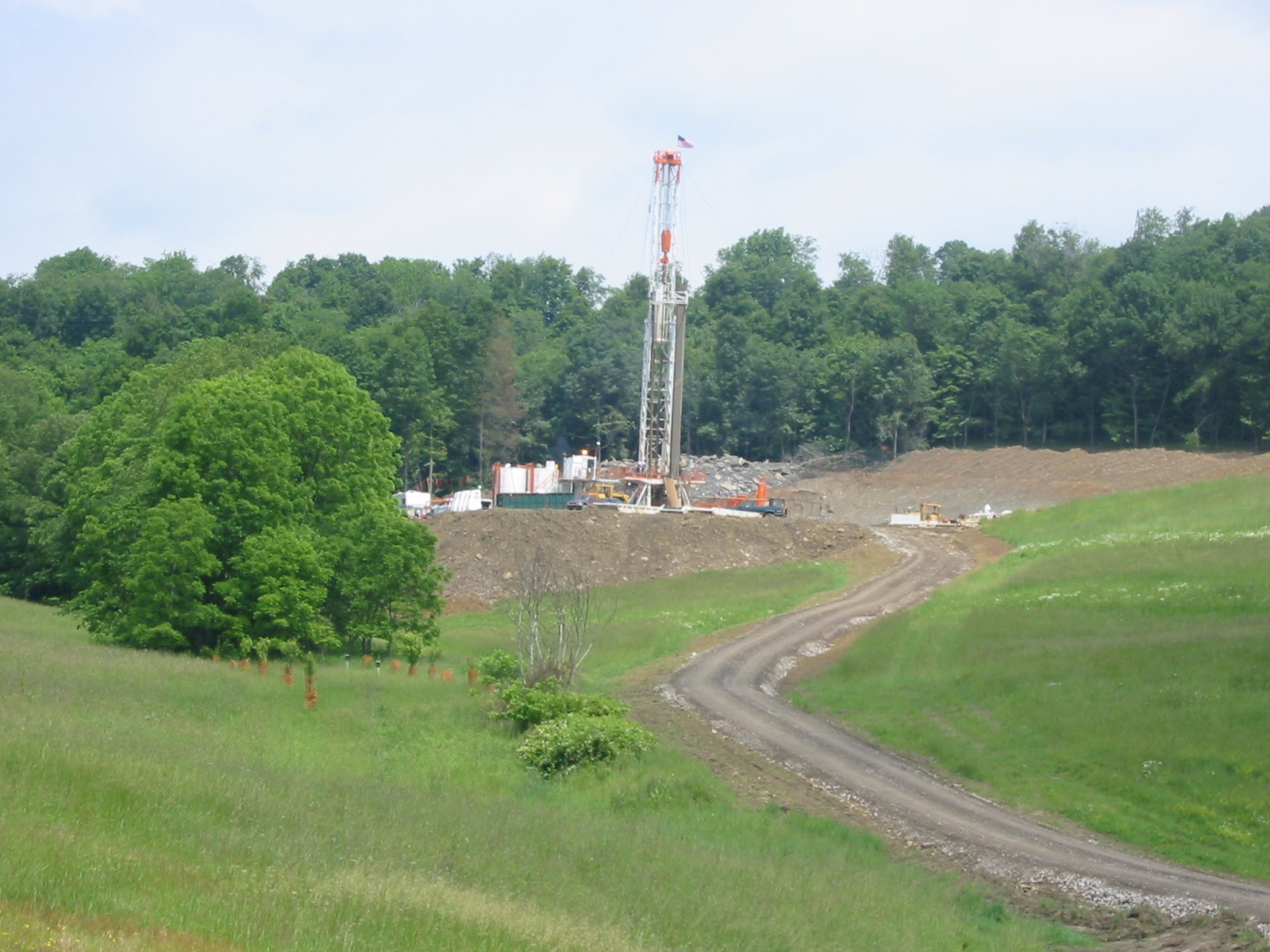
Today, Range is an upstream producer. It leases mineral rights, drills wells and sells hydrocarbons. Horizontal drilling exposes more reservoir rock; hydraulic fracturing creates pathways through which trapped gas can flow. The work also requires water handling, field maintenance, processing and transportation. Finding a resource starts a long chain of expenses.
Its predecessor, Lomak Petroleum, began in Ohio in 1976. The current Delaware corporation dates to 1980; the Range name arrived after the 1998 Domain Energy transaction. That history matters because this business predates the shale boom. Its operating identity was assembled over decades of acquisitions, experiments and decisions about which acreage deserved more money.
Range’s principal operating area is Pennsylvania’s Marcellus, with a valuable liquids-rich position in the southwest of the state. Natural gas liquids include ethane and propane, along with butanes and natural gasoline. They bring chemical feedstock and fuel markets into the picture. Condensate adds a smaller oil-related revenue stream.
The sale depends on every link.
The sale depends on every link between the rock and the buyer.
The customer is at the other end of a pipe
For a utility or industrial buyer, Range provides physical supply. For a chemical manufacturer, its liquids can become feedstock. One documented counterparty is INEOS. In 2012, a Range subsidiary signed a 15-year ethane sales agreement for delivery at Marcus Hook, near Philadelphia. Alongside it came an anchor-shipper arrangement for Mariner East.
The combination is the interesting part. A buyer without transportation is a promise with a missing middle. Range arranged both. INEOS described the American ethane as a way to strengthen the economics of its European chemical plants. Pennsylvania geology had acquired a European customer.
That gives Range a useful position among producers such as EQT, Antero and CNX: a concentrated Marcellus operation with liquids exposure and established marketing routes. These advantages require constant maintenance. Competitors drill horizontal wells too, and commodity buyers can choose other suppliers. Experience and contracts must show up in delivered economics.
The expensive chapter deserves daylight
There is a tempting version of this story in which good geologists keep making good bets. Louisiana complicates it. Range completed its Memorial Resource Development acquisition in 2016 at a value of roughly $4.2 billion, including assumed net debt.
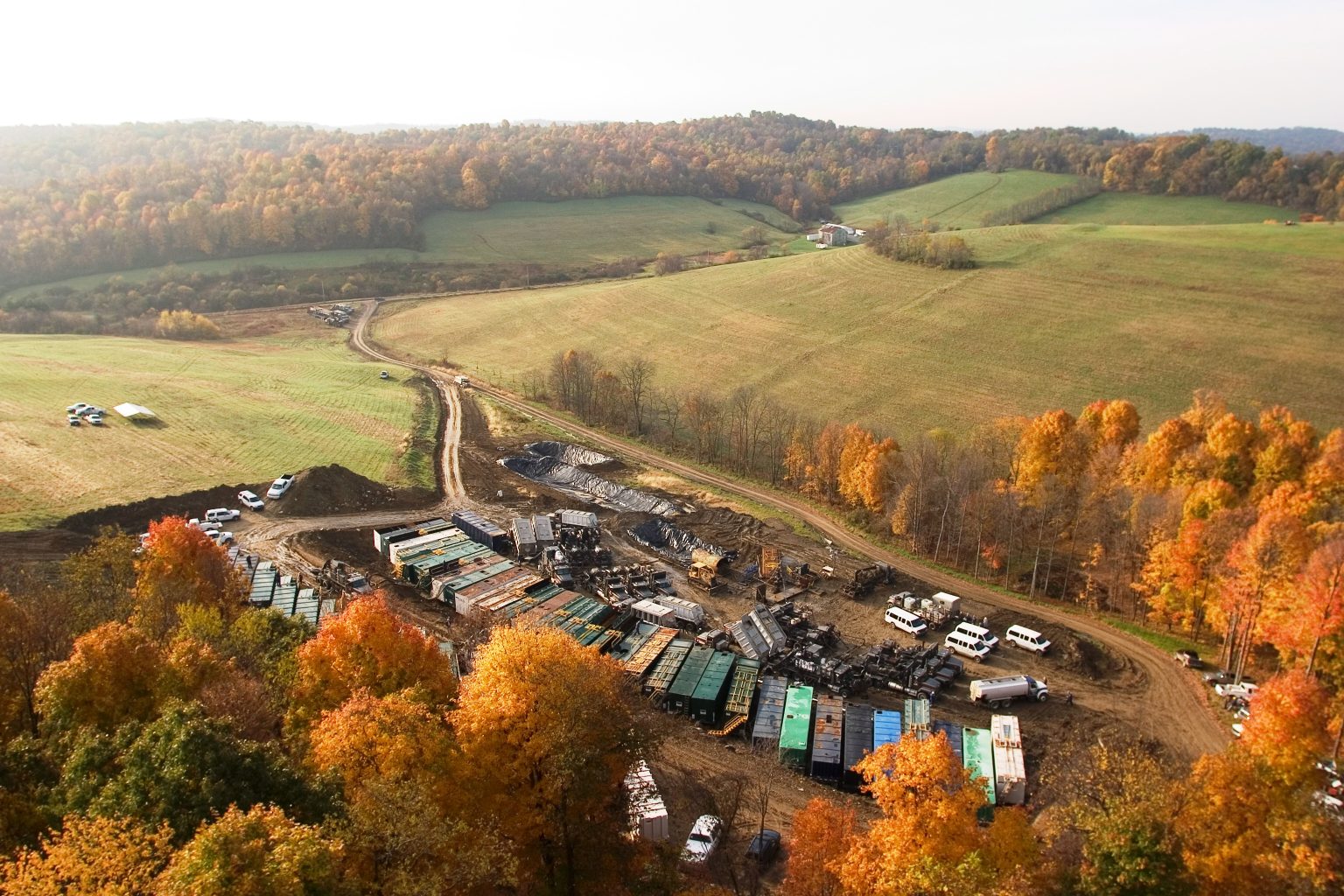
In 2020, it agreed to sell its North Louisiana assets for $245 million gross, plus up to $90 million contingent on commodity prices. Those figures are different transaction measures across different years, not a complete calculation of investment loss. Even so, the retreat was substantial. Range retained certain gathering, transportation and processing obligations; a 2025 filing said some extended into 2030.
The implication is uncomfortable and useful: a successful geological approach travels less easily than its advocates might hope. Acreage quality, acquisition price and contractual commitments can outweigh the appeal of a second operating region. Selling the acreage does not necessarily end its costs.
Read the costs before the growth story
In 2025, Range invested $674 million in capital, produced an average 2.24 billion cubic feet equivalent a day, repurchased $231 million of shares and paid $86 million in dividends. Capital spending supports a physical production system; dividends and buybacks send cash back to shareholders. Both compete for the same cash.
transport & compression$1.52
Dollars per thousand cubic feet equivalent. Selected reported cost lines, excluding specified items; these are not total costs.
The chart explains why the route matters. The second-quarter 2026 cost of gathering, processing and transportation far exceeded direct operating expense per unit. A cheap well can still struggle with poor market access. Conversely, a strong liquids sale can help a producer when local gas prices disappoint.
More power demand. The same discipline.
Range now markets its gas to the expanding power needs associated with AI and digital infrastructure. A concrete development accompanied that pitch: its 2025 results disclosed a 10-year agreement to supply 75 million cubic feet of gas daily to a Midwest power plant. That is a supply agreement, not proof that every projected data center will arrive.
There are environmental boundaries too. Range’s June 2026 sustainability release reported operational net-zero Scope 1 and 2 emissions through reductions and verified offsets. That claim does not cover customers burning the fuel. Its public air-monitoring program measures volatile organic compounds and fine particles near selected operations, giving neighbors something specific to examine.
Under CEO Dennis Degner, the next test is whether additional demand supports worthwhile production growth. Weak prices, constrained pipelines, permitting delays or disappointing wells could upset the arithmetic. The lesson readers can copy is practical: test the overlooked evidence, then secure distribution before scaling. The rock gets the origin story. The contracts help determine what happens next.