Somewhere in the noise of a race weekend - three separate races, a hundred cars, a grandstand full of scanners - there are roughly four thousand two-way radios all trying to use the same thin slice of airwaves at the same time. It is, by most measures, one of the hardest wireless environments on the planet, harder than a stadium concert. And approximately ninety percent of the time, nobody has to touch a thing. That reliability is not luck. It is a product, and the company that sells it operates out of Forest Park, Georgia, with a team you could fit around a dinner table.
Racing Radios has been doing this since 1979. It is the official two-way radio supplier for GT World Challenge America and a longtime vendor to NASCAR, IMSA, IndyCar, Ferrari Challenge, SCCA and a long tail of club and grassroots series. If you have ever sat in the stands with a scanner pressed to your ear, listening to a crew chief tell a driver to save his tires, you have probably used their gear without knowing the name.
01 / The originA problem walks in the door
The company exists because someone else could not solve a problem. In 1974, NASCAR's competition director approached an Atlanta electronics outfit, Diversified Electronics, for help with the radio communication headaches that came with drivers and pit crews trying to hear each other over engines built to be deafening. That request turned into a specialty, and in 1979 Racing Radios was formed as a division dedicated to it. It was later incorporated in Georgia as its own business.
The Leader In Racing Communication Since 1979.- Racing Radios company tagline
It is a very unglamorous origin, and that is the point. Racing Radios did not set out to disrupt anything. It set out to make one thing work - can the driver hear the spotter, can the spotter hear the crew - and then kept making it work for forty-five years while the sport reinvented everything around it.
02 / The real productThey don't sell radios. They sell 'can you hear me?'
Here is the trap you could fall into: Racing Radios is a Motorola channel partner, and the radios it sells - MOTOTRBO, XPR, CM and CP series units - are radios you could, in theory, buy anywhere. So what exactly are teams paying for?
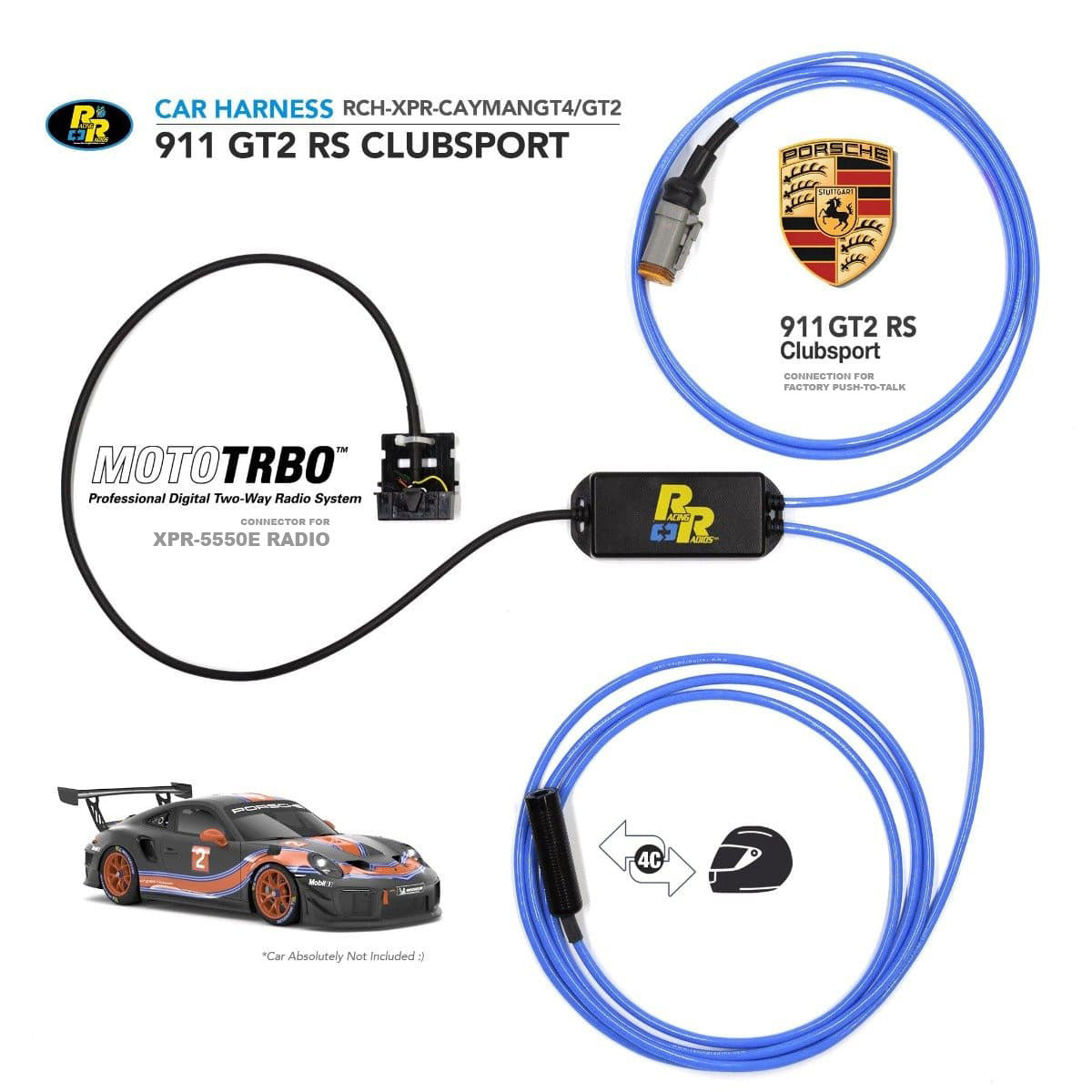
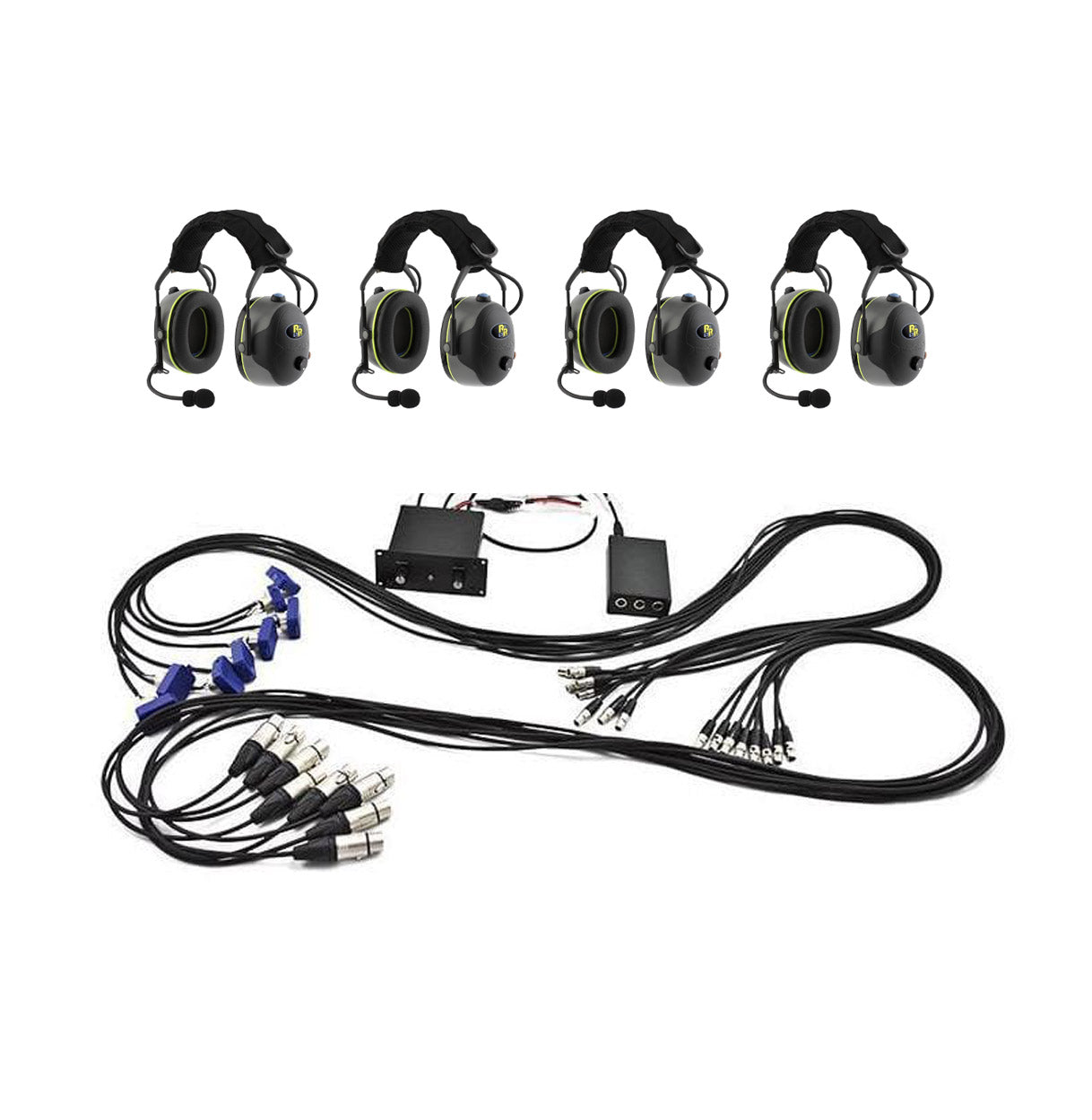
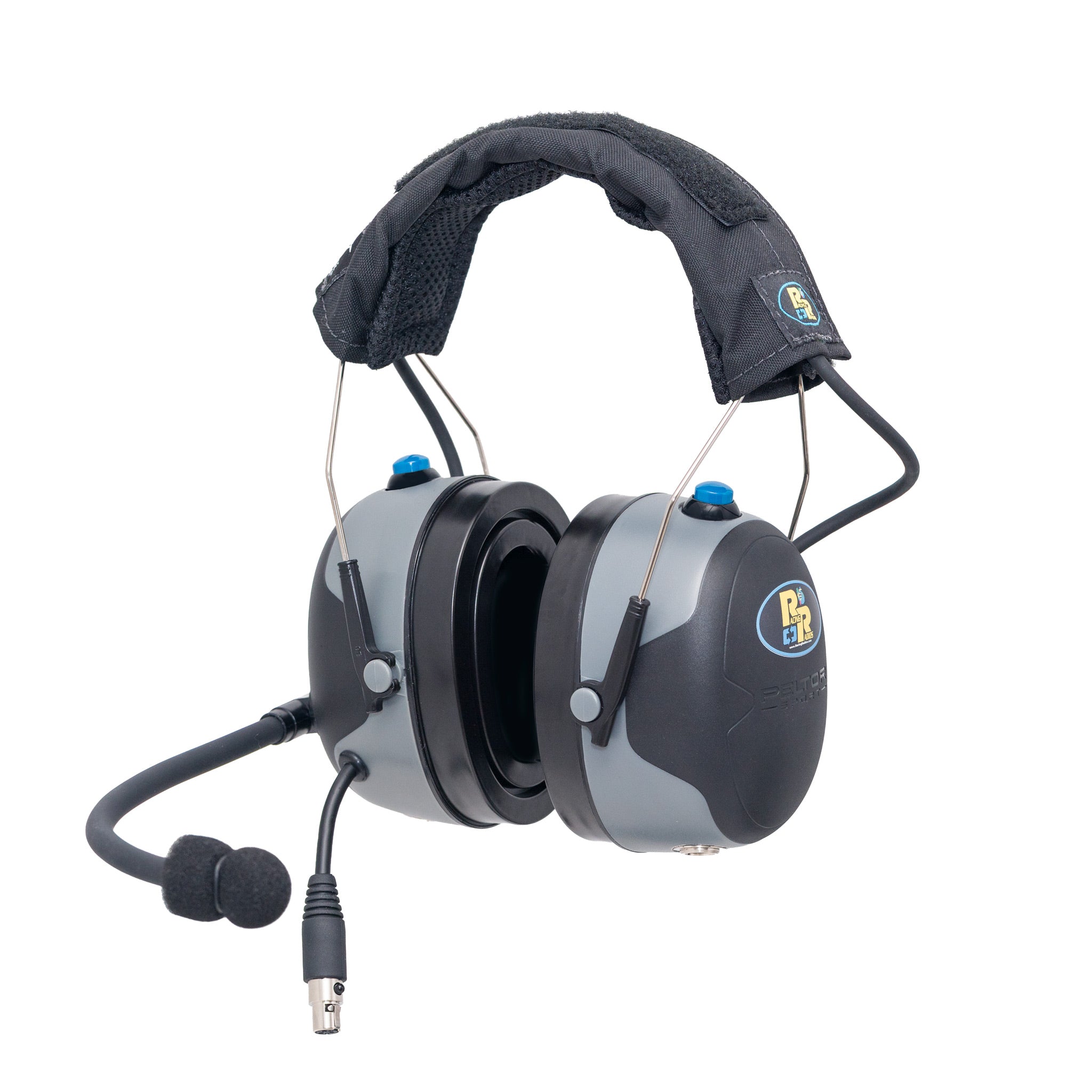
Everything wrapped around the radio. A race car is a hostile place for a signal: metal, vibration, heat, and a driver in a helmet and gloves who cannot look down. So Racing Radios builds the parts that make a generic radio race-ready - car wiring harnesses, antennas tuned to the specific vehicle, push-to-talk switches a gloved hand can find at 200 mph without looking, and custom or semi-custom earpieces molded to fit inside a helmet. On the crew side, it is Peltor and Racing Radios headsets, intercom systems for over-the-wall communication, and cables for every connector a paddock can throw at you.
Approximately ninety percent of the time they use the same frequencies they always do, and have never had to change during an event.- On Racing Radios' trackside frequency coordination
And then there is the part almost no competitor matches: they show up. Racing Radios runs on-site event support, rolling into the paddock with spectrum analyzers to listen for interference and coordinate frequencies so that thousands of radios do not step on one another. The ninety-percent figure sounds like a boast until you flip it - the other ten percent, the weekend where a stray signal threatens to knock out a team's comms, is the entire reason teams pay a specialist instead of buying a box online.
03 / The customersFrom the pit wall to the cheap seats
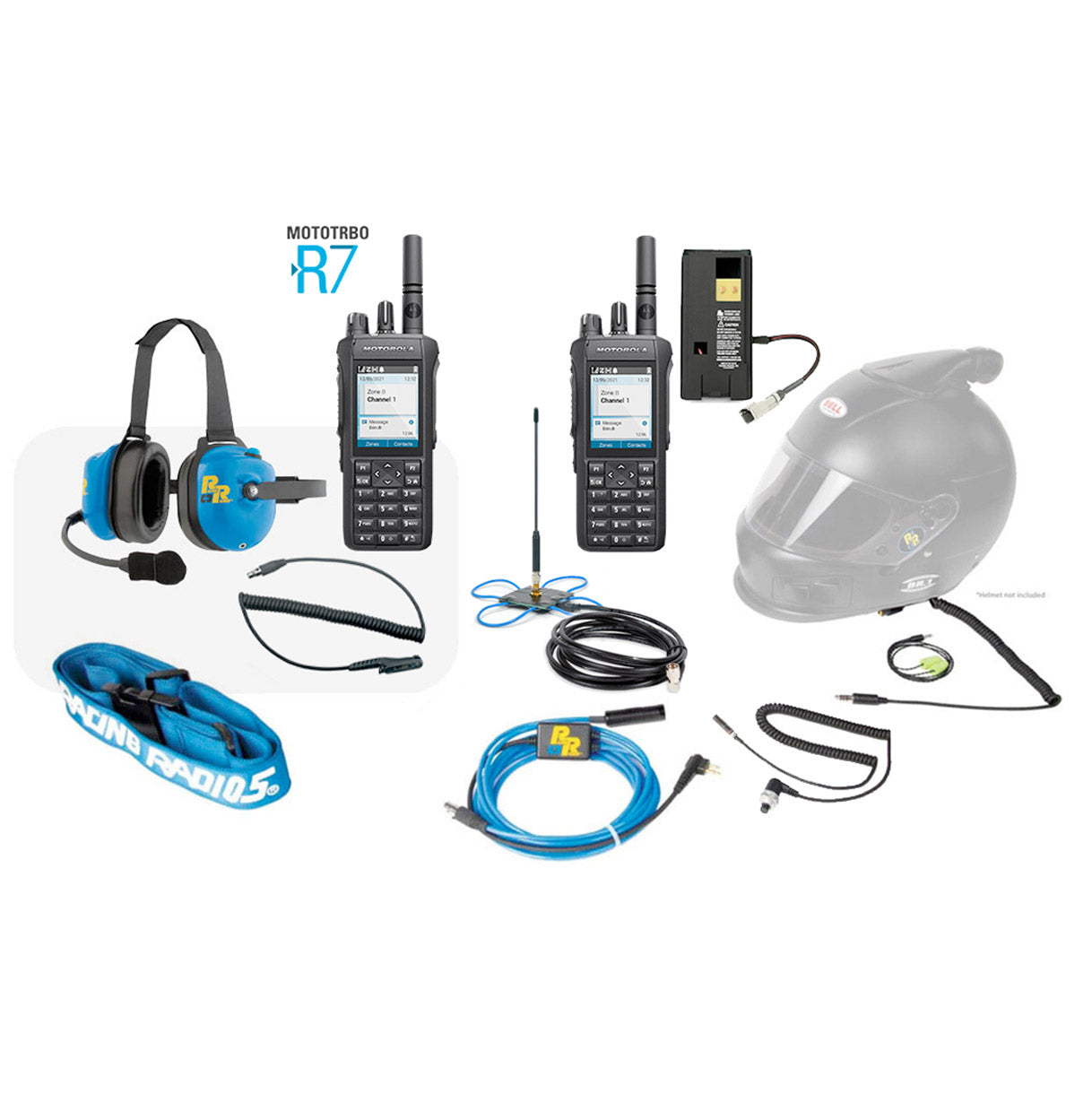
Most companies pick an end of the market. Racing Radios works both. At the top are professional teams in the marquee series. At the base are grassroots club racers buying their first system, and race fans buying a Uniden scanner package to eavesdrop on the same radio traffic the pros use. It is a rare business that sells the identical domain expertise to a factory GT team and to a dad in the grandstand - and monetizes both.
That last number is the one that makes people blink. A seven-person company is the official supplier to a national GT championship and a vendor across NASCAR, IMSA, IndyCar, Ferrari Challenge, USAC, SCCA, Radical Cup, Monster Jam and Supercross. The leverage comes from being narrow and deep: one problem, understood better than anyone, sold to an entire sport.
04 / The moatWhy a commodity radio isn't a commodity here
Competitors exist - names like PCI Race Radios and Rugged Radios sell into overlapping markets. But few pair race-specific engineering with the trackside coordination that generic dealers simply do not offer. The defensibility is not a patent. It is presence and trust: teams change tires, drivers, sponsors and strategy constantly, but the one thing they tend not to swap mid-season is the company that runs their radios.
There is also the quiet work of staying current. Race communication has crossed from analog to digital radio systems, and Racing Radios carries both - migrating teams onto MOTOTRBO-class digital gear without losing the reliability that is the whole point. The technology underneath changes; the promise on top of it does not.
05 / What you can take from itThe boring business that compounds
If you are building something, Racing Radios is a useful case study in a few unfashionable ideas. Own a mission-critical problem completely rather than a flashy one partially. Turn a service - showing up, coordinating, fitting - into the moat that a resellable product never could be. Serve the top and the bottom of a market with the same expertise. And treat reliability, the least exciting attribute a company can have, as the feature people actually pay for.
Where would it not work? This is a model built on a narrow, specialized world where relationships and trackside presence matter more than scale. It does not obviously spin up into a giant business - a seven-person shop is a feature here, not a bug - and it depends on the health of the motorsports ecosystem it serves. Copy the discipline, not necessarily the size.
Race teams change everything to win. The one thing they don't touch is who runs their radios.