Pencil is for the marketer whose campaign has become a relay race. The brief lives in a document, brand rules in a deck, product shots in a drive, copy in a chat thread, approvals in email and results in an ad account. Every handoff is a chance to lose a detail or a day. Pencil's argument is simple: bring the race indoors. Start with the brief, call on several AI models, edit the output, collect approval, send the ad to its channel and feed the results back into the next attempt.
That makes it useful to two groups in particular. A small performance team can use it to make more credible variations without waiting for a production queue. A large brand can use it to turn one campaign into hundreds of local, correctly sized, governed assets. The second group is where Pencil's present-day identity becomes clearest. What began in 2018 as an AI ad maker now describes itself as a marketing operating system, complete with permissions, audit trails, brand guardrails and lawyers' favorite phrase: IP indemnification.
Why it exists
Generation was the easy part
The market does not lack machines that can write a headline or summon an artfully perspiring drinks can. The nuisance begins five minutes later. Which model made the best version? Is the logo safe? Did legal approve the claim? Who resized it for six placements? Where is the Spanish copy? Did the winning ad actually win, or did it merely look expensive in the review call?
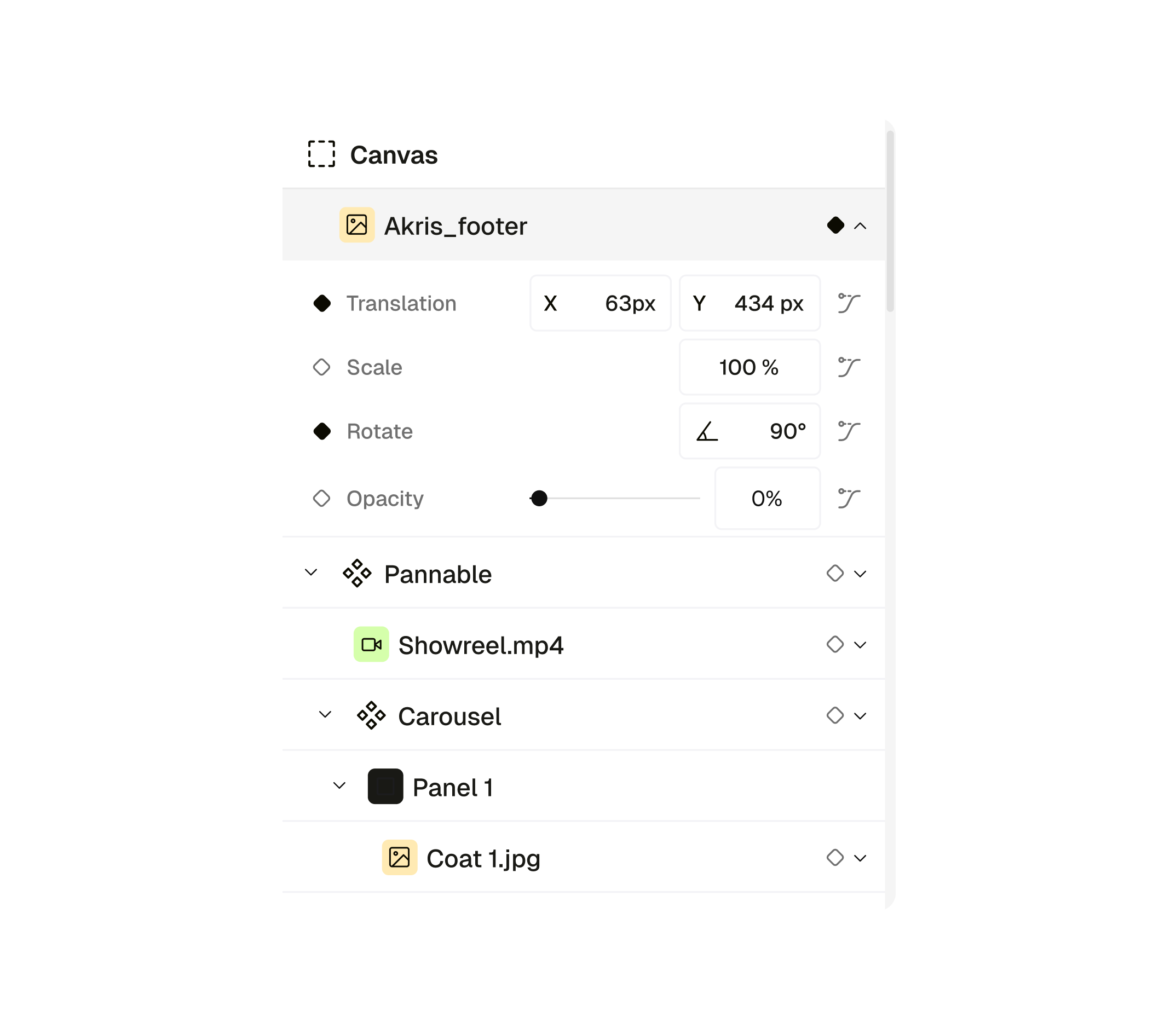
Pencil tackles that unglamorous middle. A team can brief agents with campaign goals, audience information, brand documents and existing assets. The platform can generate copy, images, video and finished ad layouts, then keep the work editable. Its browser editor handles text, image, video and HTML5 creative. It offers rulers and grids, background removal, scene extension, product placement, keyframe animation and exports including static files, GIFs, MP4 and HTML5. Feed-driven workflows can then multiply an approved idea across products, markets, dimensions and languages.
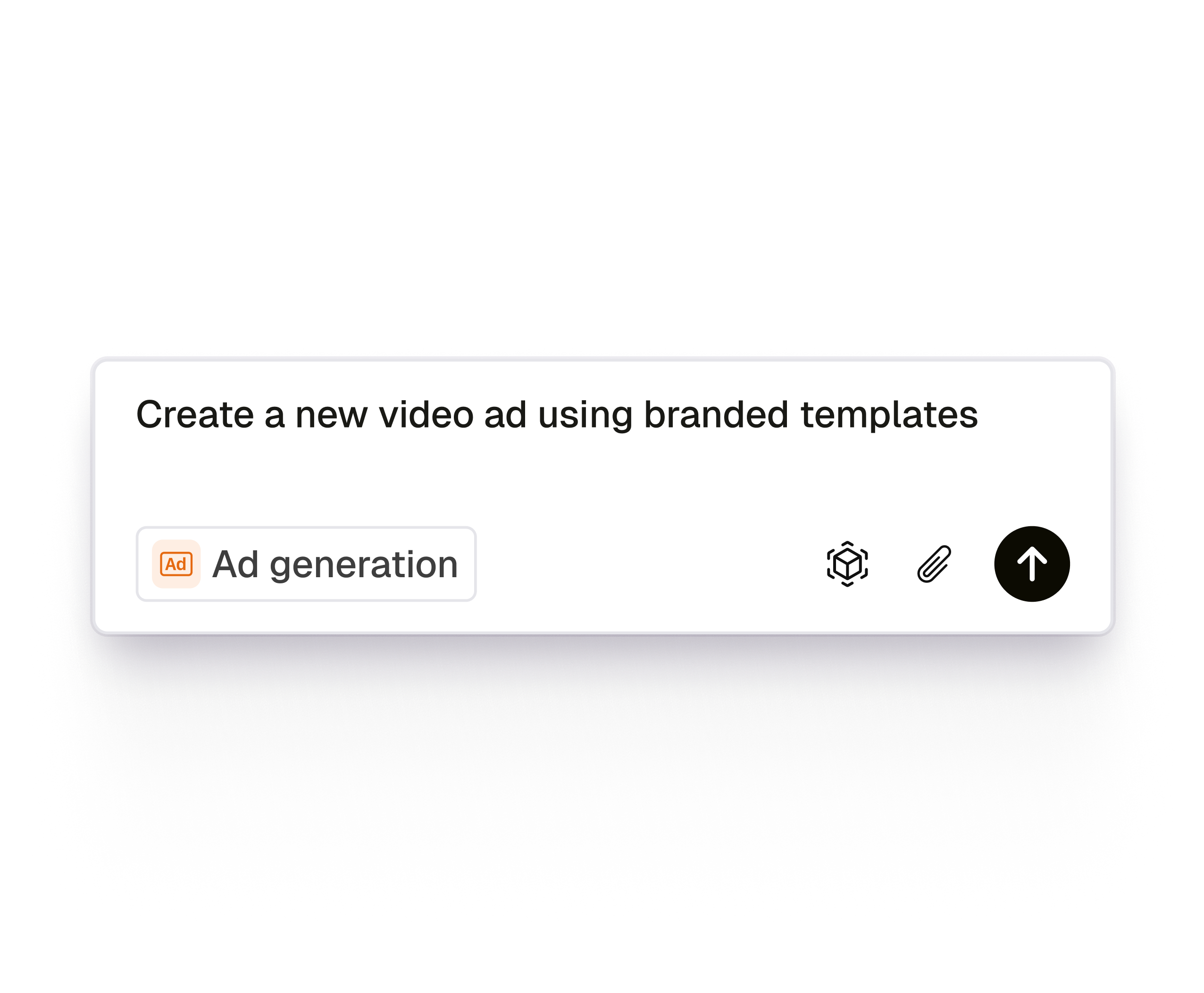
Pencil is less a magic ad button than a campaign room compressed into one browser tab.YesPress review
What happens inside
Many models, one garden gate
Pencil calls its model strategy the Open Garden. Rather than asking a marketing department to contract separately with every fashionable model maker, it puts models from companies such as Google, OpenAI, Adobe, Runway and Bria behind one interface. The live platform page lists tools for reasoning, copy, image generation, video and voice. The precise model menu will move quickly; the durable benefit is the orchestration layer above it.
This is sensible for a team that wants model choice without making model procurement a hobby. It also gives Pencil a clean enterprise pitch: one governed environment, one set of roles and brand rules, and a declared no-train policy for customer data. Pencil advertises SOC 2 Type II certification, regional controls and full IP indemnification on its enterprise offer. Buyers should still read the contract, confirm which model handles which data and ask how retention works. A badge is the start of diligence, not its conclusion.
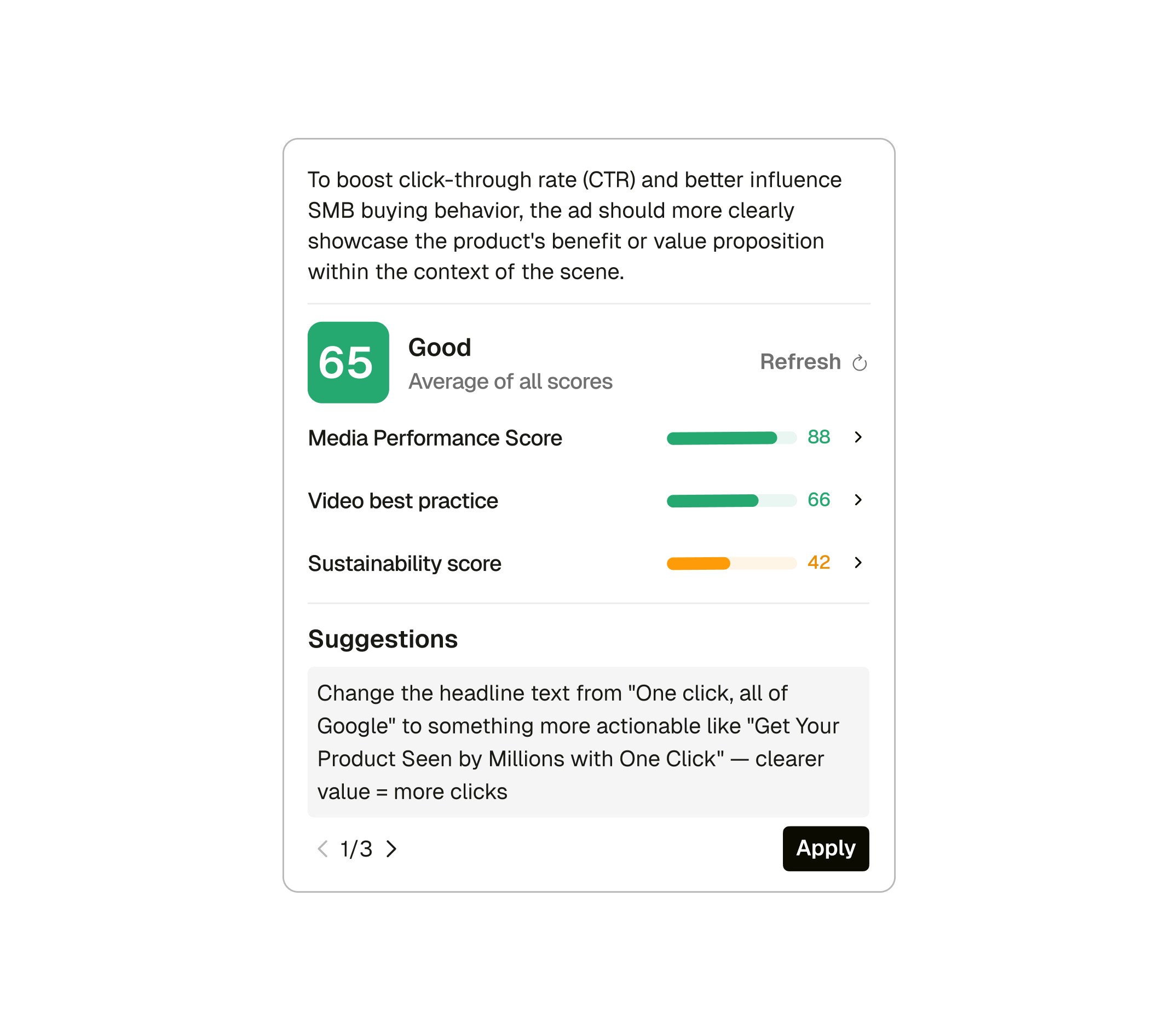
The performance layer separates Pencil from a plain design generator. Connect advertising accounts and it can import creative and results, score new work, diagnose weak spots and predict likely winners. At its 2023 acquisition, Pencil said its prediction data reflected more than $1 billion in media spend across 4,000 brands. Useful signal, certainly. A prophecy, no. Scores should determine what enters a test, not replace the test. Audience, offer, placement and timing can embarrass even an elegant model.
The customer guide
Choose the workflow before the plan
Pencil's current self-serve pricing is unusually approachable for software that talks so often about procurement. Core is $14 monthly for 50 generations and one workspace. Growth is $55 monthly for 250 generations and unlimited workspaces. Annual billing lowers those monthly equivalents to $11 and $44. Pro uses custom pricing, adds unlimited generations, bulk production, enterprise terms, training and dedicated customer success.
A generation is a unit of work, not necessarily a finished ad. Resizing into each newly selected format can consume a credit, and some resized layouts may still need manual adjustment. Before subscribing, sketch the likely monthly mix: new concepts, alternate hooks, square and vertical versions, video cutdowns and abandoned attempts. Fifty sounds roomy until a campaign needs four messages in five shapes. The best plan is the one that covers the testing cadence, not the one with the friendliest sticker price.
| Plan | Best fit | Current price | Watch closely |
|---|---|---|---|
| Core | Solo operator testing a real campaign | $14 monthly, 50 generations | One workspace and credit use for formats |
| Growth | Small team with several brands or campaigns | $55 monthly, 250 generations | Whether output volume justifies the jump |
| Pro | Global, regulated or high-volume operation | Custom | Data terms, integrations, service scope and rollout cost |
Do not choose by generation count alone. Map one campaign from brief to report and circle the expensive handoffs. If the pain is merely making a few social graphics, Canva or a focused generator may be quicker. If it is rapid UGC-style video from a product URL, a video-first tool such as Creatify deserves a test. AdCreative.ai competes on high-volume ad variants. Smartly.io reaches further into scaled campaign operations. Adobe GenStudio, Jasper and the agency holding-company platforms approach the enterprise problem from their own territories.
Pencil earns attention when the handoffs themselves are the problem. Run a pilot using one established product, a complete brand kit and enough past creative to make comparisons fair. Measure time to first usable concept, human edit minutes, approval rounds, format errors, cost per accepted asset and live campaign results. Count accepted assets, not generated ones. A folder with 400 rejected pictures is not scale. It is litter.
Set the pilot up like a small kitchen, not an all-you-can-eat buffet. Give one owner authority over the brief. Upload current logos, fonts, claims, product shots, exclusions and examples of work the brand genuinely likes. Connect performance data only after deciding who can see it and why. Ask Pencil for a limited batch, then have the same creative and media people score each draft. Record what they changed. Repeated corrections belong in the brand rules or workflow; one-off taste debates do not.
The newer Agents feature matters here. Introduced in June 2026, Agents is designed to preserve structure and continuity across repeated jobs instead of treating every prompt as a fresh encounter. Pencil has also added Share of Model, a score for examining where a brand appears in AI-generated answers and then using those gaps to inform new assets. Both ideas widen Pencil beyond paid-social production. They are promising, but buyers should ask to see them work on their own category terms and messy internal material.
The honest catch
Garbage in, but faster
Pencil's own guidance asks for clear, high-resolution packshots and the right brand inputs. Users make the same point more bluntly. One G2 reviewer praised the speed but said the system gets you about 90 percent of the way to a finished product. Another noted that quality output depends on quality source assets. A 2025 Reddit user liked the prediction idea but found the interface clunky. Treat these as useful field notes rather than universal verdicts.
There is also an organizational catch. Turning one brief into thousands of variations can expose weak governance faster than it fixes weak creative. Someone still needs to decide what the campaign is trying to say, which differences matter by market, where local review belongs and when enough versions are enough. Pencil can enforce a rule that exists. It cannot rescue a committee that refuses to make one.
The company has evidence of enterprise traction. The Brandtech Group acquired it outright in June 2023 and launched Pencil Pro with Unilever and Bayer. Fast Company put Pencil on its 2024 Most Innovative Companies list for advertising and marketing. Gartner named it a 2025 Cool Vendor in AI for Marketing. Coty announced a 2026 partnership to embed Pencil across its Consumer Beauty content operation, with Brandtech sibling Jellyfish involved in the rollout. Named customers and case studies also include Diageo, L'Oréal, Experian, Barilla and Japan Airlines.
A sharp fit for messy campaigns
Pencil is easiest to recommend to teams that already know the cost of fragmentation. Its attractive feature is not any single model, because models improve and swap places monthly. It is the connective tissue: brand context that follows the work, an editor beside the generator, approvals beside the editor and performance beside the next brief.
Small advertisers can use the inexpensive Core plan as a disciplined test. Larger teams should demand a pilot built around their ugliest real workflow, including legal review and localization. Bring good source material, retain a skeptical human and judge the platform by published work rather than demo-room abundance. Pencil can shorten the distance from idea to live ad. It cannot decide whether the idea deserved the trip.
Keep digging