A coal company signs a deal worth up to $3.775 billion. Four months later, a gas ignition shuts one of the mines it wants to buy. Suddenly, the important question is painfully specific: when will the machinery underground work again? For Peabody Energy, the answer changed the transaction. In August 2025, it terminated the agreements to buy Anglo American's Australian steelmaking coal assets.
- Two customers, two jobs: fuel for power stations and raw material for steelmaking.
- A costly expansion meets an underground interruption.
- Old mining land gets another possible use: solar and batteries.
That episode offers a useful way into a company often reduced to a single word: coal. Peabody sells something more particular than a black rock. It sells the right grade, in the right quantity, delivered into an industrial system that cannot casually change its ingredients. Its opportunities, and its mistakes, begin with those particulars.
One rock. Two very different shopping lists.
Thermal coal goes into power generation. Metallurgical coal goes into steelmaking, including the production of coke used in blast furnaces. The distinction matters because an electricity buyer and a steel producer face different substitution choices. Peabody's Australian operations connect it to seaborne markets; its American mines supply domestic utilities and other industrial customers.
The company organizes its reporting into seaborne thermal, seaborne metallurgical, Powder River Basin and other U.S. thermal operations. That makes it a supplier across several coal markets rather than a specialist in just one. A utility looking for fuel and a steelmaker looking for coking coal can both become customers, but they are buying different performance characteristics.
There is no checkout button. This is a negotiated supply business: volumes, quality, pricing and transport arrangements. Domestic contracts can lock in prices and quantities; much seaborne business has prices negotiated or settled periodically. The practical benefit for buyers is access to an established mining and delivery network. The commercial trick for Peabody is keeping the cost of delivering each ton below what that customer will pay.
The advantage is already in the ground
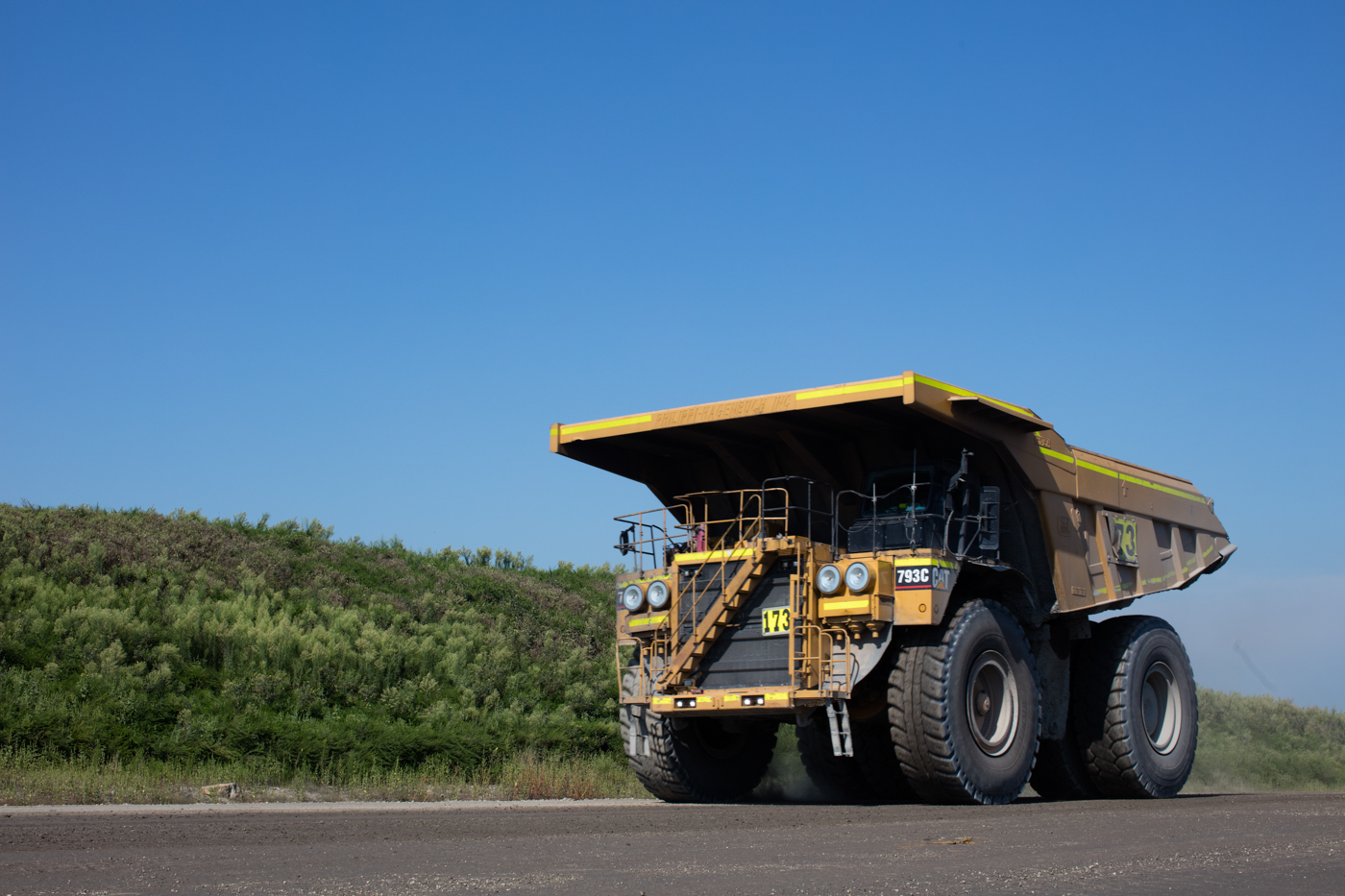
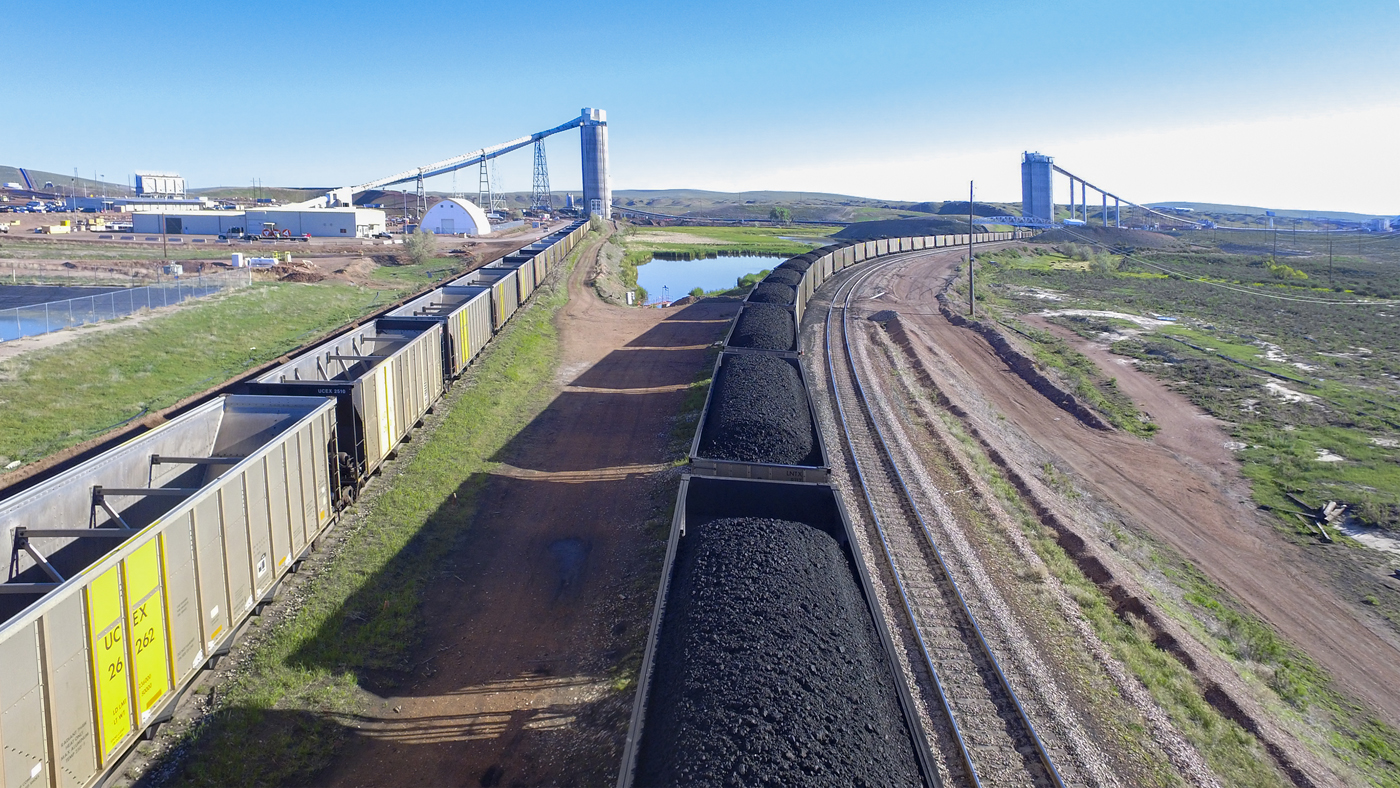
Consider North Antelope Rochelle in Wyoming. Peabody reports that the surface mine produced 65 million tons in 2025 and held 1.23 billion tons of proven and probable reserves. BNSF and Union Pacific provide its rail connections. Those details explain the business better than a slogan: reserves, equipment and transport have to work together.
Against another coal supplier, Peabody competes through its mine portfolio, coal characteristics, operating costs and routes to customers. Steelmaking alternatives include producers such as Warrior Met Coal; U.S. thermal alternatives include Core Natural Resources. Peabody's breadth gives it several sources of demand, although all remain exposed to commodity cycles. Owning more kinds of coal does not create a guaranteed margin.
Its history supplies the warning. Francis S. Peabody began a Chicago coal delivery business in 1883. More than a century later, the company entered Chapter 11 in April 2016. It emerged in April 2017 after reducing debt by more than $5 billion. The old common shares were extinguished without value. Mines and customers could survive while the ownership claim disappeared.
The mine that changed the price
The Anglo transaction was a bid to expand steelmaking coal. Its announced maximum consideration included $2.05 billion upfront, deferred payments and contingent amounts. Then came the March 31, 2025 ignition at Moranbah North. Peabody said the resulting uncertainty constituted a material adverse change. Anglo disagreed.
“There is no known timetable for resuming longwall production.”Jim Grech, Peabody CEO, May 2025
The physical interruption came first; the contractual rupture followed. Peabody said the parties could not agree revised terms that compensated it for the impact. Walking away carried costs too: its September 2025 quarterly filing recorded $46.7 million in bridge financing commitment and duration fees over nine months. That figure describes those fees, not the entire cost of the abandoned acquisition.
The disagreement continued. In its June 2026 quarterly filing, Peabody disclosed Anglo's approximately $755 million arbitration demand. Peabody disputes the claim and says it properly terminated. The demand is an allegation, not an award. The case illustrates how difficult it can be to price an asset whose future output has become uncertain.
A production target is a promise to execute
Peabody's own Centurion mine in Queensland makes the same operational point. Its 2024 development presentation budgeted $489 million to first longwall production at Centurion South. This was a project estimate, not a final cost tally. The attraction was premium hard coking coal and a long operating life; the task was turning that resource into dependable output.
By July 2026, Peabody reported significant commissioning work completed and targeted 1.5 million to 2 million tons of Centurion sales in the second half. Companywide, the second quarter produced a $90.6 million net loss attributable to common stockholders. Higher costs and temporarily lower volumes were still doing damage. Management's expected improvement remained something to deliver.
Lower seaborne prices pressed on 2025 revenue. Volume alone cannot tell this story.
The land has a second act
There is another asset beneath the coal story: land. In November 2024, RWE and Peabody announced a partnership involving a 5.5-gigawatt pipeline of potential solar and battery projects on reclaimed sites in Indiana and Illinois. Peabody retained a 25% interest in R3 Renewables. A development pipeline, of course, is not operating generating capacity.
That arrangement suggests something other businesses can copy: inventory the useful assets left behind by the main activity, then find a partner equipped to develop them. Here, the proposition depends on suitable land, approvals, grid access and viable project economics. Acreage by itself does not produce electricity.
Peabody reports safety training, critical risk controls and near-miss reporting as operating priorities. It also ties land restoration to executive incentives. Those practices matter to execution, but reclamation does not erase the emissions from burning coal. The company acknowledges it has no specific Scope 3 targets. Its future still rests on coal demand, safe production and customers able to pay for the output. The revealing unit of analysis remains the working mine.