A death certificate is a peculiar kind of document. It records one ending and starts a collection of tasks. There are accounts to identify, companies to notify, records to find and an estate to administer. Each institution has its own process. The family has one loss. The administrative system has several inboxes.
- Four businesses connect specialist recovery, portfolio buying and estate tools.
- The parent launched in 2025; Phillips & Cohen began in 1997.
- The practical bet: share the infrastructure, preserve the specialist skills.
PCA Global Ventures operates in that gap between a financial account and a human situation. Its companies recover money for creditors, buy receivables and provide estate services. The combination is unusual enough to deserve a closer look. A collections business and a digital estate vault can appear far apart, until an executor needs both institutions to understand the same event.
A new name for an older idea
Matthew Phillips and Adam Cohen founded Phillips & Cohen Associates in 1997. It developed a specialty in deceased-account care and sensitive financial recovery. By October 8, 2025, the business had become part of a broader family: Phillips & Cohen, Ardent Credit Services, Invenio Financial and The Estate Registry. PCA Global Ventures launched as their parent.
That distinction matters. The 2025 date describes a corporate structure. The operating experience reaches back much further. The announcement put executive leadership and shared services under one parent, while leaving the brands focused on their particular jobs. Nick Cherry became divisional CEO of Phillips & Cohen and Ardent.
“This evolution reflects both our ambitions and the breadth of our services.”
Adam Cohen · Chairman and CEO · October 2025
The useful interpretation is straightforward: specialist work can remain specialist while the machinery behind it becomes common. For a creditor, that could mean fewer disconnected vendors and clearer accountability. It is a proposition about how work travels through an organization, with the customer experience depending on what happens between teams.
Four doors into the same problem
Phillips & Cohen handles probate and estate recovery alongside debt settlement and bankruptcy services. Ardent handles first- and third-party collections across consumer and commercial markets. Invenio buys specialized receivables portfolios and offers master servicing. The Estate Registry supplies tools for estate preparation, notifications and inheritance liquidity.
The buyers include banks, credit unions, card issuers, retailers, auto lenders, utilities and medical providers. On the estate side, attorneys and advisers help families prepare, while executors and beneficiaries deal with what follows. These are different customers, sometimes looking at the same account from opposite ends.
The business model follows those differences. Recovery and credit management are services for organizations. Portfolio purchasing involves acquiring accounts and managing their value. Estate technology can reach users through professional partners and co-branded portals. InheritNOW’s US advance involves exchanging immediate money for an agreed portion of a future estate distribution. Treating the entire group as one software subscription would miss most of the business.
The death certificate relay
The Estate Registry makes the family’s part of this story tangible. LegacyNOW provides an estate lifecycle platform with a digital vault and collaboration between professionals, families and designated representatives. Its purpose extends beyond writing down intentions: someone must eventually locate and use the information.
NotifyNOW tackles the next handoff. A notifier enters creditor information in one place and uploads a death certificate for submission when required. The service supports notifications to participating creditors and service providers. LegacyNOW can pass relevant account information into that process. Less repetition is the appeal. Anyone who has repeated difficult news can understand the product without a software demonstration.
- PrepareLegacyNOW
Records and coordination - NotifyNotifyNOW
Account notifications - BridgeInheritNOW
Inheritance liquidity
InheritNOW addresses a different mismatch: a beneficiary may expect an inheritance before money can be distributed. Its US service evaluates the inheritance and offers an advance, with compensation coming from the estate under the agreement. Availability and funding structures vary by country. Speed has value here, but the amount received and the future distribution committed belong in the same calculation.
Expansion without losing the specialty
The logic behind Ardent predates the parent-company launch. In February 2023, Phillips & Cohen announced an agreement to acquire the Liverpool credit-management provider. The announcement praised Ardent’s digital approach and the ability to let customers choose communication channels. It also described a deliberate ambition to expand mainstream collections while preserving expertise in deceased accounts.
Ardent’s June 2026 Canadian expansion put that ambition into practice. The company said existing UK clients were preparing to extend their relationships into Canada. There is a practical growth lesson in that detail: follow relationships into a market where the wider group already has experience.
Recovered for clients.
A measure of collections, not PCA’s revenue.
The same announcement reported more than £157 million recovered in 2025. That figure shows the scale of Ardent’s recovery activity. It does not establish group profitability or tell a prospective client what its own accounts will yield. Portfolio composition and the work required still matter.
The people behind the plumbing
Shared infrastructure needs owners. In November 2025, PCA appointed Howard Enders president with responsibility for technology teams, Chris Lagow chief legal officer and Brooke Teal chief compliance officer and deputy chief legal officer. In February 2026, it announced company-wide AI training with Wilmington University, built around practical business cases.
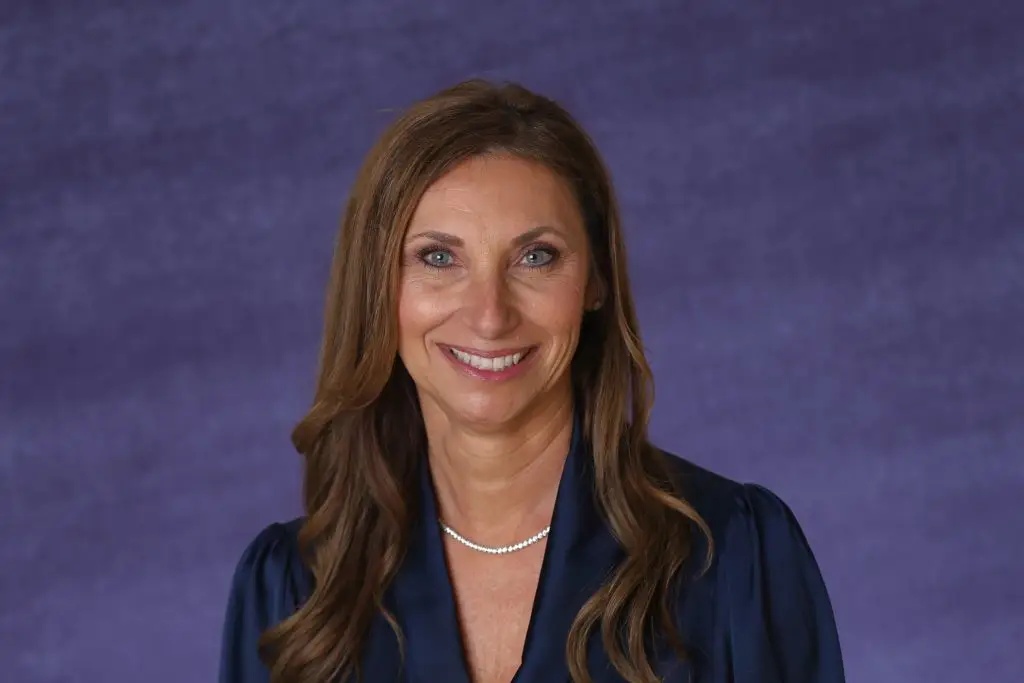
Culture appears in specific programs, including the EmpowHER women’s forum and mentorship. Those initiatives describe what the company invests in. The university partnership adds a useful operational detail: education crosses departments, matching the shared structure the parent was created to support.
Make the handoff the product
PCA has competition. DCM Services also specializes in deceased-account and probate recovery; creditors can use internal teams or other agencies. PCA’s distinctive proposition is the breadth of connected services. Its success depends on accurate information, appropriate access and local execution. Combining businesses cannot make those requirements disappear.
The idea other companies can copy is less exotic than the portfolio: find the point where a customer’s problem crosses departments, then organize around that crossing. For PCA, the account, the executor and the creditor belong to one situation. Making the handoffs less painful is a business worth understanding.
PCA Global Ventures ↗ LinkedIn ↗ Estate tools ↗ News and insights ↗ Product videos ↗ Watch on YouTube ↗