Paul Crandell wanted to watch a movie in his adventure van. A television was too bulky. Around the same time, his son wanted a projector for a college dorm room. Two small domestic requests gave a veteran marketer a new business to build: Lumi, the smart-projector company he co-founded with Kody Amburgey in 2024. After years helping other people's products find an audience, he had an inconvenience of his own to work on.
There is something pleasingly ordinary about that beginning. Crandell's career includes Red Bull, GoPro, professional athletes and an advertising award with the word “Genius” engraved in its name. Yet the projector began with a familiar calculation: where, exactly, would you put the television? A van is an efficient editor of possessions. Anything that takes up permanent space had better earn its keep.
In Crandell's telling, Amburgey brought finance and growth experience to complement his own background in branding and leadership. Their proposition was portable viewing with less setup friction. The original customer was close enough to inspect without commissioning a focus group. He was the person trying to make room in the van.
An art business with room for skiing
Long before Lumi, Crandell arranged work around the outdoors. After college, he sold artwork from his car so he could ski, mountain bike and surf. He had played volleyball at Orange Coast and the University of California, Santa Barbara. The pattern was already taking shape: find a way to support the activities, then discover that the activities might lead to work.
His degree was a B.A. in Law and Society from UCSB. His later apprenticeship was rather less classroom-bound. The account of his early career includes selling Red Bull its first American title sponsorship. A product arriving from Austria needed people who understood the American sports scenes it hoped to enter. Crandell was already spending his time in that world.
His early event work included hanging banners with zip ties. Those are useful objects to keep in the picture when a career acquires executive titles. Before anyone can admire the brand, somebody has to fasten it to something. Crandell's eventual authority over sports marketing grew out of the practical business of making events happen.
What a patch of Utah could become
He joined Red Bull North America in November 1998 and stayed until October 2007. One enduring result was his part in getting Red Bull Rampage off the ground. Event organizer Todd Barber had a vision for big-mountain freeride competition; Crandell helped carry the idea into Red Bull. The first Rampage took place in Virgin, Utah, in 2001.
The location supplied ridges, drops and steep terrain. The appeal depended on riders doing something worth watching there. A company could supply backing and organization, but the spectacle belonged to people choosing lines down the mountain. That relationship between a brand and the people using its support would recur throughout Crandell's career.
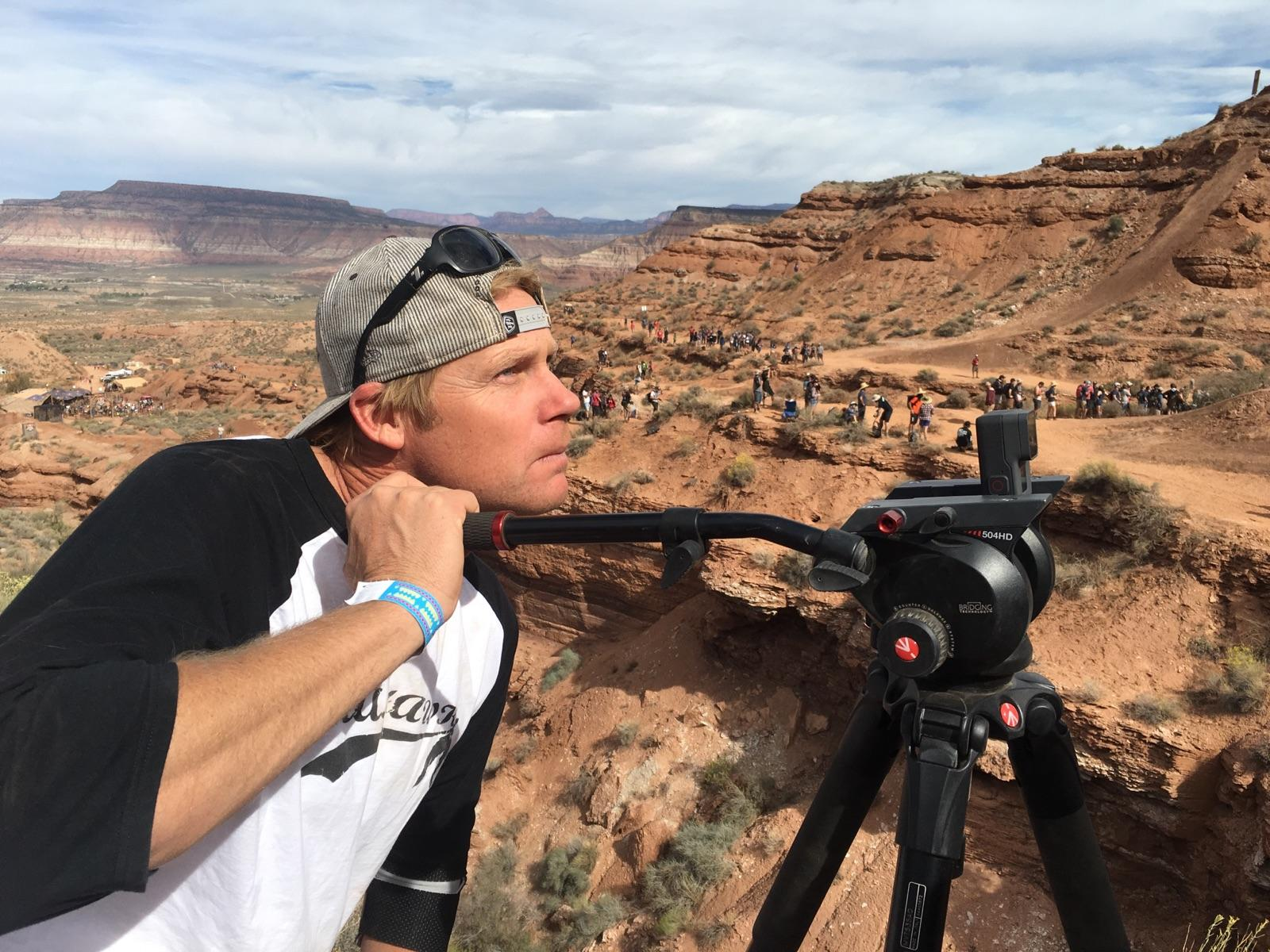
His next stops included a year as vice president of marketing at ICON Aircraft, then Q Sport Architects, the marketing consultancy he co-founded in 2009. The products changed, while the work kept returning to people with absorbing pursuits. Aircraft, mountain bikes and cameras all arrive with communities attached. Knowing how to enter those communities was becoming his professional specialty.
The camera already had a cast
Crandell joined GoPro as vice president of marketing in August 2011. By January 2012, the company was sponsoring the Winter X Games Aspen, Winter Dew Tour and the U.S. Ski and Snowboard Association. These were places where a wearable camera could demonstrate its purpose in the time it took an athlete to complete a run.
That summer, GoPro took its cameras to aviation's AirVenture gathering. Cameras mounted on aircraft offered an onboard view, while daily videos covered the event. Crandell spoke about meeting enthusiasts and helping them relive and share flight experiences. It was a practical extension of the same idea: put the camera where the interesting activity already happens.
In 2013, GoPro became the official camera supplier to ORACLE TEAM USA. The sailors were already using the cameras for training. Their media team could also turn the footage into team films, television material and online edits. A single device served the people doing the work and the people watching it, with rather different reasons to press play.
Red Bull start · GoPro start · Lumi co-founding
By 2015, his work had earned a place among the Content Marketing Institute's Content Marketer of the Year finalists. Its profile described a GoPro YouTube audience of three million subscribers and an athlete program extending across sports. It also highlighted a National Hockey League partnership that brought viewers closer to the action through point-of-view footage.
The camera's owner could become its demonstrator, filmmaker and distributor. For a marketing executive, that offered an unusual abundance of material. It also put a premium on recognizing what people wanted to show each other. The product had to function in their lives before the resulting video could function as advertising.
A red carpet, with cameras still running
In 2014, Crandell received Adweek's Brand Genius award and then the evening's Grand Brand Genius honor. GoPro's account describes the second award as a surprise. The accompanying company celebration also directed readers toward footage of Crandell and friends fishing for steelhead on Northern California's Trinity River. The formal recognition and the fishing trip seem quite comfortable sharing a paragraph.
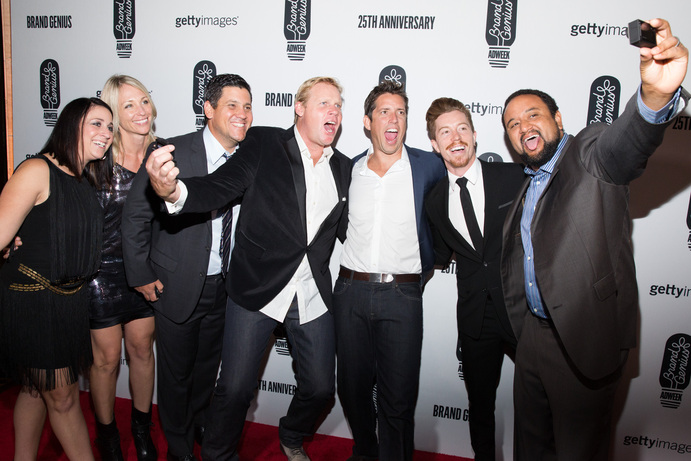
His later appointments took him into other businesses. Kindhumans named him president in February 2021, with responsibility for global marketing, sales and operations. Xeal appointed him its first chief marketing officer in May 2023. There, the job involved explaining electric-vehicle charging technology to commercial and multifamily property customers.
The Xeal announcement made an explicit connection to GoPro: technology can change what people think is possible, and somebody has to make that change understandable. A camera and an EV charger demand different explanations. Crandell was being hired for the ability to connect a technical product with a reason someone might want it.
His consulting work through 1 Degree also kept him close to businesses outside the camera industry. The list of clients and projects ranges across bicycles, consumer products and entertainment. That variety gives his return to an outdoor setting a particular appeal: Lumi puts a consumer-electronics product into places he already likes spending time. He can approach the question as an experienced marketer and as someone who might pack the device himself.
The chairlift meeting that became a summit
Another project began during a stormy chairlift ride with Sugar Bowl chief executive Bridget Legnavsky. Crandell wanted young athletes to understand more of the working life awaiting them. Roughly a year and a half after that conversation, the first Donner Summit ran at Sugar Bowl from May 2 to 5, 2024.
Its program put aspiring snowsports professionals alongside established athletes and people who knew sponsorship, agents, media and personal branding. Crandell taught goal setting and elevator pitches. Participants included Daron Rahlves, JT Holmes, Travis Ganong, Michelle Parker and Amie Engerbretson. The athlete's career was treated as something to prepare for beyond the next competitive result.
That is a revealing use of his connections. The people a marketer knows can help sell a product; they can also explain a profession to somebody entering it. Crandell gathered them for workshops, discussions and time on snow. A chairlift conversation had acquired a schedule, speakers and a roomful of people ready to listen.
Back in the van, a different kind of screen
At Lumi, Crandell is applying a familiar preference for meeting customers in their own settings. In a January 2026 business update, he described attending events, opening accounts and demonstrating projectors to consumers and dealers. Adventure travel, college living, apartments and families were the groups he wanted the company to reach first.
His objection to rushing into broad distribution is practical: a young brand needs people who understand and recommend it. A projector benefits from being switched on. Someone seeing a picture appear on a wall can ask questions, judge the setup and imagine where it might fit at home. The demonstration gives a conversation somewhere concrete to begin.
“A brand is like a human.”
Paul Crandell
His year-end 2025 update supplied the less romantic side of that work. Crandell reported a 35 percent reduction in manufacturing costs on tariffed goods, expansion to 90 RV stores in five months, and sales above $1.4 million. He also reported that Lumi Max sold out within three weeks of a launch with the Philadelphia Phillies. These were his figures for a young business, with all the execution implied by physical inventory.
In March 2026, he announced a first purchase order for an initial 33 Barnes & Noble College physical stores, with shelf placement planned for late May. That followed the earlier online bookstore rollout. A web listing and a place on a shop shelf are different milestones. For Crandell, both bring the company closer to the student who first helped suggest its purpose.
At CES 2026, he called the gathering the “Super Bowl of nerds” and counted himself among them. He wrote about shuttle conversations, dinner companions, old colleagues and new partners. Even surrounded by consumer electronics, his attention kept returning to the people. The next product might begin with a technical discovery. It might also begin with someone explaining what will not fit in their van.