A hotel kitchen buys certainty by the crate. It wants the vegetables ordered yesterday to arrive in the right quantity, in good condition, before someone starts asking where lunch has gone. A smallholder farmer has a different shopping list: a buyer, a worthwhile price, and some reason to believe the next harvest will find a home. Panen Indonesia Sejahtera built Panen.ID between those two lists.
- The buyer: commercial kitchens, supermarkets and market traders.
- The work: farmer support, ordering, quality checks and delivery.
- The twist: a shorter supply chain still needs people, transport and patient money.
The company began trading in Bali in January 2017. Its proposition was direct and fair trade in fresh produce. That sounds like a website with two kinds of login. The public record describes something considerably more involved: a business learning how to make a field’s output fit a kitchen’s expectations.
A car becomes the first cheque
Co-founders Astrid Juanita Stephanie and Johannes Dwi Cahyo Kristanto brought food and agricultural backgrounds to the problem. Astrid had worked around food companies, hotels and restaurants; Johannes brought logistics and software experience. Their preparation included observing farmers and hospitality buyers during the closing months of 2016. They started with the transaction, rather than expecting the transaction to materialize around an app.
Astrid later said she raised roughly Rp100 million by selling her car. Bali offered a concentration of prospective hospitality customers. The choice had commercial logic: reach buyers who needed produce repeatedly, understand their requirements, then organize farmers around that demand. A picturesque island is pleasant. A cluster of purchasing departments is useful.
Institutional help followed. Panen.ID joined GnB Accelerator’s third cohort in 2017, a three-month program whose selected startups were offered US$50,000 each, workspace and mentoring. The distinction matters: founder capital got the business started; accelerator investment and support gave it more room to operate.
The expensive word is “consistent”
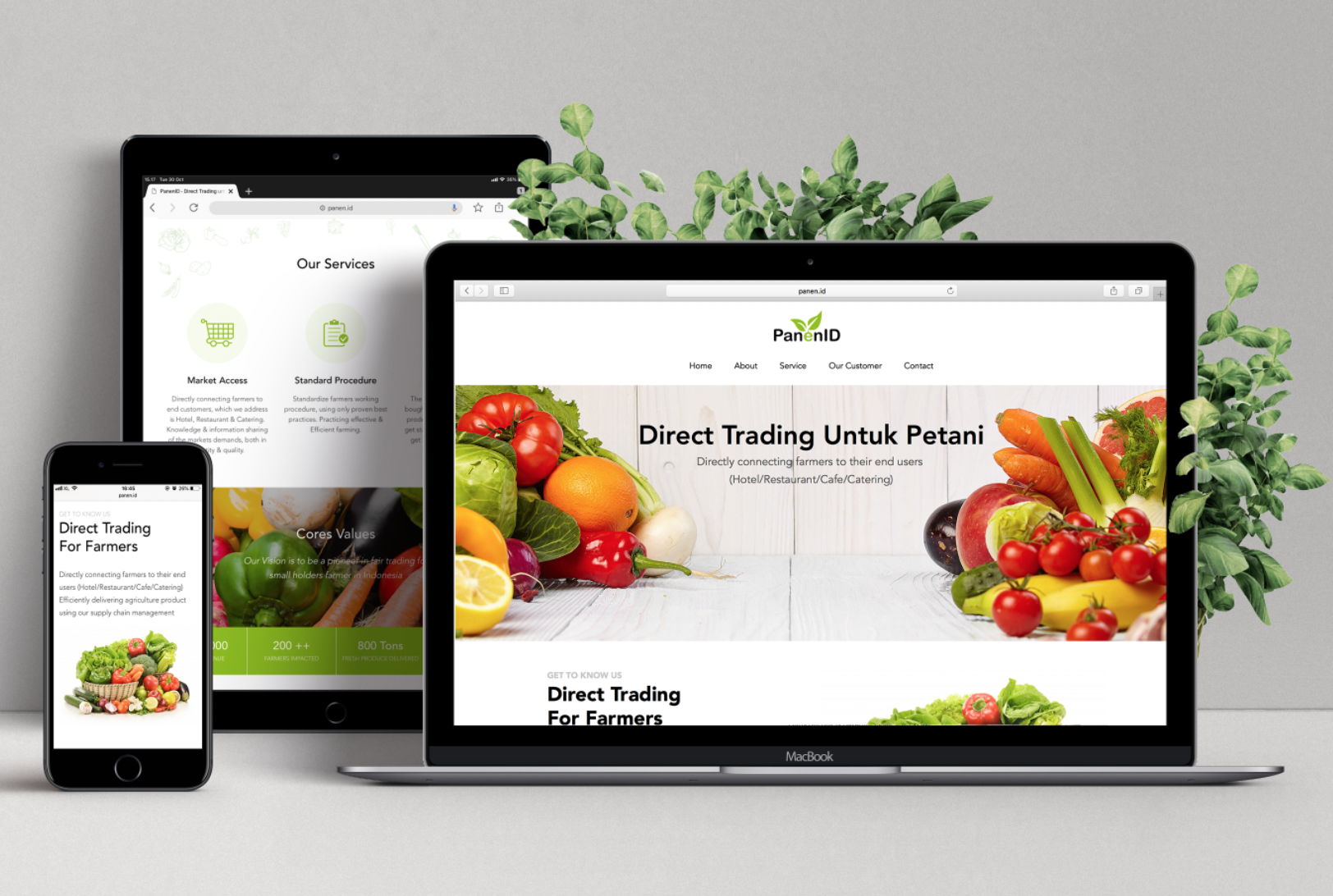
Panen.ID’s early focus was business customers: hotels, restaurants, cafes and caterers. Its company profile also lists supermarkets and market traders. Fresh fruits and vegetables are the core goods; simplifying procurement is the service wrapped around them. For a purchasing manager, that means an ordering channel backed by quantity assurance, delivery and someone to handle a complaint.
The farm-side work explains the positioning. Early coverage describes planting plans matched to market demand, standard procedures and help calculating production costs. These are practical ways to connect selling price with the expense of growing the crop. Farmers need a market they can supply profitably; buyers need produce they can use consistently.
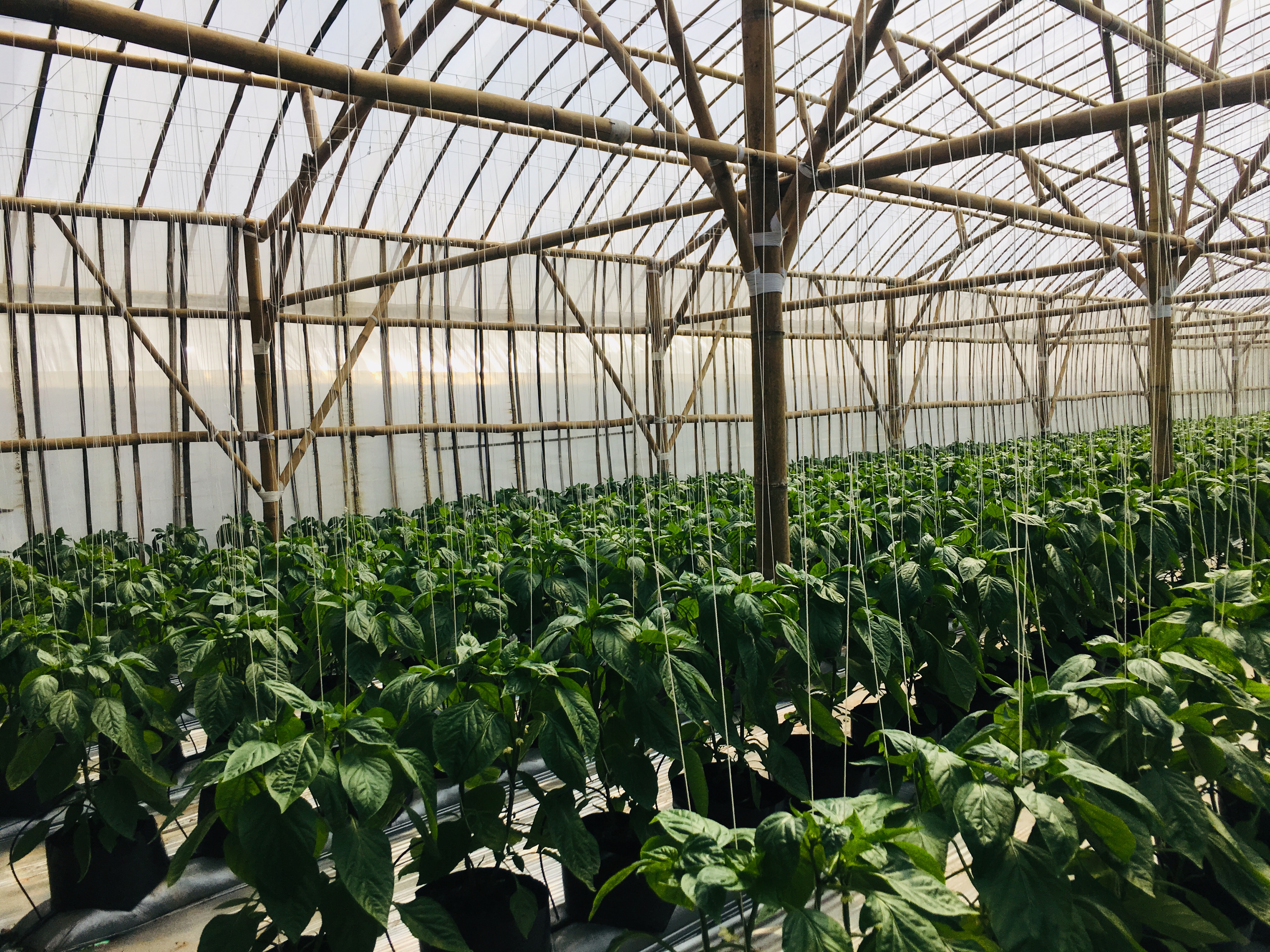
There was friction at the entrance. In a 2019 interview, Astrid described prospective farmer partners struggling to pass agreed quality standards. The first serious obstacle in that account was qualifying supply. A listing could bring a grower into view; it could not make the harvest acceptable by itself.
Traditional wholesalers and produce traders are the everyday alternative. Indonesian agritech peers such as Sayurbox and Rego Pantes also appeared in early coverage. Panen.ID’s claimed distinction was its hospitality focus and the assistance surrounding the order. That is a particular operating choice, rather than proof that other businesses could not offer something similar.
Orders travel upstream. Produce travels back. Panen.ID coordinates both.
Someone still pays for the truck
The economics are those of produce trading and distribution, with technology helping coordinate the work. Astrid’s public pricing explanation put operating costs inside the difference between farmer purchase prices and customer sale prices. Warehousing, transport and delivery all have to come from somewhere. A shorter chain offers an opportunity to redistribute that difference.
Credit complicates the picture. A 2018 interview described hospitality buyers paying on one-month terms and the resulting need for substantial capital. The implication is straightforward: the distributor must fund operations while waiting for the buyer’s money. Higher sales can enlarge that waiting room. More orders do not automatically mean more available cash.
The invoice can wait a month.
The vegetables have other plans.
For anyone copying the model, payment terms belong beside delivery costs and purchase prices. A business can promise a fairer transaction only if it can afford to complete it. This is an operating requirement inferred from the company’s account, and one reason a produce marketplace needs more than an attractive catalogue.
A shop for the extra harvest
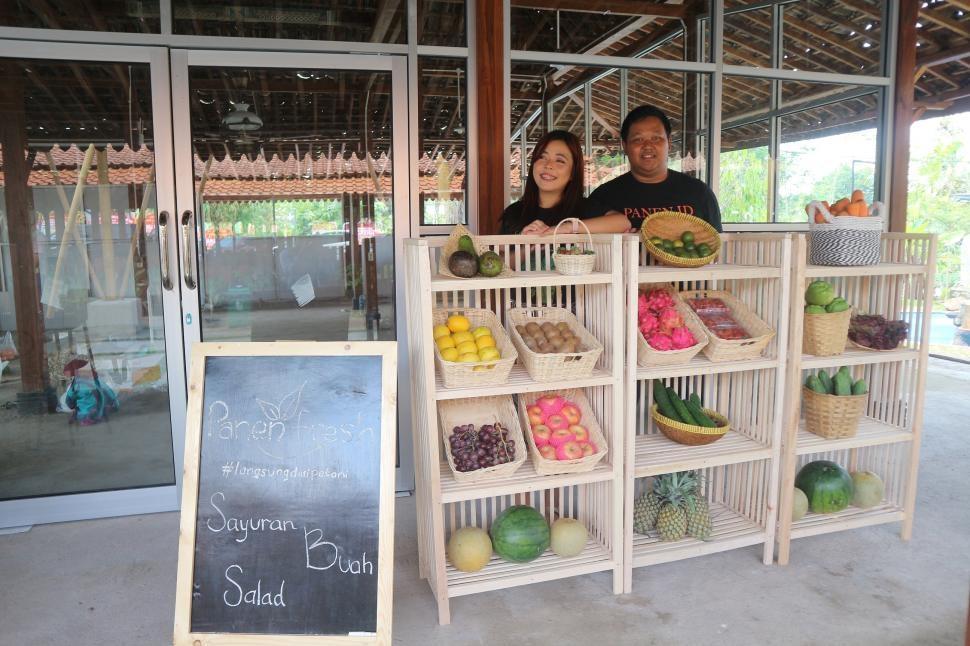
In 2019, Panen Fresh added a retail outlet in Yogyakarta. Johannes explained its usefulness with a harvest that exceeded a hotel order: the shop provided another outlet for the remainder. Later customer accounts described online grocery ordering as well.
A 2020 shopper’s review supplies a smaller, revealing detail. The produce arrived, but the website mixed languages and required manual checking of order status. Physical fulfilment and digital convenience were developing at different speeds. These were one customer’s observations about the service then, not a verdict on today’s product.
The local network gets a regional owner
Glife Technologies acquired a controlling stake in April 2022. Its expansion strategy valued local networks and knowledge. Panen.ID would keep its brand initially, and Johannes would continue as CEO. The deal paired an established local operation with a regional food-technology business.
The announcement proposed introducing GlifeWare, Glife’s enterprise resource planning system. A 30-50% operational efficiency improvement was an expectation measured against capacity and fulfilment, not an achieved saving. Software was meant to make the existing operation work better.
300farmer suppliers
3,000tonnes of produce delivered
The useful lesson survives changes of ownership: learn the buyer’s requirements, help suppliers meet them, and finance the space between delivery and payment. The model depends on dependable buyers, acceptable produce and workable delivery economics. When hospitality demand falls, farmers still need other outlets. Panen.ID’s shortcut works only when somebody attends to every turn in the road.