In 1854, Elisha Otis stood on a raised platform in New York and had its supporting rope cut. The platform dropped a few inches. A brake caught it. Here was an unusually persuasive sales presentation: the thing everyone feared had happened, and the man selling the machine was still standing.
Otis had begun selling safety elevators the previous year. He understood the obstacle between a useful invention and a customer willing to trust it. Lifting heavy things was an established practice. Persuading someone to stand underneath a possible catastrophe required a different kind of evidence.
- Otis builds elevators and escalators, then maintains and modernizes them.
- Service generated about 65% of its $14.4 billion in 2025 sales.
- Connected equipment helps diagnose trouble; trained people still do the physical work.
More than 170 years later, the company’s most interesting work happens after the demonstration, after the installation, after the architect has left. An elevator has to earn its passengers’ trust again tomorrow morning.
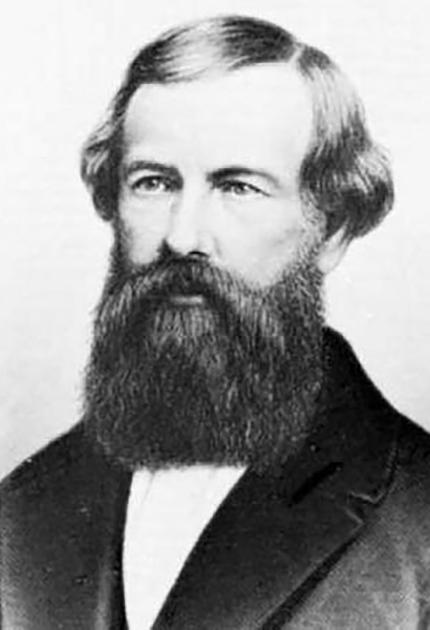
“All safe, gentlemen, all safe.”Elisha Otis, at the 1854 demonstration, as recounted by Otis.
The business after the sale
The name suggests a manufacturer. The accounts suggest something more complicated. In 2025, Otis Worldwide, the parent of Otis Elevator Company, recorded $14.431 billion in sales. Its Service segment contributed $9.442 billion. New Equipment contributed $4.989 billion.
That distinction matters. A developer buys elevators for a building under construction. A property manager inherits the obligation to keep those elevators operating. Otis can sell to both, at different moments, against different budgets. Maintenance contracts create recurring work; repairs and modernization add further revenue as equipment wears and requirements change.
of sales came from Service
The maintenance portfolio reached approximately 2.5 million units at the end of 2025. Those units need not carry an Otis badge. The company also services other manufacturers’ equipment. Its addressable opportunity extends beyond whatever its factories shipped.
Competitors include KONE, Schindler and TK Elevator, alongside local maintenance firms. Otis’s case rests on its installed relationships, engineering resources and field network. A building owner still has to judge the people available locally. A global name cannot attend a breakdown by itself.
The machine learns to call for help
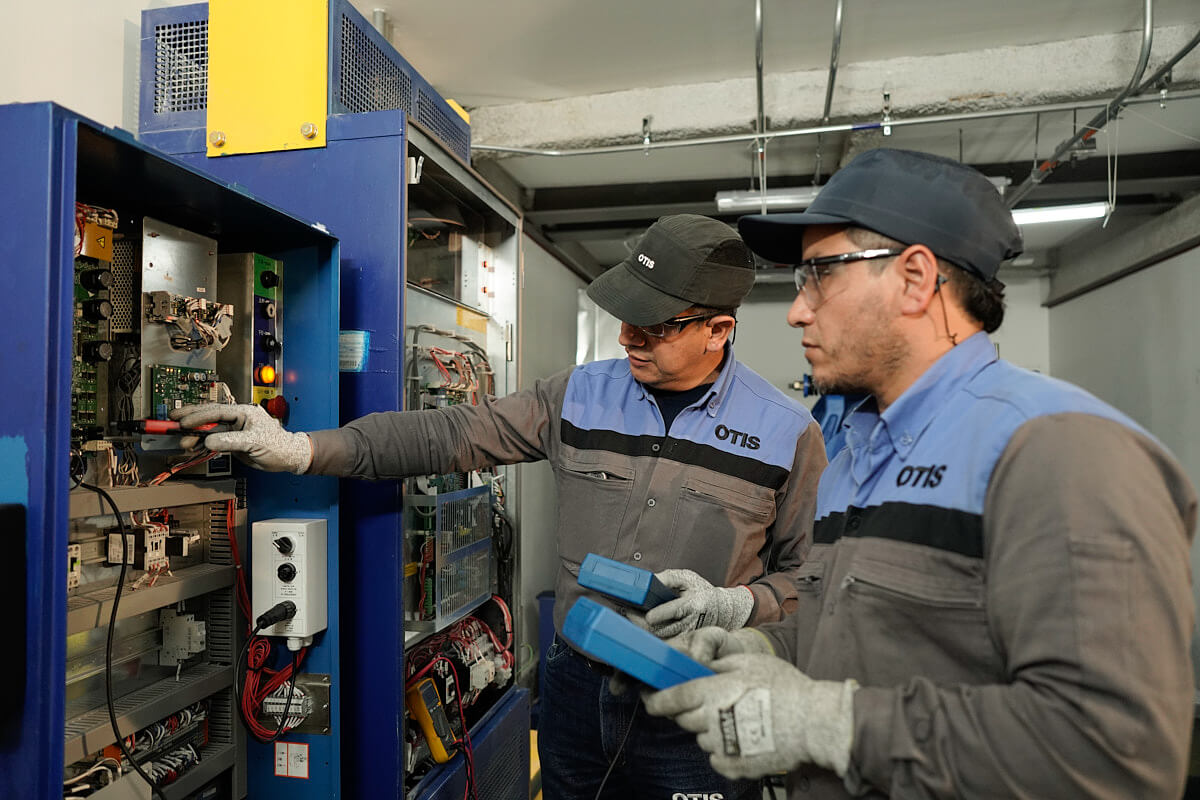
The contemporary equivalent of the safety demonstration is less photogenic. Otis ONE connects equipment to the cloud, giving mechanics and customers information about its condition. In the United States, package features range from equipment-status visibility to notifications, automatic mechanic dispatch and video or text emergency communication.
The point is to shorten the distance between a machine developing a problem and someone understanding it. Remote information can help organize a visit and support diagnosis. Actual repairs still depend on access, parts and skilled field professionals.
Gen3 and Gen360, introduced in 2021, build connectivity into the elevator platform. Their coated steel belts descend from the Gen2 design introduced in 2000. ReGen drives recover energy otherwise lost as heat and return it to the building. The useful question for an owner is how these features perform in that particular installation.
A skyscraper is a traffic problem
Consider JPMorganChase’s headquarters at 270 Park Avenue in New York. Otis installed 89 units, including 72 SkyRise elevators and 12 escalators. Getting that equipment into the building is only part of the assignment. People must also arrive at their floors without turning the lobby into a waiting room.
Destination dispatch groups passengers according to where they want to go. Otis’s Compass Infinity system adds AI-based adaptation to building traffic. The engineering problem includes the collective behavior of a whole bank of cars, beyond the speed of any individual elevator.
Architects and engineers can use Otis’s planning tools to work through equipment choices and building dimensions before installation. Owners can ask about upgrading an existing system rather than starting from scratch. The distinction becomes useful in an occupied building, where construction access and a temporary loss of elevator service affect the people already inside.
The same underlying work appears in less glamorous places: hospitals, apartments, hotels, shopping centers and stations. Their operators buy capacity, accessibility and dependable movement. Passengers encounter the result as a few uneventful seconds between floors.
Keeping the promise costs money
Otis reported $152 million in research and development expense for 2025, plus $45 million invested in digital and strategic initiatives. These figures describe corporate investment. A customer’s installation or modernization bill depends on the building, equipment and scope of work.
There is pressure behind the service strategy. New Equipment sales fell 7% in 2025, with weakness in China weighing on demand. The installed fleet continued to need attention. Older elevators also created opportunities for modernization, from replacing controls to more extensive mechanical upgrades.
Service growth does not erase costs. In the second quarter of 2026, organic Service sales rose 9%, while that segment’s operating margin fell from 24.9% to 23.2%. Otis cited higher labor costs, investment in strategic initiatives, material headwinds and mix among the pressures. Keeping equipment running remains a physical, labor-intensive business.
Give the customer a reason to stop worrying
The practical lesson begins with Elisha’s audience. Find the failure a customer fears, then make the response understandable. Today, building owners can apply that discipline to contract coverage, fault reporting, response arrangements and the parts an upgrade leaves in place.
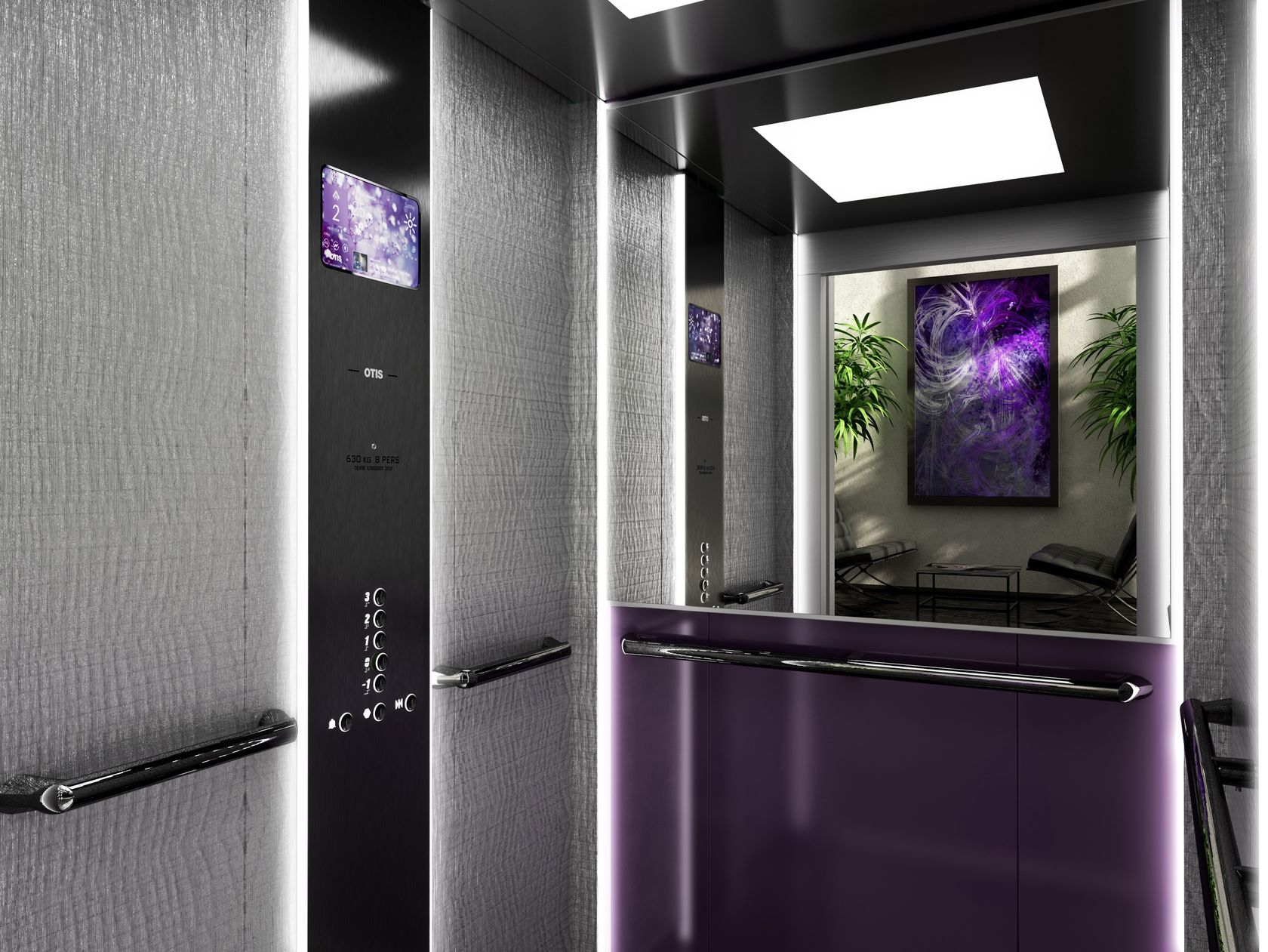
Connectivity needs suitable equipment and communications. Phased modernization needs components worth retaining. Local codes, building access and available expertise shape the choice. A handsome cabin settles remarkably few of these questions.
For any business selling durable equipment, there is something to copy here: treat the installed product as an ongoing responsibility. That requires budgeting for the people and information needed to support it. The repeat sale has to deliver a repeat benefit to the buyer.
Otis calls Safety, Ethics and Quality its Absolutes. Its credibility rests on making those words visible in ordinary work. In September 2026, it announced Judy Marks’s planned retirement upon a successor’s appointment, expected in the first half of 2027. The next leader inherits the same old assignment: give people a good reason to step inside.