In June 2025, Mannheim had a problem that would be familiar to anyone who has renovated a kitchen: the estimate had stopped behaving. The city wanted an innovation centre for green technologies. A new building had already been abandoned. A proposed renovation of the Musikpark then became too expensive. The answer was waiting inside MAFINEX, an existing technology centre. Innovation, it turned out, could begin by changing the address.
- The offer: specialised workspace, coaching and introductions to customers and investors.
- The audience: technology teams, medtech founders, creative businesses and women entrepreneurs.
- The useful lesson: organise around the next practical obstacle, including your own.
This is a useful entrance to NEXT MANNHEIM. The name sounds like a promise about tomorrow. Much of the work concerns things founders need on Monday: somewhere to sit, someone who understands their sector, and a conversation that does not end with “interesting idea”. The organisation’s appeal becomes clearer when you look at the arrangements behind the name.
A city with several front doors
NEXT is the umbrella brand of mg: mannheimer gründungszentren gmbh, wholly owned by the City of Mannheim. Its current website reports seven specialised centres supporting more than 220 startups. This is a municipal business operating physical infrastructure and programmes. Its customers and users include people considering self-employment, small creative firms and technology companies with ambitions beyond the region.
The centres have different jobs. MAFINEX serves technology and IT businesses. CUBEX connects medical technology with the surrounding health economy. C-HUB brings creative work and digital businesses together; MUSIKPARK supports the music industry; TEXTILEREI focuses on fashion and textiles. GIG7 works with female entrepreneurs. A software founder and a dress designer can belong to the same network without being asked to pretend their problems are identical.
That specialisation matters. A conventional coworking provider can supply an attractive desk. A university incubator can supply academic expertise. NEXT’s proposition combines places to work with sector knowledge, public support and regional connections. These alternatives overlap; a neighbouring innovation organisation can be a partner as readily as a rival. The real question for a founder is which arrangement removes the most immediate friction.
The budget edits the blueprint
The GreenTech plan offers a particularly candid example. The Musikpark renovation estimate rose from €14.1 million in 2022 by another €7 million by 2024. The potential European funding ceiling stayed at €7.5 million. Mannheim could not accommodate the resulting municipal contribution.
The June 2025 solution repurposed roughly 470 square metres at MAFINEX, with just over €1 million planned for equipment and fit-out. These figures cover different scopes: a major renovation versus adapting existing space. They are not a neat before-and-after savings calculation.
The first thing to give way was the capital plan. The goal survived. That distinction is useful for other cities: an existing building can host an ambitious programme if its location, facilities and partners fit. Cheap space alone will not supply those relationships.
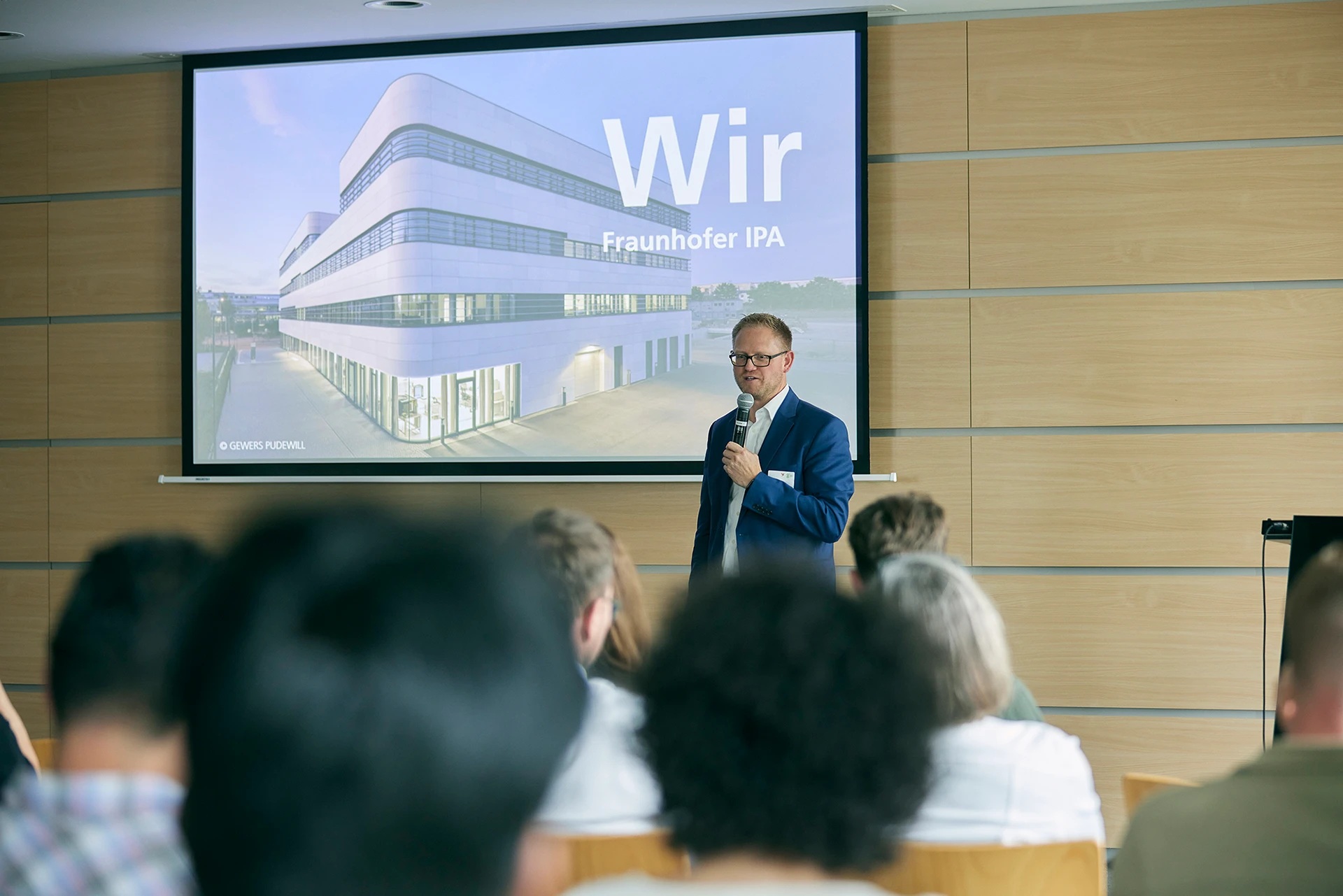
In June 2026, NEXT co-hosted CONNECT with smart green and the Green Industry Cluster. Workshops and one-to-one matchmaking put industrial challenges into the room. Its LAB4 platform now describes prototyping capabilities spanning digital fabrication, electronics, sensors and mechanical assembly. The practical attraction is a place where a research idea can acquire a physical form and an industrial partner can ask whether it works.
Free admission has a funding model
NEXT combines workspace and venue rental with publicly supported entrepreneurship programmes. Some office conditions are subsidised. Founders can seek guidance about funding rather than trying to decipher every scheme alone. The company sits between property management and economic development, with expertise distributed across centres and partner organisations.
Up2B makes the programme side concrete. Run jointly with innoWerft Walldorf and Technologiepark Heidelberg, it focuses on IndustryTech and business-to-business startups. The published 2026 Exploration programme includes business-model work, financial planning, pitch preparation and expert sessions. State support pays for participation, including food and beverages onsite. Founders still pay for transport and accommodation. “Free” has a perimeter.
Market Discovery applies that approach to international B2B startups considering Germany. Its 2026 offer includes online preparation, an onsite masterclass, legal guidance and corporate introductions. A founder can test an expansion hypothesis before treating Germany as a foregone conclusion. The conditions matter: the programme targets particular sectors and business models, and participation requires an application.
Twenty-five minutes to get past the slides
CUBEX’s June 2026 Investor Roadshow brought 15 startup teams together with investors. Investors selected teams beforehand; conversations lasted 25 minutes. That changes the encounter. Both sides have time to examine a technology, a business model and the possibility of a second meeting.
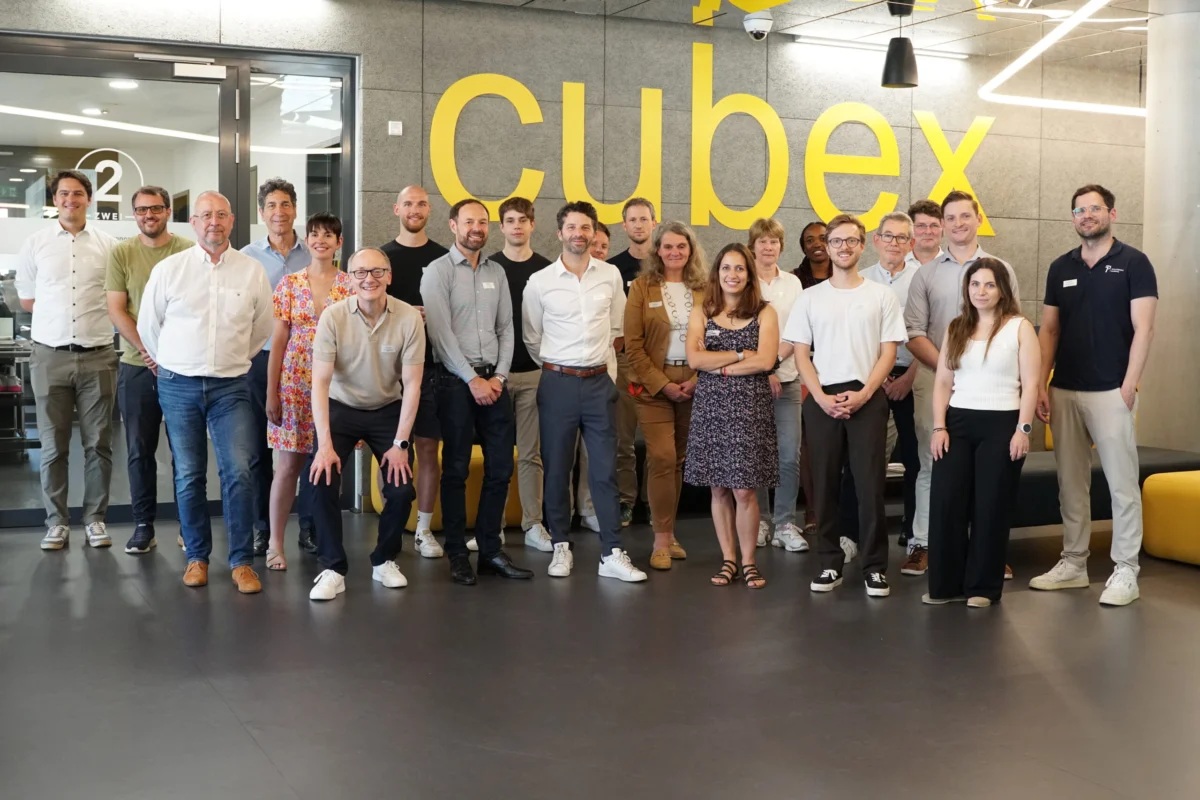
Organiser Bodo Brückner’s account also identifies a limit: later-stage capital can be harder to secure than early funding, particularly when life-science companies need large rounds. A well-connected local centre cannot manufacture an investor’s mandate. Founders still need protected intellectual property, organised documents and a business that matches the investor’s criteria. An introduction creates an opportunity to do that work.
The agenda belongs to the room
GIG7 extends the idea of useful access beyond investor meetings. Its Female Founders Map helps people discover women-led businesses. The planned NO CON on 10 November 2026 lets participants propose sessions on arrival, with no polished presentation required. Someone with a difficult question gets a way into the conversation.
“NO CON is all about the community.”Niki Vonderwell · NO CON organiser
The copyable part is modest and demanding: group people around problems they share, give them a place to work, and make the next introduction specific. NEXT MANNHEIM offers several ways to begin. A founder can enquire about a suitable centre, explore an accelerator or attend a sector event. The right first request is pleasantly unglamorous: here is what I am building; who should I talk to?