A player runs out of energy in the middle of a game. The offer appears at precisely the wrong time for patience and precisely the right time for a purchase. Traditionally, tapping it meant handing the transaction to Apple or Google. East Side Games tried putting another button beside the familiar in-app purchase option. That small piece of interface design captures the business Neon has spent four years building.
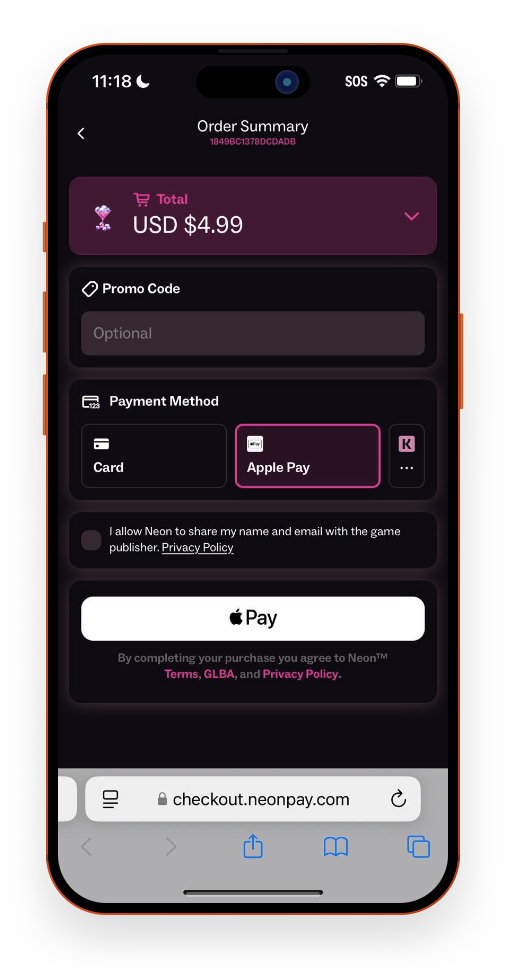
Neon provides the direct checkout behind the button, plus the webshops and payment infrastructure a publisher needs once a purchase leaves the app store. A player sees a branded, localized payment page. The studio sees transaction data and more control over the sale. Neon becomes the merchant of record, dealing with payment processing, tax, fraud, disputes and related support. The player still gets the item in the game through a fulfillment connection.
- Neon sells direct commerce tools to game publishers, not games to players.
- Its range runs from a complete webshop to checkout launched from an in-game offer.
- East Side Games rolled Direct Checkout into eight titles across six independent studios in five months.
- Neon reports up to 45% of U.S. iOS revenue through the direct route in that rollout; the result comes from its own case study.
The button is the easy part
Chris Faught founded Neon in 2022 after working in payments and commerce at Apple and Affirm. His thesis is easy to grasp: publishers should have a direct line to the people who play their games. But a line to the player also creates obligations. Someone must show a price in the right currency, offer the payment method people use locally, calculate tax, screen a suspicious order, resolve a chargeback and answer a player whose purchase never arrived. Neon has chosen to do that work for the studio.
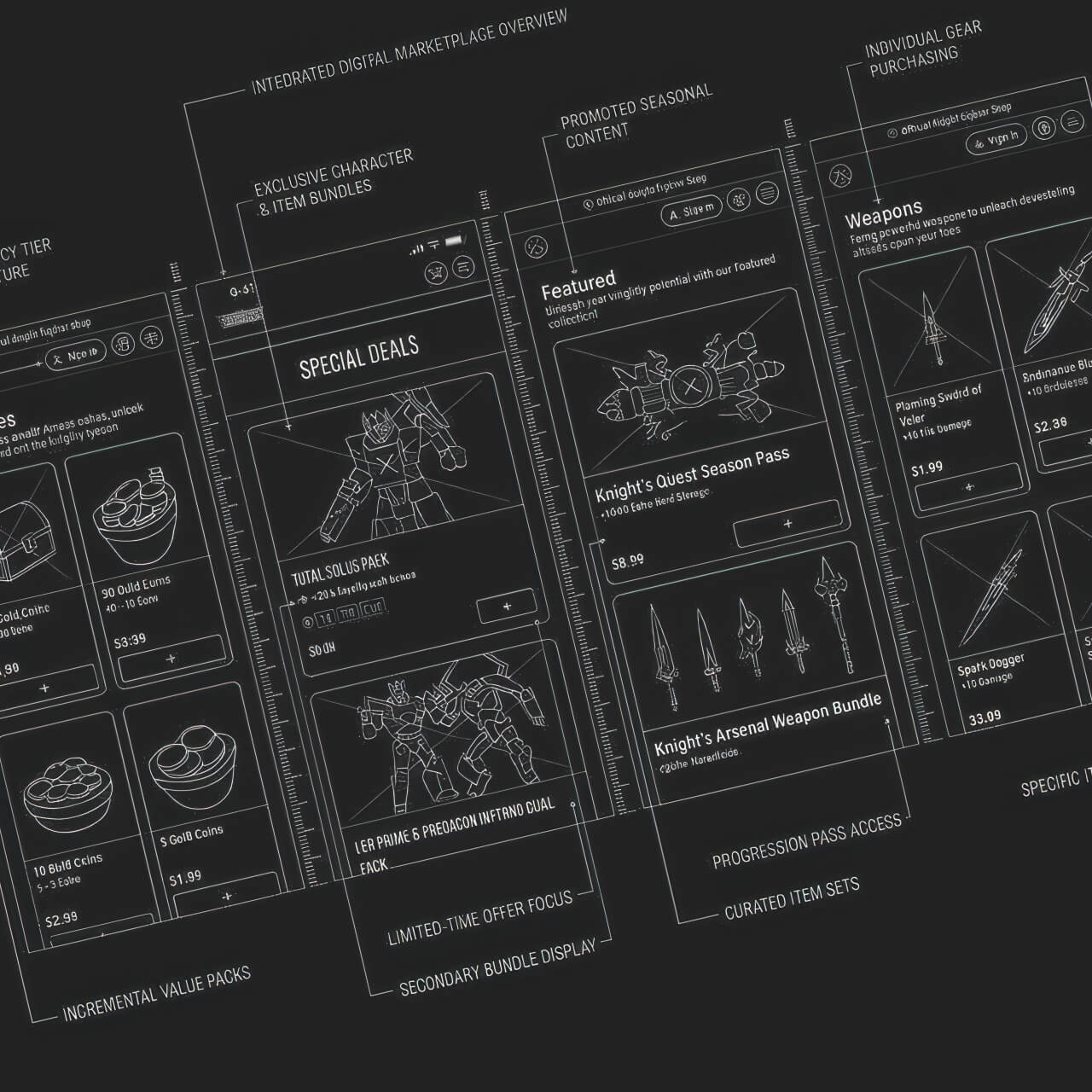
That combination sets it apart from a bare payment gateway. Neon Shop supplies a branded store, configurable offers, segmented promotions, localization and loyalty tools. Neon Checkout can be hosted, embedded in an existing site or opened from a game. Neon Console gives teams a place to manage inventory, themes, promotions and reporting. The developer documents also describe APIs for a studio that wants tighter control of its own frontend. This is a business-to-business service for publishers with digital goods to sell, from an individual title to a portfolio.
Neon calls its pricing predictable and all-in. In a June 2025 guide for U.S. iOS Direct Checkout, it cited a 5% fee against a 30% in-app purchase commission. That was a published example for a particular route and period, not a public price list for every deal or market. The commercial idea is still plain: the studio trades an app-store transaction for Neon's fee and the work of bringing a player to a different checkout.
Six studios, no shared engine
East Side Games was a useful stress test because its casual titles lived across six independently run studios. Each had its own backend, release schedule and authentication system. A direct-commerce project that required a platform migration would have become a six-part argument before the first sale. Instead, Neon and East Side Games placed Direct Checkout alongside in-app purchasing inside the offers players were already considering. The checkout connected to each studio’s own systems while presenting a consistent payment experience.
“Neon built around our complexity rather than asking us to change how we work.”Jim Wagner, chief product officer, East Side Games
The rollout covered eight games in five months. Neon says direct checkout accounted for up to 45% of U.S. iOS revenue across the portfolio, with multiple games above 30%. In Milk Farm Tycoon, it reported a 124% lift in seventh-day payer conversion after the change. East Side Games’ business chief, Elin Jonsson, said returning use surprised the team and gave it confidence to push direct commerce further. Those are company-published customer results, not a controlled promise for the next studio. Their practical lesson is narrower and more useful: a second checkout can earn meaningful use when it appears at the moment a player already intends to buy.
The first friction was never merely processing a card. It was getting a player to try a route outside an established habit. Neon’s other case studies show two ways studios attacked that problem. PerBlue offered a free daily web reward for Legendary: Game of Heroes, with pre-authenticated links and the webshop a tap away. Neon reports average daily shop traffic rose 7.5 times and sales 2.5 times. Yodo1 refreshed Transformers: Earth Wars webshop offers ahead of Friday game events, promoted the store in-game where permitted, and used a first-purchase gift. Neon says webshop share rose from 25% to 57% in eight months.
Commerce has to follow the game
These examples explain why a webshop is not a static shelf for leftover bundles. PerBlue gave people a reason to visit. Yodo1 aligned the store with its live event calendar. East Side Games caught the impulse to buy without first requiring a shopping trip. Each case changed a different part of the player journey. A studio copying the tactic should start with the same question: where does purchase intent occur, and how many steps stand between that moment and a completed order?
The route is simple to draw. Operating it across markets is Neon's job.
There are limits to copying any of these results. A tiny game with little repeat purchasing may struggle to train players to visit a separate shop. An offer buried away from the purchase moment can lose people in the trip to checkout. Local platform rules shape which in-game links and prompts are allowed. A free claim that sends traffic to a store needs a reward worth returning for, and a backend that can reliably recognize the player. None of that disappears because the payment form is elegant.
Neon’s 2026 $13 million Series A brought KRAFTON in as an investor and partner, alongside returning investors A16Z GAMES and Renegade Partners. Added to its announced $14 million 2024 round, that is $27 million in disclosed funding. KRAFTON’s role matters because Neon’s pitch is aimed at serious publishers: they want the independence of their own commerce channel but do not necessarily want to build a global merchant operation. The company competes both with app-store checkout and with the temptation to assemble the same stack in-house; specialist gaming-commerce providers such as Appcharge, Xsolla and Sanlo also court this work.
There is a curious modesty to the best version of Neon’s idea. It does not require players to admire a payments company. It asks the purchase to feel ordinary, the reward to be worth the visit, and the studio to keep the relationship it earned by making the game. The second cash register works only when a player has a reason to walk up to it.