Look at the credits for Infinifactory, the factory-building puzzle game, and a small organizational detail appears. Alongside the designers and programmers sits NarraSoft, credited for 3D modeling, with a separate roster of its artists. Players encounter the finished world. The credits reveal the people another company brought in to help make it.
That is a useful introduction to NarraSoft. Founded in 2009 by Phil Bartos, it supplies the people and production capacity behind other businesses’ work. Its operations in the Philippines cover software, digital art, and business support. A character model, a mobile application, and an accounting task can all begin with the same commercial question: who has the time and skill to do this?
- Software engineering, game art, and business support from Philippine delivery teams.
- Two ways to engage: a continuing team or a defined project.
- The buyer’s key job: make the brief and approval process clear.
Hello Kitty has a back office
NarraSoft’s service list makes for an unusual reading experience. There is Unity development. There is finance and accounting. There are sculpted collectibles, virtual assistants, animation, and technical support. It resembles the contents of several companies’ procurement folders tipped onto one desk.
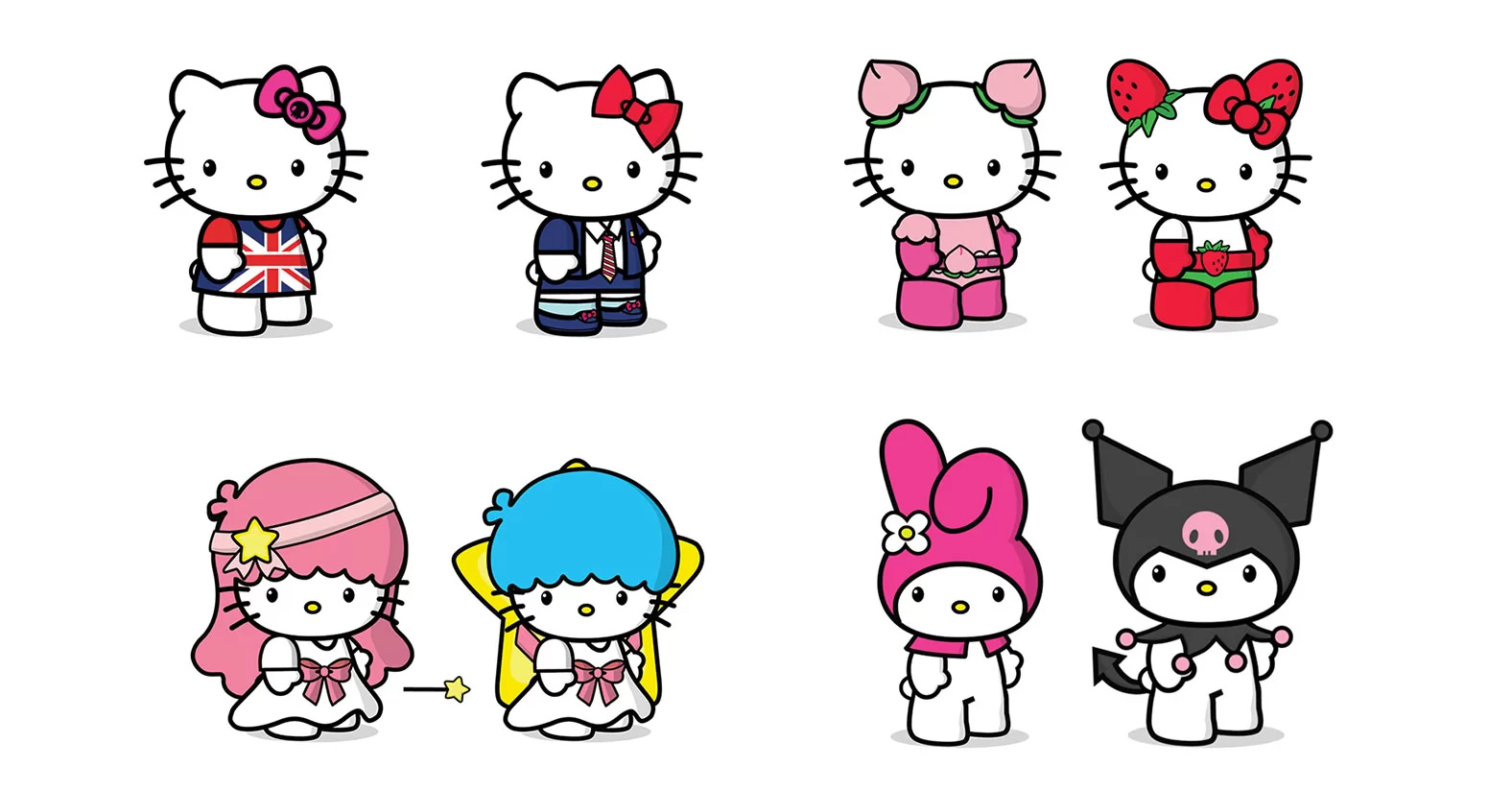
The art work gives this breadth something tangible. Its portfolio includes Hello Kitty designs, Batman Damned, game interfaces, and product visualizations. For toys and collectibles, NarraSoft describes a process that starts with reference material, moves through digital modeling and sculpting, and sends designs to 3D printing companies. It supplies the design work within a larger production chain.
Software clients get a different tool kit: web and mobile development, testing, and engineering across technologies including Python, .NET, PHP, and Unity. Business support customers can buy help with databases, administration, chat, and accounts. These are services sold to organizations with work to deliver, rather than a consumer app or a subscription software product.
The company names Walmart and the American Cancer Society among its relationships. Its public materials address startups as well as larger enterprises, across sectors including healthcare, education, gaming, and advertising. That range matters most when a buyer needs several skills. A studio buying only character art may care much more about the individual artists than the length of the menu.
Buy a result. Or build a team.
The consequential choice comes before anyone opens a design file. NarraSoft offers dedicated staffing and project work. One buys continuing capacity; the other commissions a bounded piece of work. Confusing the two is an excellent way to make an apparently economical contract expensive.
With dedicated staffing, customers interview prospective members and direct the team’s work. Project engagements put execution under a project manager against an agreed scope. The distinction is about who carries the daily burden of deciding what happens next. A changing product needs decisions repeatedly. A defined deliverable needs a clear finish line.
This places NarraSoft between hiring internally, assembling freelancers, and commissioning separate specialist agencies. Its pitch is the convenience of an established delivery organization with several disciplines available. The buyer still needs to judge technical fit, creative judgment, and management capacity. Those judgments cannot be outsourced by signing an outsourcing contract. For a buyer, the broad service menu is an invitation to ask narrower questions: who will do this assignment, what have they made before, and how will their output be reviewed?
Keep building
Ongoing workload
Dedicated teamShip a defined thing
Agreed deliverable
Project engagementThe estimate breaks before the artwork
One of NarraSoft’s own essays on troubled game-art projects begins with a surprisingly ordinary culprit: the estimate. A design changes. An artist leaves. Someone discovers a deliverable that was never counted. The budget becomes alarming after the production assumptions have already slipped. This is the company’s diagnosis of a recurring client problem, rather than a documented account of its own failed project.
The response it sells is access to an existing pool of people, equipment, and production tools. Its software page offers consultations and quotations; its engagement process begins with discovery and a proposal or project quote. The useful buying exercise is to price a specific workload: which roles, how long, how many revisions, and who approves delivery.
Consider a hypothetical studio ordering ten game assets. The decision should include review time, integration, and rework alongside production. If nobody can define acceptable assets, extra artists can produce extra ambiguity. This is an inference from the delivery model: outsourcing works better when the client can specify quality and answer questions promptly.
The same logic applies to around-the-clock operations, which NarraSoft advertises from the Philippines. Continuous coverage is valuable for support work. For creative work, a dependable feedback window may matter more than the clock. A finished draft waiting for approval is still waiting, wherever the artist happens to be.
“We’re glad you’re here!”NarraSoft’s company tagline
A scholarship becomes company policy
The more revealing culture story begins with Welnee Butterfield. NarraSoft says she completed university with help from Passerelles numériques, the nonprofit supporting technology education for disadvantaged young people. Her experience helped inspire NarraCares, the company’s community program. NarraSoft dates its scholarship support for the Philippine organization to 2019.
Here, there is a specific account of what changed a company’s behavior: an employee had benefited from an opportunity, and the employer chose to extend that opportunity to others. NarraCares also covers animal welfare and environmental work. The connection to a technology employer is especially clear in the scholarships, which help people enter fields where the company itself hires.
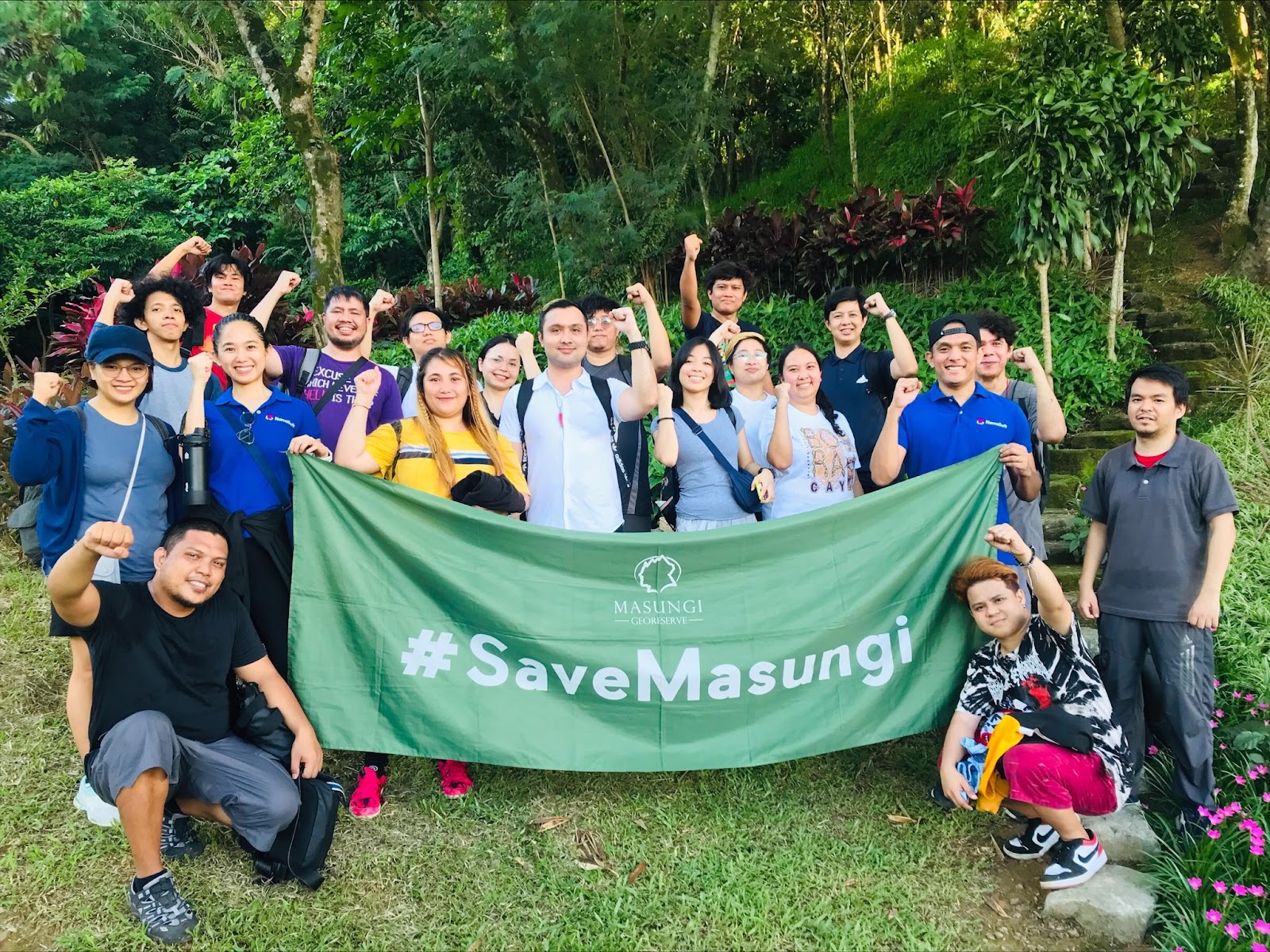
In June 2023, NarraSoft reported sending 20 employees to Masungi Georeserve for a tree-nurturing activity. It is a modest, concrete example of staff doing something together beyond a delivery schedule. A company built on continuity between people has a commercial reason to care about those connections, too.
Copy the brief before the org chart
The practical lesson travels beyond outsourcing. Separate a temporary deliverable from a continuing responsibility before choosing how to staff it. Write down the work, the review process, and the person authorized to say yes. NarraSoft’s two models make that distinction visible; buyers can use it even when they choose a different supplier.
A business with stable recurring work and someone able to lead a remote team has a plausible reason to consider dedicated staffing. A buyer with a tightly specified one-off assignment has a plausible reason to consider a project. An unsettled brief and an unavailable decision-maker will strain either arrangement.
Back in the game credits, the arrangement looks wonderfully simple: a company name, then a list of people. Everything difficult sits behind that small acknowledgment. NarraSoft’s proposition is to organize those people so another business can finish its work. The buyer’s part is to know what finished should look like.