Nancy Twine had already done the part that is supposed to make the rest unnecessary. She had founded a hair-care company, brought it into Sephora, and sold it to Wella. By September 2026, she was introducing another one. Soulstice arrived with an edited collection, lower prices than the prestige territory she knew so well, and a founder who seemed rather pleased to have more problems to solve.
The conventional reward for selling a business is freedom from the business. Twine appears to prefer freedom to build another. There is something appealingly inconvenient about this. A successful exit makes a tidy ending for a biography. A second company requires more inventory.
Her return also makes the first company more interesting. Briogeo can look, in retrospect, like an inevitable match between a beauty tradition and a market opportunity. Living through it involved a Wall Street job, evenings of research, personal savings, product samples and an apartment floor that doubled as a packing station. The second time, she brings the knowledge that those details matter at least as much as the announcement.
The family recipe had a business question
Before there was a brand, there was the kitchen. Twine grew up making beauty products with her mother, drawing on a family tradition that reached back to her grandmother in West Virginia. Oils, extracts, butters and waxes were things to work with. Beauty products could be made from ingredients someone had chosen and understood.
That inheritance supplied an interest, but Twine first pursued finance. She graduated from the University of Virginia's McIntire School of Commerce in 2007 and built a career at Goldman Sachs, eventually becoming a vice president. The bank gave her practice in serving clients, cultivating relationships and working with other people toward a demanding goal. Those skills would travel reasonably well from commodities to conditioner.
She kept her job while investigating the beauty business. The small business library in New York supplied industry reports. A chemist helped turn an idea into formulas. It is an origin story with an unusually useful supporting character: a library. Before the attractive packaging came the less photogenic pleasure of finding out whether there was room on the shelf.
The commercial question was specific. Could she create naturally derived hair products that met the expectations of prestige beauty customers across different hair textures? Family experience gave her a reason to care. Research gave her a reason to proceed. She needed both before asking strangers to spend their money.

A trade-show conversation, then a resignation
Briogeo launched in 2013. Its name put together brio, suggesting vibrancy, and geo, pointing toward earth and nature. The proposition was broader than serving one narrowly defined customer. Different textures could belong within the same brand, with products organized around what people wanted their hair to do.
Twine took samples to a Las Vegas trade show in 2013 and met Sephora buyers. A retail relationship followed. In 2014, at 29, she became the then-youngest Black woman to launch a product line at Sephora. That same year, she left Wall Street to work on Briogeo full time. The sequence matters. She had done enough development and market testing to make the decision concrete.
In her account of those early days, the trade show helped confirm that she was addressing an opening in the market. She had begun making and testing products before leaving her job. Her career change came with evidence attached, even if evidence could hardly remove every risk.
The bank title disappeared. The work became wonderfully literal: boxes, samples, orders. There was little distance between the founder and the thing being sold. An apartment can give a business cheap beginnings, although it makes a fairly demanding colleague once the merchandise starts occupying the floor.
“I had a storage unit of product samples, and literally packed those first orders by hand on the floor of my apartment.”
Nancy Twine
Sephora offered an audience that would have been difficult to assemble alone. It also put a young brand beside established competitors. A good family story could start a conversation; the products still had to earn another purchase. Twine's task was to make the promise repeatable, bottle after bottle.
Growth has an unglamorous vocabulary
One word in Twine's story deserves more attention than it generally receives: savings. For roughly six years, Briogeo grew without outside venture-capital or private-equity investment. Twine used her own money to meet the needs of the business until it became profitable. Personal funding made the company possible, and it made each additional requirement personal too.
That experience helps explain why her later teaching concerns such practical matters. Inventory, hiring, financial planning and distribution are the subjects that can turn a promising idea into a difficult Tuesday. A founder can love the product and still need to know when the next production run must be paid for.
Briogeo eventually attracted outside investment. Then, in April 2022, Wella announced its agreement to acquire the company. The buyer brought research and development, international operations and access to professional beauty channels. For a brand that had begun in a studio apartment, these were substantial additions to the available equipment.
The recognition had accumulated along the way. Twine received the CEW Female Founder Award in 2019, a Goldman Sachs Builders + Innovators Award in 2020, and recognition among Entrepreneur's 100 Women of Impact in 2021. By the acquisition announcement, Briogeo had earned an Allure Best of Beauty Award in every year since 2018.
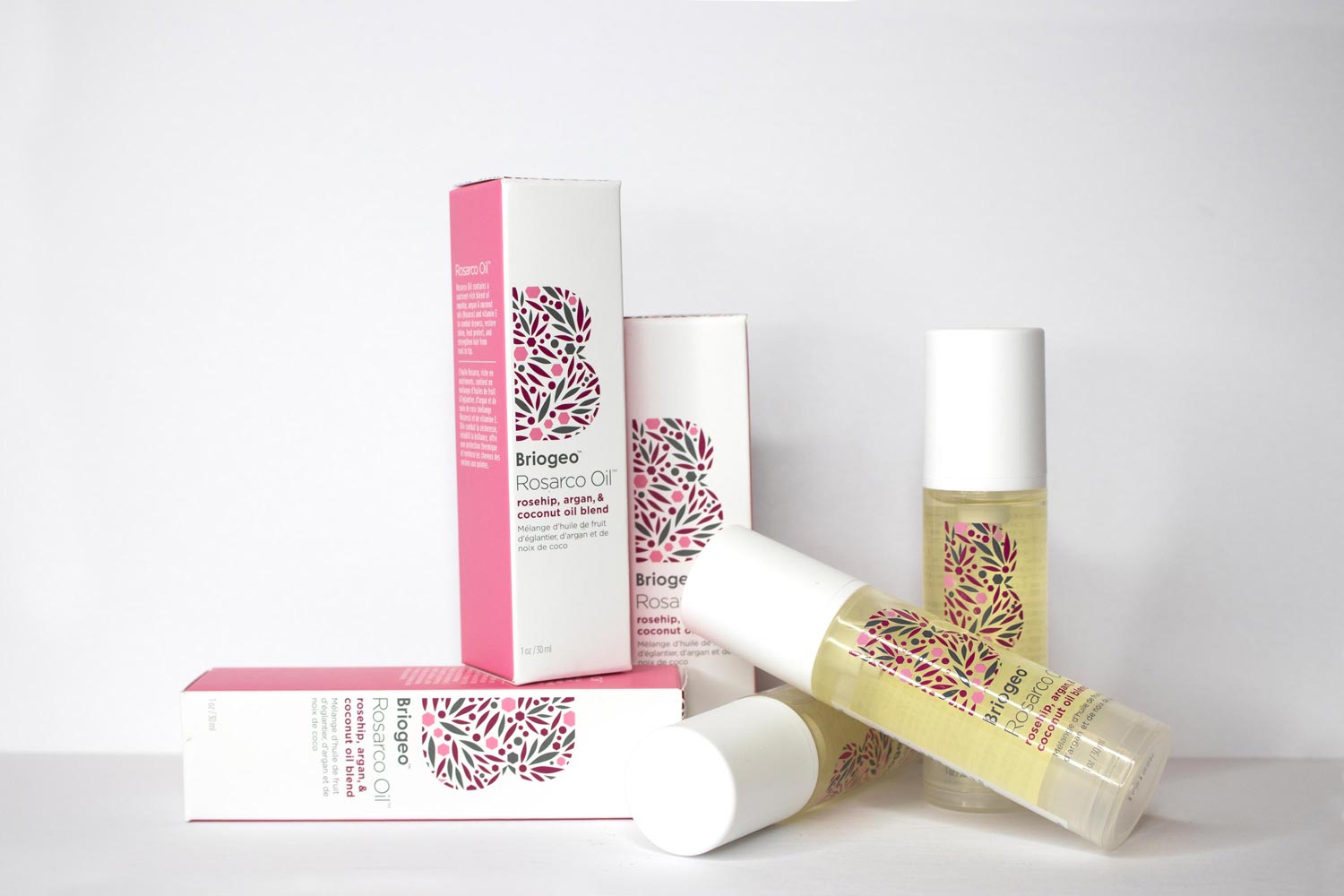
In February 2025, her role changed from CEO to founder, with president Kristen Blandon leading Briogeo. Twine remained involved. The distinction is useful: founding a company and running its daily operations are related jobs, but they do not have to remain the same job forever.
What she wished someone had handed her
Twine's next work addressed a problem she recognized from the other side of the desk. In February 2024, she announced the Dream Makers Founder Grant, a $1 million commitment designed to support female entrepreneurs, particularly Black and BIPOC founders in consumer goods. The announced plan spread funding across four years, from 2024 through 2027.
Money was one part of it. She had also been mentoring founders through Sephora Accelerate, an experience she says strengthened her commitment to helping underrepresented entrepreneurs. The intention was to bring capital and practical guidance closer to people who might otherwise have difficulty reaching either.
Announced in 2024, with a planned $250,000 a year over four years.
Makers Mindset gives that work several forms. There is a podcast, an accelerator course, tools and templates, and group office hours. The course has 13 modules. Office hours limit the group to six founders, a size that leaves room for an actual question rather than simply an encouraging wave from the stage.
Her podcast guests include Hill House Home founder Nell Diamond and Highbrow Hippie's Kadi Lee and Myka Harris. These conversations extend the view beyond her own company. There are different products and different routes to market, with familiar questions underneath: whom to hire, how to fund growth, and what a customer is really asking for.
The 2026 Dream Makers plans include quarterly equity-free grants through Makers Mindset and support for consumer-goods founders through Black Ambition's prize competition. Her approach reflects an experience of entrepreneurship in which access mattered: to a buyer, to a chemist, to information, and eventually to money.
The second company has fewer boxes
Soulstice launched on September 1, 2026. Twine's new price position was deliberate: most launch products cost $20 or less, with the Buttersilk mask at $26. She had spent years in prestige hair care and saw room for a different offer between mass-market and luxury pricing.
Part of the calculation concerned what customers would actually receive. Unnecessary outer boxes and ingredients that added more to a marketing story than to performance were places to reconsider spending. An appealing carton has its uses. Eventually, however, someone is paying for the carton.
She is self-funding Soulstice and began by selling directly to consumers. The initial collection is intentionally limited. Her launch essay describes involvement in formulas, textures, colors, scent and imagery. She has notebooks of further ideas, but wanted customers to begin with a manageable selection.
There is a revealing small detail in her enthusiasm for Buttersilk. She says its name came from the way she wanted hair to feel after use: buttery soft and silky. After the financing, distribution and brand strategy, she still enjoys the ordinary business of imagining a product and getting its details right.
After launch day, another working day
In an August 2026 essay, Twine described her enjoyment of moving between creative work and analytical puzzles. A campaign can occupy one part of the day; arranging how something gets from one place to another can occupy the next. The less glamorous work has retained its appeal.
Experience has also changed how she leads. She now describes asking what her team needs from her, where a decision will help someone move, and which obstacles she can remove. The founder who once packed the orders herself is learning to make room for other people's work.
“I like being in the work,” she writes. It is a compact explanation for returning to a category she could comfortably have continued discussing from a distance. There are new formulas to consider, new customers to meet, and the continuing pleasure of making something exist.
Briogeo gave Twine a company to sell and a store of experience to use. Soulstice gives her another place to use it. The interesting part now will unfold well beyond the launch photographs, among the decisions that fill an ordinary working day. She seems to have chosen the part she likes.
Keep company with Nancy
Her own words, her current work, and a few conversations worth opening.
- Nancy Twine’s website / LinkedIn / Instagram
- Her introduction to Soulstice
- Explore Soulstice / Explore Briogeo
- Makers Mindset: courses, grants and conversations
- Watch Makers Mindset on YouTube / Meet the platform
- Listen to the podcast
- The apartment years: her UVA interview
- A conversation about her second company