In 2021, an agency that helped other companies explain themselves ran into an embarrassingly familiar problem. MPRM Communications wanted a new look. It knew its business. It knew its history. Yet, when it came to choosing the visuals, it recognized the old client reflex: the answer would become obvious once somebody showed it the right design.
Its response was pleasantly unglamorous. Ask employees, anonymously, what sort of company they thought they worked for. Put three people in charge of narrowing the choices. Work with a designer willing to keep talking. MPRM hired Stephen Ludwig’s Group22, retained its existing mark, and refreshed the surrounding identity. Even people who sell clarity sometimes need a better brief.
That little episode is a useful entrance to MPRM. The Los Angeles agency works in a business associated with premieres and famous faces. Much of its actual value lies earlier, in deciding what to say, whom to tell, and which moment gives the message a chance.
A film keeps meeting new people
A movie’s title stays the same as it moves through the world. Its immediate audience does not. A festival journalist, a prospective viewer browsing at home and an awards voter approach it with different questions. A campaign that treats them as interchangeable has misunderstood the assignment.
MPRM’s work spans those encounters. It offers film and television publicity alongside corporate communications, festival campaigns and awards work. That puts it between the people making entertainment, the companies distributing it and the audiences deciding whether to spend time with it.
The distinction matters to a buyer. A production company may need an explanation of its ambitions that outlasts one release. A distributor may need attention concentrated around a particular date. Both involve publicity, but they are different jobs. MPRM’s combination of company-level counsel and title-level campaigns lets clients discuss both in the same room.
The founders knew different screens
Rachel McCallister and Mark Pogachefsky founded MPRM in 1998. Their experience gives the agency’s breadth some substance. McCallister’s television career included a 17-year relationship with Aaron Spelling Productions, running from The Love Boat through series including Dynasty and Melrose Place. She also worked on launches of networks including E!, FX and The CW.
In her 2022 farewell essay, she remembered electric typewriters, fax machines and Saturdays spent catching up. Those details describe a profession with very different tools, but a recognizable task: turn somebody else’s work into something people want to hear about.
“My career in PR was a very happy accident.”Rachel McCallister, reflecting on her career in 2022
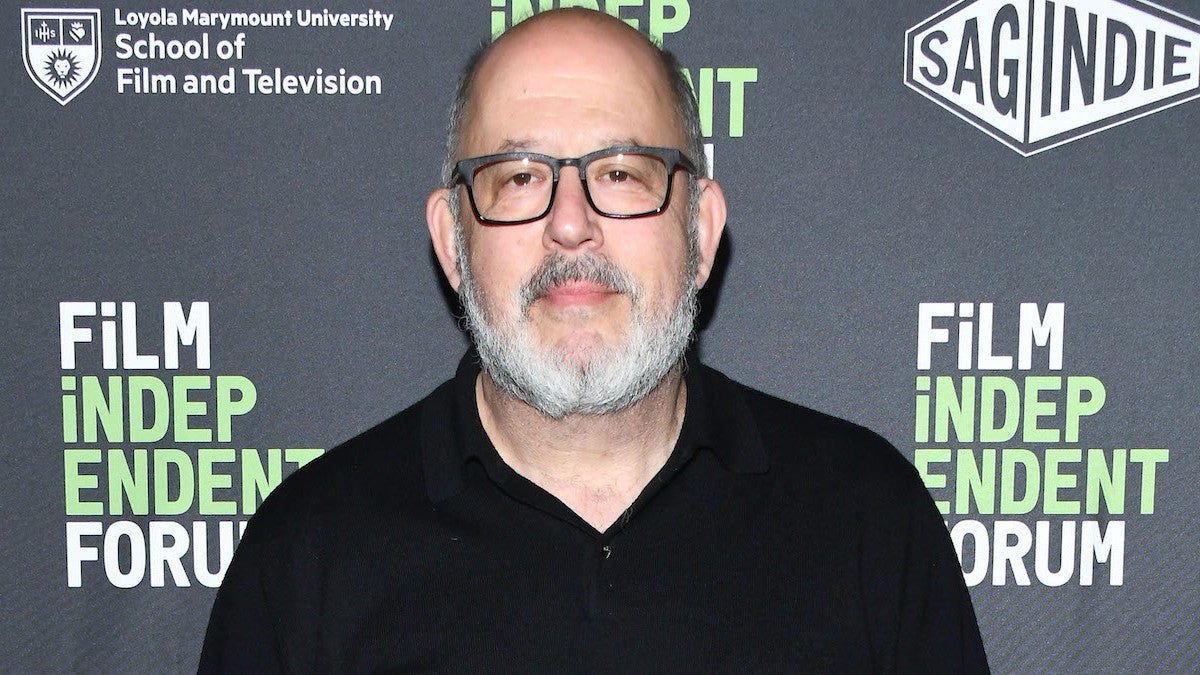
Pogachefsky’s professional biography supplies the film side: campaign credits including Memento, Milk, Moonrise Kingdom and If Beale Street Could Talk. His experience includes festival, release and awards assignments, as well as representation for filmmakers and entertainment businesses. These are campaign credentials, not a claim that publicity alone made those films succeed.
There is a lot of work before the interview
The practical menu includes press outreach, executive preparation, screenings, panels, social content and campaign monitoring. Awards assignments can involve submissions and consideration events. Festival work can mean coordinating the people, materials and conversations that surround a screening. A glamorous photograph is one possible output of a much longer checklist.
A former MPRM intern’s portfolio makes that checklist tangible. Kate Berumen describes creating publicity materials for NBC’s The Voice and American Ninja Warrior, working as a talent runner at festivals and the USC Scripter Awards, and coordinating press check-in for a Cold Wallet junket. It is the kind of work an audience rarely sees and an interviewer notices immediately when it goes wrong.
Other records show the range of organizations buying that labor. The Latino Film Institute named MPRM as the media contact for LALIFF’s 2023 lineup. A 2014 DreamWorksTV launch announcement listed an MPRM contact, placing the agency alongside entertainment moving onto YouTube. The common thread is a need for an introduction: a festival, a program or a new place to watch.
In 2019, MPRM added Sylvia Desrochers and two colleagues from Big Time PR. Clients moving with them included John Ridley, his NO Studios arts space and the USC Libraries Scripter Awards. It was expansion through people and their working relationships, with film expertise supporting other assignments across the agency.
The honest bit of the sales pitch
MPRM has been unusually plain about what makes an assignment workable. In a 2021 essay, it said clients needed suitable budgets, reasonable expectations and a reason to use its entertainment expertise. It described occasionally reducing fees when an association or a longer relationship made the work worthwhile.
Then came the admission that makes the essay worth reading. A longstanding client sometimes delivers a disappointing project. The agency still tries to locate something worth promoting, partly because it wants to work on the next one.
“We find the one thing that’s good about it”MPRM, on the occasional disappointing assignment, 2021
This is a fee-based service business with repeat relationships at stake. For a prospective client, the useful purchasing question is which work the fee covers. Define the release window, executive involvement, events and reporting before comparing proposals. Those questions are an editorial buying checklist, rather than a claim about MPRM’s contract terms.
Its market position is specialist entertainment counsel with international connections. MPRM describes its PROI membership as a way to extend its reach through independent agencies. That is a different operating arrangement from having every market inside one company. Buyers with overseas work should establish who will actually handle each territory.
When the relationships moved
In September 2025, the relationship business became the news. Senior MPRM publicists, including Desrochers and Caitlin McGee, moved to 42West. Deadline’s initial reporting described departures against the backdrop of Pogachefsky’s possible retirement. MPRM subsequently sued its competitor and former employees.
According to reporting on MPRM’s complaint, earlier succession discussions had stalled over price. Pogachefsky considered the proposed purchase price too low, delayed retirement and explored other buyers. That account belongs to MPRM’s side of the dispute; it is not an independently established valuation.
The complaint alleged improper coordination, misuse of confidential information and the loss of clients including NBC and PBS Distribution. These are allegations, not court findings. They also make it essential to read older client lists as historical records, rather than assume every relationship continues.
42West is a direct competitor with its own film and festival practice. The episode poses a question that extends beyond publicity: when a company sells the judgment and relationships of particular people, how much continuity can its name promise? A client choosing an agency should meet the proposed team and discuss responsibility for the work.
Give the audience a reason to arrive
One of MPRM’s more useful observations concerns the passage from gossip columns to social posts. The agency argued that fan advocacy could help drive both discovery and media coverage. People who care about a work can become part of how other people encounter it. The publicist’s job consequently extends beyond persuading an editor.
There is something here a reader can copy without hiring anybody. Write down the audience, the occasion and the reason to care as three separate decisions. A company announcement and a viewer invitation should not automatically receive the same language. Neither should a festival introduction and an awards argument.
This approach needs an actual fit between the work and the people being approached. It cannot turn an unsuitable assignment into entertainment expertise, or promise that attention will become sales. MPRM’s own willingness to discuss limits is useful. A clear invitation gives a project a chance to be considered. The audience still gets to decide.
Follow the next conversation
Explore MPRM’s website, its agency essays and contact page. Follow its public profiles on LinkedIn, X and Facebook.
Further reading: MPRM’s account of its rebrand and TheWrap’s report on the 2025 dispute.