The building next door to a children’s museum has a special kind of value. To most buyers, it is floor space, a price and a possible return. To the museum, it can be the future. In 2017, Michael D. Olander Jr.’s MDO Holdings sold Marbles Kids Museum an adjoining Raleigh property for $3.1 million, below offers from other interested parties. A familiar business calculation acquired a rather specific neighbor.
Olander said the property mattered to Marbles’ growth and that MDO believed in its work. The sale makes a useful opening to his story because so much of his career concerns deciding what a business, a building or a relationship might become. A club operator becomes an investor. A college town becomes an acquisition market. An informal restaurant nickname ends up above the door.
He is the owner and CEO of MDO Holdings, based in Raleigh, where he grew up. The company’s interests have taken him through clubs, restaurants, startup backing and commercial property. Follow the transactions alone and the career can look scattered. Follow the people and places through them, and the route becomes easier to understand.
Eight thousand square feet, below ground
The first Raleigh O2 Fitness was about 8,000 square feet in a shopping-center basement. It blended personal training with club memberships. For a business that would eventually acquire buildings full of equipment across two states, this was a modest physical beginning: underground, relatively small, and built around a more intimate experience than the conventional large club.
Olander’s connection to Raleigh was personal before it was commercial. He was born and raised there, later attending the College of Charleston in South Carolina. He earned his business administration degree there in 2004. North Carolina was home; Charleston was already part of his life before it became part of his company’s map.
Even early on, he treated the surroundings as part of what customers were buying. In 2009, he argued that a room containing equipment would no longer be enough in a competitive market. People had expectations about the place itself. Design was an operating concern, with consequences for whether someone wanted to come back.
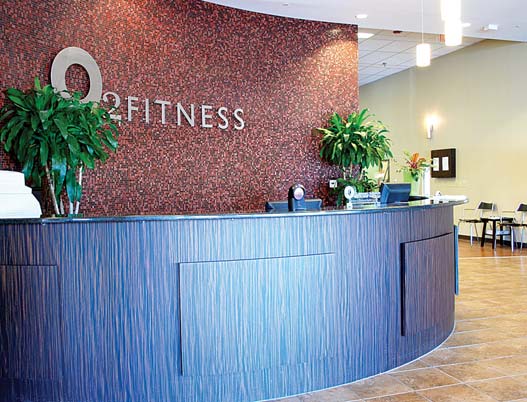
There is a practical distinction between opening a facility and giving people a reason to use it repeatedly. The first requires a site and a launch. The second asks more awkward, everyday questions about the welcome, the room and the experience after the novelty has worn off. Those questions would follow Olander as the business grew.
The year twelve became twenty-four
In September 2013, O2 acquired the twelve-club East Shore Athletic Club chain around Charleston. The purchase doubled O2’s footprint to twenty-four locations, divided evenly between North Carolina and South Carolina. One transaction changed the scale of the company and brought Olander back, in a different capacity, to the region where he had studied.
The seller, Kent Jordan, had built East Shore from a single Mount Pleasant location. He and Olander had been introduced years earlier; the transaction took about fifteen months to work through. The timetable matters. A deal described in one sentence can contain more than a year of conversations, decisions and preparation.
Two states. One larger operating responsibility.
O2 initially planned to retain East Shore’s name and direct money toward improvements. The announced program put more than $1 million into equipment, carpets, paint, televisions and programming over the following months. The existing business had customers and recognition. Replacing the sign was not the first item on the shopping list.
Growth also brought disagreement about what customers wanted. Earlier in 2013, O2 acquired Women’s Only Workout near its Chapel Hill location and moved memberships, classes and equipment into O2. Olander described a way to preserve access to the offerings. Some members objected to losing a women-only setting. A larger facility and more services could not automatically replace the particular reason someone had chosen the smaller one.
That episode puts a useful edge on an expansion story. An owner can see an opportunity to combine operations while a customer sees the disappearance of something specific. Both reactions belong to the transaction. The operating challenge continues after the paperwork is signed.
A portfolio with people in it
MDO Holdings gave Olander room to work across different types of businesses. Its record includes startup investment and commercial real estate alongside the original operating company. Groundfloor appointed him to its board in December 2014. Photofy lists him among its advisors. Perkville, a customer-rewards business, also lists him as a board member.
These roles put him in several seats: owner, operator, investor and advisor. Each involves a different relationship to the person running the business. Operating a club gives a founder direct responsibility for what happens inside it. Backing someone else’s venture requires a judgment about what that person can build.
“For us we look at team first, concept second.”
Michael Olander Jr., 2016
Olander met business partner JP Green at a REX Roundtable. He later brought Shawn Stewart into O2 as chief operating officer in late 2015. Stewart’s arrival addressed operational inconsistencies after expansion and allowed Olander to spend more time with other businesses. The freedom to pursue another venture depended on someone being able to run the existing one.
Olander also described becoming more selective, measuring growth against its effects on customers, employees and the business. That is a less glamorous task than assembling a portfolio. Every accepted opportunity creates work for someone. The ability to decline one is part of managing the collection.
Olander’s connection to Photofy supplies a lighter detail about the investor behind the titles. He enjoys food and wine, along with editing photographs of them using the company’s product. The corporate description briefly gives way to a recognizable person with a camera roll. Dinner, apparently, could become product research.
A nickname gets its own front door
Olander’s restaurant work included a collaboration with chef Ashley Christensen. The connection had roots in his family’s Raleigh relationships: his mother, Eliza Kraft Olander, was an early investor in Christensen’s Poole’s Diner. By 2019, Christensen and MDO were developing a fast-casual chicken concept for the Triangle.
The name came from a conversation at Beasley’s Chicken + Honey. Christensen and Olander had started referring to the proposed venture as a baby Beasley’s, shortened to BB’s. Other names came and went. The nickname proved difficult to evict.
BB’s Crispy Chicken opened its first restaurant in Raleigh’s Midtown East development in 2021, followed by locations in Durham and Cary. In May 2023, MDO announced that it had bought Christensen’s minority stake, becoming the full owner. Olander publicly thanked her for developing the recipe and helping launch the brand.
The sequence makes the distinction between a partnership’s beginning and its later ownership clear. The restaurant started with a shared project and a chef’s contribution. The ownership then changed. A business can preserve the name born around a table while the arrangement behind that name moves into another phase.
What the museum needed next door
The Marbles property sale belongs to another part of Olander’s work: commercial real estate. The museum bought the former Longleaf School of the Arts building on East Hargett Street, beside its downtown campus. Its position was the point. A property somewhere else would not have given the museum the same opportunity.
For an owner considering bids, that creates a choice about the next use of a building. The museum’s $3.1 million purchase offered MDO a buyer with an identifiable local purpose. Higher competing offers made the decision more concrete. There was money available elsewhere, and Olander chose this transaction.
The adjoining property purchased by Marbles Kids Museum from MDO Holdings.
Earlier community efforts had operated at a different scale. In 2010, O2’s Pedal for the Playground event put members and staff through a three-hour cycling fundraiser. O2 pledged $100 for each rider who completed it; the event raised more than $20,000. The company also gave membership time to charity auctions.
The fundraiser and the property sale were different kinds of participation. One gathered people for an afternoon. The other gave an institution more room to plan. Both placed Olander’s businesses in contact with the communities around them, where commercial addresses are also places people recognize and use.
Making room for the next decision
Another view of Olander comes from someone who worked beside him. After returning to the Carolina Hurricanes as president in July 2024, former MDO president Doug Warf described the latitude he had been given to develop professionally. He later recalled Olander’s willingness to let people learn from mistakes and his encouragement to think about what came next.
That recollection gives a personal dimension to the operating structure. A founder who wants to do several things needs other people to exercise judgment. They will occasionally exercise it badly. Warf’s account suggests that learning and continued responsibility could survive those moments.
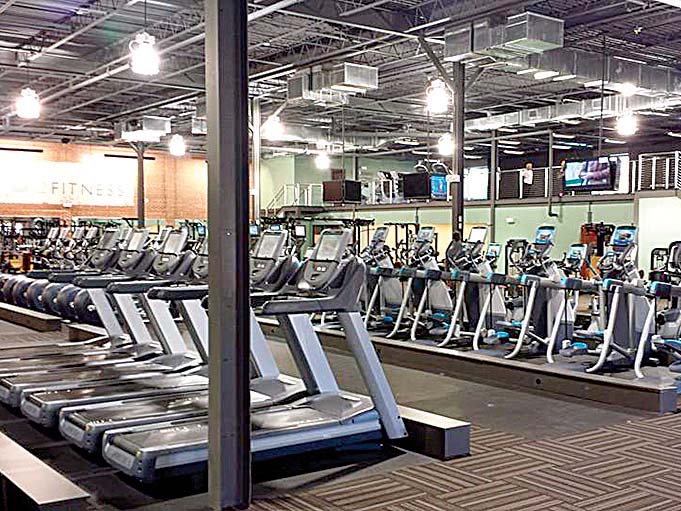
The original club business continued to change. By April 2025, O2 had returned to Wake Forest with a 40,000-square-foot Grove 98 facility, after closing its previous local location in 2022. The new club included co-working space as well as equipment and classes. The small studio format had acquired some conspicuously larger relatives.
Olander’s story is therefore still attached to physical places: the basement, the Charleston clubs, the restaurant door, the building next to Marbles. The interests have broadened, but the work keeps returning to what people will do inside a space and who will be responsible for making it work.
Keeping a business asks its owner to live with the answers. The opening day passes. The acquisition closes. The nickname becomes familiar. Then someone has to make the next decision, with customers, colleagues and neighbors already in the room.