Ocean scientists, it turns out, take playlists to work. When Michael Angst was helping build Beyond Blue, the team learned that music accompanied expeditions aboard ships and journeys down into the ocean in submarines. Here was a useful detail for a game about underwater exploration: the people who study this world bring songs along. Even a trip into the deep needs something to listen to.
Angst let that observation inform the game. Music would help make the expedition feel like an experience lived by people, with emotion and rhythm as well as instruments and data. “We learned from scientists how music was such a huge part of their expeditions,” he said. The sentence gives a glimpse of his method: ask people who know a world, listen to the answers, then work out how a player might enter it.
There are larger achievements in his career than getting the playlist right. He co-founded E-Line Media, helped develop its partnerships and served as creative director on games with educational and environmental themes. But the playlist makes a good place to begin. It brings the executive down from the organizational chart and into a specific creative decision. Someone had to hear that detail and decide it belonged in the game.
An investor with a film-school detour
Angst’s education put two different kinds of making within reach. He studied engineering, including computer science and electrical engineering, at the University of Pennsylvania, and attended New York University’s graduate film program. One route concerns systems that function; the other concerns experiences that hold attention. Games give both disciplines plenty to argue about.
His working background includes operating businesses and private equity investing. Alan Gershenfeld, his E-Line co-founder, brought experience in games and film. Their company, which dates its founding to 2008, took on a commercial problem with a social purpose: make games people would choose to spend time and money on, while opening subjects and perspectives that deserved room in the medium.
The business part matters. A game competes for an evening, a purchase, a conversation between friends. Good intentions cannot make its controls feel right or persuade a bored player to return. The company’s premise required the creative work to earn its audience. An earnest message still needs a game worth playing around it.
Angst has also served as executive chairman of FilmAid International and on the board of Sustainable South Bronx. Those roles place his game work alongside an interest in media, community and social enterprise. They help explain the range of institutions around E-Line, where a creative project can involve people far outside a conventional development studio.
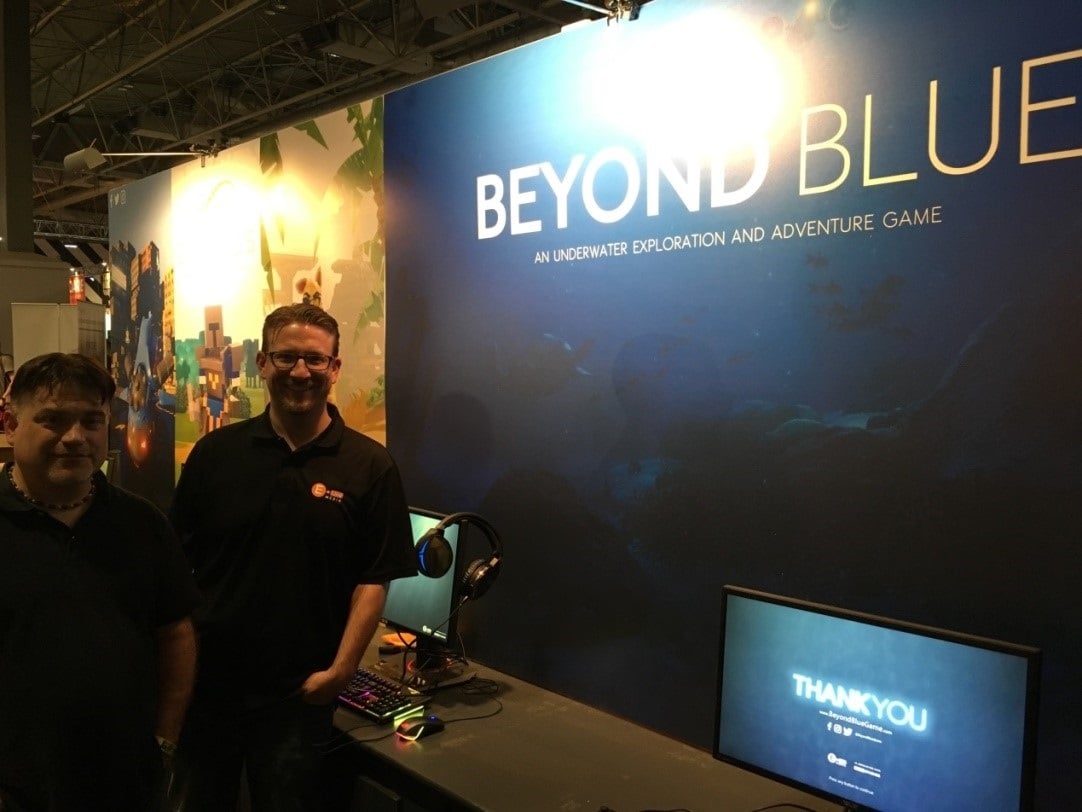
A blizzard, a fox and a seat at the table
In Never Alone, a girl named Nuna and a fox travel through a world threatened by an endless blizzard. The game draws on an Iñupiat story, with narration in the Iñupiaq language. Players guide the companions across ice and through danger, using their different abilities to move forward. Cooperation is something the player has to practice with a controller.
Nearly 40 Alaska Native elders, storytellers and community members contributed to its making. The partnership with Cook Inlet Tribal Council gave the project a cultural purpose and people who could help shape it. Players could also unlock filmed insights in which community members discussed their knowledge and values. A game encounter could lead to listening to someone speak.
For Angst, the release tested a commercial proposition as well. In 2015, he discussed player interest alongside the potential for a financial return. He talked about a proposed World Games slate that could explore different cultures and return more deeply to Alaska Native stories. “Our intention is to do both breadth and depth,” he said. That is a business ambition with a storytelling question attached: where can the next collaboration go?
“Our intention is to do both breadth and depth.”
Michael Angst, 2015
He also discussed a smaller, revealing decision: before committing to a tablet version, the team would test how the game felt there. Local cooperative play was part of its appeal, and a change of device could alter that experience. The practical question concerned fingers, screens and the relationship between two players. Cultural ambition still had to survive the controls.
Never Alone won the 2015 BAFTA for Debut Game. The award went to the development team. In a story about a founder, that distinction deserves its space: the people who supplied the story, built the environments and made the mechanics work were part of the achievement. Angst’s role is interesting because of that network of people and decisions.
Never Alone wins the BAFTA for Debut Game. A team award for a game shaped through cultural collaboration.
Let the ocean take the lead
Beyond Blue moved the work from the Arctic into the ocean. Released in 2020, it follows Mirai, a scientist and deep-sea explorer, and her research team in a near-future world. The player’s equipment makes looking and listening into things to do. Exploration gives curiosity a route through the environment.
The development partnership brought together E-Line, BBC Studios, OceanX Media and ocean experts. BBC’s Blue Planet II production offered footage and access to scientific knowledge. Translating that material into a game required choices about perspective. A documentary camera has already chosen where the audience looks. A player expects some say in the matter.
Angst’s stated aim was to put the natural world at the center. The technology depicted in the game drew on equipment that existed or that scientific advisers anticipated within the following ten to twenty years. The near-future setting gave the team room to imagine tools for exploration while keeping a connection to the people doing the research.
That arrangement makes the science advisers part of the creative process. They supply knowledge about the environment and help define what might be plausible within it. The game makers still have to build an experience with pace, visual character and room for discovery. Accuracy and artistry share the workbench; neither finishes the project alone.
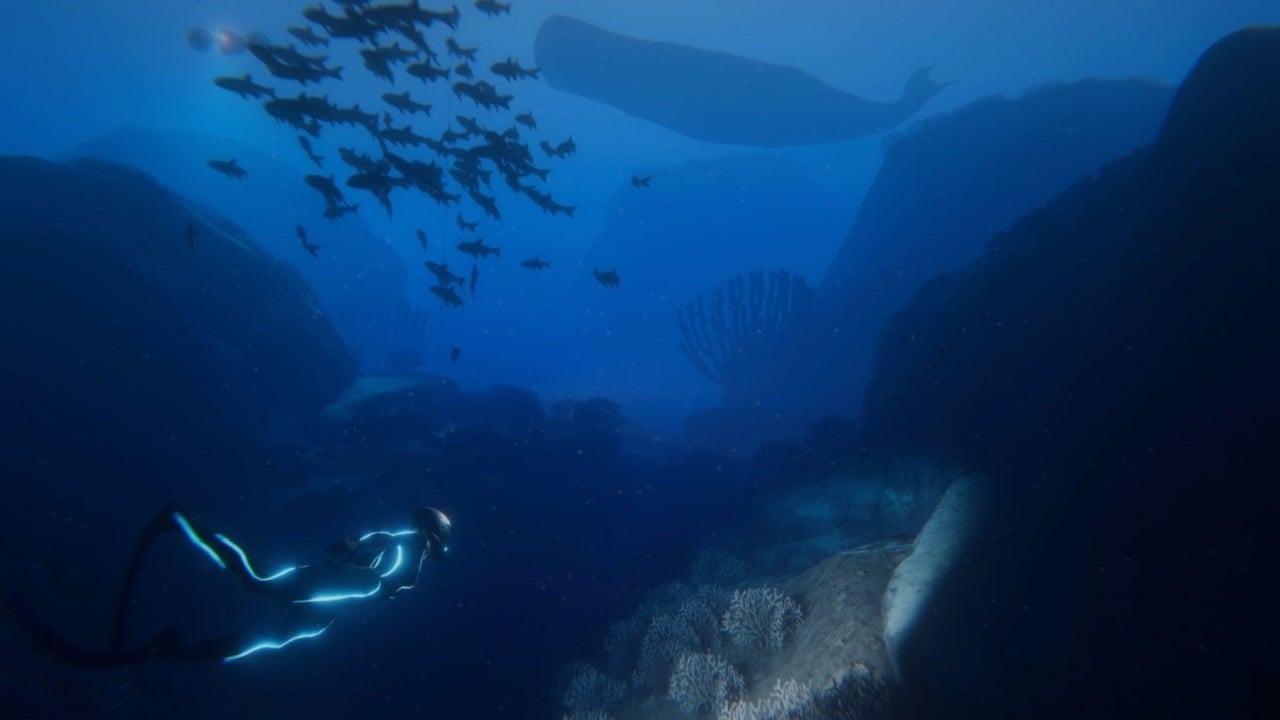
The expedition playlists belong in this same picture. They were a reminder that an expert’s experience includes ordinary habits as well as specialist knowledge. A person who spends time at sea has a working life around the science. For a creative director, those surrounding details can offer clues to atmosphere. They make the character’s world feel inhabited.
The credits tell another story
Angst is credited for creative direction and writing on Beyond Blue. The credits also name lead writer Anne Toole, story contributor Whitney Beltrán, producers, performers, composers and scientific advisers. Mirai is voiced by Anna Akana. The ocean has a substantial human population behind the screen.
That list prevents a neat founder biography from becoming too neat. Creative direction involves work made with other people, each responsible for part of the experience. A narrative decision can affect production. A piece of scientific advice can change the environment. A performance can give a written scene a different weight. Leadership happens among those decisions.
Angst’s name also appears in the direction credits for the game’s Ocean Insights, alongside Eric Fransen. These filmed pieces give the project another route into the subject. The player can spend time within a constructed world, then encounter people whose work informs it. The documentary material lets that connection remain visible.
At GDC in 2019, Angst joined a panel about authenticity, anthropology and artistry in interactive narrative. Its subject was how practitioners combine research, community conversations and academic collaboration with storytelling. It was a fitting professional conversation for someone whose projects depend on bringing specialist knowledge into a medium built for participation.
Now hand the tools to the player
Another strand of Angst’s work asks what happens when the player begins making things. He served as creative director of Gamestar Mechanic, which introduces young people to game design through playing and creating games. A finished game becomes a starting point for understanding how rules and experiences are assembled.
Endless Studios, which he co-founded with Matt Dalio and Gershenfeld, develops that interest through a studio and learning community. Its approach brings learners together with professionals to work on game projects. The disciplines include coding, engineering, design, art and management. There are several doors into a game, and programming is one of them.
The current learning site lists Angst as a senior mentor. It describes workshops, community projects, feedback and portfolio building. Those are concrete activities. A learner makes an object that someone else can try, receives a response and has a reason to revise. The work gives a conversation about skills something visible to refer to.
In August 2023, Angst joined Dalio and Gershenfeld in Abu Dhabi for the announcement of Game Changers, a sustainability-themed game-making competition. It invited high-school and university students, along with recent graduates in the UAE, to learn the disciplines involved in making games. The announced prize pool was AED 100,000, and participation was free.
There is a recognizable connection between that invitation and the earlier games. Community members bring knowledge into a story. Scientists help shape an expedition. Young makers get access to tools and feedback. The participants change, and so does the project, but the work repeatedly makes room for someone to contribute.
A different chair, the same question
E-Line now lists Angst as co-founder and vice chairman, with Steve Arnold as CEO. Its biography identifies Angst as co-founder and executive chairman of Endless Studios. His career has moved between financing, operating, directing and mentoring, with games providing a place for those activities to meet.
The persistent question is whether a commercial game can invite useful attention to the world and the people in it. His projects have approached it through different subjects and different collaborators. Sometimes the next decision is about a cultural story. Sometimes it concerns a learner’s first playable idea. And sometimes, several thousand feet beneath the imagined surface, it is about choosing the music.
Keep exploring
E-Line’s people and projects · Endless Studios · Michael Angst on LinkedIn · Twitter / X
The 2015 conversation about World Games · Watch Angst discuss Beyond Blue at Gamescom · The GDC narrative panel
Beyond Blue on YouTube · Never Alone on YouTube · An early look at Beyond Blue’s science and design · The expedition soundtrack story