A million developer accounts is an impressive number until somebody has to look after them. In one cloud communications business, manual work had accumulated around a portal that needed updating. Lohika’s assignment reached beneath the interface: build services, replace repetitive work and automate testing. The interesting part was how much engineering sat behind something a customer might simply call a better website.
- Lohika supplies engineering teams for software companies.
- Its model puts those teams inside the customer’s development process.
- Founded in 2001, it joined Altran in 2016 and later Capgemini.
That is a useful way to understand Lohika. It works where a software company’s ambitions meet the practical business of building software. The name on the finished product usually belongs to somebody else. The contribution is people, technical judgment and enough shared working habits to get a release out the door.
01 / A bridge with work at both ends
The early company had a particularly concrete purpose. A February 2002 account named three founders: Nataliya Riabokon, now known as Nataliya Anon; Volodymyr Riabokon; and Lonhyn Jasinskyj. It reported $1.25 million in Series A financing and a development center in Lviv. American customers bought software development, integration and maintenance. Ukrainian programmers gained work they could do without emigrating.
Its initial markets included higher education and utilities. That is a pleasantly unglamorous beginning for a company later associated with Silicon Valley’s growth businesses. Universities and utilities need working systems, too. The arrangement paired project management in the United States with programming talent in Ukraine, giving customers a local relationship and the company a wider recruiting pool.

02 / The plumbing behind the portal
The cloud communications engagement makes the work tangible. Capgemini describes a client serving one million developer accounts across 180 countries. Lohika built more than 15 backend services and APIs, plus over 50 front-end tools. It also created a test automation framework and end-to-end tests for both the interface and its APIs. The redesigned self-service portal delivered a reported 30% performance improvement.
and APIs
tools
performance lift
The mechanics matter more than the headline number. A polished interface still depends on reliable services. Automated tests help engineers change those services without checking everything by hand. Self-service tools move routine work away from people’s queues. Together, these changes address the less photogenic side of growth: all the small tasks that become expensive when repeated.
Data engineering supplies another example of that work. The Apache Druid project records Lohika using its analytics system for event-based data, with Apache Kafka providing real-time ingestion and Kubernetes managing the cluster. The purpose was to respond to changes in advertising campaigns. It is a specific piece of technical evidence: the engineering extends beyond screens into systems that collect, process and expose information while the business is still using it.
03 / Buy a team. Share the decisions.
Lohika’s commercial offering is engineering services. Customers engage people and teams to develop products, improve platforms and extend technical capacity. Cloud and SaaS engineering, mobile applications, data systems and quality assurance sit within that work. The business belongs in the same buying conversation as providers such as SoftServe or EPAM, and an internal hiring plan.
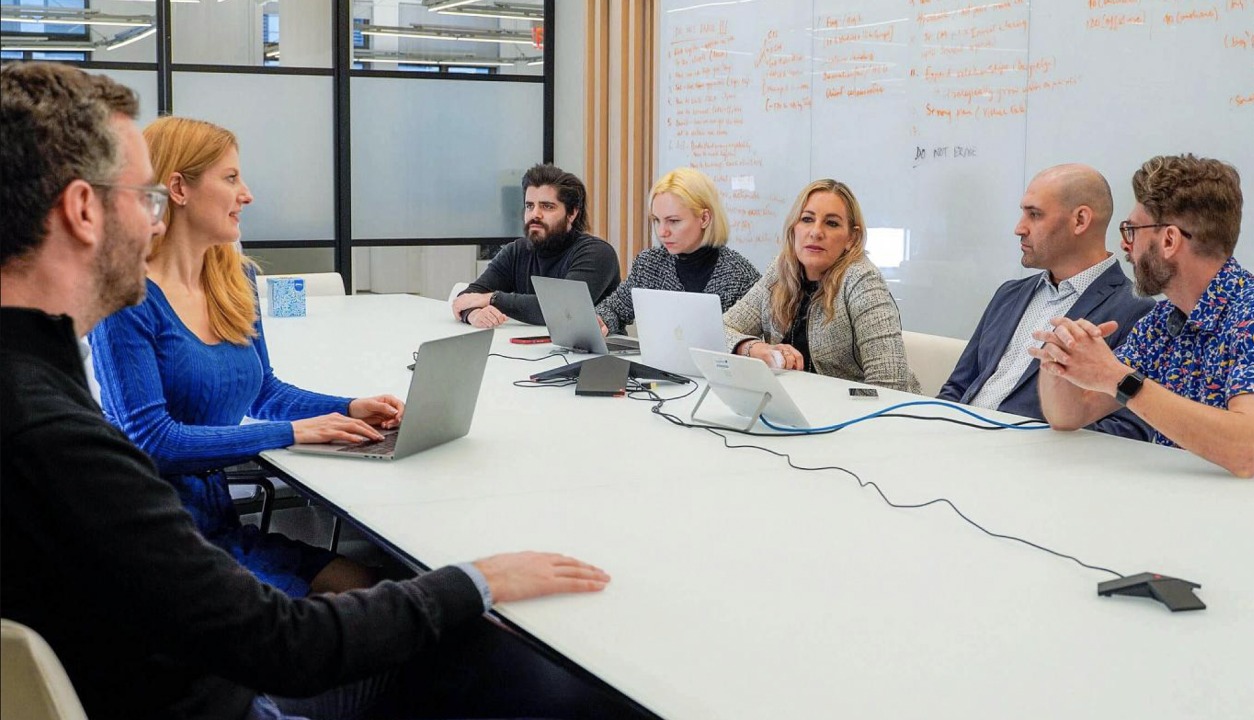
Its particular emphasis has been team extension. Historical recruiting materials describe engineers working closely with customer stakeholders; its service description stresses matching customer processes and development environments. The promise depends on integration. Another group of developers can become another queue of questions unless access, priorities and decisions travel with the work.
For a buyer, the practical exercise is to name a bounded problem, assign a decision-maker and agree how progress will be reviewed. These are implications of the model, not guaranteed outcomes. Where requirements remain unsettled or nobody can make product decisions, adding capacity can simply give confusion more people to visit.
The economics deserve the same scrutiny. A buyer comparing a service engagement with internal hiring should consider onboarding, review time and the cost of maintaining the result, alongside the engineering bill. That is a buying framework rather than a claim about Lohika’s savings. Its model makes the most sense when there is useful work ready for an additional team and someone available to help that team understand the product.
04 / The dinner that became a webinar
Lohika also built places for engineering leaders to talk. Its marketing team’s 2019 program included small dinners organized with Raman Frey of Good People Dinners. Then the pandemic interrupted indoor gatherings. A channel built around a meal suddenly needed another format.
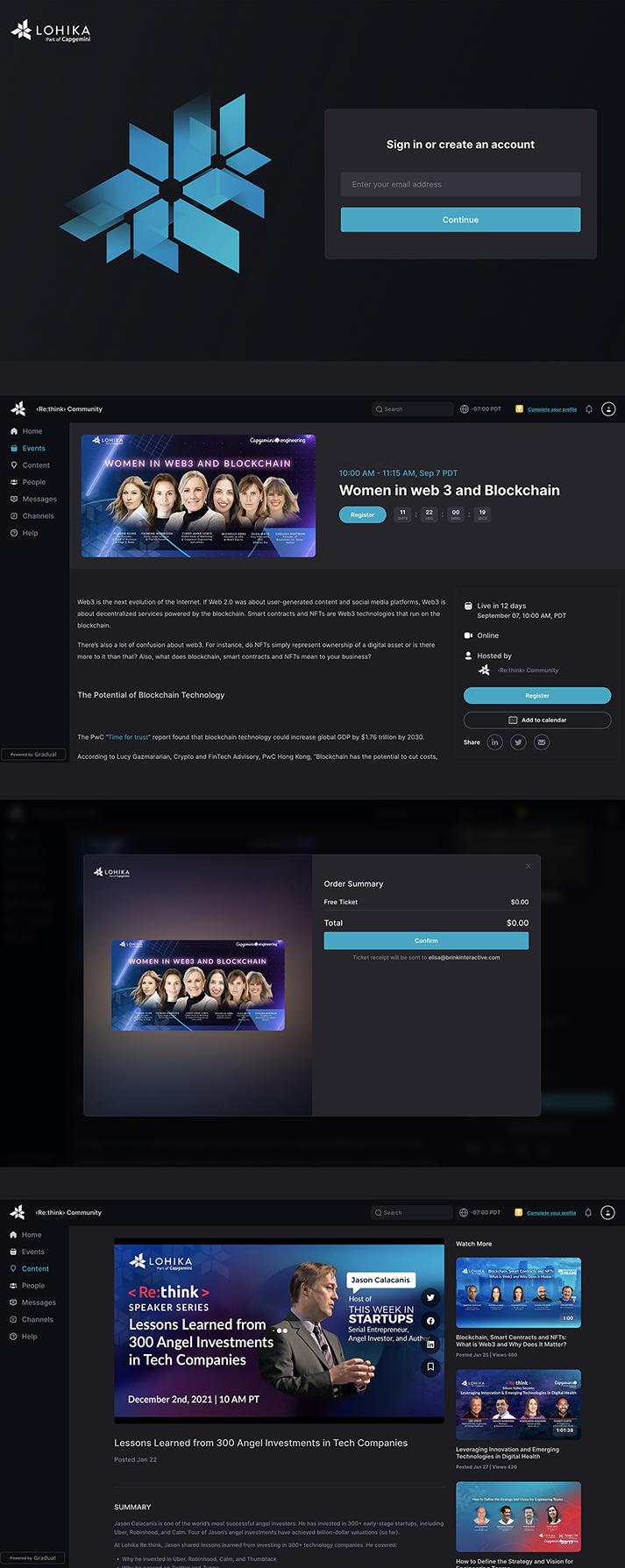
The response was specific: sponsor engineering-leadership Q&As and virtual summits with Plato, expand social distribution and develop the Re:think online event series. The company’s retrospective says those sponsorships produced new client wins. The useful lesson is the continuity of the audience. The setting changed; the engineering conversation remained the reason to attend.
05 / A coordination problem closer to home
There was another revealing adjustment in Lohika’s marketing. Separate creative and media partners had left useful insights falling between the two. BRINK combined those responsibilities, introduced recurring testing and used analytics to inform creative briefs for a busy event calendar.
“we needed a true partner”Lohika’s Global Head of Marketing, in BRINK’s case study
BRINK reports 73% more event leads year over year with 8% less spend in under six months. Those are the agency’s reported results for that engagement. They describe relative spending, not an invoice price. The copyable move is the workflow: put measurement close enough to production that the next brief can use what the last campaign taught.
06 / Someone else’s name on the box
By the time Altran announced its acquisition in 2016, Lohika’s named clients included Microsoft, Cisco, HP Enterprise, BuzzFeed, Twilio and Okta. Capgemini subsequently acquired Altran in 2020. That ownership history places Lohika within a much larger engineering organization, while its historical specialty remains easy to recognize.
It serves businesses whose software needs have grown beyond the team immediately available to build it. The buyer still needs product judgment, clear ownership and a budget for coordination. Lohika’s story makes the interesting question quite practical: when another team joins yours, how quickly can the two begin doing useful work together?