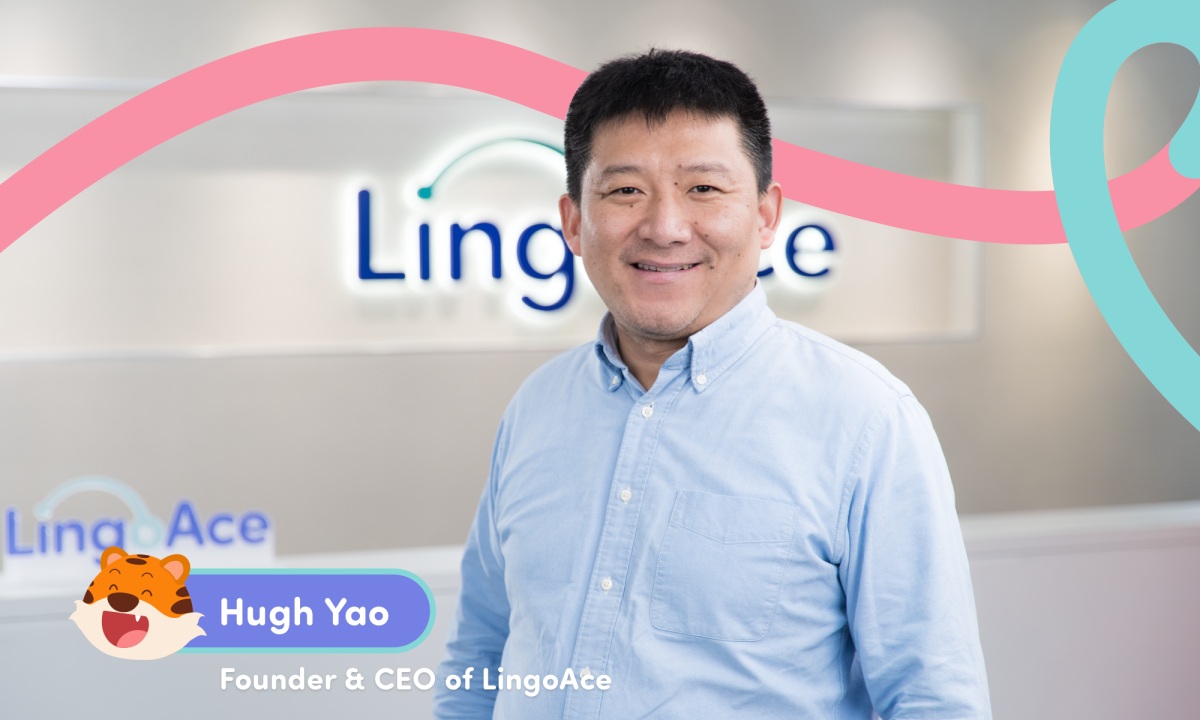
Hugh Yao had a problem that many immigrant parents recognize. After his family moved to Singapore, his son’s English flourished. His Chinese began slipping away. The father spoke one language; the child increasingly answered in another. For Yao, a technology executive, this was a particularly awkward kind of malfunction. The household had the language. The child had the capacity. Somehow, the connection was failing.
- The customer: parents buying language and academic enrichment for children.
- The engine: live teachers, interactive lessons and guided practice.
- The next bet: math, language arts and AI English learning.
The language schools the family tried leaned on memorization and traditional methods, Yao later told TechNode Global. His son struggled to stay interested. In 2017, Yao founded LingoAce in Singapore. His son became its first student. The business began with a question more precise than whether children could learn Chinese online: could a lesson persuade this particular child to keep listening?
The child has a veto
Education businesses have an unusual arrangement. The person paying for the product often does not use it. A parent buys fluency, opportunity, perhaps a connection to grandparents. A child experiences Tuesday’s lesson. Those are different purchases, and a company has to make them meet.
LingoAce’s answer combines live instruction with stories, animation and games. A teacher can hear a hesitant answer and respond immediately. The digital material gives the child something to engage with. Practice supplies the repetition language learning requires. The company sells an organized teaching service, with curriculum and support around the classroom.
That puts it between the local enrichment school and the self-paced language app. An independent tutor offers personal attention; an app offers convenient practice. LingoAce packages teaching, materials and parent coordination together. The distinction is the arrangement of those pieces. A screen alone would have done little to fix Yao’s original problem.
A small school before a big company
In a 2022 McKinsey interview, Yao described serving only a few hundred customers during the first couple of years. The team listened and changed the experience every week or two. Singapore offered a useful testing ground: families with different cultural backgrounds, including parents whose concerns resembled those of overseas Chinese communities elsewhere.
The lesson sequence was deliberate. Younger children might start with a minute or two of animation, then work with a teacher, then practice through games. Yao described learning advisers using data to help families understand progress. The company’s stated culture puts learners first and encourages agility; this early feedback cycle gives those ambitions a concrete example.
“One size never fits all, so they all need a personalized learning plan.”Hugh Yao / McKinsey interview, 2022
There is a useful experiment in Yao’s own account of family life. When his daughter enrolled, he says, neither her teachers nor his team knew whose daughter she was. He wanted to see whether an ordinary family received the same care. Founders can copy that test: experience the service without the privileges attached to being its owner.
What the lesson actually costs
LingoAce’s public pricing page advertises lessons from $14.20 to $30, with packages varying by program and format. It describes four support roles: course consultant, teacher, learning adviser and IT support. The parent is buying help with placement, progress and technical problems as well as teaching time. A free trial lets a family inspect that promise.
Illustrative cost of eight lessons at the advertised $14.20-$30 range. This is arithmetic, not a package quote.
Eight lessons approximate four weeks at the company’s suggested minimum of twice weekly. That creates a recurring commitment of money and time. A family seeking occasional vocabulary games may prefer an app; a child who needs physical classroom company may prefer a local school. Reliable connectivity, a workable schedule and a willingness to practice matter as much as a cheerful trial.
Then the timetable filled up
The pandemic accelerated demand. In December 2021, LingoAce reported nearly 4,000% booking growth since the end of 2019. Bookings measure commercial activity; they do not establish how much Chinese a child learned. Still, investors saw a business ready to expand.
$160 million combined. $180 million raised to date, as reported that December.
The $55 million Series B was led by Tiger Global and Owl Ventures. The $105 million Series C was led by Sequoia Capital India, which later became Peak XV Partners. Funding was earmarked for curriculum, product development, hiring and international expansion. These are costs of building a repeatable school: material must be developed, teachers supported and families reached.
More subjects, more ways in
English Live followed in April 2022, using Zoom’s Video SDK for classroom communications. The expansion preserved a recognizable format while changing the subject. It also widened the audience beyond families seeking Chinese instruction.
Another extension went onto paper. In November 2025, LingoAce and Peking University Press announced the forthcoming Ace Chinese textbook series for overseas learners aged five to twelve. Textbooks, workbooks, flashcards and audio materials turn classroom expertise into resources that can travel beyond a single lesson.
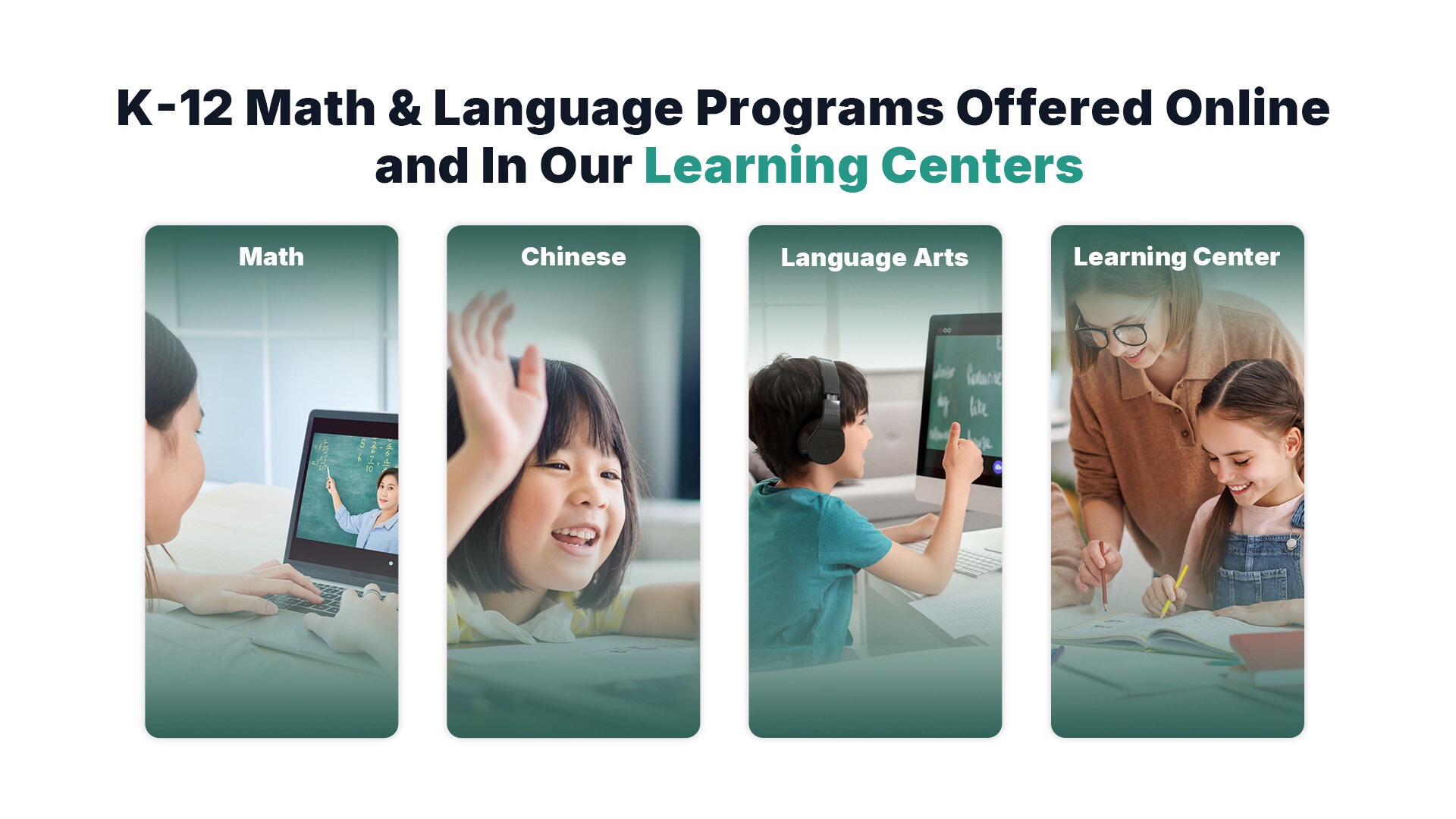
ACE Academy formally launched in February 2026 after a 2025 soft launch, offering math, English Language Arts and Chinese through online classes and physical centers. Its math program reported 190% enrollment growth in the second half of 2025. In August, Tutor Luna added AI English learning for ages four to twelve, designed to adapt instruction to each learner. Those are product claims and enrollment figures, rather than proof that every delivery method works equally well.
The classroom has a back room
Growth also exposed obligations beyond teaching. A Singapore enforcement decision, published in May 2024, imposed a S$74,000 fine on operator PPLingo over a 2022 data breach affecting more than 557,000 users. The findings included inadequate password safeguards and failure to appoint a data protection officer. For families, platform trust includes what happens when the camera is off.
By September 2026, LingoAce reported more than 730,000 learners served and 27 million lessons delivered. The company had acquired the scale its early years postponed. Its next test is whether the careful observation that helped one distracted child can survive more subjects, more delivery methods and many more Tuesdays.