On August 10, 2016, Kyle Miller sat down with the people who might buy the business he had helped assemble. With advisers from Jefferies, he met RSP Permian chief executive Steve Gray and land and business development executive Erik Daugbjerg. The subject was Silver Hill’s assets. The question was whether RSP wanted a closer look.
It did. A confidentiality agreement followed, then access to an electronic data room, then a technical review in Houston. Geology, well performance, operating costs and gathering agreements entered the discussion. Before the transaction acquired its imposing price tag, it had the less glamorous necessities of a working deal: information, scrutiny and several people deciding whether to keep talking.
By October 13, RSP had announced agreements to acquire Silver Hill’s two businesses for approximately $2.4 billion in cash and stock. For a founder who had established the Silver Hill enterprise in 2011, it was a consequential early chapter. It also makes a tempting place to end a story. Miller’s career is more interesting if you keep reading.
He continued building energy partnerships. He helped establish opportunities for college athletes. With his wife, Katy, he committed $5 million to a courtyard at Southern Methodist University, where he had studied finance. The scale changed; the recurring interest in bringing people and resources together remained. A drilling program and a campus gathering place have very different seating requirements. Both need someone willing to organize the beginning.
Learning the numbers, then owning the work
Miller graduated from SMU’s Cox School of Business in 2001 with a Bachelor of Business Administration in finance. His career began in Houston at Wells Fargo Bank and Wells Fargo Energy Advisors. He subsequently became a vice president at Energy Spectrum Advisors in Dallas, then a principal and senior vice president at Energy Trust Partners.
At Energy Trust, he led business development and helped manage and oversee upstream private equity funds. Upstream, in the industry’s vocabulary, means the exploration and production side of oil and gas. It is a compact word for a large set of judgments about what lies underground, what it will cost to reach it and who can execute the plan.
The sequence gave Miller experience in energy banking, advisory work and investment management before he founded Silver Hill. His next job put those financial judgments inside a company that acquired and developed the assets itself. Ownership brought an operating agenda with it. A promising set of numbers had to survive contact with the work. That combination remains explicit in Silver Hill’s stated strategy: direct ownership, operation and control of oil, gas and related infrastructure assets. The founder’s professional path had brought him to a business where capital allocation and operating decisions belonged in the same conversation.
Dallas became Silver Hill’s base, and the Delaware Basin in West Texas became the setting for its early operating companies and joint ventures. Between 2011 and 2017, those businesses acquired, developed and sold unconventional oil and natural gas properties and related infrastructure. The numbered partnerships, Silver Hill I and II, were the first chapters of a business that would keep returning to the market.
- 2001Finance BBA, SMU
- 2011Silver Hill founded
- 2016RSP agreements announced
- 2024Fourth partnership closes
- 2026Fifth partnership closes
What $2.4 billion actually bought
RSP’s announcement made the transaction tangible. Silver Hill’s two entities collectively held about 41,000 net acres in Loving and Winkler counties, with 58 producing wells and approximately 15,000 barrels of oil equivalent a day of net production. Behind the headline figure sat acreage, existing production and an inventory of places to drill.
The announced consideration combined $1.25 billion in cash with 31 million RSP shares. The two acquisitions were scheduled to close separately, carrying the same effective date. Kayne Anderson and Ridgemont affiliates controlled the selling entities. For Miller, the transaction brought the work of building those businesses into an agreement involving investors, executives and public shareholders.
The enterprise also extended beyond wells. In 2014, Silver Hill’s management team conceptualized and co-founded a joint venture with Outrigger Energy to build gas gathering, gas processing and crude gathering infrastructure. That infrastructure supported Silver Hill’s own development and surrounding producers. In January 2017, Kayne Anderson announced an agreement to sell Silver Hill’s midstream interests to a Targa subsidiary as part of a broader transaction.
Those connections help explain the founder’s operating territory. Producing oil and gas involves a route to market, as well as a route into the rock. Miller created, managed and sold midstream and minerals joint ventures alongside the core operating businesses. His public career follows the financial and physical connections around production, rather than stopping at the wellhead.
Approximate transaction value at announcement. Stock was valued using RSP’s stated 20-day average share price; this is company consideration.
The next partnership has a Roman numeral
Selling early assets left Miller with another question: what would the organization do next? Silver Hill continued through further partnerships. In July 2024, it announced the closing of Silver Hill IV with $1.13 billion in commitments. It was the fourth partnership and the second institutional private equity fund. Even the numbering requires a little attention.
The investors included endowments, pension funds, foundations and family offices, with a majority returning from earlier investments. Repeat participation is a useful detail in a founder’s story. Another fund requires another commitment from people who have already had a chance to watch the organization work.
In July 2026, Silver Hill announced that its fifth partnership, and third institutional private equity fund, had closed with $1.277 billion in commitments. Cumulative commitments since inception had reached $4.15 billion. Miller’s stated ambition was to meet growing energy demand while producing long-term investor returns through the company’s financial, operating and technical capabilities.
October brought another completed asset chapter. Centalion announced its acquisition of Silver Hill’s upstream and midstream natural gas portfolio in Texas and Louisiana. The package included approximately 72,000 net acres and about 300 million cubic feet a day of net natural gas production. Silver Hill had assembled most of that position between late 2021 and mid-2023.
The dates are part of the point. July’s fund closing and October’s sale describe a company raising capital and realizing investments within the same year. Miller’s work had continued well beyond the Delaware Basin transaction that first made such an economical headline. The business kept producing new decisions, each with its own clock.
“People matter most.”
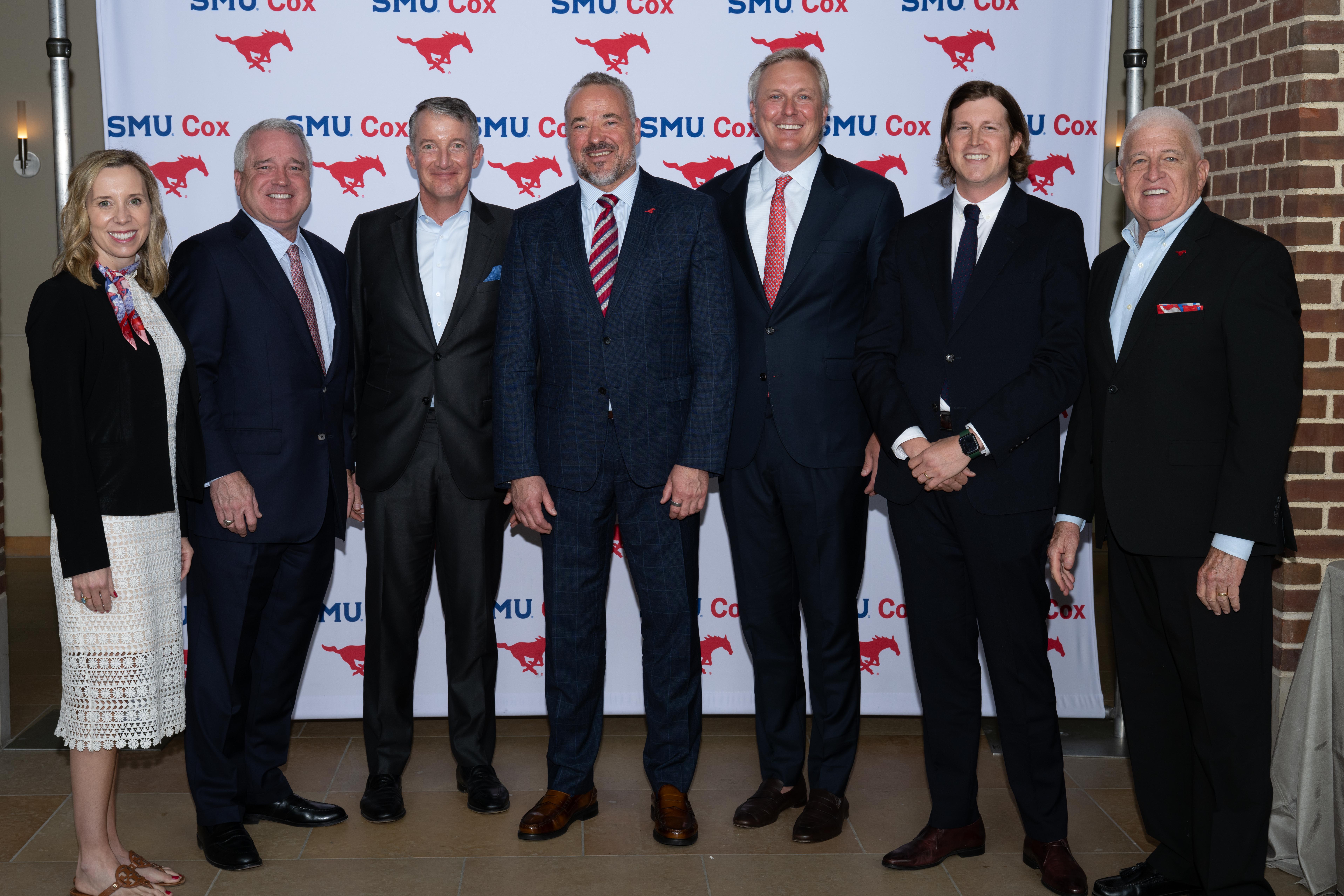
Kyle D. Miller · SMU Cox alumni awards, April 2026
A name on a program, a place at the table
SMU runs through Miller’s story with the persistence of a family tradition. His father, David B. Miller, earned undergraduate and MBA degrees there and became chair of its Board of Trustees. His uncle Alan is a Cox MBA alumnus. Two grandparents, his mother and a stepbrother also attended SMU. At some point, a university reunion begins to resemble a family gathering.
Kyle has described the example his father set in terms of dignity, respect and integrity. In his account, his father taught him and his sister that their word and integrity were their most valuable assets. It is a revealing choice of language from someone whose professional life involves assigning values to things.
The university recognized Kyle as an Outstanding Young Alumnus in 2015. A donor effort led by trustee Tucker Bridwell subsequently assembled more than $5 million in tribute gifts, announced in 2018. Most supported the Kyle D. Miller Energy Management Program and the Kyle D. Miller Energy Scholarship Fund at Cox; the tribute also included recognition within a planned indoor athletics facility.
Education and athletics were already sharing space in his public commitments. In 2022, Miller and Hunt Realty Investments chief executive Chris Kleinert formed the Boulevard Collective. It connected fans, alumni and businesses around name, image and likeness opportunities for SMU student athletes. Here, too, the mechanism was a network of people organized around a practical opportunity.
His civic involvement extends into Dallas. Goodwill Dallas lists him as immediate past chair of its board in 2026. His family supports philanthropy through the Katy and Kyle Miller Family Foundation. These responsibilities sit alongside his company role, giving the public record a geography that remains strongly rooted in Dallas even as the energy partnerships work across U.S. basins.
The return that starts over coffee
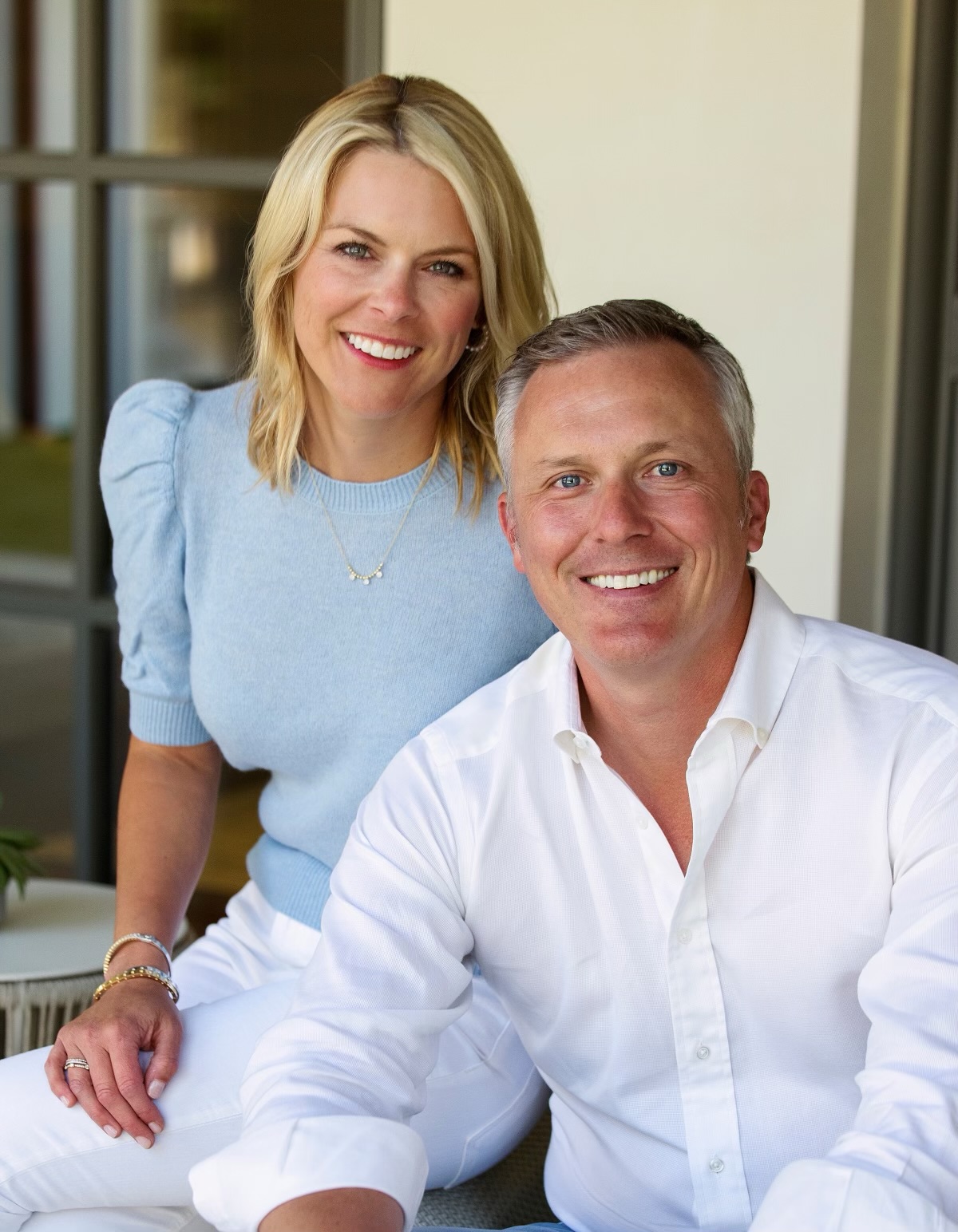
The courtyard commitment offered an unusually concrete expression of what Miller wanted to encourage. Announced in November 2021, Katy and Kyle’s $5 million gift supported the Cox School renovation and expansion. Their named courtyard was conceived as a gathering place along Bishop Boulevard for study, discussion, lunch and formal events.
Its proposed features were pleasingly ordinary: landscaping, shade, places to sit and four building entries. Universities require classrooms, but an introduction rarely waits for the syllabus. The Millers were helping provide space for the useful, unplanned intervals between scheduled things.
Miller explained the ambition with a founder’s eye for an enterprise before it exists: “We can’t wait to see what future Fortune 500 companies get their start over coffee in the courtyard.” The coffee was doing an impressive amount of prospective work. More seriously, the comment tied his gift to the possibility that the next person’s business might begin with a conversation.
By 2026, he served on SMU’s Board of Trustees, including its Athletics and Academic Affairs committees, and as vice chair of the Cox Executive Board. Cox named him a Distinguished Alumnus that April. His acceptance remarks returned to a plain priority: “People matter most.”
The energy transactions provide the large numbers in Miller’s career. The university commitments provide another way to read it: skills acquired, colleagues assembled, opportunities passed along. His story keeps circling back to the conditions that allow someone to begin. Sometimes that means capital and acreage. Sometimes it means a scholarship, a connection or a chair in the shade.