A swimming pool presents a surprisingly awkward software problem. Its edges curve. Water reflects the sky. A homeowner holds a little sample of stone and tries to imagine an entire perimeter. Meanwhile, somebody must measure that perimeter, prepare a drawing and turn the drawing into an order. The beautiful part is the pool. The troublesome part is everything that has to happen around it.
- KoderLabs builds custom software for businesses with work to connect.
- Its portfolio stretches from freight and healthcare operations to commerce and pool planning.
- The buying lesson: inspect a complete workflow, then examine scope, acceptance and delivery.
For Classic Pool Tile & Stone, KoderLabs describes native mobile apps that combine scanning, measurements, material previews and ordering. Its case study reports a task that previously needed one to three days of manual preparation becoming an on-site session of under ten minutes. The interesting detail is the testing: curved pools, reflective water, changing outdoor light. Reality was invited to interrupt the demo.
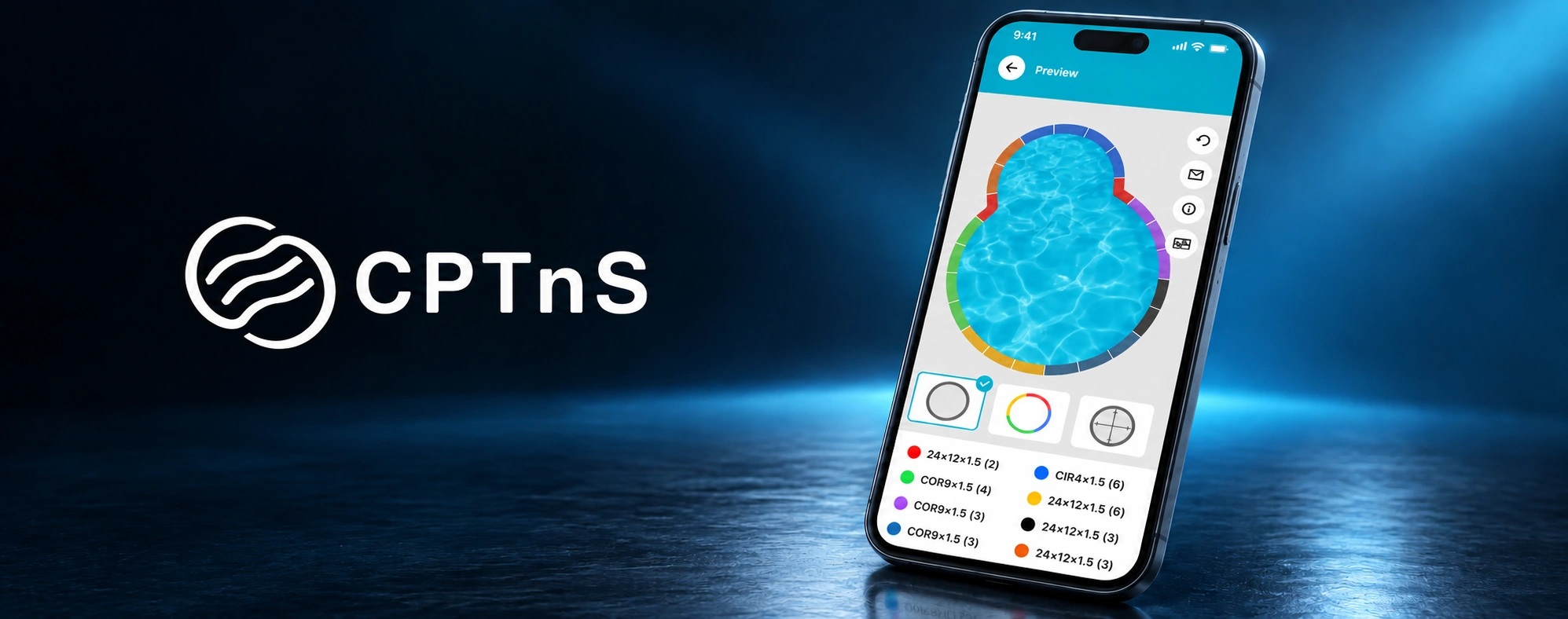
Someone has to join the pieces
KoderLabs occupies a familiar, necessary corner of technology: the custom development consultancy. A business brings a process, an idea or an inherited application. The firm supplies design and engineering to make it usable. Websites, mobile applications, e-commerce and business data analysis sit within its remit. There is also staff augmentation for companies that need specialists inside an existing team.
The origin is less theatrical than a garage legend. In a 2018 interview, co-founder Muzammil Rawjani described graduating in computer science, working at Folio3 and TPS, then finding opportunity through freelance platforms. He identified the venture as an IT services business and dated its beginning to 2013. Clients needed work done; a company grew around doing it.
That distinction explains the economics. KoderLabs sells engagements, technical capacity and ongoing support. The customer buys software made for a particular business. The firm’s current account places its teams in Texas and Karachi; its leadership page also describes a Dubai presence. Inc. ranked it No. 2,151 in the 2022 Inc. 5000. Scale arrived without changing the basic transaction: someone needs a working system.

The expertise is deliberately broad. Product decisions sit beside software architecture and delivery; mobile work sits beside web systems. The company’s public GitHub organization offers a smaller, more tangible glimpse of engineering interests: a React sidebar component, mobile libraries and a Jira-to-Power BI template. Useful little pieces, the sort of tools that rarely appear in a grand technology manifesto.
The failure was between the screens
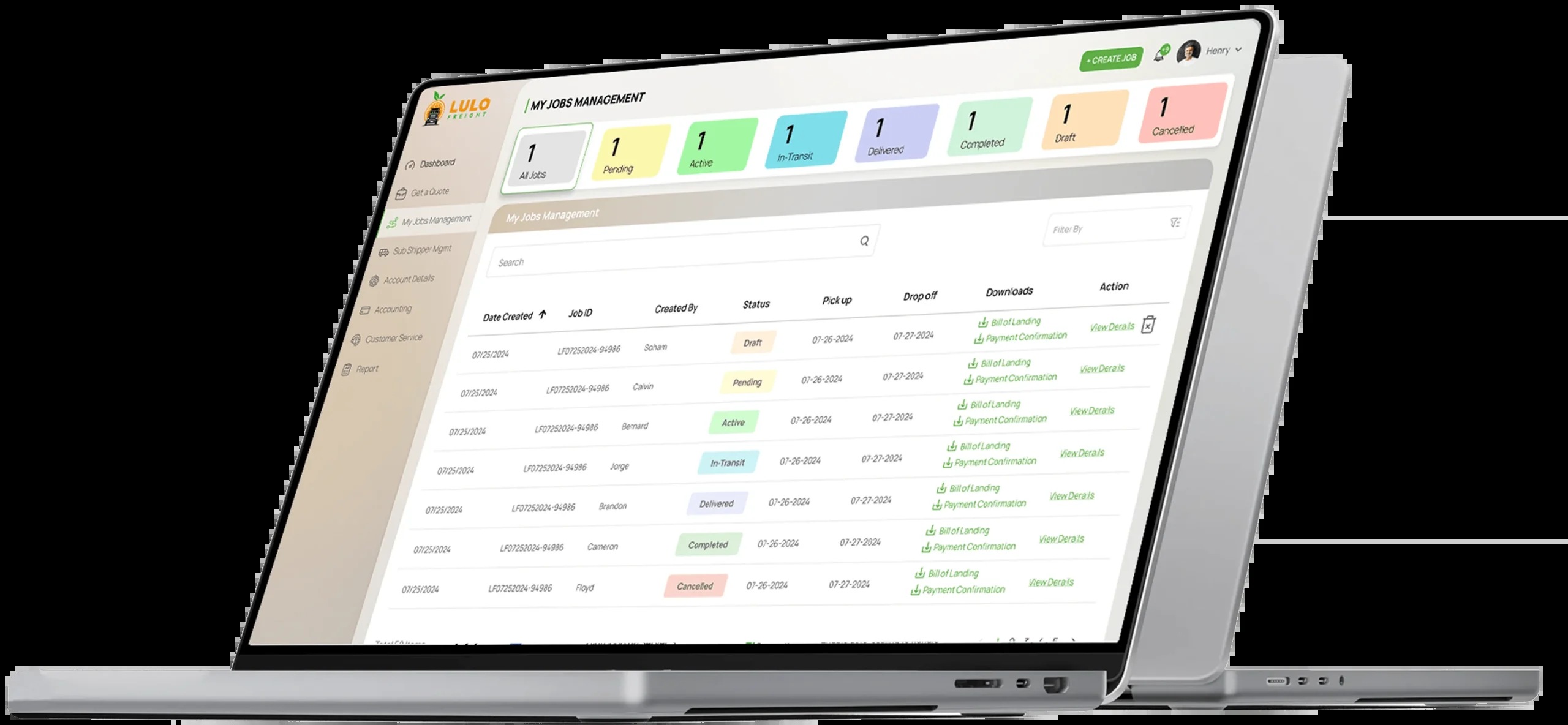
Look across the company’s portfolio and a pattern emerges. At Lulo Freight, KoderLabs says an earlier development engagement had left an unfinished platform. Pricing, carrier workflows and payment tools had gaps. An application could exist without reliably completing the business it was created to support. KoderLabs assessed the inherited build, separated working components from missing ones, and joined quoting, assignment, tracking and payment around shared data.
The carrier mattered particularly. A freight marketplace needs available supply. A shipper’s polished booking experience is of limited use if the carrier cannot find the load or assign a driver. That is a useful change of emphasis for any marketplace builder: inspect the side of the transaction that must show up for the other side to benefit.
At Spruce, a home-services business, growth exposed a different coordination problem. Providers worked across portals, messages and calls. Managers lacked live capacity information; overbooking followed. KoderLabs describes rebuilding around five user roles, with connected booking, availability and pricing. A new screen alone would have left the operational disagreement intact.
Healthcare operations offered an especially literal version of the gap. Collaborative Patient Care Group used remote representatives at kiosks. Schedules, assignments and connections lived across separate tools. KoderLabs says it consolidated five tools into one platform, establishing reliable remote access before layering on management features. The sequence makes sense: a report about a session cannot rescue a session that never starts.
Shared information has to survive every handoff.
What the invoice teaches
Specificity matters when money enters the story. In a 2022 Clutch review, Revelare Partners co-founder Chad Erickson reported paying about $27,000 for a healthcare website’s first version, up from an initial $21,000 after additions. Work began in October 2021; launch followed in March 2022. He described a positive experience. Those figures describe one engagement, not a price menu.
The same review page carries a sharply different account, posted by an anonymous travel-company customer in July 2026. The reviewer alleged defective, incomplete delivery under a $29,087 contract with KoderLabs trading as TechnBrains. These are customer allegations. Two accounts cannot establish a company-wide delivery rate, but their divergence makes recent, comparable references and explicit acceptance criteria sensible buying tools.
Follow one transaction from beginning to end. Count the places where a person has to carry the information.
Borrow the question, before the code
The market offers plenty of alternatives: an internal engineering team, another consultancy, or configurable software already on sale. KoderLabs’ portfolio makes its clearest case where several roles, devices and business rules must cooperate. Its Coca-Cola UAE project, for example, connects ordering with invoices, credit information and support. The buyer’s relationship extends beyond checkout.
Custom development becomes harder to justify when a standard product already handles the job, or when nobody inside the customer’s business can resolve conflicting requirements. Connecting confused rules can simply spread the confusion faster. The practical move is to identify the decision owner, define a finished transaction and demonstrate the exceptions before expanding the feature list.
That is the useful question to borrow from this portfolio. Where does work stop moving by itself? At the pool, it was the journey from a sample to a measured order. Elsewhere, it is a booking waiting for capacity or a representative waiting for access. Start there. The next app should have something specific to finish.