Jim Pisani spent part of his first week as Timberland’s global brand president helping turn a vacant lot in the South Bronx into a community garden. The new executive had arrived at a boot company and promptly found a use for the boots. As introductions to corporate culture go, it beats a slide deck.
The episode gives his career a useful opening scene. Pisani has worked across groceries, sports uniforms, outdoor brands, and exercise equipment. Those businesses have different factories and customers. Yet he repeatedly talks about the same practical problem: getting people to take responsibility for something they make together.
Today, he is chief executive of Life Fitness / Hammer Strength, a role he took in July 2023. His route there ran through Kraft, PepsiCo, VF Corporation, Timberland, and Newell Brands. Read the job titles alone and you get a conventional executive biography. Follow the teams and the story becomes more interesting.
A captain before the corner office
Pisani grew up in St. Louis, where his father, Angelo, coached him in sports. At Northern Illinois University, he attended on an athletic scholarship, played Division I soccer, and served as captain for two years. He was also an MVP and all-conference player. He graduated in 1989, the first college graduate in his family.
The university supplied another lasting connection: he met his wife, Kristen, there. His account of those years keeps returning to people rather than individual distinction. Teammates, coaches, and family all get a place in the explanation. The captain’s armband appears to have come with a long memory.
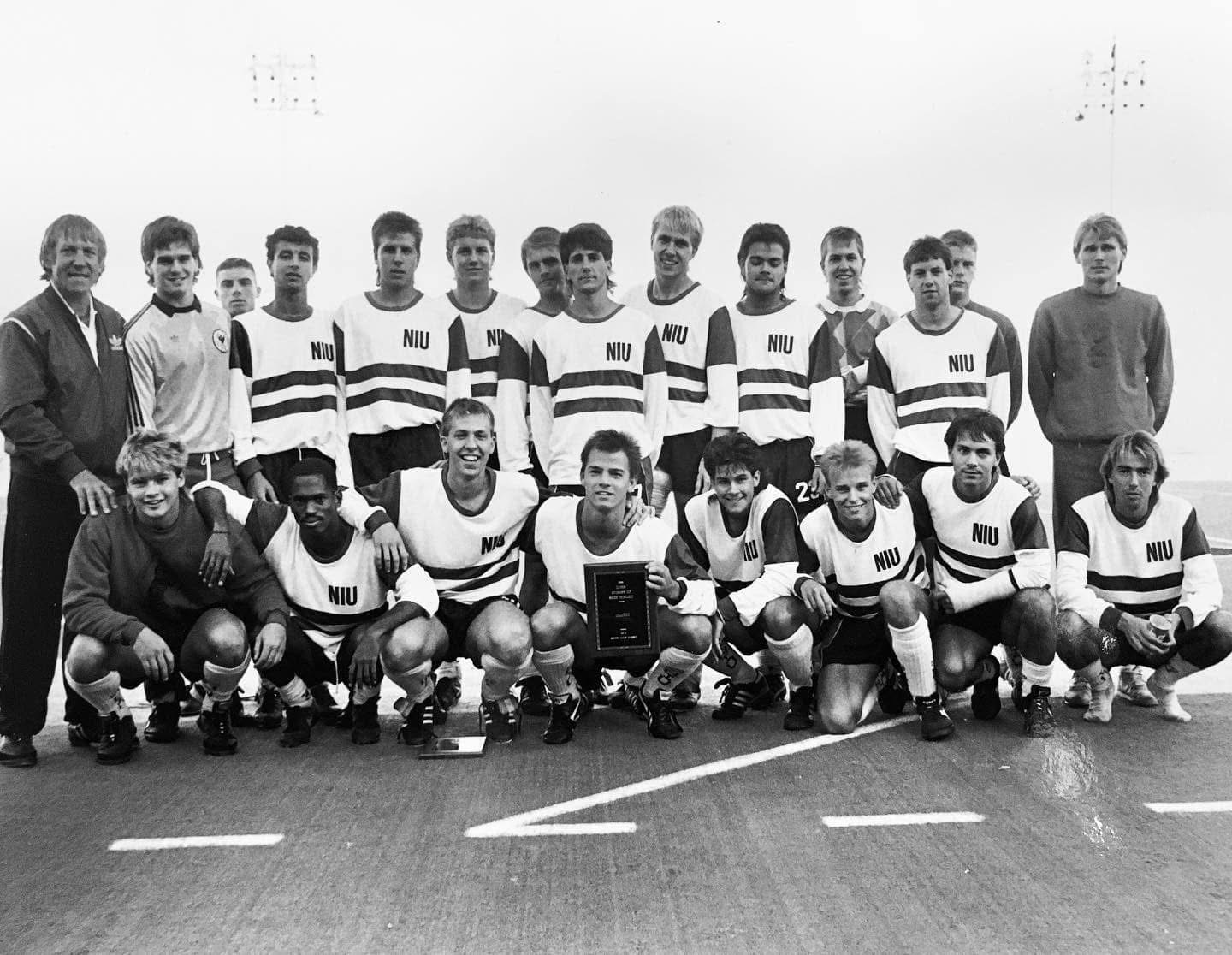
He later coached at Chicago Magic, Lewis University, and Carl Sandburg High School. Coaching makes the language of teamwork fairly literal: somebody must explain the plan, notice who needs help, and accept that shouting an instruction does not guarantee it has been understood. That experience offers a useful way to read his later emphasis on listening.
The grocery aisle was part of the education
His early business career took him into Kraft Foods and PepsiCo. Sales and marketing work put him inside established consumer businesses, where a recognizable product still requires an organization capable of making, distributing, and selling it. Sport remained a personal interest while consumer goods became his professional training ground.
He returned to education for an MBA at Lewis University, graduating in 2005. Looking back, he called the decision “a true turning point in my life.” The degree, in his telling, helped connect the separate pieces of experience he had already accumulated.
That is a less theatrical account of advancement than the sudden breakthrough beloved of business biographies. A person works, discovers gaps in his understanding, and goes back to learn. Pisani credited Lewis with building his confidence to become a company president, through practical training and experience rather than the possession of a credential alone.
His later advice to graduates was correspondingly social. He urged them to keep listening to people around them and learning from them. The underlying assumption is generous: useful knowledge may belong to somebody else in the room.
Thirty clubs, one considerable laundry pile
In 2008, Pisani became president of VF Licensed Sports Group, whose Majestic business supplied Major League Baseball’s on-field uniforms. It was a job with an unusually visible end product. The work appeared every time a player took the field, even if spectators were paying considerably more attention to the score.
By June 2016, he described a business selling more than a million jerseys annually. He said jersey sales had risen more than 50 percent over the preceding two years. Those figures belong to that period at Majestic; they are a snapshot of the business he was running then.
He emphasized manufacturing in Easton, Pennsylvania, decoration work in Tampa, and contributions from more than 1,600 associates. The new on-field jersey drew on player feedback, linking the factory floor with the playing field.
Asked which team he supported, he took the diplomatic route, promising equal effort for every club. Asked about his own loyalties away from work, he acknowledged his St. Louis upbringing and Chicago connections. Personal allegiance meets professional neutrality, with everybody’s colors in the warehouse.
Boots, gardens, and forty hours
VF appointed him Timberland’s global brand president on August 8, 2016. He moved from a sports licensing business to an outdoor brand with an international audience. His reporting line ran to Scott Baxter, then a VF vice president and group president. The appointment extended his responsibility into another kind of consumer attachment.
At VF’s investor day in March 2017, he described traveling across markets and encountering people with their own Timberland stories. That observation is revealing. An executive can count products sold, but understanding what those products mean to their owners requires a different conversation. He was paying attention to that second kind of evidence.
The South Bronx garden belonged to an existing service culture. Timberland’s Path of Service program allowed employees up to 40 paid hours a year for community volunteering. Pisani participated in that tradition rather than inventing it. Joining an organization also means learning which commitments were there before you.
In 2018, he used all 40 of those hours and joined the company’s “40s Club.” At the following year’s celebration, he was among nine senior leaders recognized. There is something pleasingly unglamorous about that measure. Seniority does not earn the distinction. Completing the hours does.
In September 2019, Timberland announced a commitment to plant 50 million trees worldwide by 2025, accompanied by its Nature Needs Heroes campaign. Pisani spoke publicly for the initiative as global brand president. The announcement set a future target, and deserves to be read as a commitment rather than a completed planting tally.
The campaign connected an outdoor company’s commercial identity to the places its customers cared about. It also gave the ambition a number and a deadline. Whatever the size of a promise, those two ingredients make it easier for other people to ask what happened next.
Four changes of kit
- 2008VF Licensed
Sports Group - 2016Timberland
- 2020Newell Brands
- 2023Life Fitness
A new set of equipment
Newell Brands appointed him business unit CEO for Outdoor & Recreation effective May 1, 2020. His responsibilities encompassed brands including Coleman, Marmot, Contigo, and Campingaz. The assignment kept him close to products people use outdoors, while expanding the range of categories under his supervision.
Life Fitness announced his appointment on July 25, 2023, with his predecessor, Paul Stoneham, moving into a senior advisory role to its board. The announcement credited Stoneham’s tenure with double-digit revenue growth and recent product launches. Pisani was joining an existing effort, with colleagues and work already in motion.
His own opening commitment paired product quality with customer service. That pairing is easy to state and demanding to deliver. Exercise equipment reaches a customer through design, manufacturing, installation, and ongoing support. The buyer experiences the combined result, however many departments the supplier has drawn on its organization chart.
A later company account of Pisani’s visit to the Protokon manufacturing plant in Kiskőrös, Hungary, put that chain into view. He thanked Ildiko Dulai and the plant team for showing how the equipment was made. Behind a branded machine sit people whose names rarely appear on its console.
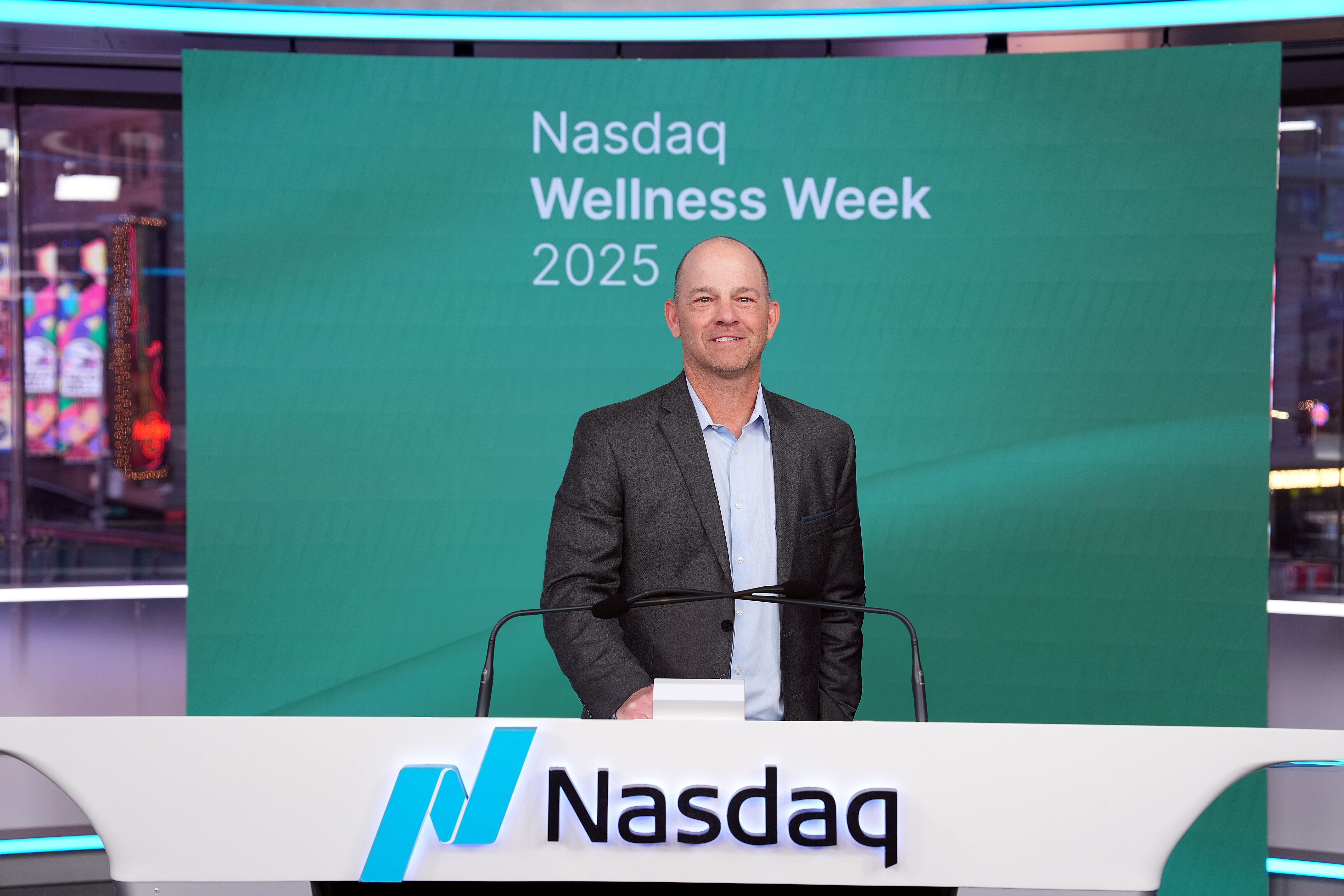
By January 2025, he was representing the company at Nasdaq’s industry gathering in New York, thanking Athletech News founder Edward Hertzman for the invitation. The college team photograph now had a rather different companion: a company chief behind the Nasdaq lectern.
The years after the launch
By April 2026, Pisani was making the case for judging equipment over years of use. He wanted to know how a product would hold up five, ten, or fifteen years later. It is an awkward standard for anyone hoping a good launch will settle the matter.
He described customers needing dependable equipment, responsive service, and useful information about how machines are used. Digital tools, in this view, should extend the physical experience. The machine still has to feel right. A convincing screen cannot do the engineering’s share of the work.
His financial language followed the same logic. An operator evaluating a purchase has to consider performance over time, beyond the initial price. That places maintenance and support inside the business proposition. The interesting part of the sale continues after the invoice has become an archive item.
“What matters is what still works five, ten, fifteen years later.”
Jim Pisani, April 2026
In an August 2026 interview following FIBO in Cologne, he said his first priority on joining had been people and culture. Brand clarity came next. He outlined a strategy centered on Life Fitness and Hammer Strength, giving each a distinct purpose while offering customers a coordinated range of equipment and digital services.
His stated ambition was to become the “training partner of choice.” Facility Connect, which gives operators visibility across their equipment, was one practical component. The broader proposal was a supplier relationship that could cover cardio, strength, functional training, accessories, and connected tools.
The captain’s job keeps changing
In his July 2026 discussion of the industry’s future, Pisani emphasized personalization, connected equipment, and partnerships. Hotels and residential developments sat alongside traditional gyms in the picture. His public activity also highlighted collaborations with Les Mills and Merrithew, extending the offer through other organizations’ expertise.
There is a recognizable continuity here, although the products have changed. At Majestic, player feedback shaped a jersey. At Timberland, he joined a community’s established service practice. At Life Fitness, he talks about listening to customers and building around the way their facilities operate.
None of that supplies a shortcut to execution. A captain still needs teammates; a manufacturer still needs equipment that works tomorrow. Pisani’s career is most interesting in those ordinary dependencies. The whistle goes, the announcement ends, the photographs are taken. Then somebody has to do the work together.