The assignment sounded temporary. In 2017, DeRay Mckesson needed help with a new podcast, Pod Save the People. Jessica Cordova Kramer was on a sabbatical from her work in education. She had a theater degree, a legal education and experience making events happen. She was willing to pitch in. A career in podcasting was considerably further down the list.
“I thought it was going to be a week,” she recalled. The favor lasted three years. There is a certain danger in being useful: people notice. In Cordova Kramer’s case, she also noticed something about the work. Booking a guest, preparing an interview and shaping recorded sound gave her earlier experience a new place to go.
By the end of 2025, she was handing over the CEO job at Lemonada Media, the company she had co-founded with Stephanie Wittels Wachs in 2019. The pair had launched more than 80 shows. Cordova Kramer would remain on the board. Somewhere between the small favor and the succession announcement, a producer had become a company builder.
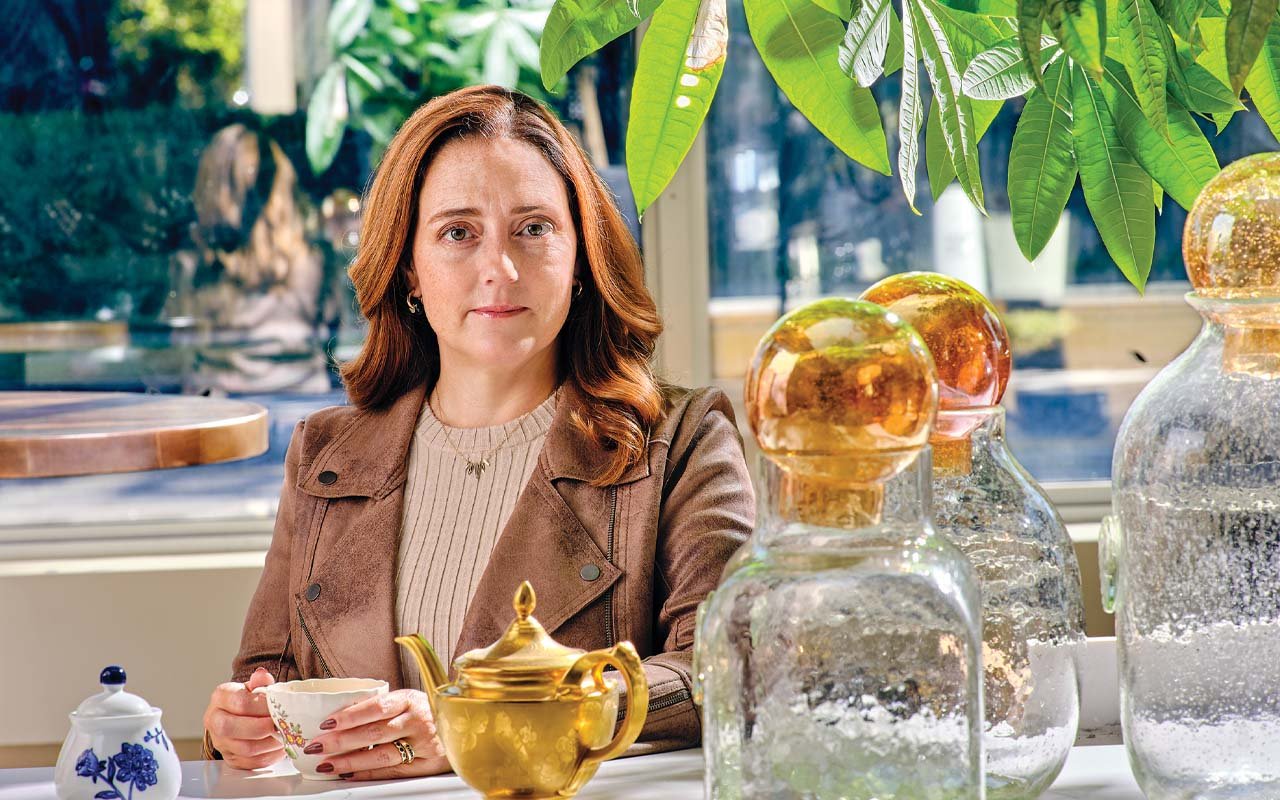
A résumé waiting for a microphone
The route included New York University, where she studied theater, and Georgetown, where she studied law. At Georgetown, she edited the American Criminal Law Review. A theater rehearsal and a law review deadline offer different kinds of preparation for dealing with other people’s words. Both demand attention to what is actually being said.
She began her professional career as a Wall Street lawyer, doing pro bono work alongside it, including refugee cases. Then came more than a decade with Teach For America and Teach For All. By the time Mckesson contacted her, she had spent years inside organizations where having a worthwhile purpose still left a great deal of organizing to do.
Her public-service work also extended to boards. She chaired Green Card Voices and became a founding board member of Teach For Italy. Her account of the latter includes helping launch the organization and hire and coach its founding CEO. Long before Lemonada had a slate, she had experience helping people build something that could continue.
Two founders, one early announcement
Lemonada grew around Last Day, its flagship podcast. Cordova Kramer and Wittels Wachs wanted to make it, and initially tried pitching it to other networks. Cordova Kramer had seen Crooked Media develop from its beginnings. Making a company themselves became a practical possibility. The question expanded from how to place one show to how to make room for several.
Their ambition required an organization. There would be hosts, producers and listeners to consider, along with a less romantic list of expenses. In September 2019, the two launched Lemonada. They put their own money into the business and began with a small team. It was a substantial commitment to an idea that had not arrived with a guaranteed audience.
They had been meticulous about introducing it. There were branding materials, newsletters and talking points. Then, around 10 p.m. the night before the planned launch, Wittels Wachs posted the announcement video. All that preparation had met the publish button. The founders later told the story as a funny mistake. An imperfect introduction had proved survivable.
Cordova Kramer has been equally clear about the importance of the partnership itself. She rejects the idea that a founder can do everything alone and has described caring for the working relationship as a priority. That is a less cinematic account of entrepreneurship than the solitary genius. It also leaves room for someone else to catch the next scheduling error.
A favor becomes a company
- 2017Founding producer
Pod Save the People - 2019Co-founds
Lemonada Media - 2023Wiser Than Me
Apple’s Show of the Year - 2025PodX transaction
and CEO handover
“Podcasts are life partners, with us when we need them and wherever we go.”
Jessica Cordova Kramer, 2022
Twenty-nine days on top
With Wiser Than Me, Julia Louis-Dreyfus had a clear idea: listen to older women whose experience deserved more attention. Lemonada helped turn that idea into a series. The first season included Jane Fonda, Isabel Allende, Darlene Love and Amy Tan. An accomplished interviewer could be curious, funny and willing to learn in public.
Apple named it the 2023 Show of the Year. It spent 29 consecutive days at No. 1 overall on Apple Podcasts in the United States. Those distinctions belong to a particular show on a particular platform, but they say something useful about the editorial bet. Conversations with older women had found an audience large enough to dominate the chart for weeks.
Wiser Than Me on Apple Podcasts’ U.S. overall chart in 2023.
The attraction also helps explain Cordova Kramer’s approach to well-known hosts. A recognizable name can get a listener’s attention. There still needs to be an idea worth returning to, and a host who wants to pursue it. Louis-Dreyfus brought a perspective that suited the conversation. The title itself made a small promise: the person asking questions would be learning, too.
Lemonada’s range widened to include David Duchovny’s Fail Better, Sam Smith’s The Pink House and other distinct approaches to conversation. The network could contain different voices without requiring every host to become the same kind of interviewer. That is part of the work of producing: recognizing what makes a person interesting, then giving it a useful form.
Someone has to pay for the microphones
Cordova Kramer’s discussions of the business are refreshingly concerned with the bills. Lemonada brought advertising sales in-house in 2021. That gave the company more control over selling its original shows and let it take on sales and distribution partnerships. The person enjoying an episode might never consider that arrangement. The person meeting payroll certainly would.
She treats the advertising itself as creative work. A host reading a script should still sound like the person the listener chose to hear. Her account includes rewriting scripts with brands and taking care over how sponsorship fits a show. The ambition is easy to understand. Nobody puts on a favorite voice hoping it will suddenly become a telephone menu.
Subscriptions provided another way to support production. She described the appeal of letting listeners help fund the work they wanted more of, while being careful about creating extra demands for already busy teams. Bonus interviews and extended cuts could serve listeners when the production made sense. The economics and the editing needed to agree.
She has also been candid about expectations going wrong: a launch projected to draw 30,000 plays might attract 10,000. The response was to investigate the gap and improve the process. She called the use of data to plan shows and marketing “Moneyball for podcasting.” Instinct had company at the table. So did the spreadsheet.
A producer opens the door
In May 2023, Cordova Kramer used her company blog to introduce readers to associate producer Tiffany Bui. The choice was revealing. Here was a media executive making space for an early-career colleague to explain how she had entered the business. A profession can seem much less mysterious when somebody tells you how a real person got hired.
Bui had recently graduated from the University of Minnesota and was working on shows including Funny Cuz It’s True and Raised by Ricki. Cordova Kramer framed the conversation around mentorship and creating opportunities for young audio professionals from different backgrounds. She also praised Bui’s internal production emails. Editorial talent can announce itself in the inbox before it reaches the credits.
The connection to Cordova Kramer’s own entry into audio is hard to miss. She began because someone trusted her with unfamiliar work. Opening that possibility to others gives the favor a longer life. Podcasting requires ways for capable people to learn the job, along with the finished shows that persuade them they would like to do it.
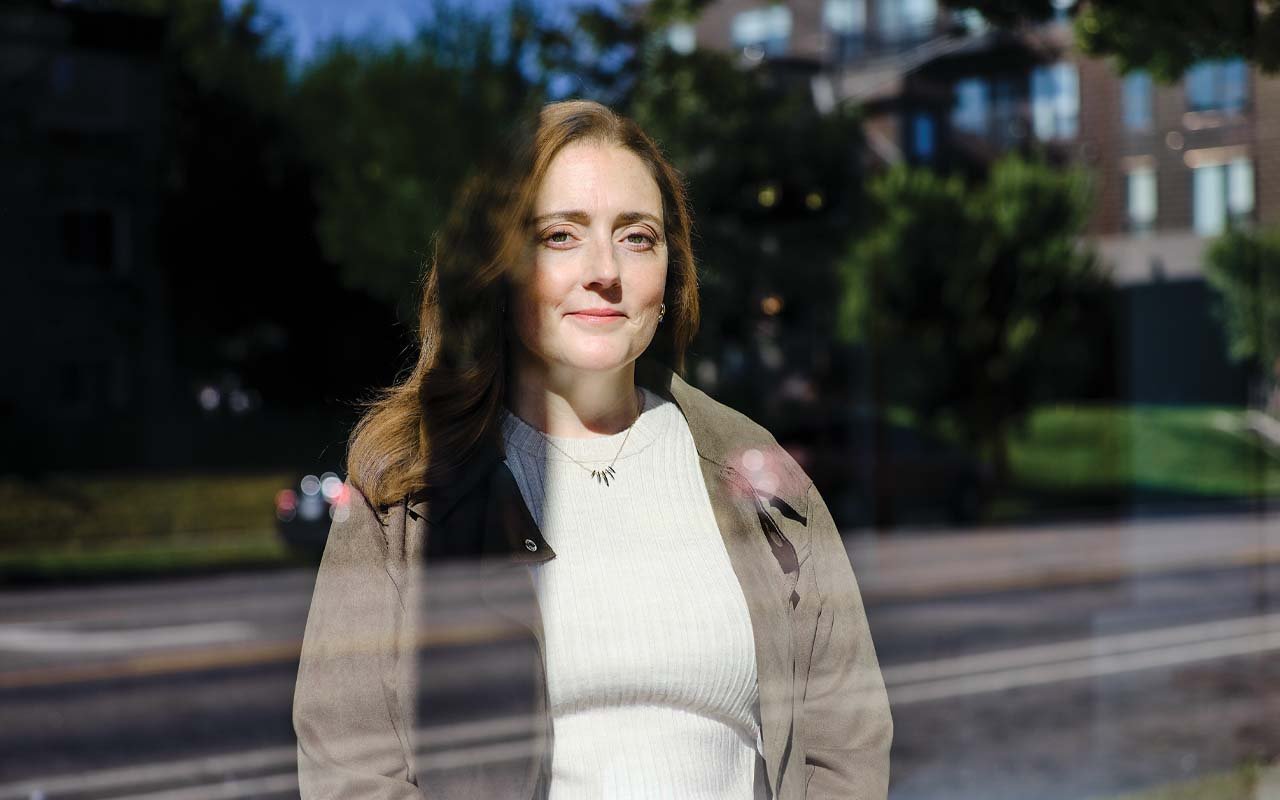
In December 2024, she described another ambition: bringing listeners together through live events and other ways to interact with talent, staff and one another. The company had built an audience across different shows. She wanted to give those people ways to gather. It was a proposal that returned the business to the ordinary human exchange at the center of an interview.
The bookshelf, then the Atlantic
In 2024, Lemonada announced Lemonada Books, an imprint and co-development partnership with Gallery Books, part of Simon & Schuster. The opening plans included books connected to Fail Better and Last Day. A company built around listening was exploring what its stories could become on a page.
Another collaboration, Your Next Listen, brought extended audiobook previews to podcast listeners. Hosted by Lemonada’s Jackie Danziger, the series offered a way to discover books through the habit of listening. These were neighboring forms with different demands. A podcast conversation could lead toward a book; an excerpt could give a reader a reason to keep going.
Then the company acquired an international connection. In May 2025, PodX announced plans to buy a majority stake in Lemonada, its first entry into the U.S. market. The December leadership announcement confirmed the completed transaction and Cordova Kramer’s work on the integration. Lemonada joined a group with audio companies across Europe and Latin America.
At year-end, Wittels Wachs succeeded her as CEO. Cordova Kramer remained a board member, changing her relationship with the company she had helped create. Founding, financing, growing and handing over an organization are different assignments. Her career had now included each of them.
Through it all, Minneapolis remained home. She had acknowledged that Los Angeles or New York could make her work easier, while choosing the community where her family was rooted. She also described herself as a soccer mom. After the lawyers, the producers, the book publishers and the international deal, there was still a life outside the company. The week-long favor had taken quite enough of the calendar.