A 160-square-foot coffee stand does not offer much scope for wandering. There is room to make the drink, pass it through a window and get on with the next one. In 2008, that was the scale of the business Jeff Hernandez helped start in Beaverton, Oregon. The customer stayed in the car. The coffee came out. A perfectly respectable arrangement, especially on a wet morning.
Then Hernandez helped complicate it. Black Rock Coffee Bar began adding lobbies in 2013, giving people a reason to park, come inside and remain there. A business built around moving customers along had acquired somewhere for them to sit. For a former construction professional, it was an unusually revealing building decision: more space for the part of the transaction that could not be poured into a cup.
Today, Hernandez is Black Rock’s co-founder and chairman, following a decade as CEO from 2010 to 2020. The company reached 200 stores by June 30, 2026. Those numbers describe an expansion. The lobby helps explain the person behind it. Hernandez’s recurring interest is how a brief encounter becomes a habit, and how that habit survives the arrival of another hundred stores.
Before the window, a construction site
Hernandez’s earlier working life belonged to another kind of job site. From 2000 to 2008, he worked as a project engineer and safety officer at S&B James Construction in White City, Oregon. Coffee was a career change. The earlier job gives his biography a practical starting point: eight years working for an Oregon construction company before joining the families behind a new coffee business. The first stand was a small place to begin again.
The founding story was also a family story. The original partnership brought together fathers and sons: Jeff and his father Rob Hernandez; Daniel and Jeremy Brand and their father Jack; Ryan Hagler and his father John. The names make the early business feel less like a solitary entrepreneurial revelation than an undertaking assembled around people who already knew one another.
Daniel Brand became Hernandez’s long-term counterpart in building Black Rock. They are also brothers-in-law. That connection adds another layer to a company whose public language so often returns to relationships. The family ties were literal before they became part of the brand’s vocabulary.
The timing was awkward. Black Rock opened during the Great Recession, in a region that already took coffee seriously. Starbucks and Dutch Bros were established competitors. There was no empty landscape waiting politely for a new logo. Hernandez’s later descriptions of the beginning carry the memory of having to earn attention in a crowded market, with little room for complacency.
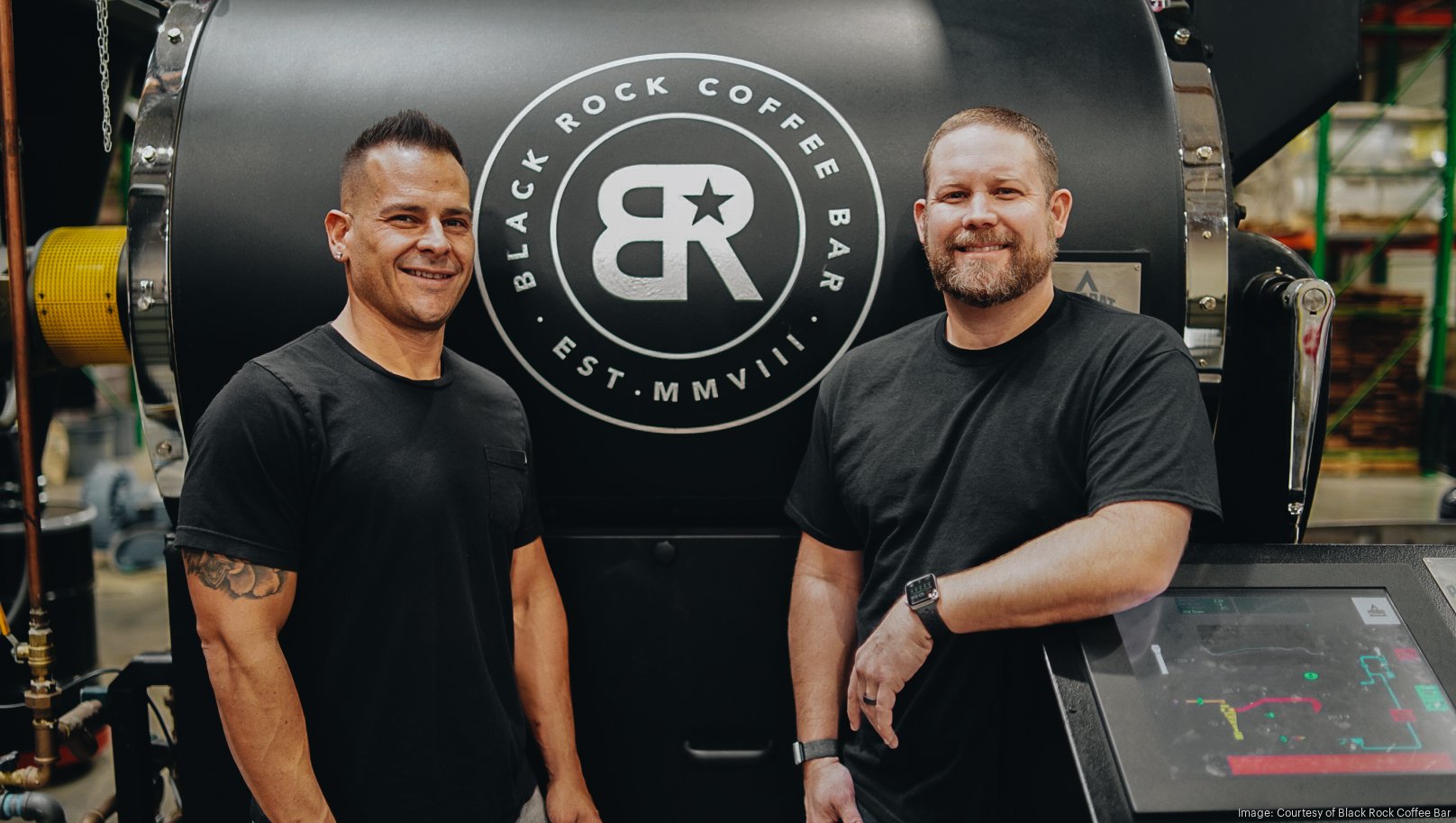
The unglamorous four
Ask a founder what makes a business distinctive and one might expect a grand answer. Hernandez has offered a rather more useful set of instructions: keep the store clean, serve quality products, make drinks quickly and deliver attentive service. It is a list that can be checked on a Tuesday morning. The mop has a place in the strategy.
He has also resisted the easy claim that Black Rock possesses some mysterious quality beyond explanation. Competition and the economic conditions of its founding left little opportunity to congratulate itself. His account of building the business puts the emphasis on doing ordinary things consistently, rather than announcing that the ordinary rules have been suspended.
Hernandez has said the company could never afford to rest on a belief in its own specialness. That is a telling admission for someone selling an experience. He wants the visit to matter, but his explanation comes back to the work required to produce it.
The cultural shorthand is more memorable: grit, growth, gratitude and grace. Black Rock calls them the four G’s. In a letter signed by Hernandez and his fellow co-founders, grit includes getting up at three in the morning so the lights are on for the first customer. A value becomes more persuasive when someone has attached an alarm clock to it.
- 01 A clean store
- 02 Quality drinks
- 03 Fast preparation
- 04 Attentive service
A chair changes the proposition
The lobby was a physical expression of that interest in the encounter. In a 2026 conversation, CEO Mark Davis credited Hernandez with recognizing the opportunity in 2013: furniture, lighting, music and garage doors could give customers an appealing place to spend time. The drive-thru would remain. The visit could become longer when the customer wanted it to.
There is a practical generosity in offering both choices. Someone running late can collect a drink through the window. Someone meeting a friend can take a seat. The same business accommodates two different mornings without requiring either customer to explain themselves.
Black Rock’s expansion carried that choice into new markets. Arizona and Idaho followed in 2016; Texas and Colorado in 2019. By June 2025, about three-quarters of its 158 locations had lobbies. The company had moved a considerable distance from the original stand while keeping the window that made the first version work.
Hernandez’s own appearance at the Southlake opening in 2021 gives the expansion a human scale. He recalled people arriving from across the community and saying they had been waiting for the store. A new market becomes tangible at that point: a gathering of people with their own expectations, rather than a shaded territory on a development map.
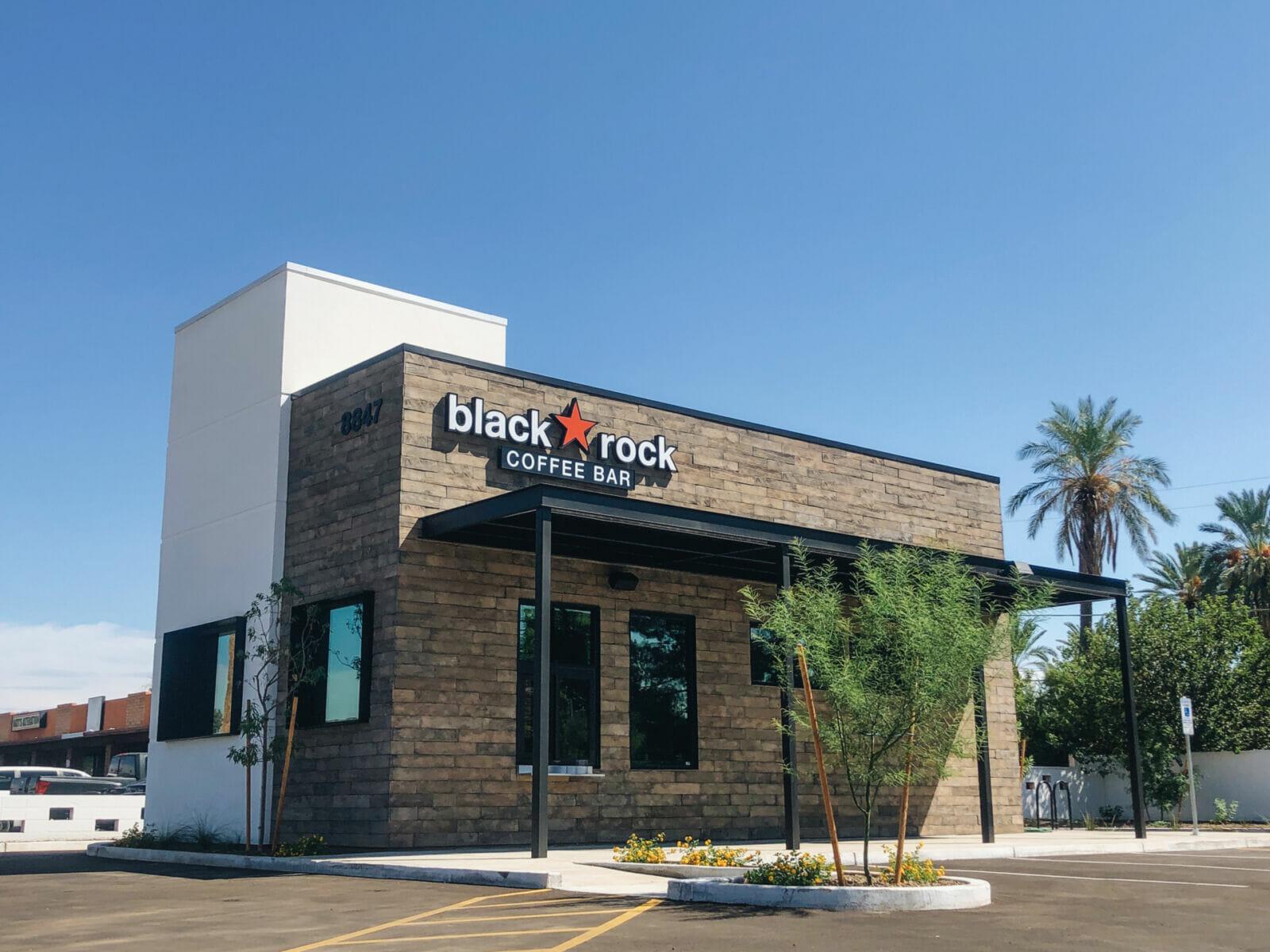
The barista who sold a future CEO
One of the clearest illustrations of the culture Hernandez helped establish involves somebody else’s first visit. Before joining as CEO in 2023, Davis visited a Black Rock with his wife. Neither was much of a coffee drinker. A barista asked about their preferences, explained the choices and helped them find their way through the menu.
Davis came away interested in the people behind the counter as much as the product. The exchange helped persuade an experienced restaurant operator that Black Rock had something he wanted to join. It is an appealing reversal: a prospective chief executive receiving the company’s most consequential introduction from a barista.
For Hernandez, who has repeatedly praised baristas and emphasized employee development, the episode fits a larger concern. A founder can specify the furniture and sign the lease. The person serving the customer gives those decisions their meaning. The business has to make that person capable of carrying the relationship.
Black Rock’s public descriptions of its workplace emphasize opportunities for young employees to develop leadership, business and people skills. Those ambitions place a burden on management: growth needs to create worthwhile work for the people who make the customer experience possible. A friendly company slogan cannot take a shift.
Room for other people at the table
Hernandez’s role has changed alongside the company. His CEO tenure ended in 2020. By December that year, a growth investment from Cynosure had introduced institutional capital, with Josh Pike serving as CEO. Hernandez described choosing a partner who understood the company’s customer and community culture and shared its commitment to the long term.
The progression matters in a founder’s biography. Building a business personally and overseeing a business through a board are different kinds of work. Black Rock brought in partners, developed its executive team and, in 2021, bought back its franchised stores to return to a company-owned system. Hernandez remained connected to the enterprise as responsibility spread across more people.
His interest in product development also surfaces in a small public celebration: announcing Black Rock’s own energy drinks on LinkedIn after more than a year of development. Behind the cheerful launch announcement sits a long preparation period. The menu was broadening beyond the thing in the company’s name, while still needing to work at the counter.
“Grit, Growth, Grace and Gratitude.”
Jeff Hernandez, on the values behind Black Rock’s 100-store milestone
A longer reach, one opening at a time
A bigger company, measured carefully
Black Rock’s shares began trading on Nasdaq under BRCB on September 12, 2025. CFO Rodd Booth has described a public offering as a longstanding ambition of Hernandez and Brand. The listing placed the business in a new setting, with quarterly results giving outsiders a recurring way to examine how the expansion was working.
By the second quarter of 2026, Black Rock reported 200 stores, revenue of $63 million and same-store sales growth of 4.2 percent. Ten stores opened during the quarter. These are company results under Davis and the broader team; they also show the present scale of the business Hernandez helped begin.
A May 2026 transaction changed the ownership picture again. Cynosure acquired equity interests pledged by entities and trusts affiliated with the founders, extinguishing their margin loan. Hernandez and Brand remained board members and meaningful shareholders. The founder story continued inside an evolving capital structure.
There is a temptation to let the stock-market milestone supply the ending. Hernandez’s story suggests a smaller place to look. The company began with a window, added somewhere to sit and kept returning to the person serving the drink. Its chairman’s original problem remains recognizably close at hand: make the coffee promptly, keep the place clean and give the customer a reason to come back.